Electric Bikes · Electric Bikes
E-Bike Accessories
A new e-bike is a big purchase, and the right accessories are what turn it into a bike you actually rely on every day.
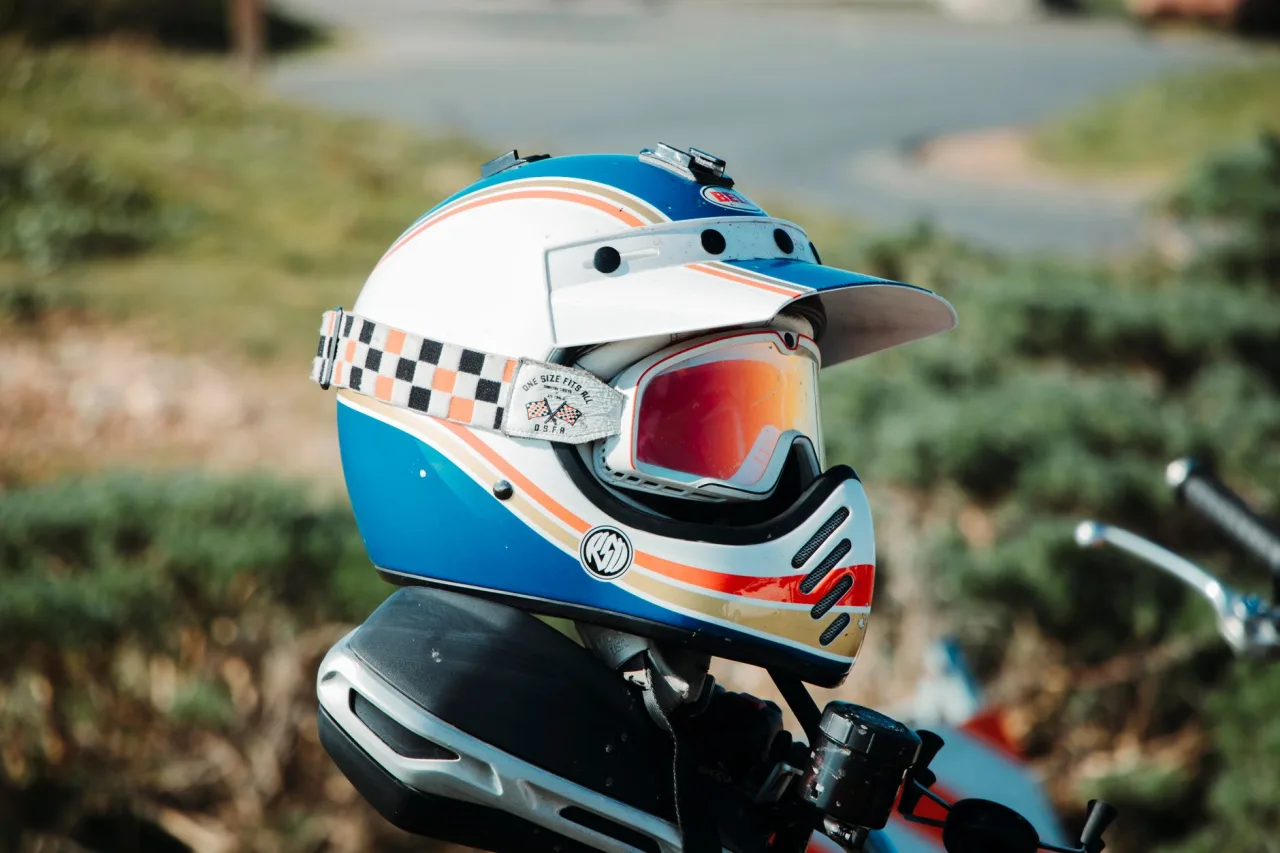
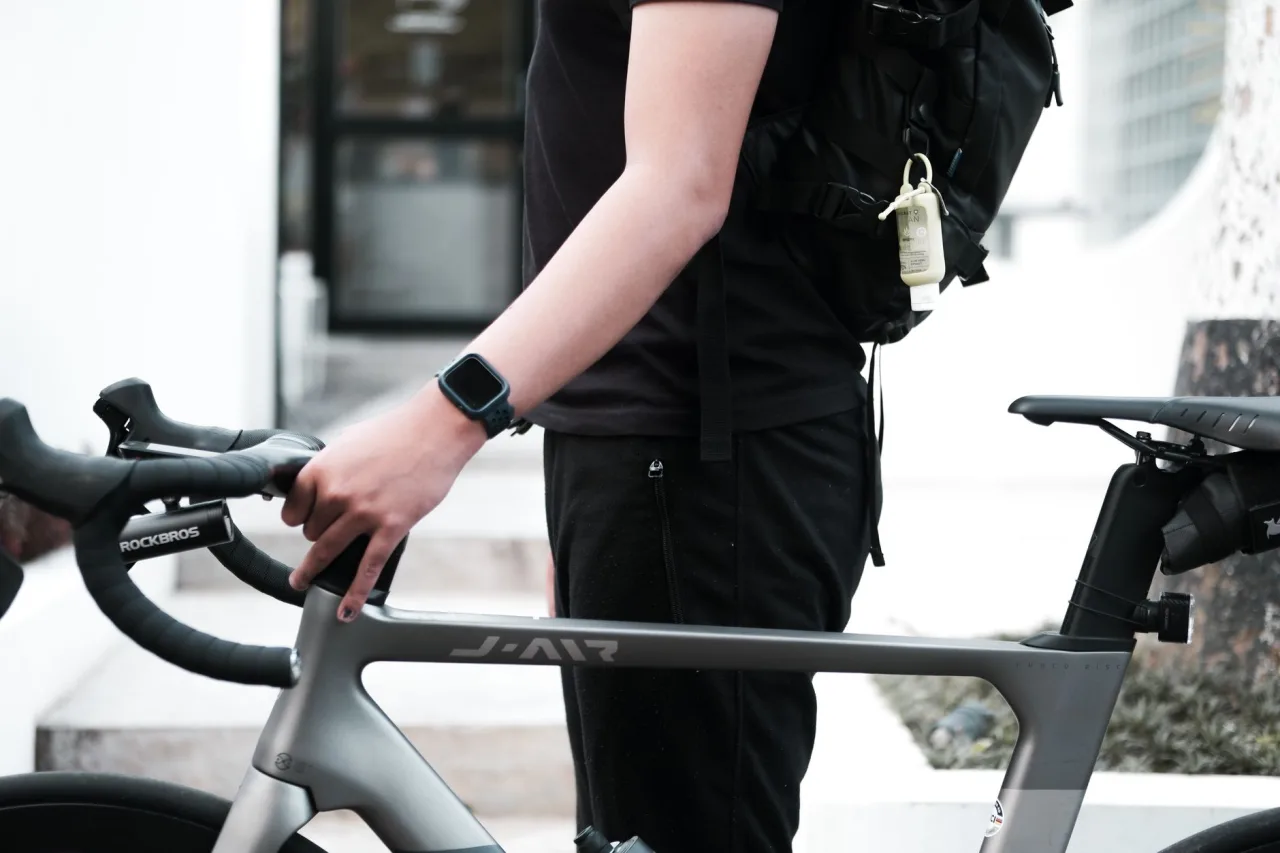
A new e-bike is a big purchase, and the right accessories are what turn it into a bike you actually rely on every day. This complete guide walks through the add-ons that matter most, from security and lighting to comfort and maintenance, and flags the ones worth buying first. The aim is a practical kit, not a cluttered cart of gadgets you never use.
The short version
- Buy safety and security first: a quality lock, front and rear lights, and a properly fitted helmet.
- Match accessories to your e-bike's extra weight and value, since a heavy, expensive bike needs a stronger lock and sturdier rack.
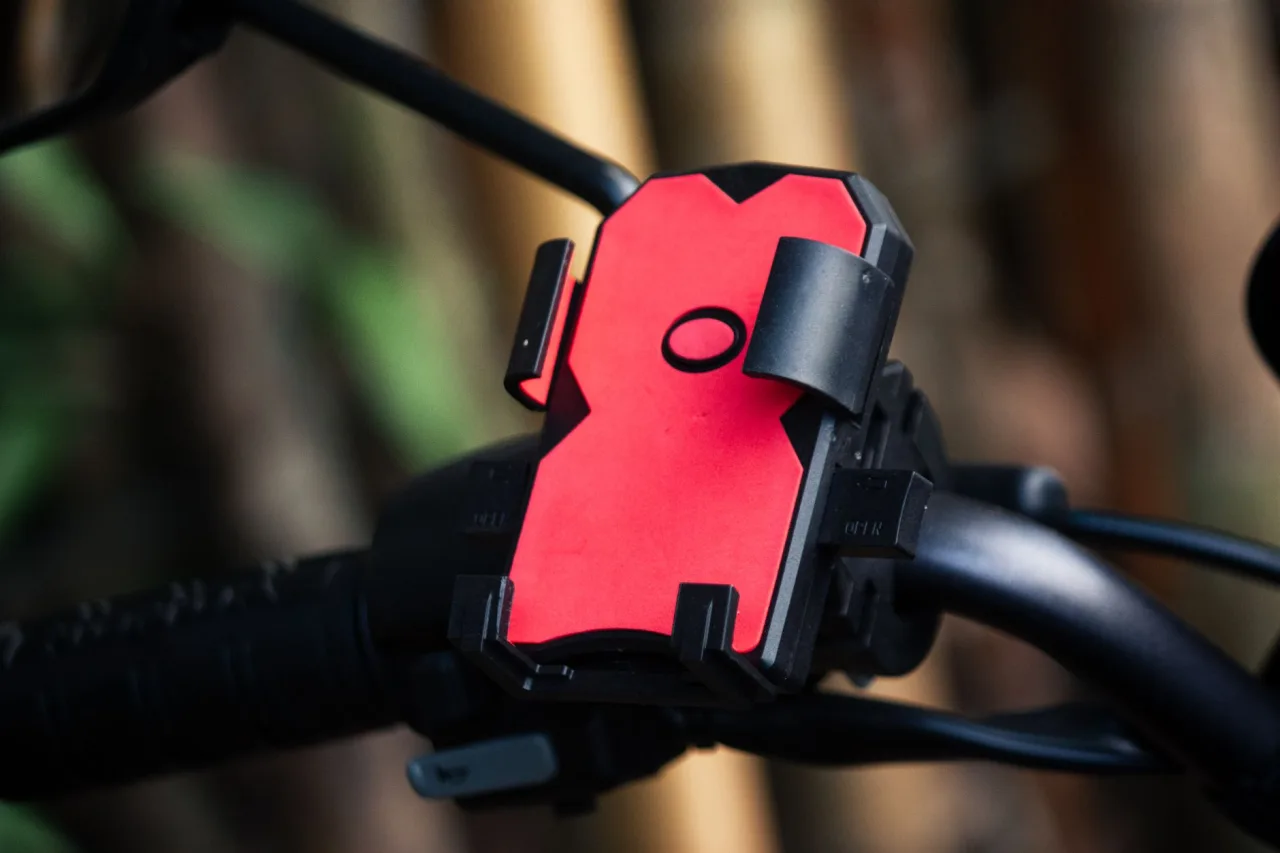
- Comfort and utility add-ons like fenders, a rack, a phone mount, and a mirror make daily riding far more pleasant.
- Keep a small maintenance kit on hand, and confirm any electrical accessory is compatible with your specific bike before buying.
Why e-bike accessories deserve a plan
E-bikes change the accessory math in a few ways. An electric bicycle is heavier than a normal bike, often 45 to 70 pounds, so racks, stands, and carriers need to be rated for the load. They are usually more expensive than a basic bicycle, which makes them a bigger theft target and justifies a better lock. And they invite longer, more frequent trips, so comfort and visibility gear that you might skip on a casual bike earns its place quickly. Planning your accessories around those realities beats grabbing whatever is cheapest.
If you are still choosing the bike itself, our complete electric bike guide covers motors, batteries, and types, and it pairs naturally with the accessory choices below. Think of the bike and its kit as one budget rather than two.
Security: locks and anti-theft
Because e-bikes cost more, security comes first. A determined thief can defeat almost anything given time, so the goal is to be a harder target than the bikes around you and to slow an attack down.
- A hardened U-lock or heavy chain resists bolt cutters far better than a cheap cable lock. Cable locks are best used only as a secondary deterrent.
- Two locks of different types force a thief to carry more tools and take more time, which is often enough to send them elsewhere.
- Secure the frame and a wheel to a fixed, solid object, not just the wheel, and lock through the frame's main triangle.
- A GPS tracker or the bike's own connectivity can help recovery, though it is a backup, not a substitute for a strong lock.
Our dedicated bike lock guide compares lock types and locking technique in detail, and it is worth reading before you settle on one, since this is the accessory that protects everything else.
Visibility: lights and reflectives
E-bikes travel faster and farther than many riders expect, which makes being seen essential. Good bicycle lighting is nearly universal in modern LED form, and many places legally require a white front light and a red rear light after dark.
- A bright front light both helps you see the road and makes you visible. Higher lumen output matters if you ride unlit paths.
- A steady or pulsing rear light is one of the most effective ways to be noticed by drivers approaching from behind.
- Reflective elements on your bike, bags, or clothing add low-cost, always-on visibility from the side.
Some e-bikes power integrated lights from the main battery, which is convenient and never needs recharging separately. If yours does not, our bike lights guide helps you choose and mount a reliable set.
Protection: helmet and body gear
A helmet is the accessory you hope never to test. Because e-bikes reach higher speeds than most pedal bikes, a well-fitted, current helmet is more important, not less. Some riders on faster Class 3 bikes choose helmets with extra coverage. Fit matters as much as the standard label: a helmet that sits level and snug protects you, one that wobbles does not. Our bike helmet guide covers standards and fitting step by step.
Beyond the helmet, gloves improve grip and cushion a fall, and eye protection keeps grit and wind out of your eyes at speed. Weather-appropriate layers and reflective outerwear round out the kit for riders who commute year round; our cycling gear guide covers clothing choices in more depth.
Warning: check electrical compatibility
Accessories that draw power from your bike, such as integrated lights, phone chargers, or aftermarket displays, are not universal. Voltage, connectors, and firmware differ between brands and even models. Confirm compatibility with your exact bike, ideally through the manufacturer or your dealer, before buying anything that plugs into the system. The wrong part can fail to work or, worse, damage the electronics.
Utility: racks, fenders, and carrying
The accessories that make an e-bike genuinely useful are the practical ones. A rear rack turns the bike into a load carrier for groceries or a commute bag, but it must be rated for your intended weight, and pannier bags keep loads off your back. Fenders keep road spray off you and the bike, which matters more on longer e-bike rides in wet weather. A quality kickstand rated for the bike's weight keeps a heavy e-bike upright and stable when parked.
Transporting the bike is its own challenge. E-bikes are heavy, so a car rack must be rated for e-bike weight, and many riders prefer a platform-style hitch rack over a trunk rack for that reason. Our bike racks guide explains rack types and weight ratings so you do not overload one. If storage space is tight, a folding design can remove the need for a car rack entirely, an angle our foldable bike guide explores.
Comfort and convenience
Small add-ons make a large difference over many miles. A more supportive saddle can transform a long commute, a set of ergonomic grips reduces hand fatigue, and a phone mount keeps navigation visible without you fishing in a pocket. A mirror improves awareness in traffic, and a bell is a courteous, sometimes legally required, way to warn pedestrians. None of these are essential on day one, but they are the upgrades riders reach for once the basics are covered.
Maintenance essentials to keep on hand
A little kit prevents most roadside headaches. Keep a portable pump or a way to check tire pressure, since correct pressure improves range, comfort, and safety, and our bike pump guide helps you pick one. Add a spare tube or a tubeless repair kit, a multi-tool sized for your bike's bolts, and a rag and chain lubricant, because e-bikes, especially mid-drive models, put extra load on the chain and reward regular cleaning. For anything electrical or motor related, lean on a shop rather than improvising; our guide to finding a trusted local bike shop explains how to vet a service department.
What e-bike accessories cost and where to start
Accessory prices vary widely by brand and quality, so treat any figure as a ballpark and confirm current pricing locally. As a rough priority order, spend first on a strong lock, lights, and a good helmet, then add the utility and comfort items that fit your riding. Buying a few quality pieces beats a drawer of cheap gear that fails when you need it. Established component brands cost more but tend to last and to be serviceable, which is the same logic that applies to the bike itself. For budgeting the whole package, our guide to real electric bike prices can help you set aside enough for the kit alongside the bike.
Frequently asked questions
What accessories should I buy first for an e-bike?
Prioritize safety and security: a hardened U-lock or heavy chain, a bright front light and a red rear light, and a properly fitted helmet. These protect you and your investment before anything else. Once those are covered, add utility items like a rack and fenders, then comfort upgrades such as a better saddle and grips.
Do e-bikes need a special lock?
E-bikes cost more than most bicycles, so they are bigger theft targets and deserve a stronger lock. A hardened U-lock or heavy chain resists bolt cutters far better than a cable lock. Many riders use two locks of different types to slow a thief down, and always secure the frame to a solid fixed object.
Are e-bike accessories interchangeable between brands?
Mechanical accessories like racks, lights, and phone mounts are usually adaptable across brands, though fit still matters. Electrical accessories that draw power from the bike, such as integrated displays or chargers, are often brand and model specific because of differing voltages, connectors, and firmware. Always confirm compatibility with your exact bike before buying electrical parts.
Can I carry an e-bike on a normal car rack?
Not always. E-bikes are heavy, often 45 to 70 pounds, so a car rack must be rated for that weight. Many riders choose a platform-style hitch rack designed for e-bikes rather than a lighter trunk rack. Check both the rack's weight rating and your vehicle's hitch capacity before loading a bike.
Do I need special maintenance tools for an e-bike?
For everyday care you need the same basics as any bike: a pump, a spare tube or repair kit, a multi-tool, and chain lubricant. Mid-drive e-bikes stress the chain, so regular cleaning helps. Leave motor, battery, and controller work to a qualified shop, since those systems need trained hands and the right diagnostic tools.
More guides on Electric Bikes
Have a question or a topic to suggest?
We read every message. Tell us what you would like to see next on the blog.
Get in touchYou may also like
Fastest Electric Bike
Search for the fastest electric bike and you will find bold speed claims everywhere, most of them missing the fine print that actually matters.
Fat Tire Bike
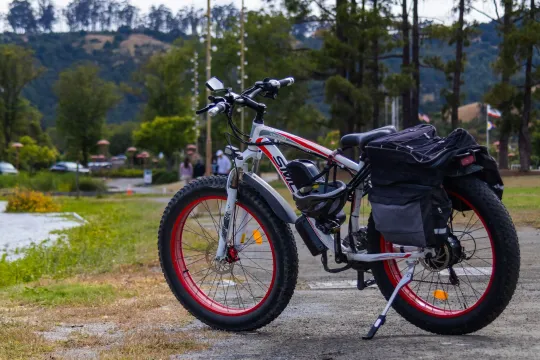
A fat tire bike is instantly recognizable by its enormous, balloon-like tires, and those tires are the whole point. This complete guide explains what fat bikes are built

Foldable Bike
A foldable bike solves a problem no full-size bike can: where do you put it when you are not riding. This complete guide explains how folding bikes work, the folding styles worth knowing