Sustainable Cycling · Electric Bikes
Eco Bike: The Complete Guide
The carbon case for cycling, where e-bikes fit, and why durability and buying used matter more than any green label.
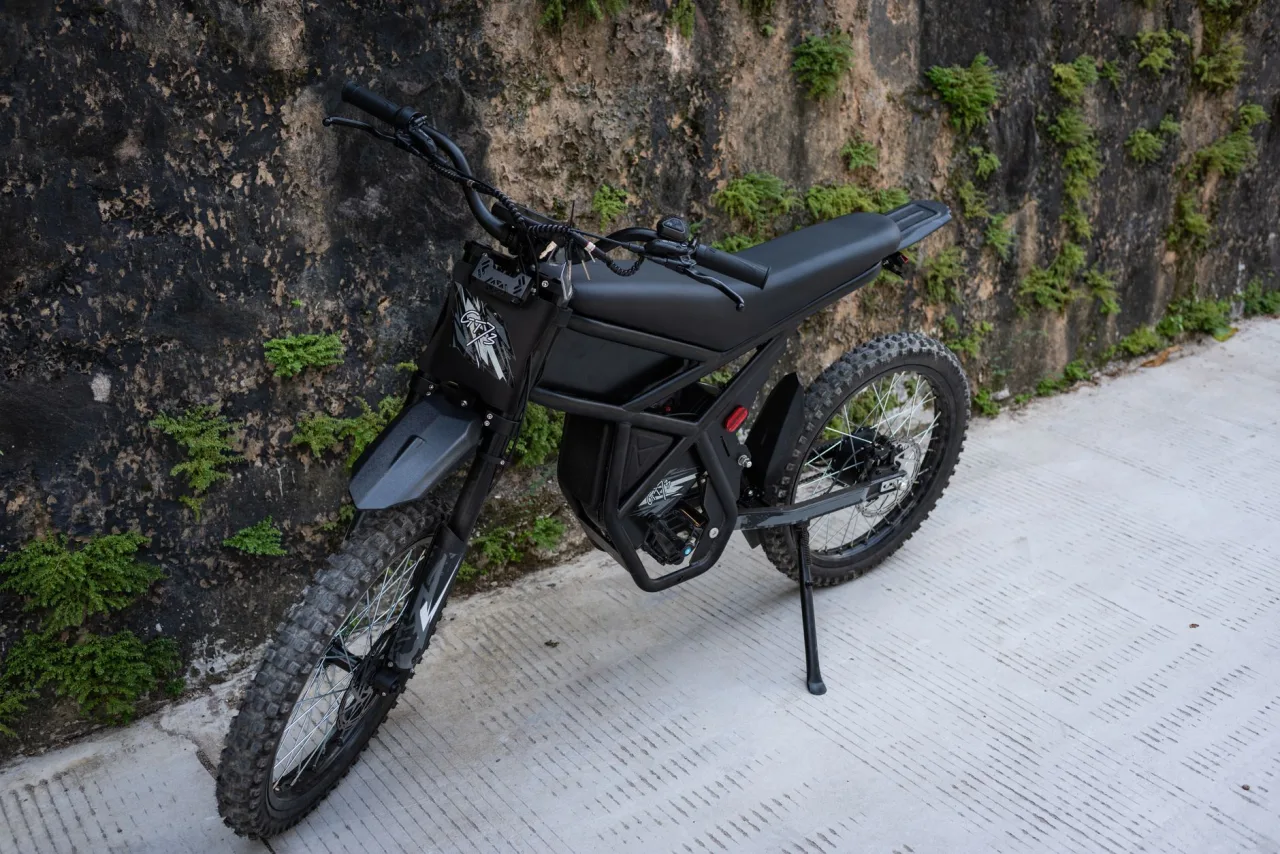
"Eco bike" is less a single product than an idea: choosing and using a bicycle in the way that does the most good for the planet and the least harm. This guide unpacks what actually makes a bike eco-friendly, where electric bikes fit, and how the choices you make about buying, riding, and maintaining a bike shape its real environmental footprint.
The short version
- Bicycles are among the lowest-carbon ways to travel, and replacing car trips is where the real environmental win comes from.
- Electric bikes keep emissions low across their life cycle while making car-free trips realistic for more people and more distances.
- Buying a durable, repairable bike and keeping it running for years beats chasing the "greenest" spec sheet.
- A well-chosen second-hand bike can be one of the most eco-friendly options of all.
What makes a bike an eco bike
No official standard defines an "eco bike," so treat the term as a goal rather than a label. In practice, a bike is eco-friendly to the degree that it replaces higher-impact travel, lasts a long time, and can be repaired instead of thrown away. A cheap bike that rusts in a year and lands in a skip is less green than a solid bike ridden daily for a decade. The greenest bike is usually the one you actually ride, and keep riding.
Marketing sometimes attaches "eco" to specific materials or paint. Those details matter far less than how much driving the bike displaces. Focus on fit, durability, and repairability first, and the environmental benefits follow.
The carbon case for cycling
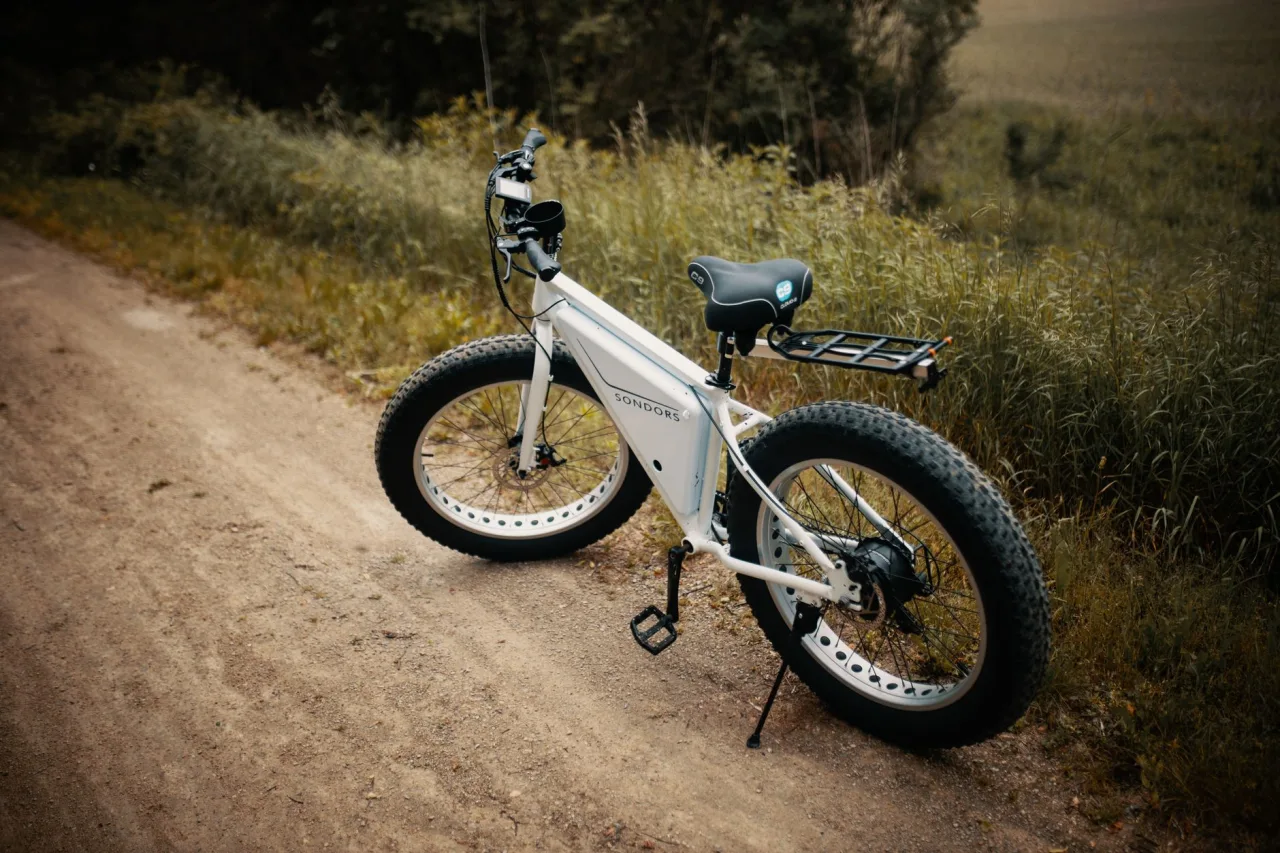
The numbers strongly favor bikes. Riding a bicycle is a very low carbon-intensity form of travel, with average emissions of roughly 17 grams of carbon dioxide equivalent per kilometer, far below a typical car trip. Electric bikes perform similarly well across their life cycle, since the electricity to charge them is tiny compared with burning fuel. Cycling also eliminates tailpipe pollution entirely at the point of use.
The benefits extend beyond emissions. Bikes need minimal infrastructure, park easily, ease congestion, and deliver strong returns on public investment through health and other gains. In short, every car trip you swap for a ride compounds into cleaner air and quieter streets.
Where electric bikes fit the eco picture
It can seem paradoxical that adding a motor makes a bike greener, but the logic holds. An e-bike keeps life-cycle emissions low while extending the range and hills a rider can handle, which means it replaces car trips that a standard bike never would. A hilly commute, a cargo run with kids aboard, or a longer distance that felt impossible by pedal power becomes an easy ride.
To understand how the assist, classes, and batteries work, our complete electric bike guide is the hub of that topic. If a compact, transit-friendly option appeals, the electric cycle guide covers everyday assisted riding. The key eco point is simple: an e-bike that gets you out of a car is an environmental win, even with its battery.
Tip: measure eco impact in car trips replaced
The most useful green metric is not the bike's material or paint. It is how many car trips it takes off the road each week. A heavier e-bike that replaces a daily 8-mile car commute does far more good than a featherweight bike that hangs unused in the garage.
Durability and repairability beat novelty
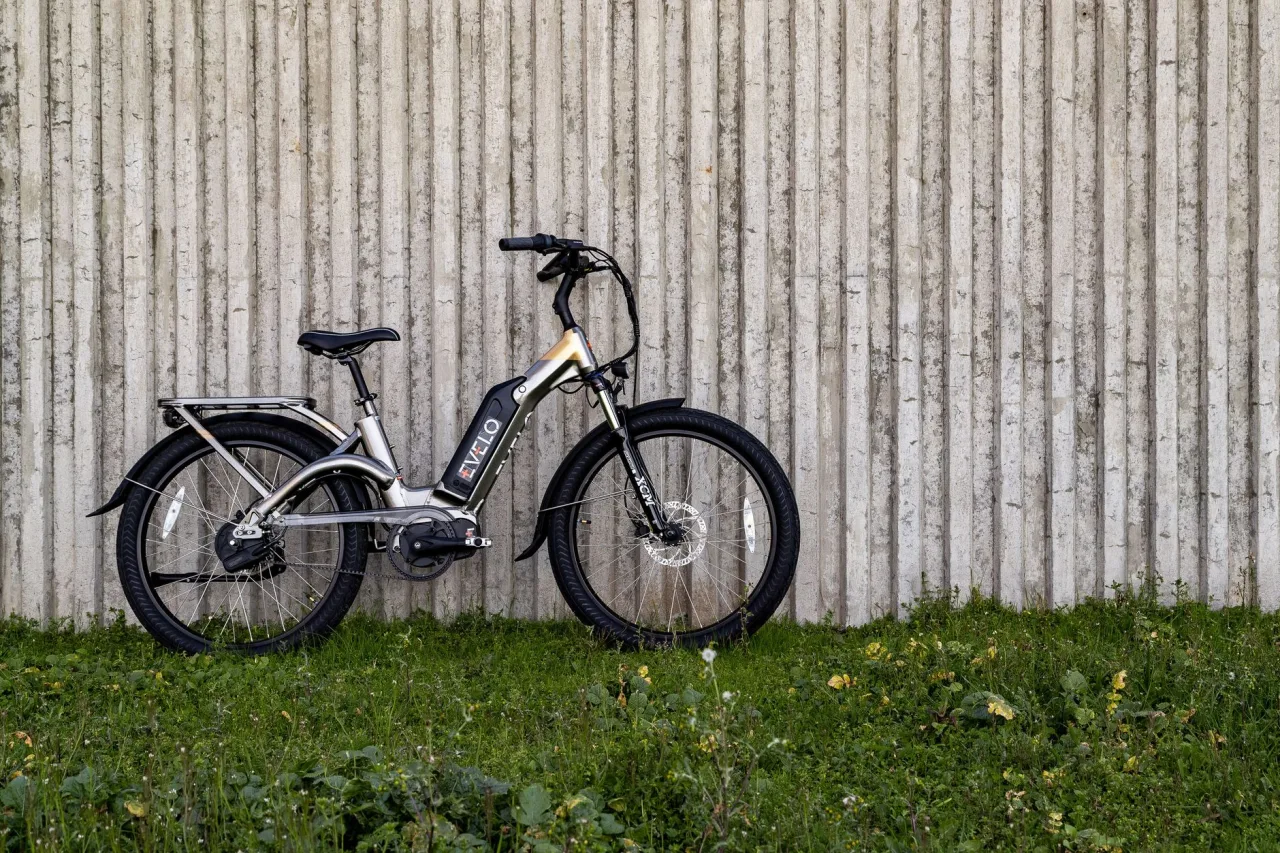
A bicycle transmits up to 99 percent of a rider's pedaling energy to the wheels, which makes it one of the most efficient machines humans have built. That efficiency is wasted if the bike falls apart. The most sustainable purchase is a well-made bike with standard, replaceable parts: a common drivetrain, tires you can find anywhere, and a frame built to last.
Ask before you buy whether parts are widely available and whether a local shop can service the bike for years. Proprietary components and unbranded motors can turn a small failure into a landfill decision. Durability is the quiet heart of an eco bike.
The same logic applies to how you treat the bike over its life. A frame that is easy to work on, uses standard bolt patterns, and accepts common tires can be kept going almost indefinitely with modest care. That longevity dwarfs any difference between frame materials on paper. Aluminum, steel, and carbon each have an environmental story, but the material matters far less than whether the bike is still being ridden in ten years instead of rusting in a shed. When you shop, ask which parts are consumable, how often they need replacing, and whether the shop can get them. A repairable bike is a sustainable bike, almost regardless of what it is made from.
Second hand: the greenest shortcut
Buying used avoids the emissions of manufacturing an entire new bike, which makes a good second-hand bike one of the most eco-friendly choices available. A quality older frame, given fresh tires, cables, and a tune-up, can serve for another decade. The trade-off is that you need to inspect carefully or bring a knowledgeable friend, and factor in refurbishment costs.
Our guide to buying second hand bikes covers how to inspect a frame, spot worn components, and judge a fair price. Extending the life of an existing bike, whether yours or someone else's, is often greener than any new purchase.
Riding and maintaining for lower impact
How you use and care for a bike shapes its footprint as much as the purchase does. A few habits stretch the good it does:
- Replace car trips first. Target short and medium journeys, where bikes are optimal and cars are least efficient.
- Maintain regularly. A clean, lubed drivetrain and correct tire pressure make the bike last longer and roll easier.
- Repair, do not replace. A worn chain or brake pad is cheap to swap; catching wear early saves whole components.
- Keep it, do not upgrade for its own sake. The emissions of a new bike take many rides to offset.
Consider your accessories and clothing through the same lens. Durable gear that lasts years is greener than cheap kit replaced every season, and a good lock that lets you leave the bike anywhere quietly encourages you to ride instead of drive. Even end-of-life matters: when a component finally wears out, metal parts are widely recyclable, worn tires and tubes can often be repurposed, and a battery at the end of its service should go to a proper recycling or take-back program rather than a bin. None of this requires perfection. Small, consistent choices, ridden out over years, add up to a genuinely low-impact way to get around.
If you are new to all of this and want the fundamentals of choosing and caring for any bicycle, start with our complete guide to bikes, then come back to layer on the eco choices.
Building an honest eco routine
The most sustainable cyclist is not the one with the greenest gear, but the one who rides often, keeps a good bike for years, and repairs rather than replaces. Pick a durable bike that fits, use it to displace car trips, service it regularly, and consider used over new. Do those things and the environmental benefit takes care of itself, no special label required.
Frequently asked questions
What exactly is an eco bike?
There is no official standard, so "eco bike" is best understood as a goal rather than a product label. A bike is eco-friendly to the degree that it replaces higher-impact travel, lasts a long time, and can be repaired instead of discarded. In practice, the greenest bike is usually the durable one you actually ride and keep riding.
Are electric bikes really eco-friendly given their batteries?
Yes, on balance. Electric bikes keep life-cycle emissions low, and the electricity to charge them is tiny compared with burning fuel. Because the motor extends the range and hills a rider can handle, an e-bike replaces car trips a standard bike never would, and getting out of a car is where the real environmental win comes from.
How much lower is cycling's carbon footprint than driving?
Cycling is a very low carbon-intensity form of travel, with average emissions of roughly 17 grams of carbon dioxide equivalent per kilometer, far below a typical car trip. Electric bikes perform similarly well across their life cycle, and both eliminate tailpipe pollution at the point of use.
Is buying a second-hand bike more eco-friendly than a new one?
Often yes. Buying used avoids the emissions of manufacturing an entire new bike, and a quality older frame with fresh tires and a tune-up can last another decade. The trade-off is that you need to inspect carefully and budget for refurbishment, but extending an existing bike's life is usually greener than any new purchase.
What is the single best way to make my cycling greener?
Replace car trips. The most useful measure of eco impact is how many car journeys a bike takes off the road each week, especially short and medium distances where cars are least efficient. Maintaining the bike well and keeping it for years, rather than upgrading often, multiplies the benefit.
More guides on Electric Bikes
Have a question or a topic to suggest?
We read every message. Tell us what you would like to see next on the blog.
Get in touchYou may also like
Electric Bike: The Complete Guide
Everything you need before buying an e-bike: how the motor and classes work, hub versus mid-drive, battery range, the main types, and what a good electric bike really costs.

Second Hand Bikes: Complete Guide
Buy a used bike with confidence: where to look, how to inspect frame, drivetrain and brakes, what to check on a used e-bike, and how to avoid stolen bikes and overpaying.
Electric Cycle: The Complete Guide
An electric cycle adds a battery, motor, and controller to a normal bike. Here are the types, the specs that matter, realistic prices, and how to pick well.