Local Bike Shops
Bike Shop Near Me: Find Trusted Shops
How to spot a trustworthy local shop, what repairs really cost, and the questions to ask before you hand over your bike.
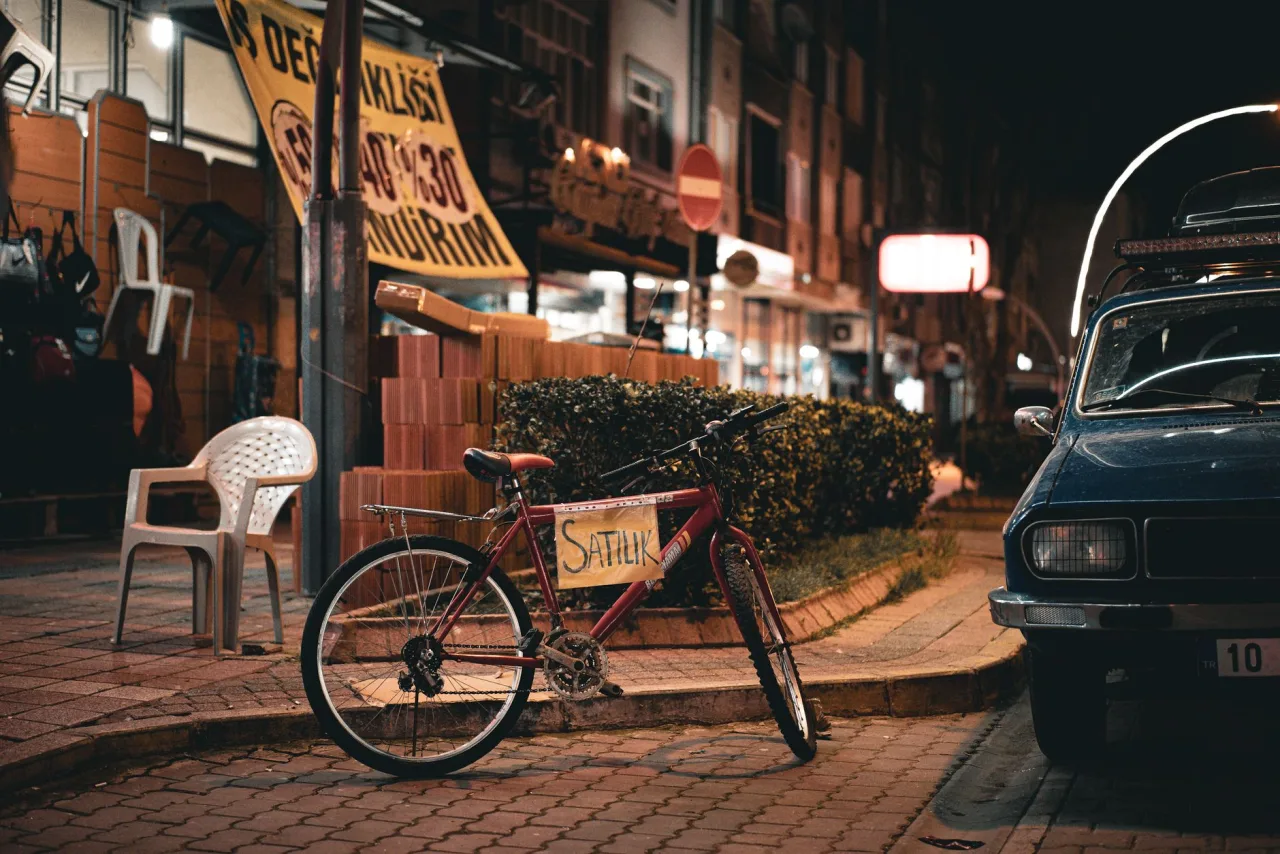
Searching for a "bike shop near me" is easy. Finding one you can trust with a 1,000 dollar bike and your Saturday morning ride is the harder part. This guide shows you how to size up a local shop before you hand over any money, what routine services should roughly cost, and the exact questions that separate a great mechanic from a parts-swapper.
The short version
- A good local bike shop earns trust through clear pricing, honest diagnosis, and a willingness to explain repairs, not through the flashiest showroom.
- Read recent reviews for patterns (repeat mechanics, turnaround time, warranty support) rather than a single star rating.
- Expect a basic tune-up to land somewhere in the 60 to 120 dollar range and a full overhaul higher; always confirm the quote locally before work starts.
- Test a shop with a small job first, a flat repair or brake adjustment, before trusting it with a full build or expensive bike.
What a local bike shop actually does
A bike shop is a business that specializes in bicycle sales, maintenance, parts, and accessories, ranging from small independent retailers to larger chain stores. Beyond selling complete bikes, most shops offer repair and maintenance by trained mechanics, expert fitting and custom builds, and often group rides or classes for their community. Some run self-service work areas where you can use a stand and tools for a small fee.
Many shops specialize. One may focus on road racing and triathlon, another on mountain biking or BMX, and some carry niche formats like tandems, recumbents, and folding bikes. Knowing a shop's focus helps you match it to your riding. A dedicated mountain bike shop will set suspension sag correctly out of habit, while a commuter-focused store will know which tires shrug off winter glass.
How to judge a shop before you walk in
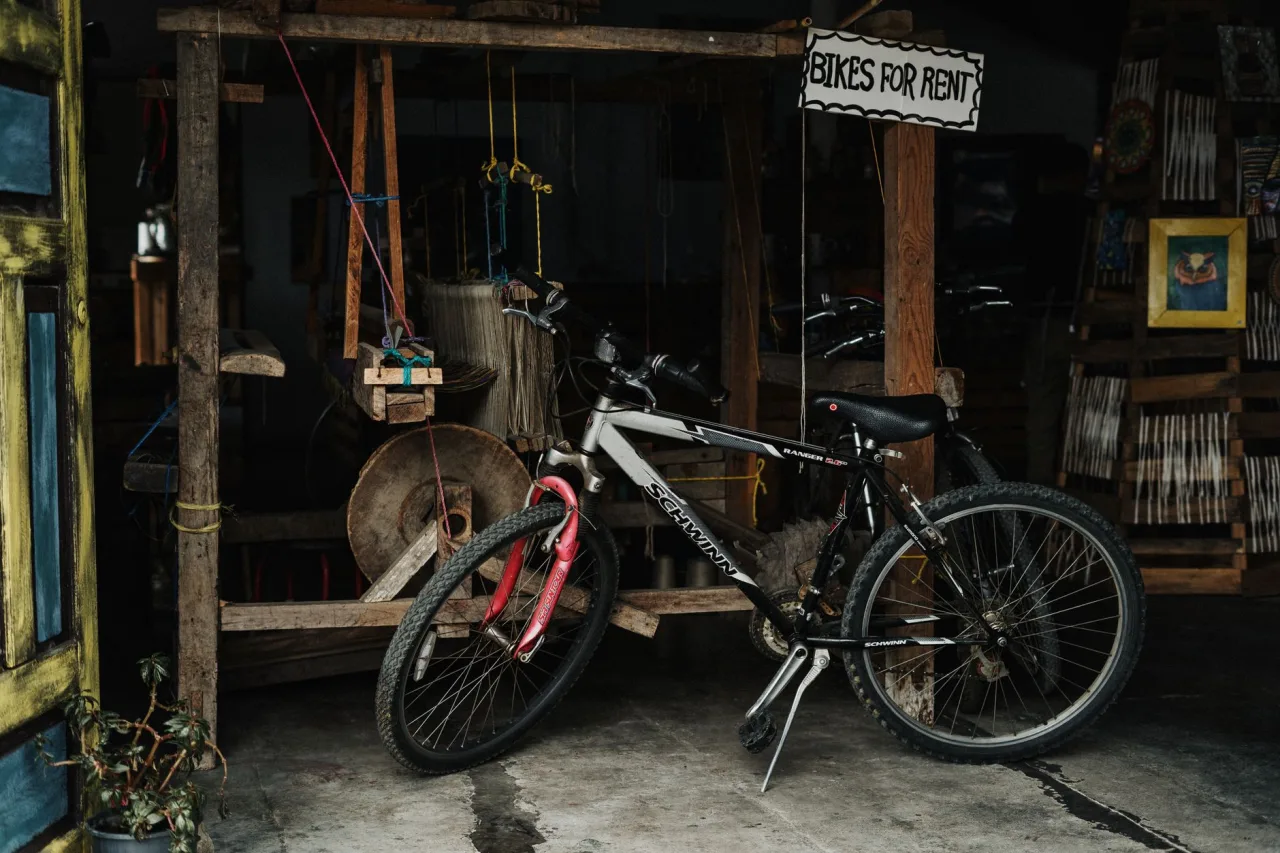
You can learn a lot without leaving your phone. Start with the shop's own website and its recent reviews, then look for signals that a place is run by riders rather than a checkout counter.
- Review patterns, not scores. Ten reviews mentioning the same mechanic by name is a stronger signal than a 4.9 average. Watch how the shop responds to criticism.
- Brand partnerships. Authorized dealers for brands like Trek, Specialized, Giant, or Cannondale have completed manufacturer training and can honor warranties. That matters when something goes wrong.
- Service transparency. Shops that publish a service menu with prices tend to quote fairly. Vague "call us" pricing is not a red flag by itself, but a clear menu is a green one.
- Turnaround honesty. A shop that tells you "two weeks in spring" is being straight with you. One that promises same-day in peak season may be overbooking.
Questions to ask on your first visit
Walk in with a short mental checklist. The answers, and how willingly they are given, tell you almost everything.
- Can you walk me through what this repair involves and why? A good mechanic explains; a weak one just quotes.
- Do you offer a written estimate before starting work? Yes should be automatic for anything beyond a quick adjustment.
- What is your labor rate and typical turnaround right now? This sets expectations honestly.
- Are you an authorized dealer for the brand I ride? This affects warranty and parts sourcing.
- Do you offer a fit service, and is it included with a new bike purchase? Fit is where comfort and injury prevention live.
Tip: bring the bike, not just the story
Describing a "clicking noise near the pedals" over the phone rarely leads to an accurate quote. A five minute in-person look nearly always does. If a shop diagnoses confidently over the phone without seeing the bike, treat the number as a rough guess, not a promise.
What common services should roughly cost
Prices vary widely by region, shop overhead, and the parts involved, so treat these as broad ranges and confirm locally before authorizing work. Labor is usually separate from parts, and premium components raise the total quickly.
- Flat tire or tube replacement: often in the 15 to 30 dollar range for labor, plus the tube.
- Basic tune-up (brake and gear adjustment, lube, safety check): commonly 60 to 120 dollars.
- Full tune-up or overhaul (drivetrain clean, bearing service, full adjustment): frequently 120 to 250 dollars or more.
- Professional bike fit: anywhere from 75 for a basic session to several hundred for a full motion-capture fit.
If a quote comes in far above these ranges, ask what is driving the cost. Sometimes it is a genuinely worn drivetrain that needs a new chain, cassette, and chainrings. Sometimes it is padding. A trustworthy shop will show you the worn parts.
It also helps to understand why prices differ between shops in the same city. A store in a high-rent district carries more overhead, and a shop that stocks premium brands invests in trained staff and dealer certifications. Neither means you are being overcharged. What you are paying for is the combination of expertise, parts availability, and accountability. The cheapest quote in town is not a bargain if the work has to be redone, and the most expensive is not automatically better. Judge value by the whole package: clear communication, a fair diagnosis, and work that holds up over the next few hundred miles.
Independent shop, chain store, or online
Each buying channel has honest trade-offs, and the best choice depends on what you value. For a broader look at the differences, see our companion guide on how to find and vet a trusted bike shop.
- Independent local shops usually offer the deepest expertise, personal fit service, and long-term relationships, sometimes at slightly higher sticker prices.
- Chain stores can offer competitive pricing and consistent hours, though mechanic experience varies by location.
- Online retailers win on price and selection but ship bikes partly assembled, so you will still want a local shop for final setup and future service.
Many riders blend these: buy a well-priced bike wherever it makes sense, then build a relationship with one nearby shop for service. If you are weighing a used purchase, our guide to buying second hand bikes covers inspection and pricing.
Building a relationship that pays off
The real value of a local shop shows up over years, not in a single transaction. Regulars get honest advice, priority in busy season, and the occasional quick adjustment at no charge. You earn that standing by being an easy customer: describe problems clearly, do not haggle over fair labor, and book routine service in the off-season rather than the first warm weekend of spring.
Start small. Bring in a flat or a squeaky brake before you trust a shop with a full drivetrain rebuild. If the small job is done well, communicated clearly, and priced fairly, you have found your shop. If you need dedicated repair help, our directory-style guide to finding a repair-focused bicycle shop goes deeper on service-only stores.
Matching the shop to the bike you want
Before you shop, know roughly what you are after, because the right store depends on it. If you are leaning toward assisted riding, a shop with a strong service department matters even more, since e-bikes need trained handling of motors and batteries. Our complete guide to electric bikes explains the categories so you can walk in informed. Whatever you buy, a shop that listens to how and where you ride, then recommends accordingly, is worth more than one pushing this month's promotion.
Frequently asked questions
How do I find a genuinely good bike shop near me?
Start with recent reviews and look for patterns rather than a single star rating, such as repeat praise for a named mechanic, honest turnaround times, and clear pricing. Confirm the shop is an authorized dealer for the brands you care about, then test it with a small job like a flat repair before trusting it with expensive work.
How much does a basic bike tune-up cost?
A basic tune-up commonly falls in the 60 to 120 dollar range for labor, while a full overhaul can run 120 to 250 dollars or more depending on parts. These are broad ranges that vary by region and shop, so always confirm the quote locally before authorizing any work.
Is a local independent shop better than a chain or online store?
Each has trade-offs. Independent shops usually offer the deepest expertise and personal fit service, chain stores offer competitive pricing and consistent hours, and online retailers win on price and selection but ship bikes only partly assembled. Many riders buy where it makes sense, then use one nearby shop for setup and ongoing service.
What questions should I ask a bike shop before paying for a repair?
Ask them to explain what the repair involves and why, request a written estimate before work starts, confirm the labor rate and current turnaround, and check whether they are an authorized dealer for your bike's brand. Willing, clear answers are a strong sign of a trustworthy shop.
Do I need to buy my bike from the shop that services it?
No. Most shops happily service bikes they did not sell, though authorized dealers can handle warranty work more smoothly for their partner brands. Building a relationship with one nearby shop for regular service pays off regardless of where you bought the bike.
More guides on Bike Shops & Services (Local)
Have a question or a topic to suggest?
We read every message. Tell us what you would like to see next on the blog.
Get in touchYou may also like
Bike Shop: Find Trusted Local Shops
A buyer's guide to bike shops: the three kinds of store, how to judge the service department, why authorized dealers matter, and getting lasting value.
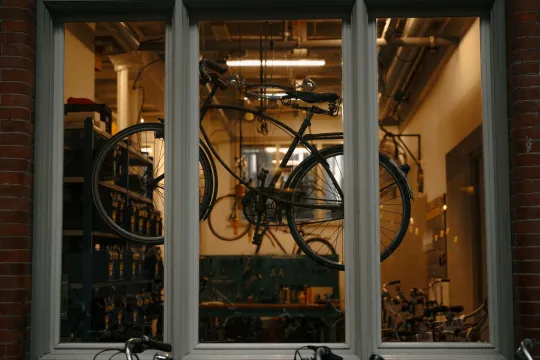
Repair Bicycle Shop Near Me
Find a trusted local bike repair shop with confidence: how to vet mechanics, what common fixes cost, the questions to ask at drop-off, and when to fix it yourself.
Bikes Near Me: Local Shop Guide
Turn a bikes near me search into a confident purchase: vet local shops before you visit, make the test ride count, weigh local versus online, and time your buy for the best deal.