Lock Guide · Gear & Accessories
Bike Lock: The Complete Guide
Lock types, security ratings, and a technique that protects your bike better than the lock alone.
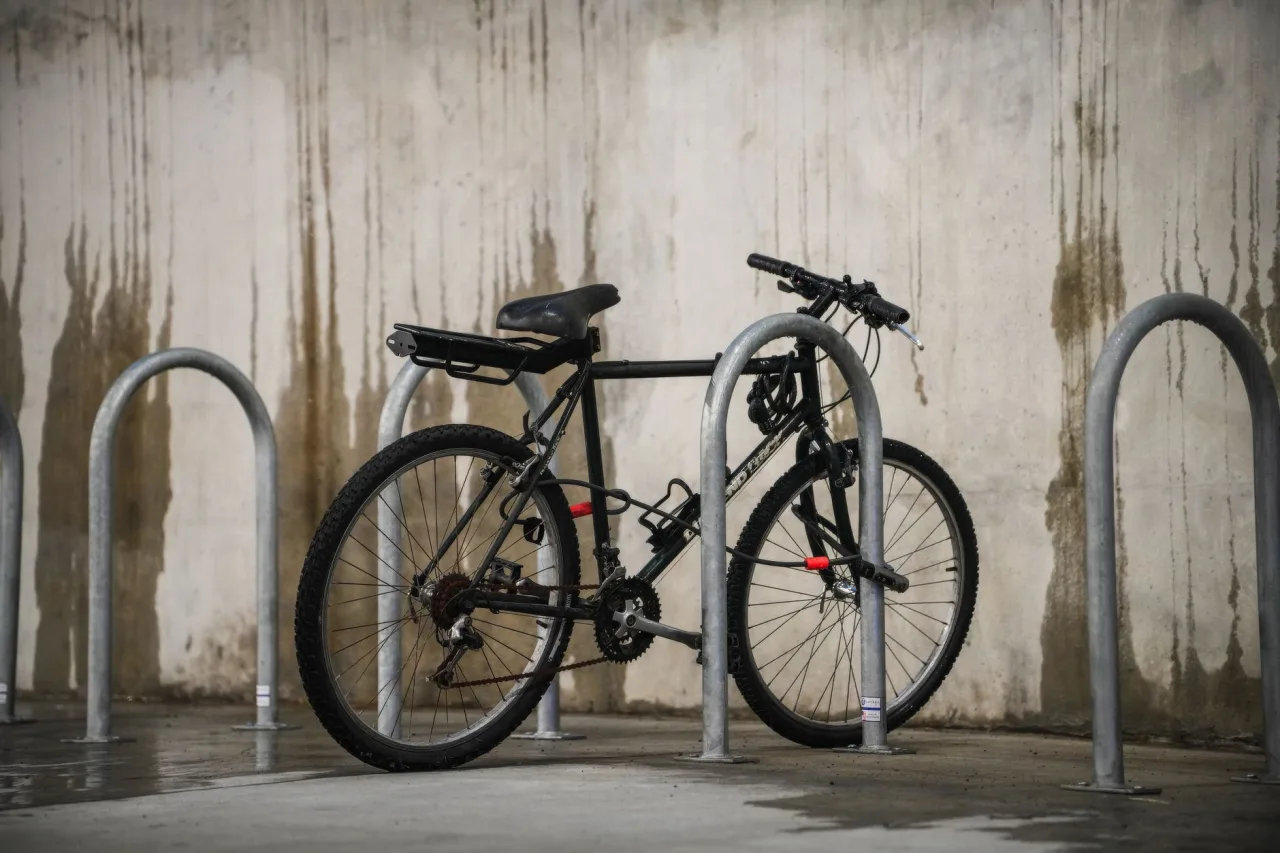
A bike lock is the cheapest insurance you will ever buy, and the most misunderstood. The uncomfortable truth is that no lock is theft-proof: the goal is to be slower and more annoying to defeat than the bikes around you. This guide covers the real lock types, how security ratings work, and a locking strategy that actually protects your bike.
The short version
- The four main lock types are U-locks (D-locks), chains, cables, and folding locks. U-locks and hardened chains offer the most real security.
- Cable locks are light and cheap but can be cut in seconds. Treat them as a deterrent or a secondary lock, never your only lock.
- Independent testing has shown many certified locks can be defeated in under a minute, so technique matters as much as the lock itself.
- Budget roughly 30 to 130 US dollars for a lock worth trusting, and more for high-security models. Prices vary, so confirm locally.
Why the lock is only half the story
Most stolen bikes are not defeated by a master thief. They are grabbed because they were locked badly: to a flimsy object, by the front wheel only, or with a cable that a hand tool cuts instantly. A good lock used carelessly protects nothing, and a modest lock used well protects a lot. Get both right.
According to Wikipedia's bicycle lock overview, one magazine test found that a range of certified locks could each be broken in under 42 seconds, and inexpensive consumer locks fell in as little as 10 seconds using common tools. That is not a reason to skip a lock. It is a reason to buy a serious one and lock smart.
The four lock types, honestly compared
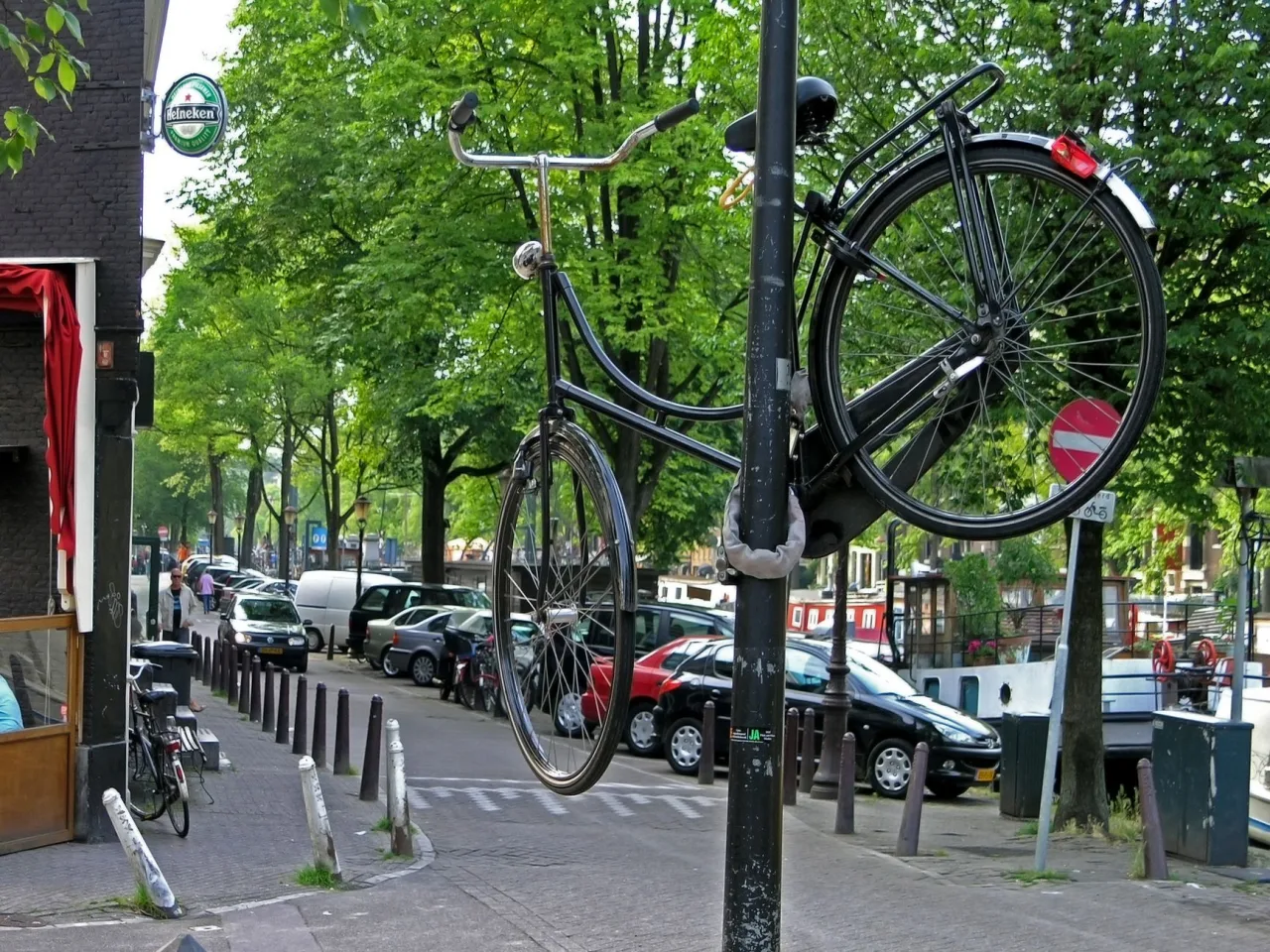
- U-lock (D-lock): A rigid metal shackle shaped like a U. It resists bolt cutters and leverage attacks far better than cable, and it is the default recommendation for city riders. The trade-off is weight and limited reach, so you need to park close to the anchor.
- Chain lock: A hardened chain with a padlock or integrated lock. Good chains rival U-locks for security and wrap around awkward anchors, but heavy-duty chains are heavy. Remember the chain is only as strong as its weakest link, so cheap chains are easy targets.
- Folding lock: Linked steel plates on rivets that fold flat for carrying. They offer flexibility close to a U-lock with more reach. Wikipedia notes folding locks typically run about 75 to 110 cm long and weigh roughly 890 to 2,300 grams.
- Cable lock: Flexible braided wire. Light, cheap, and easy to route through wheels, but simple cables cut in seconds. Best used as a secondary lock to secure wheels while a U-lock holds the frame.
Buyer tip
- Look for an independent security rating such as Sold Secure (Bronze, Silver, Gold, Diamond) or ART. These ratings reflect timed attack testing, so a Gold or Diamond lock is genuinely harder to beat than an unrated one at the same price.
How to actually lock your bike
The lock is the tool. Technique is the skill. Sheldon Brown's classic lock strategy guide makes the point that layered defence beats any single lock, because each lock type forces the thief to carry a different bulky tool.
- Lock the frame, not just a wheel. Pass the U-lock through the rear triangle and rear wheel so the bike is unrideable even if the wheel is removed. Capturing the frame plus a wheel is the sweet spot.
- Choose a solid, immovable anchor. A proper bike rack or a cast-in post, not a signpost that lifts out of the ground or a slim rail that bolt cutters swallow.
- Fill the space inside the U. The less empty room in the shackle, the less leverage a jack or bar has to pop it.
- Use two lock types. A U-lock on the frame and rear wheel plus a cable through the front wheel means the thief needs two different tools.
- Point the keyhole down to keep water out, and secure quick-release wheels or swap them for locking skewers.
Take anything easily removed with you: lights, pumps, saddlebags, and a computer. On an electric bike, remove or lock the battery too, since a battery is a high-value theft target on its own.
Matching the lock to the risk
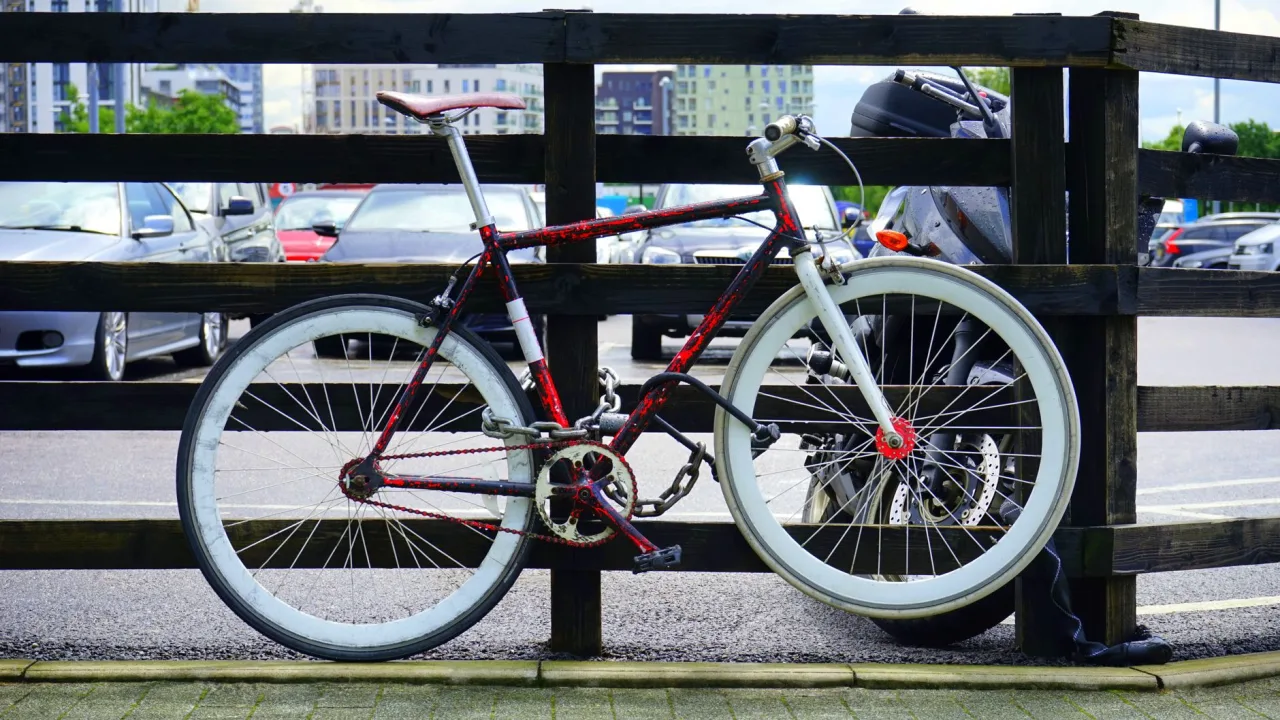
You do not need a Diamond-rated lock to park outside a quiet cafe for five minutes, and a cheap cable is reckless for an expensive bike left overnight at a city station. Match the spend to the exposure.
- Low risk, short stops in quiet areas: a mid-tier U-lock or a good folding lock.
- City commuting, daily street parking: a Sold Secure Gold U-lock plus a secondary cable, or a hardened chain.
- High-value bike or high-theft city: a Diamond or Gold rated heavy chain or U-lock, and ideally do not leave it outside overnight at all.
Think of the lock as part of your overall kit, alongside lights and a pump. Our cycling gear guide covers how the essentials fit together, and if you also transport your bike by car, a good bike rack keeps it secure in transit.
Realistic bike lock prices in 2026
Prices vary by brand, rating, and region, so treat these as ranges and confirm locally.
- Basic cable lock (secondary use only): roughly 10 to 25 US dollars.
- Decent U-lock or folding lock: roughly 30 to 70.
- High-security U-lock or hardened chain (Gold/Diamond): roughly 70 to 130 plus.
- Smart or alarmed locks: vary widely, often 80 to 200 plus.
Trusted lock brands include Kryptonite, Abus, Hiplok, and OnGuard, among others. As a rough rule, spend around 10 to 20 percent of the bike's value on a lock. For any bike worth more than a couple of hundred dollars, a rated lock is money well spent. Local shops can show you how a lock mounts to your frame and confirm it fits your rack.
Warning
- Never lock only the front wheel to the rack. A quick-release front wheel pops off in seconds, and thieves happily walk away with the whole frame, leaving you the wheel. Always capture the frame.
When your lock has done its job
Register your bike's serial number and photograph it, so that if a lock is ever defeated you can report and identify the bike. If you buy a used bike, ask about the serial and history first. Our second hand bikes guide explains how to avoid unknowingly buying stolen goods. A lock protects your bike; a record protects your ability to recover it.
Frequently asked questions
What is the most secure type of bike lock?
A high-quality U-lock (D-lock) or a hardened security chain offers the most real-world protection, because both resist bolt cutters and leverage attacks better than cable. Look for an independent rating such as Sold Secure Gold or Diamond. Cable locks are the least secure and should only be a secondary lock.
Are cable locks safe to use?
Simple cable locks can be cut in seconds with common hand tools, so they are not safe as your only lock. Use a cable as a secondary lock to secure a front wheel while a U-lock or chain holds the frame and rear wheel. For any valuable bike, rely on a U-lock or hardened chain.
How much should I spend on a bike lock?
A useful rule is to spend about 10 to 20 percent of the bike's value on a lock. In practice that means roughly 30 to 70 US dollars for a decent U-lock and 70 to 130 or more for a high-security lock. Prices vary by brand and region, so confirm current pricing locally.
How do I lock my bike so it will not get stolen?
Lock the frame and rear wheel to a solid, immovable anchor using a U-lock, fill the empty space inside the shackle, and add a cable through the front wheel. Point the keyhole down, secure quick-release wheels, and take lights and accessories with you. Using two different lock types forces a thief to carry two tools.
Can any bike lock be broken?
Yes. Testing has shown that even certified locks can be defeated by determined thieves with the right tools, sometimes in under a minute. The goal is not an unbreakable lock but a slow, awkward target, so a serious lock plus good technique makes your bike a poor choice compared to easier bikes nearby.
More guides on Gear & Accessories
Have a question or a topic to suggest?
We read every message. Tell us what you would like to see next on the blog.
Get in touchYou may also like
Bike Racks: The Complete Guide
Car carriers and home storage racks explained: hitch, trunk and roof types, e-bike weight limits, and how to move and store bikes safely.
Cycling Gear: The Complete Guide
The right cycling gear keeps you safe, comfortable, and your bike secure. Here are the essentials, from helmet to lock, and what actually matters.
Second Hand Bikes: Complete Guide
Buy a used bike with confidence: where to look, how to inspect frame, drivetrain and brakes, what to check on a used e-bike, and how to avoid stolen bikes and overpaying.