Electric Bikes
Best Cheap Electric Bike 2026
Real budget tiers, the spec checklist that actually matters, battery safety, and how to match a value e-bike to your ride without regret.
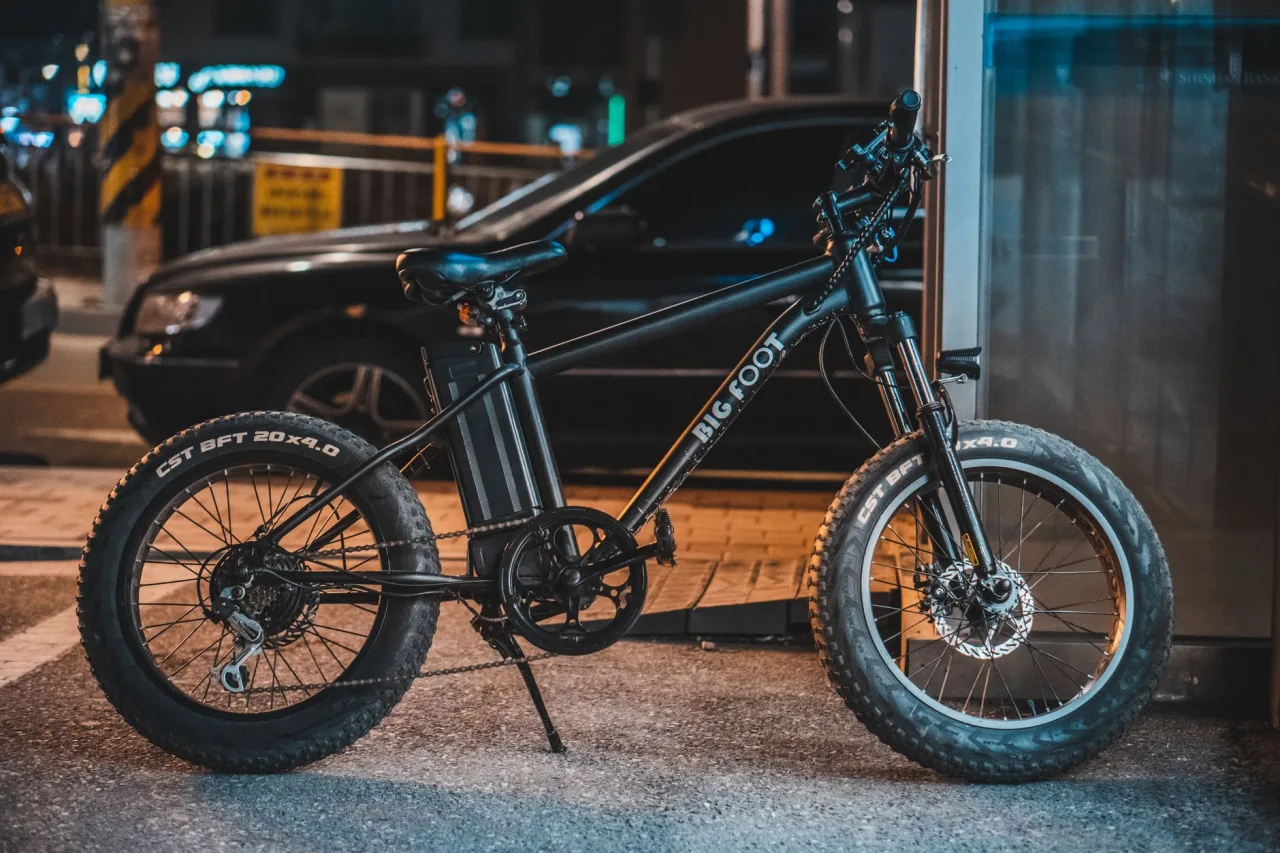
Cheap and electric used to be a contradiction, but in 2026 there are genuinely usable e-bikes at prices that would have bought only a battery a few years ago. The catch is that the cheapest bikes cut corners in places you cannot always see. This buyer's guide skips the fake leaderboard and instead gives you honest budget tiers, a clear spec checklist, and the questions that separate a bargain from a regret.
The short version
- A trustworthy budget e-bike generally starts around 900 to 1,500 US dollars, with anything far below that needing careful scrutiny. Prices vary by region and retailer, so confirm locally.
- The battery, brakes, and motor are where cheap bikes cut corners, so judge those before anything else.
- Buy on genuine specification and safety certification, not on the headline range number, which is almost always optimistic.
- A test ride from a local shop is worth more than any online review, because fit and feel decide whether you actually ride the bike.
What counts as cheap in 2026
Cheap is relative, so it helps to anchor the word. Full price e-bikes from established brands often run well over 2,000 US dollars, so anything meaningfully below that starts to feel like a budget buy. The floor for something you can trust sits considerably higher than the very lowest prices online, where corners get cut in ways that cost you later.
As a rough map of the market in 2026, expect these bands, all approximate and subject to your region and retailer:
- Under 800 USD: the risk zone. Some usable bikes exist, but many skimp on battery quality, brakes, and after sales support.
- 900 to 1,500 USD: the value sweet spot, where reputable budget models offer real quality without the premium badge.
- 1,500 to 2,000 USD: upper budget, often adding better brakes, a smoother motor, and a longer range.
For a wider view of how these numbers are built, our guide to electric bike prices breaks down each component's contribution, and the general bicycle price guide puts e-bikes in context against ordinary bikes.
Where cheap e-bikes cut corners
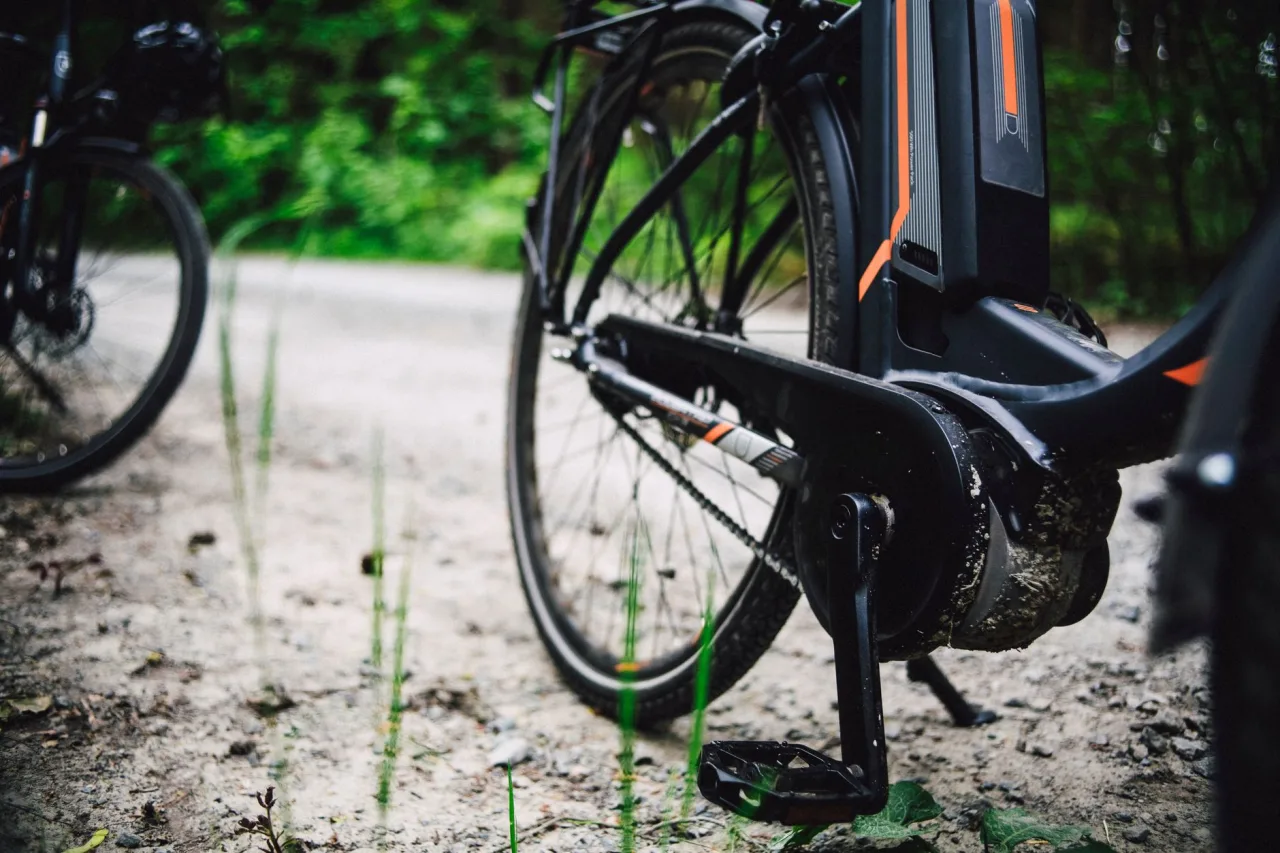
Every budget bike saves money somewhere. The skill is making sure it saves in places that do not matter and not in the parts that keep you safe or that you cannot cheaply replace.
- Battery cells: the single biggest cost. Cheaper packs may use lower grade cells that lose range faster and carry a higher fire risk if uncertified.
- Brakes: mechanical disc or rim brakes are common at the low end. They work, but hydraulic discs stop far better, especially in the wet.
- Motor smoothness: budget hub motors are reliable but can feel abrupt, while pricier mid drive systems assist more naturally.
- Finishing and support: cheaper bikes often arrive part assembled with thin instructions and limited spares.
None of these are automatically dealbreakers. A commuter on flat roads may be perfectly happy with a hub motor and mechanical brakes. The point is to know what you are trading away so the price makes sense for your riding.
Safety first: On any budget e-bike, prioritise a battery and charger that carry a recognised safety certification. Battery fires are rare but serious, and reputable certification is one corner that should never be cut, no matter how tight the budget.
The spec checklist that actually matters
Marketing pages bury the useful numbers under buzzwords. Focus on this short list and you can compare any two bikes fairly, regardless of brand.
- Battery capacity: measured in watt hours. More generally means more range, and it is a fairer comparison than the marketing range figure.
- Motor rating: commonly around 250 watts where assistance is capped at that level, which suits city riding and gentle hills.
- Brake type: hydraulic disc is best, mechanical disc is acceptable, and rim brakes are the most basic.
- Weight: matters if you carry the bike or store it upstairs.
- Certification: look for recognised safety marks on the battery and charger.
Notice that the headline range in miles is missing from the top of this list. That is deliberate, because range claims are measured in ideal conditions and rarely reflect a real ride with hills, wind, and a normal rider. Treat range as a rough guide, not a promise.
Matching the bike to your ride
The best cheap e-bike is the one that fits your actual journeys, not the one with the biggest numbers. A little honesty about how you will ride narrows the field fast.
- Short flat commute: a basic hub motor city e-bike is plenty, and you can spend at the lower end.
- Hilly area: prioritise a stronger motor and, ideally, a mid drive, even if it means fewer other features.
- Tight storage: consider a folder, covered in our folding electric bike guide and the related foldable electric bike guide.
- Longer rides: spend on battery capacity, since range is the hardest thing to add later.
If the bike is for an older or less confident rider, comfort and an upright position matter more than speed. And if new prices still feel steep, a carefully checked used bike can stretch a budget further.
New cheap versus good used
A budget of, say, 1,000 US dollars buys a new entry level e-bike or a lightly used mid range one. Both are valid, and the right call depends on how confident you feel inspecting a used bike and its battery.
A new budget bike gives you a warranty and a fresh battery with full life ahead of it. A used mid range bike gives you better brakes, a smoother motor, and nicer finishing for the same money, but the battery has already aged, and battery health is the hardest thing to judge from the outside. On any used e-bike, ask about the battery's age and charge history, and treat a very cheap price on an old battery as a warning rather than a win.
A careful inspection routine, covering the battery age, charge history, brakes, and drivetrain, is essential on any used e-bike. Whichever route you take, buying somewhere you can return to is a quiet form of insurance.
Where to buy and test ride
Online prices tempt with lower numbers, but a cheap e-bike is exactly the kind of purchase that benefits from a test ride and a human to help. Fit, reach, and how the assistance feels are impossible to judge from a screen, and a poorly fitting bike is a bike you stop using.
A local shop lets you ride before you buy, assembles the bike correctly, and is there when something needs adjusting. That support is worth a modest premium over the cheapest online listing, especially on your first e-bike. To find a shop worth trusting, see our directory guidance on choosing a local bike shop, and never skip the test ride, however good the online deal looks.
Watch out: If a listing hides the battery specification, offers no certification details, and quotes an unusually large range for a very low price, treat all three together as a strong signal to walk away. Cheap is fine, unaccountable is not.
Frequently asked questions
How much should I spend on a cheap electric bike?
A trustworthy budget electric bike generally starts around 900 to 1,500 US dollars in 2026, with anything far below that needing careful scrutiny of the battery, brakes, and support. Spending in this range usually buys recognised safety certification and components that last, while the very cheapest bikes often cut corners you cannot easily fix. Prices vary by region and retailer, so confirm current figures locally.
Are cheap electric bikes any good?
Many budget electric bikes are genuinely usable, especially for short, flat commuting, but quality varies widely. The battery, brakes, and motor are where cheap bikes cut corners, so judge those before the price. A cheap bike from a reputable seller with a certified battery is a fair buy, while an unaccountable bargain with no certification is a risk.
What should I check before buying a budget e-bike?
Focus on battery capacity in watt hours, motor rating, brake type, weight, and recognised safety certification on the battery and charger. Treat the headline range in miles as a rough guide rather than a promise, since it is measured in ideal conditions. A test ride to check fit and feel is worth more than any online review.
Is it better to buy a new cheap e-bike or a used mid range one?
Both can be good value. A new budget bike gives you a warranty and a fresh battery with full life ahead, while a used mid range bike offers better brakes and a smoother motor for the same money but an aged battery. Because battery health is hard to judge from outside, ask about a used battery's age and charge history before buying.
Why is the real range less than advertised?
Manufacturer range figures are measured in ideal conditions, so real world range is usually lower once you add hills, wind, a normal rider weight, and heavier use of the assistance. Battery capacity also fades over years of charging. Size the battery for your longest regular trip with a comfortable margin rather than trusting the headline number.
For background on how e-bike motors, classes, and batteries work, the Wikipedia electric bicycle article is a reliable, brand neutral reference, and the general bicycle overview puts e-bikes in context.
More guides on Electric Bikes
Have a question or a topic to suggest?
We read every message. Tell us what you would like to see next on the blog.
Get in touchYou may also like
Electric Bike Price: Real Numbers 2026
A clear-eyed breakdown of electric bike prices in 2026: realistic price tiers, what the battery and motor really cost, new versus used, depreciation and how to avoid overpaying.
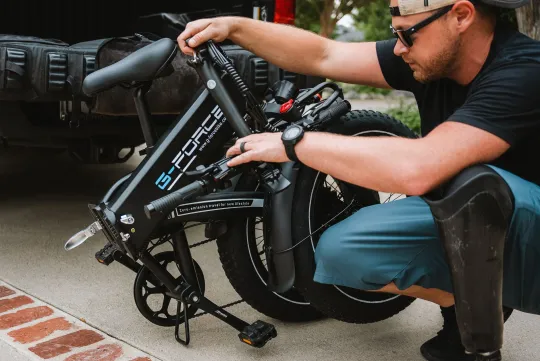
Folding Electric Bike Guide
A folding electric bike adds power to your commute without needing a shed or a bike rack. Here is how they work, the trade-offs that define them, and what to check before buying.
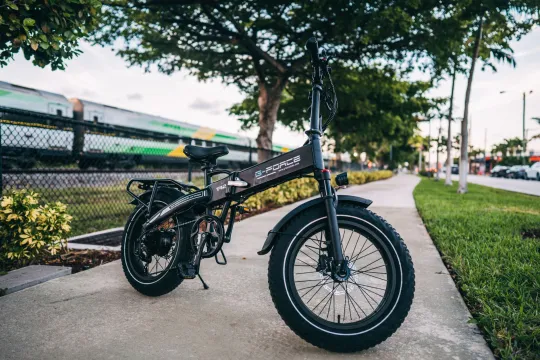
Foldable Electric Bike Guide
Should your next e-bike fold? This decision-first guide covers the lifestyles a foldable electric bike fits, the compromises you accept, and how to know if it is right for you.