Bike Racks · Gear & Accessories
Bike Racks: The Complete Guide
Hitch, trunk and roof car carriers plus home storage racks, with the weight limits that matter most.
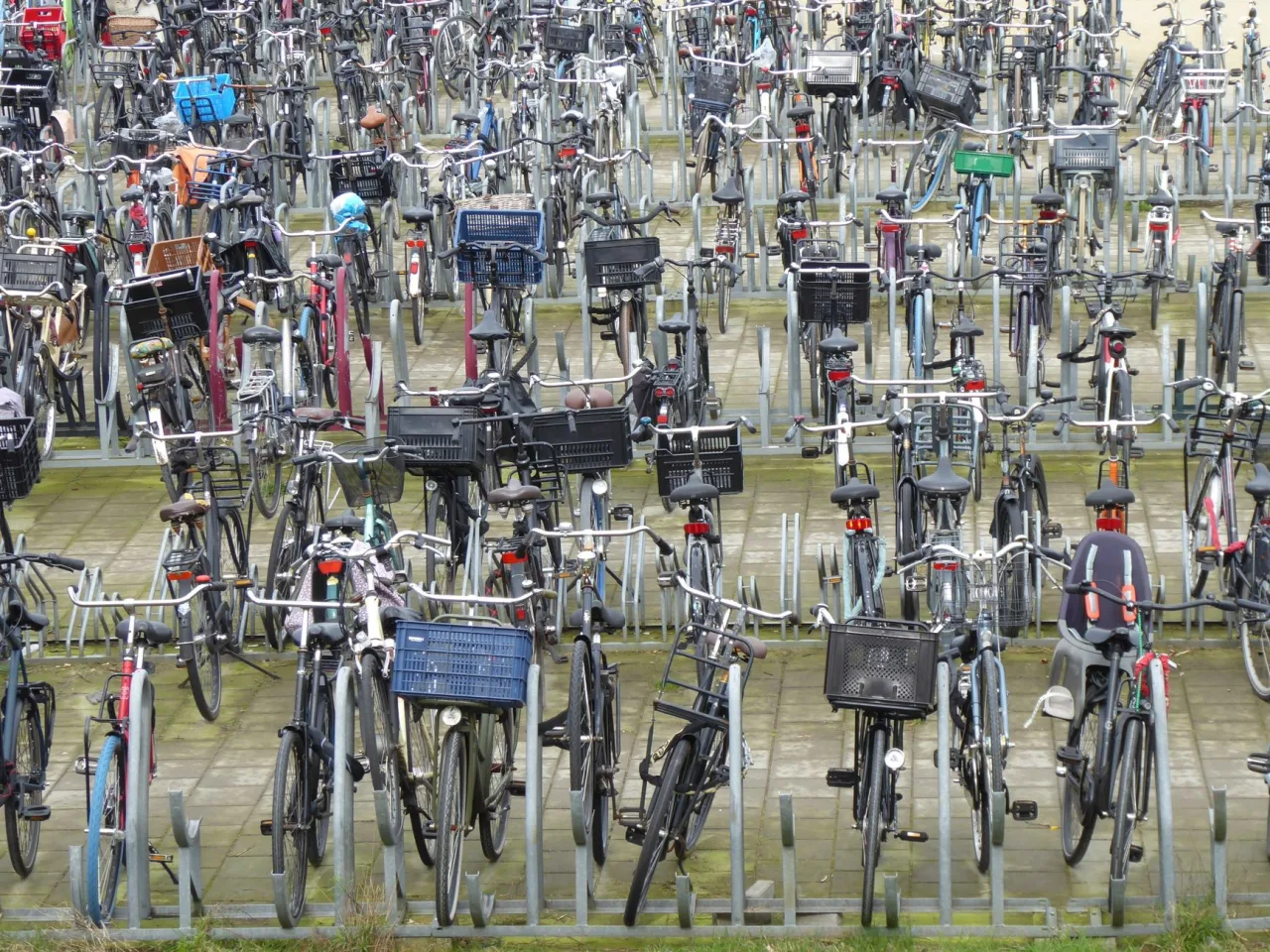
"Bike rack" means two very different things: the car-mounted carriers that let you drive your bikes to a trailhead, and the storage and parking racks that hold bikes at home or in public. This guide covers both, so you can move your bikes safely and store them without turning your garage into an obstacle course.
The short version
- Vehicle bike racks come in three main styles: hitch-mounted, trunk (strap) mounted, and roof-mounted. Each suits a different vehicle and budget.
- Hitch racks are the easiest to load and best for heavy bikes and e-bikes, but they need a tow hitch. Trunk racks are cheapest and most universal.
- Storage racks include floor stands, wall hooks and hangers, and freestanding gravity or vertical racks.
- Expect roughly 40 to 250 US dollars for a trunk rack and 150 to 800 plus for a quality hitch rack. Prices vary, so confirm locally.
Two meanings of "bike rack"
When people search "bike racks" they usually want one of two things: a way to carry bikes on a car, or a way to store bikes at home. We will cover vehicle carriers first, since choosing the wrong one is an expensive and sometimes unsafe mistake, then move on to storage. Wikipedia's bicycle carrier overview confirms the three main vehicle mounting positions: roof, rear trunk, and rear tow hitch.
Vehicle bike racks: the three main types
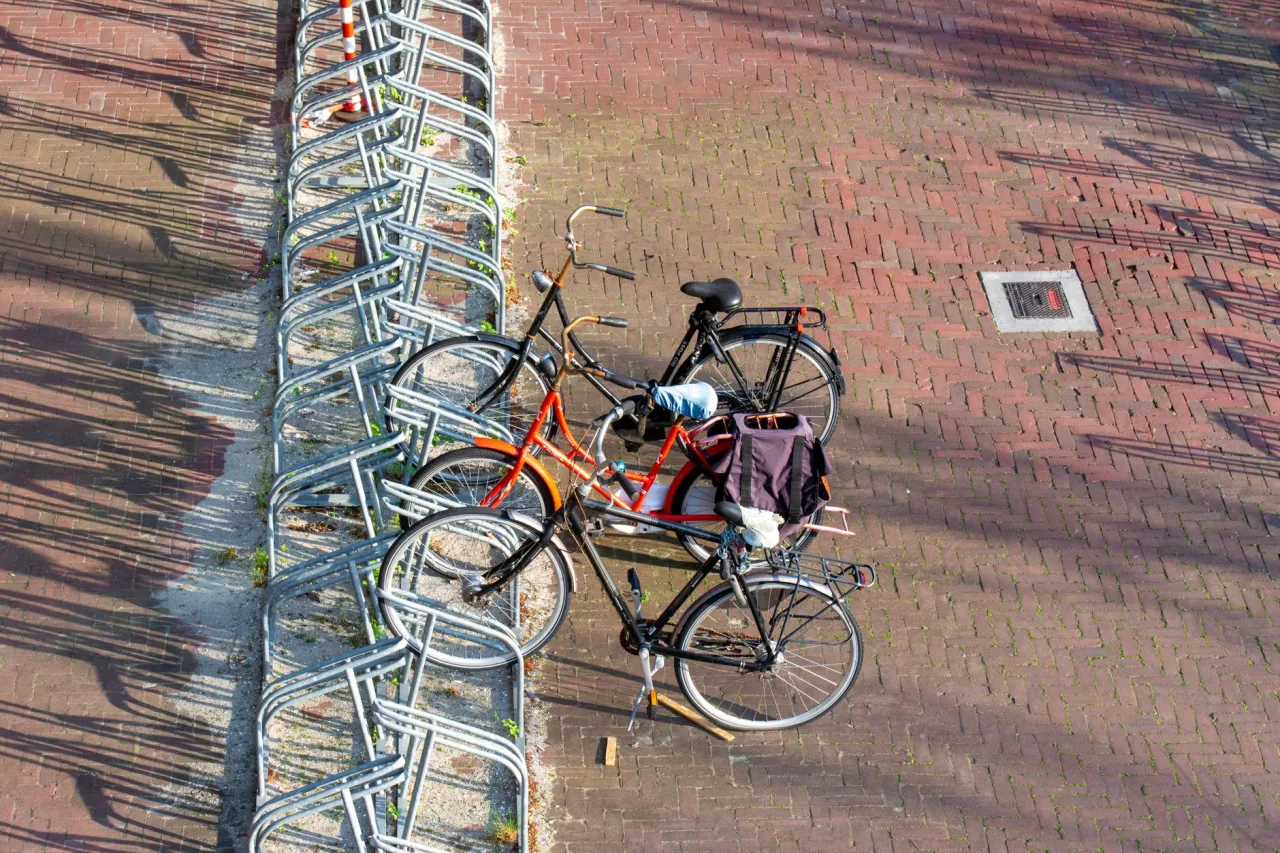
- Hitch-mounted racks: Slide into a tow-hitch receiver at the rear of the vehicle. They sit low, so loading is easy, and platform (tray) versions clamp the wheels without frame contact, which is ideal for carbon frames and heavy e-bikes. The downside is you need a hitch, and quality models are pricey.
- Trunk (strap) racks: Strap onto the trunk or rear hatch with hooks and adjustable arms. They are the most affordable and fit the widest range of cars, but they can contact the frame, block the rear window, and hold fewer bikes.
- Roof-mounted racks: Attach to roof crossbars and hold bikes upright, usually by the fork or a wheel tray. They keep the rear of the car clear for access, but lifting a bike overhead is hard work, and you must never forget the extra height near garages and low clearances.
There are also pickup-truck options that mount in the bed or on the tailgate, and specialised carriers for motorcycles. But for most drivers the choice comes down to hitch, trunk, or roof.
Buyer tip
- If you own or plan to own an electric bike, check the rack's per-bike weight limit before anything else. E-bikes can weigh 20 to 30 kg or more, and many light trunk and roof racks are not rated to carry them. A sturdy platform hitch rack is usually the safe choice.
How to choose a vehicle rack
- Match it to your vehicle. Do you have a tow hitch, roof crossbars, or neither? That narrows the field fast.
- Count the bikes and their weight. Confirm both the number of bikes and the total plus per-bike weight limit, especially for e-bikes.
- Think about loading effort. Hitch platforms are easiest, roof racks are hardest. Consider who will be lifting.
- Protect the frames. Wheel-clamp (tray) designs avoid frame contact, which matters for carbon and for expensive paint.
- Plan for security and access. Look for integrated locks, and for a rack that tilts or swings away so you can still open the boot.
Reputable carrier brands include Thule, Yakima, Kuat, Saris, and Allen Sports, among others. A local shop can confirm a rack fits your exact car and hitch and can show you how to load it safely.
Securing bikes in transit
A rack holds the bikes to the car, but on public parking stops the bikes still need locking. Many platform racks include cable locks, but those are light-duty. For any stop where you leave the vehicle, add a proper lock, exactly as you would on the street. Our bike lock guide explains which locks actually resist theft and how to use them. Also give straps and clamps a firm tug before every drive and recheck them after the first few miles.
Warning
- Roof racks add roughly 30 cm or more to your vehicle height. Forgetting this at a garage, drive-through, or low bridge is one of the most common and expensive cycling mistakes. Put a reminder on your dashboard whenever bikes are on the roof.
Storage and parking racks for home
The second meaning of "bike rack" is storage. The right one clears floor space and protects the bike from knocks. Common options include:
- Floor stands: The bike rolls into a slot or rests on its wheel. Simple, no drilling, easy to move.
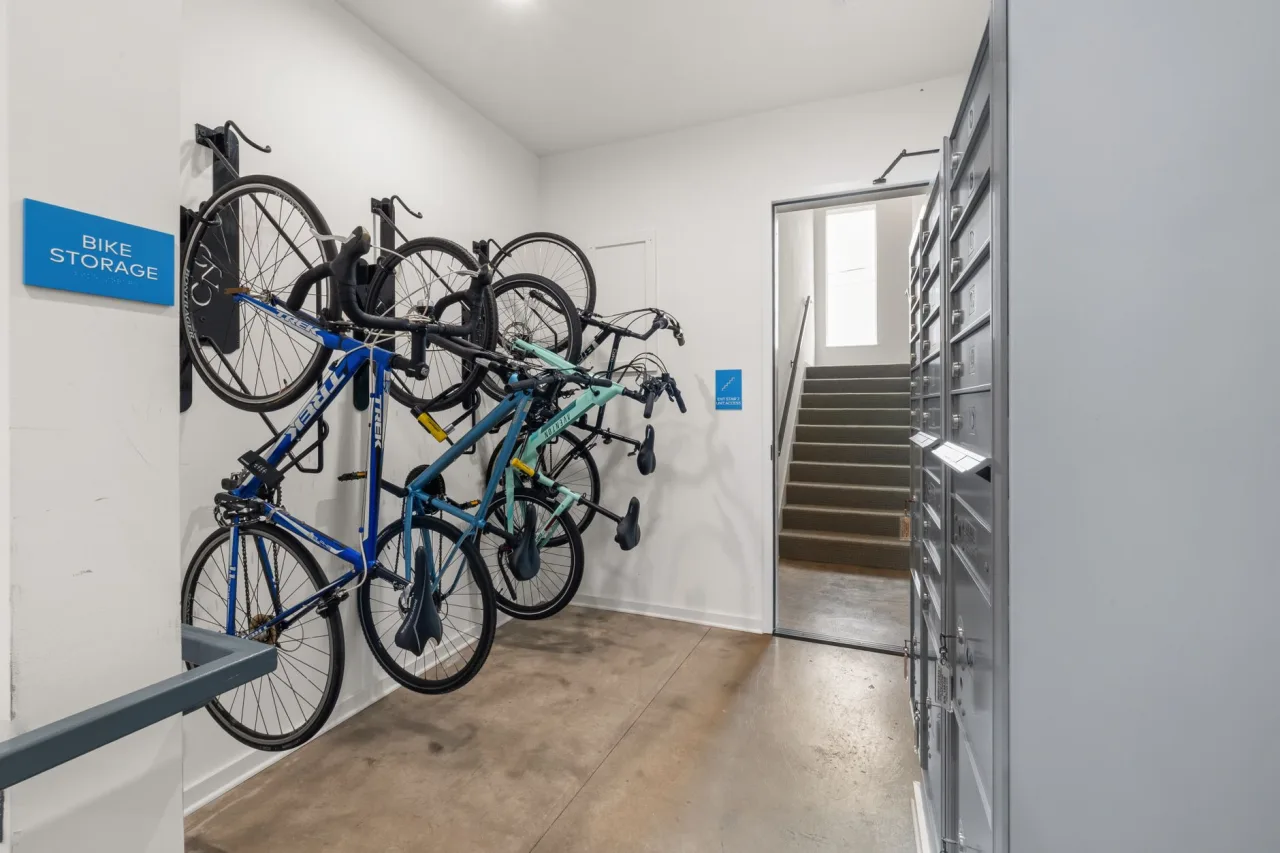
- Wall hooks and hangers: Hang the bike by a wheel or the frame to reclaim floor space. Anchor into studs, and check that hanging by a wheel suits your bike (fine for most, but confirm for heavy e-bikes).
- Vertical and gravity racks: Freestanding towers that store one or more bikes upright without wall damage, ideal for renters.
- Ceiling hoists: Pulley systems that lift a bike overhead in a garage.
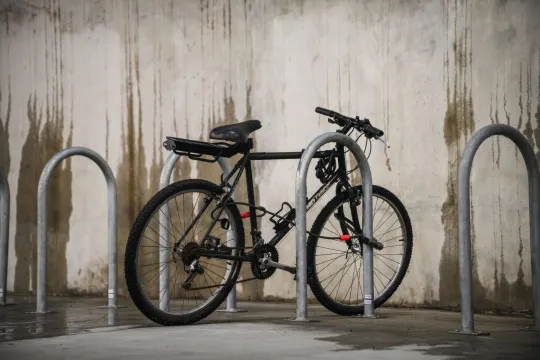
For public and workplace parking, the classic inverted-U "Sheffield" stand lets you lock the frame and a wheel securely, which is exactly what a good lock strategy needs. If you are kitting out a full setup, our cycling gear guide covers storage alongside the other essentials.
Realistic bike rack prices in 2026
Prices vary by type, brand, and capacity, so treat these as ranges and confirm locally.
- Home storage stands and wall hooks: roughly 15 to 80 US dollars.
- Trunk (strap) vehicle racks: roughly 40 to 250.
- Roof-mounted racks (per bike, plus crossbars): roughly 100 to 300.
- Hitch platform racks: roughly 150 to 800 plus, with e-bike-rated models at the higher end.
Spend according to how often you will use it. A rack you use every weekend justifies a sturdy hitch platform, while an occasional trip may only need a good trunk rack. If you also carry a mountain bike or a road bike regularly, confirm the tray length and wheel size range fit those bikes.
Frequently asked questions
What are the main types of car bike rack?
The three main vehicle bike racks are hitch-mounted, trunk (strap) mounted, and roof-mounted. Hitch racks are the easiest to load and best for heavy bikes, trunk racks are the cheapest and most universal, and roof racks keep the rear of the car clear but require lifting bikes overhead.
Which bike rack is best for an electric bike?
A sturdy platform hitch rack is usually best for e-bikes, because it sits low for easy loading and is more likely to be rated for the extra weight. E-bikes can weigh 20 to 30 kg or more, so always check the per-bike weight limit before buying. Many light trunk and roof racks are not rated for e-bikes.
Do I need a tow hitch for a bike rack?
Only for hitch-mounted racks, which slide into a tow-hitch receiver. If your vehicle has no hitch, you can use a trunk (strap) rack, which fits most cars, or a roof rack if you have crossbars. A hitch can be added to many vehicles, but that is an extra cost to weigh up.
How much does a good bike rack cost?
Home storage stands and hooks run roughly 15 to 80 US dollars, trunk vehicle racks about 40 to 250, roof racks around 100 to 300 per bike plus crossbars, and hitch platform racks roughly 150 to 800 or more. Prices vary by brand and capacity, so confirm current pricing locally.
Do I still need a lock if my bike is on a car rack?
Yes. The integrated cable locks on many racks are light-duty and easily defeated, so whenever you leave the vehicle you should add a proper U-lock or chain, just as you would on the street. Always give the straps and clamps a firm tug before driving and recheck them after the first few miles.
More guides on Gear & Accessories
Have a question or a topic to suggest?
We read every message. Tell us what you would like to see next on the blog.
Get in touchYou may also like
Bike Lock: The Complete Guide
U-locks, chains, cables and folding locks compared, plus a locking strategy that actually works and realistic prices for a lock worth trusting.

Cycling Gear: The Complete Guide
The right cycling gear keeps you safe, comfortable, and your bike secure. Here are the essentials, from helmet to lock, and what actually matters.

Mountain Bike: The Complete Guide
Everything you need to choose a mountain bike: the main types, wheel sizes, key components, how to pick your first bike and the gear and care that keep it running.