Ride Essentials · Maintenance & How-To
Cycling Gear: The Complete Guide
Helmet, clothing, lights, locks, and repair kit: the essentials, in the order you should buy them.
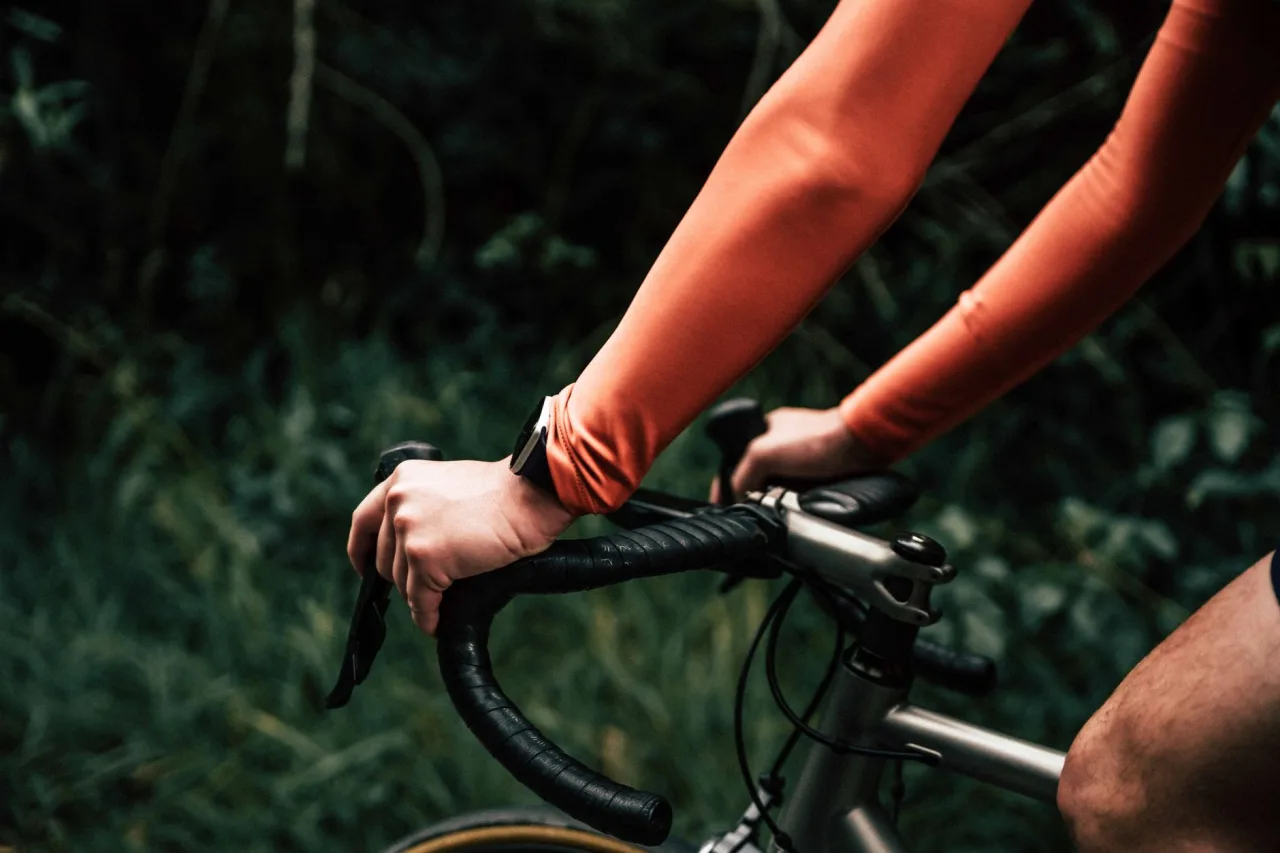
The right cycling gear does three things: keeps you safe, keeps you comfortable, and keeps your bike secure. You do not need to buy everything at once, but a few key pieces make every ride better. This guide walks through the essentials, from helmet to lock, and explains what actually matters when you choose each one.
The short version
- A well-fitted helmet is the one piece you should never skip. Fit matters as much as the safety rating.
- Padded shorts, gloves, and proper lights turn an uncomfortable, risky ride into a pleasant one.
- A good lock is insurance against theft. Match the lock to how and where you park.
- Buy for the riding you actually do. Gear scales with speed, distance, and terrain.
Start with the helmet
If you buy one thing, buy a helmet, and make sure it fits. A helmet only protects you when it sits level, low on the forehead, and snug enough not to shift. According to Wikipedia's bicycle helmet article, helmets sold in the United States must meet a mandatory CPSC standard, while the European equivalent is EN 1078, and both focus on impact protection. The same source notes that many riders wear poorly fitted helmets, which meaningfully raises injury risk, so fit is not a detail, it is the point.
You will also see MIPS-equipped helmets, a system designed to reduce rotational forces during angled impacts. It is a worthwhile feature, but a cheaper helmet that fits well beats an expensive one that does not. For a deeper dive, see our dedicated bike helmet guide.
Clothing that earns its place
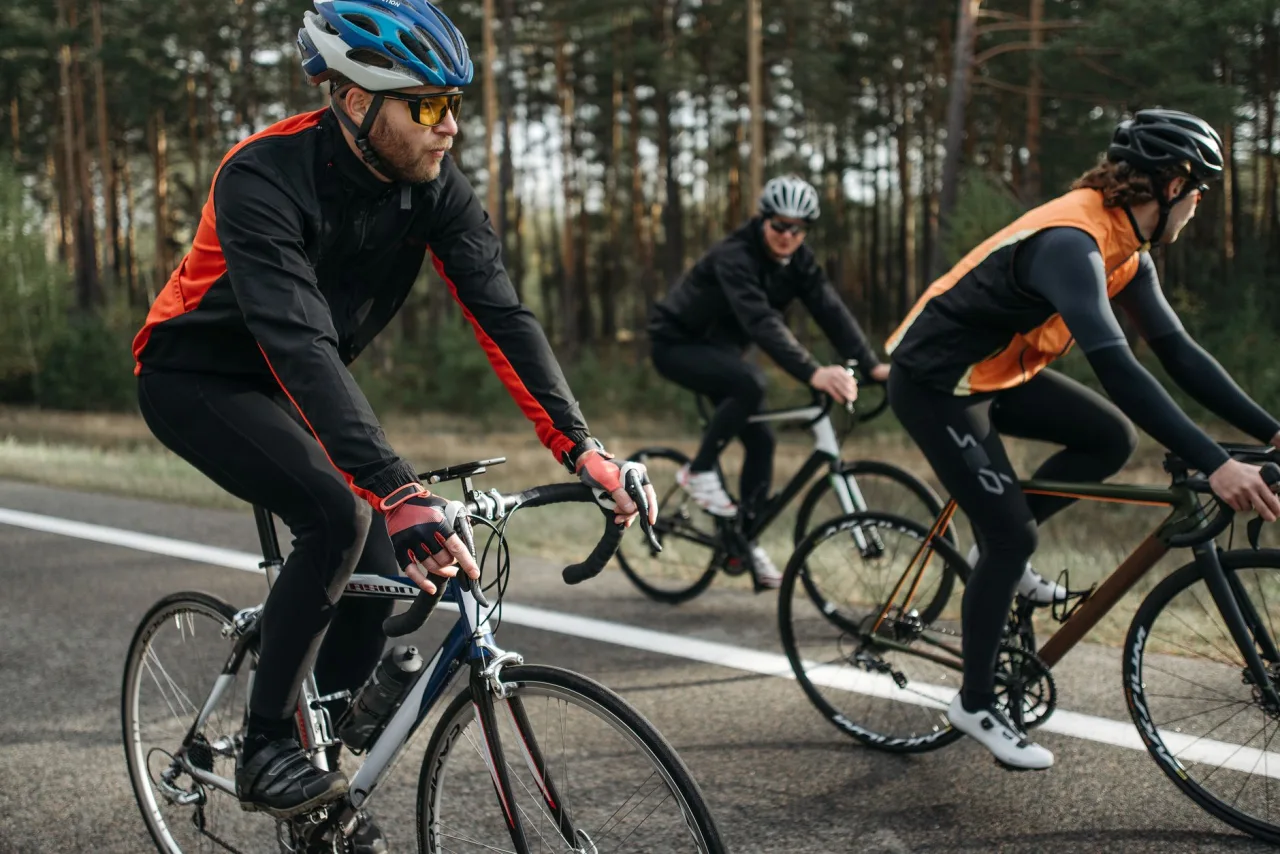
You do not need a closet of lycra, but a few pieces genuinely improve comfort.
- Padded shorts: the biggest comfort upgrade for rides longer than a few kilometers. The padding, called a chamois, reduces soreness and friction.
- Gloves: cushion your palms, improve grip, and protect your hands in a fall. Fingerless for summer, full-finger for cold or off-road.
- Moisture-wicking layers: synthetic or merino tops move sweat away and keep you comfortable. Cotton holds moisture and chills you.
- A light, packable jacket: wind and rain protection that stuffs into a pocket. Invaluable when the weather turns.
Dress for the second half of the ride, not the first. You warm up quickly once moving, so a slight chill at the start usually means you are dressed right.
Tip: prioritize visibility over fashion. Bright colors by day and reflective details at night make you far easier for drivers to see. Visibility is cheap safety, and it works around the clock.
Lights and being seen
Lights are not optional once the sun is low. A white light up front and a red light at the rear are the minimum, and in many places they are legally required after dark. Even in daytime, a blinking rear light helps drivers spot you sooner. Choose rechargeable lights with enough output for your roads, and keep them charged. A dead light is no light. For road riders sharing lanes with traffic, generous lighting is one of the highest-value safety investments you can make, as covered in our roadie bike guide.
Locking up: theft protection
A bike is only yours until someone with bolt cutters decides otherwise. The right lock depends on your bike's value and where you park it.
- U-locks (D-locks): the strongest common option, hard to leverage or cut. The default for city parking.
- Heavy chains: flexible and very secure, but heavy to carry. Good for a fixed parking spot.
- Folding locks: a balance of security and portability.
- Cable locks: lightweight but easily cut. Use only as a secondary lock or in very low-risk spots.
Always lock the frame to something immovable, secure the front wheel too, and park in well-lit, busy areas. Our bike lock guide goes deeper on locking technique and choosing a lock that suits your risk level.
Carrying gear and transporting your bike
How you carry things shapes your comfort. Options include a saddlebag for tools, a frame or handlebar bag for essentials, a backpack for larger loads, or panniers on a rear rack for commuting and touring. For moving the bike itself, a car rack lets you reach trails and rides beyond your doorstep. Our bike racks guide covers the trade-offs between hitch, roof, and trunk styles so you can transport your bike safely.
The repair kit you should always carry
A flat tire far from home is a long walk without the right kit. Carry the basics and learn to use them.
- A spare tube in your tire size, or a tubeless repair kit if you run tubeless.
- Tire levers to get the tire off the rim.
- A mini pump or CO2 inflator to reinflate.
- A multi-tool with the hex keys your bike uses.
- A patch kit as a backup, and a spare quick link if you run a chain that uses one.
Practice a tire change at home once, in comfort, so you are not learning it on a cold roadside. It is a genuinely simple skill that saves many ruined rides.
Warning: match your gear to the machine. Faster and more powerful bikes demand more protection. A high-speed electric cycle or an off-road machine needs sturdier gear than a gentle commuter, and dirt-bike-class machines need motorcycle-grade protection. Do not carry commuter kit onto a machine that does much higher speeds.
Building your kit without overspending
Buy in order of impact. Helmet first, then padded shorts and gloves, then lights, then a lock sized to your risk, then a repair kit. Add clothing and carrying options as your riding grows. There is no need to buy everything on day one, and chasing premium gear before you have the basics is a common and expensive mistake. Good, well-fitting essentials beat a pile of high-end kit every time. A local shop can help you size a helmet and lock correctly, which is worth the visit.
Frequently asked questions
What cycling gear do I actually need to start?
A well-fitted helmet is the true essential. After that, padded shorts, gloves, front and rear lights, and a lock cover most riding. A basic repair kit rounds it out. You can add clothing and carrying options over time as your riding develops.
How do I know if my helmet fits correctly?
It should sit level and low on your forehead, not tilted back, and feel snug without pressure points. With the straps done up, it should not rock forward, back, or side to side. A helmet that shifts around cannot protect you properly, so fit matters as much as the safety rating.
What kind of bike lock is most secure?
A quality U-lock, sometimes called a D-lock, is the strongest common option and resists cutting and leverage well. Heavy chains are also very secure but heavy to carry. Cable locks are easily cut and should only be a secondary lock. Always match the lock to your bike's value and where you park.
Do I need special lights for cycling?
Yes, a white front light and a red rear light are the minimum, and are often legally required after dark. A blinking rear light also helps in daytime. Choose rechargeable lights bright enough for your roads and keep them charged, because a dead light offers no protection.
Is expensive cycling gear worth it?
Not until you have the basics. A helmet that fits, comfortable shorts, and good lights matter far more than premium fabrics or the lightest components. Buy essentials first, then upgrade selectively as your riding grows. Well-fitting basic gear outperforms an expensive kit that does not suit your riding.
More guides on Maintenance & How-To
Have a question or a topic to suggest?
We read every message. Tell us what you would like to see next on the blog.
Get in touchYou may also like
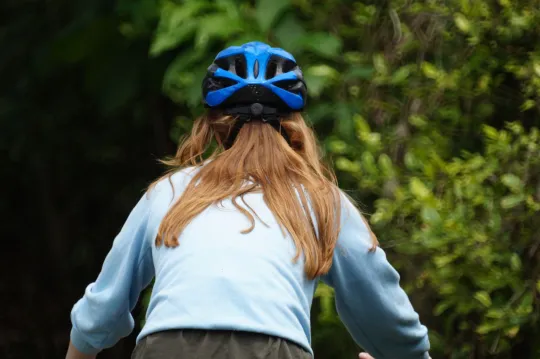
Bike Helmet: The Complete Guide
Safety standards, MIPS, and step-by-step fitting explained, plus helmet types for every rider and realistic prices for safe protection.
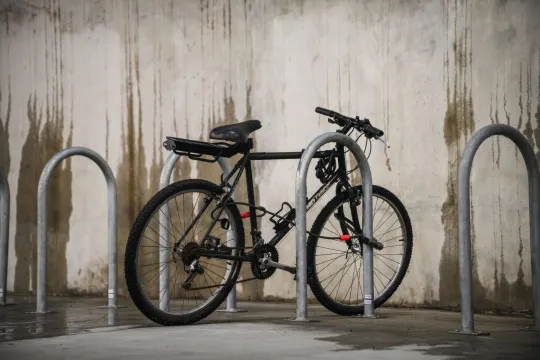
Bike Lock: The Complete Guide
U-locks, chains, cables and folding locks compared, plus a locking strategy that actually works and realistic prices for a lock worth trusting.
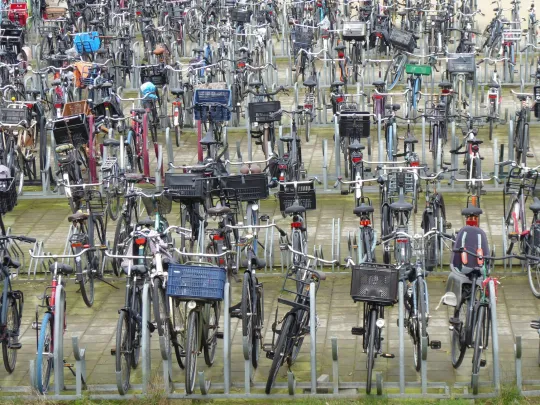
Bike Racks: The Complete Guide
Car carriers and home storage racks explained: hitch, trunk and roof types, e-bike weight limits, and how to move and store bikes safely.