E-Bike Buying
Electric Bike Price: Real Numbers 2026
Realistic price tiers, what drives value, new vs used and how to negotiate without overpaying.
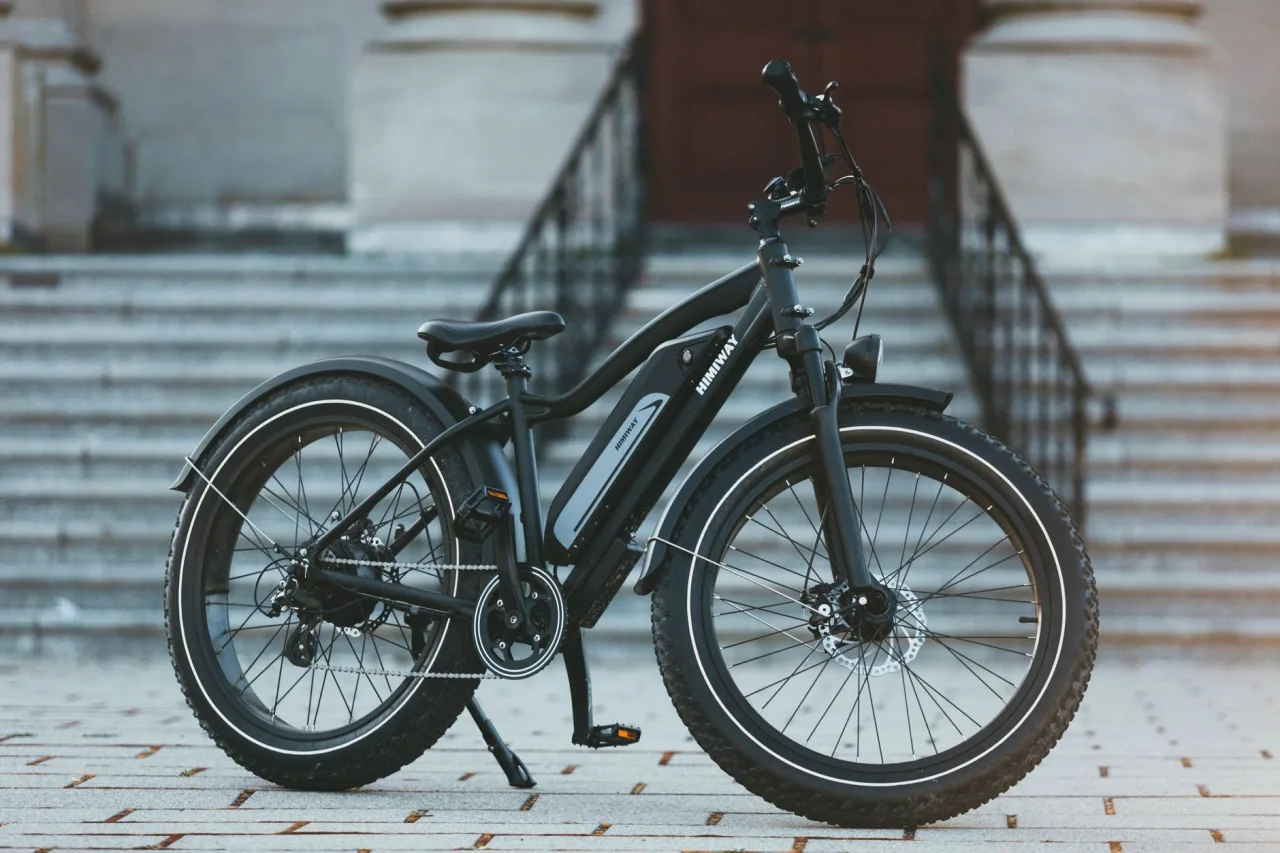
Electric bike prices cover an enormous range, from a few hundred for a budget commuter to well over ten thousand for a high-end electric mountain bike. The number on the tag is only part of the story: the motor, battery, brakes and the shop behind the sale all move real-world value up or down. This guide breaks down what you actually pay in 2026, why prices differ so widely, and how to avoid overpaying.
The short version
- Realistic new e-bike prices in 2026 run roughly from a budget tier under 1,000, through a mid tier of 1,500 to 3,500, up to premium builds of 5,000 and beyond. Confirm current numbers locally, since prices vary by region, spec and exchange rate.
- The battery and motor are the biggest cost drivers. A larger, name-brand battery and a mid-drive motor add the most to the price.
- A well-bought used e-bike can save a lot, but battery health is the single most important thing to check before you buy.
- Cheapest is rarely best value. Brakes, support and replacement-part availability matter more than headline price over a bike's life.
What an electric bike actually costs in 2026
It helps to think in tiers rather than a single figure, because an e-bike is really several expensive components bolted to a frame. Treat the ranges below as broad guidance rather than fixed quotes. Prices shift with currency, local taxes, seasonal sales and how a model is specified, so always confirm the current figure with a shop or the manufacturer before you commit.
- Budget tier (under about 1,000): entry-level hub-motor commuters and folding e-bikes. Fine for flat, short rides, but expect heavier batteries, basic brakes and simpler components.
- Mid tier (about 1,500 to 3,500): the sweet spot for most riders. Better batteries, reliable braking, and support from established brands sold through bike shops.
- Premium tier (about 4,000 to 8,000+): full-suspension electric mountain bikes, premium mid-drive systems and lightweight road-style e-bikes with integrated batteries.
For a wider view of how e-bikes fit into the whole cycling market, our complete electric bike guide explains the categories in more detail, and our overview of electric bikes for sale walks through how to shop the different tiers.
Why prices vary so much
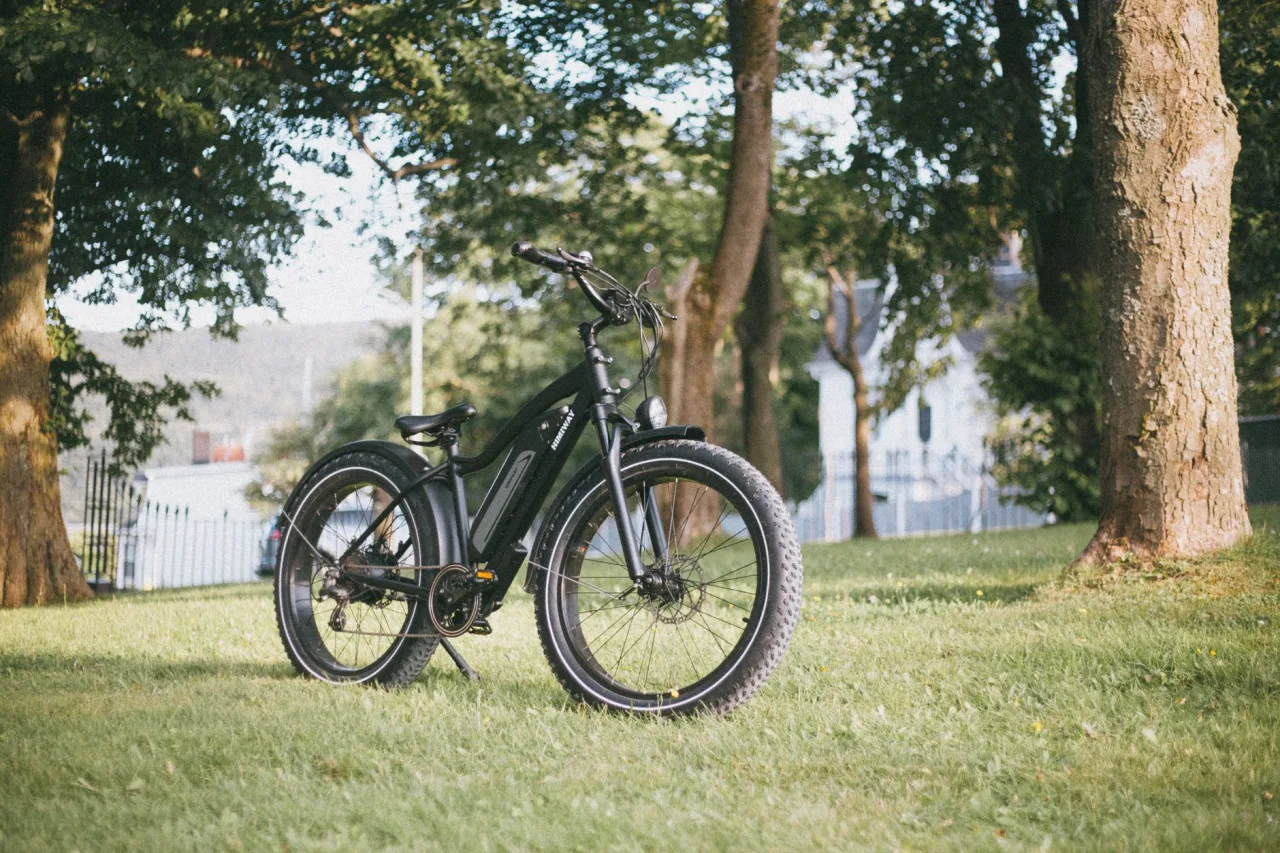
Two e-bikes that look similar can differ by thousands, and the reasons are almost always in the parts you cannot see at a glance. Understanding the main cost drivers lets you judge whether a price is fair.
- Motor type: hub motors in the wheel are cheaper to build. Mid-drive motors mounted at the cranks cost more but deliver better balance and hill performance.
- Battery capacity and brand: a larger lithium-ion battery with a reputable cell supplier adds meaningful cost, and it is often the most expensive single part.
- Frame and suspension: aluminium is the norm, carbon and quality suspension push prices up quickly.
- Braking and drivetrain: hydraulic disc brakes and better gearing cost more than basic mechanical parts, and they matter more on a heavy, faster bike.
- Brand and support: established makers price in warranty, spare parts and a dealer network, which is part of what you pay for.
According to Wikipedia's electric bicycle overview, modern e-bikes overwhelmingly use lithium-ion batteries because they charge faster and weigh less than older chemistries, and battery quality is a genuine safety and longevity factor, not just a spec-sheet number.
New versus used: which saves more
A used e-bike can be excellent value, because the steepest depreciation happens in the first year or two. The catch is that the battery, the most costly component, ages whether the bike is ridden or not. A three-year-old e-bike with a tired battery may need a replacement pack that costs a large fraction of the bike's remaining value.
Buying new brings a full warranty, a fresh battery and dealer support. Buying used trades some of that security for a lower price. If you go used, our second hand bikes guide covers inspection in depth, and our bicycle price breakdown puts e-bike costs in the context of non-electric bikes.
Battery warning: On any used e-bike, ask how old the battery is, how many charge cycles it has done, and whether it holds range close to its original figure. A worn pack is expensive to replace, so factor that cost into any used price before you agree to it.
How e-bikes depreciate
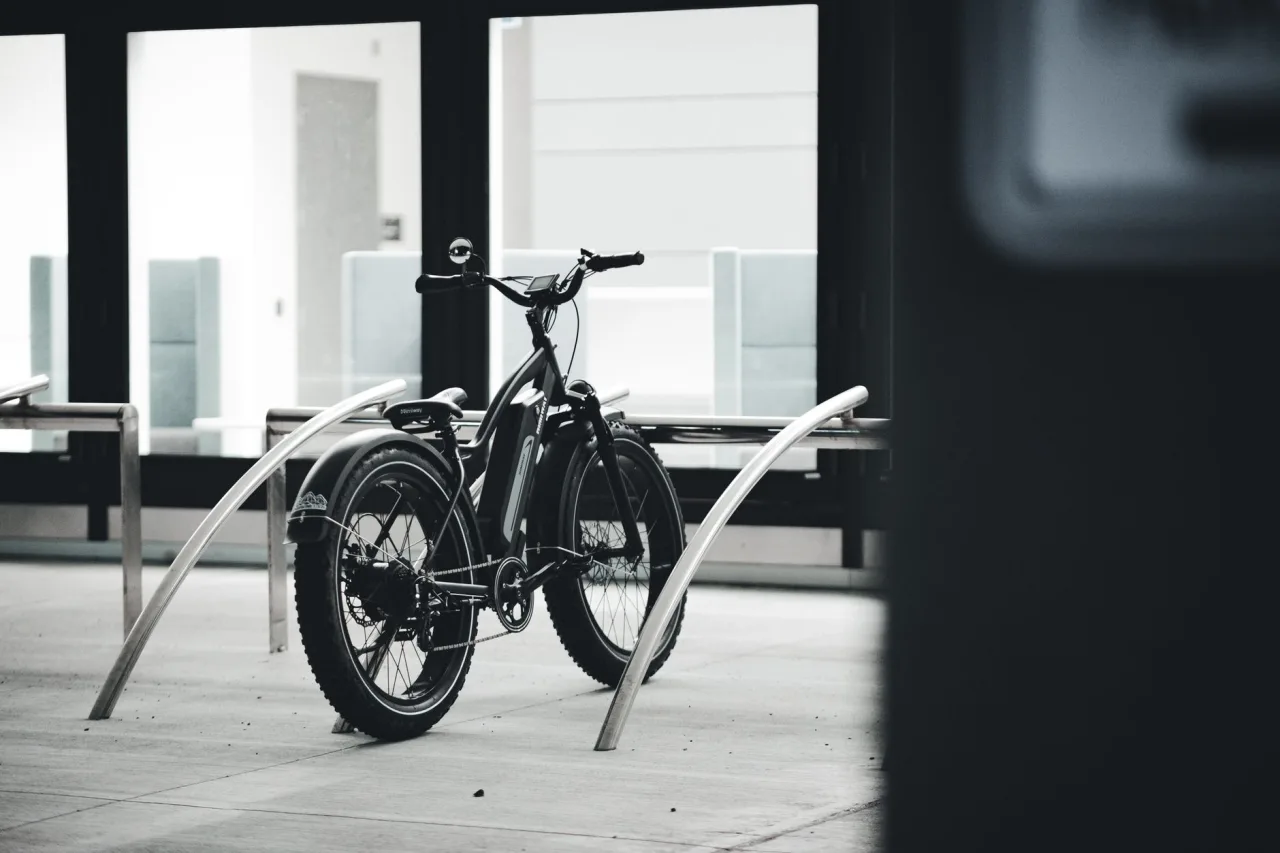
Like most vehicles, e-bikes lose the largest share of value early. A bike bought new typically sheds a noticeable chunk of its price in the first year, then depreciates more slowly. Several things influence how well a specific model holds value.
- Brand reputation: well-known brands with parts availability tend to resell more easily and hold value better.
- Battery health: a documented, healthy battery is the strongest thing supporting a used price.
- Condition and service history: receipts, a clean drivetrain and evidence of regular servicing all help.
- Motor system: bikes using widely supported motor systems are easier to sell than obscure ones that are hard to service.
The practical takeaway is that buying a solid mid-tier bike from a supported brand often beats both the cheapest option and the flashiest one when you eventually resell.
What to check before you pay
Whether the bike is new or used, a short checklist protects you from paying too much for too little. Run through these before money changes hands.
- Confirm the battery spec and warranty. Know the capacity, the brand and how long it is covered.
- Test the motor across its assist levels. It should engage smoothly, not lurch or cut out.
- Inspect the brakes. On a heavy e-bike, quality braking is a safety essential, not a luxury.
- Ask about spare parts. Proprietary batteries and displays can be hard or costly to replace later.
- Check the total price. Include any assembly, delivery, a lock and a helmet in your real budget.
Accessories add up, so build them into your plan from the start. A good bike lock matters more on a valuable e-bike, and a well-fitting helmet is non-negotiable. Our bike helmet guide explains how to choose one.
How to negotiate and time your purchase
You have more room to negotiate than you might think, especially on last season's stock and on used sales between individuals. A few tactics consistently help.
- Shop the end of season. Retailers discount outgoing model years to clear space, often with the same core parts as the new range.
- Bundle accessories. If the price is firm, ask the shop to include a lock, lights or a first service instead.
- Do your homework on used prices. Knowing the fair range for a model gives you a confident, evidence-based offer.
- Buy from a real shop when you can. A local bike shop that assembles and supports the bike is worth a small premium over a boxed online bargain.
If you are not sure where to start, our guide on how to find a trusted local bike shop explains what separates a good dealer from a box-shifter. Manufacturer sites such as Trek also list current models and typical prices, which gives you a solid reference point when you compare quotes.
Frequently asked questions
How much should I spend on a decent electric bike?
For most riders, a mid-tier e-bike in the region of 1,500 to 3,500 offers the best balance of battery quality, braking and support. Budget models under 1,000 can work for short, flat commutes, but they usually compromise on components. Always confirm current prices locally, since they vary by region and spec.
Why are electric bikes so expensive?
Most of the cost sits in the battery and motor, which are sophisticated, safety-critical parts. A large lithium-ion battery from a reputable supplier and a quality mid-drive motor together account for a large share of the price, with the frame, brakes and drivetrain making up the rest.
Is it worth buying a used electric bike?
It can be, because e-bikes depreciate fastest in their first couple of years. The key risk is battery age, since a worn pack is expensive to replace. If you verify the battery's health and history and inspect the bike carefully, a used e-bike can offer strong value.
Do electric bikes hold their value?
They lose the biggest share of value early, then depreciate more slowly. Bikes from established brands with healthy batteries, good service history and widely supported motor systems hold value best and are easiest to resell.
What extra costs should I budget for beyond the bike?
Plan for a quality lock, a helmet, lights, and possibly delivery or assembly and a first service. On a valuable e-bike these are not optional extras, and building them into your budget from the start gives you a realistic total cost.
More guides on Electric Bikes
Have a question or a topic to suggest?
We read every message. Tell us what you would like to see next on the blog.
Get in touchYou may also like

Electric Bikes for Sale: Buyer's Guide
A practical framework for buying an e-bike: match the bike to how you ride, compare local shops, direct-to-consumer and used, and check the details that matter before paying.

Electric Bike: The Complete Guide
Everything you need before buying an e-bike: how the motor and classes work, hub versus mid-drive, battery range, the main types, and what a good electric bike really costs.

Second Hand Bikes: Complete Guide
Buy a used bike with confidence: where to look, how to inspect frame, drivetrain and brakes, what to check on a used e-bike, and how to avoid stolen bikes and overpaying.