Electric Bikes · Electric Bikes
Fat Tire Bike
A fat tire bike is instantly recognizable by its enormous, balloon-like tires, and those tires are the whole point.
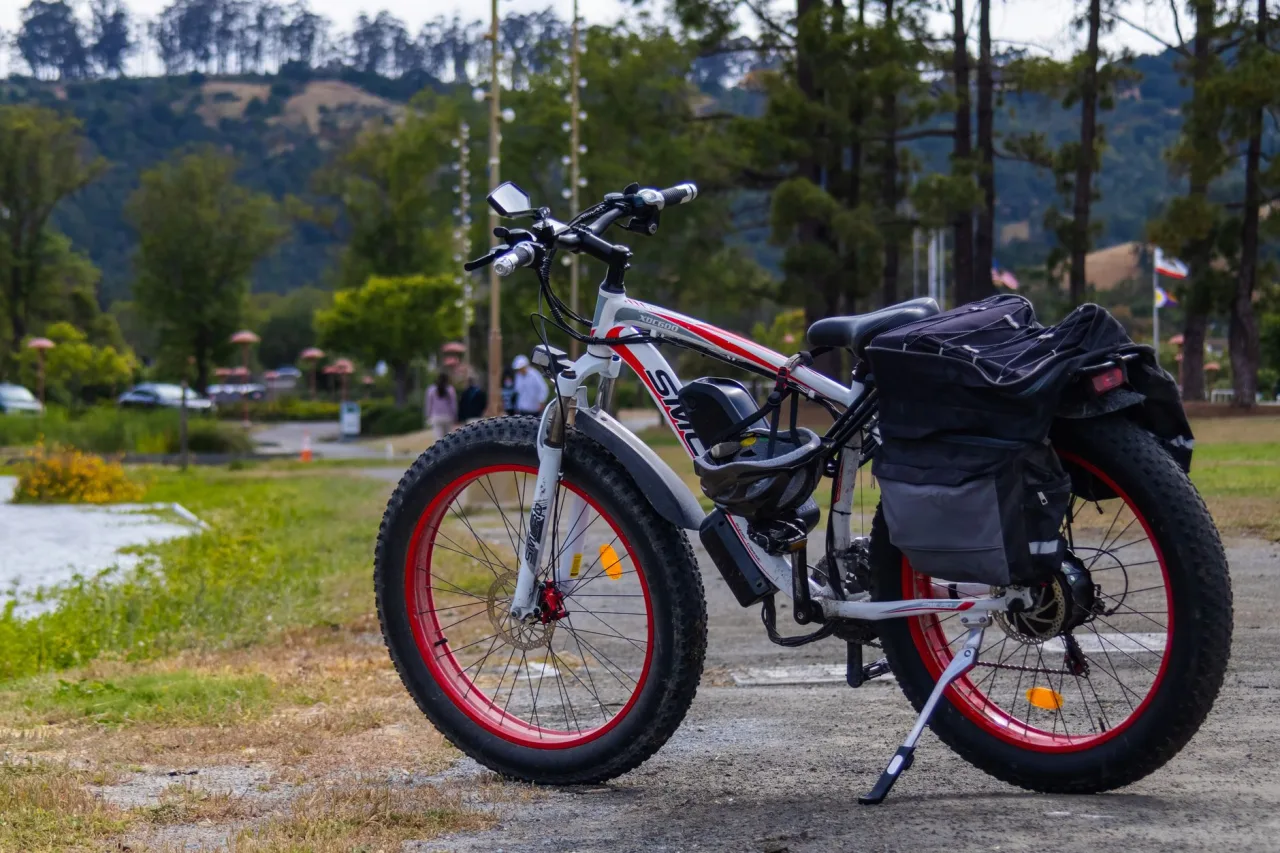
A fat tire bike is instantly recognizable by its enormous, balloon-like tires, and those tires are the whole point. This complete guide explains what fat bikes are built for, how the oversized rubber changes the ride, and who should buy one. If you have wondered whether those chunky tires are a gimmick or a genuine advantage, this is the honest breakdown.
The short version
- A fat bike uses oversized tires, typically 3.8 inches or wider, run at low pressure to float over snow, sand, and soft ground.
- The big tires deliver grip, comfort, and stability, at the cost of extra weight and slower rolling on pavement.
- Fat bikes come as regular pedal bikes and as electric versions, where a motor offsets the added weight.
- Choose one if you ride soft or unstable surfaces often; for road speed or racing, a narrower tire is the better tool.
What a fat tire bike is
A fat bike is an off-road bicycle built around oversized tires, typically 3.8 inches (about 97 millimeters) or wider, mounted on rims 2.16 inches or wider. Those dimensions are what set it apart from a standard mountain bike, whose tires look slim by comparison. The frame, fork, and wheels are all designed to make room for the extra rubber.
The purpose of all that tire is low ground pressure. By spreading the bike's weight over a much larger contact patch and running at very low air pressure, a fat bike floats over surfaces that would swallow a normal tire. Snow, sand, mud, and bog become rideable instead of impassable. That single capability, riding where other bikes sink or slip, is the reason fat bikes exist.
How the big tires change the ride
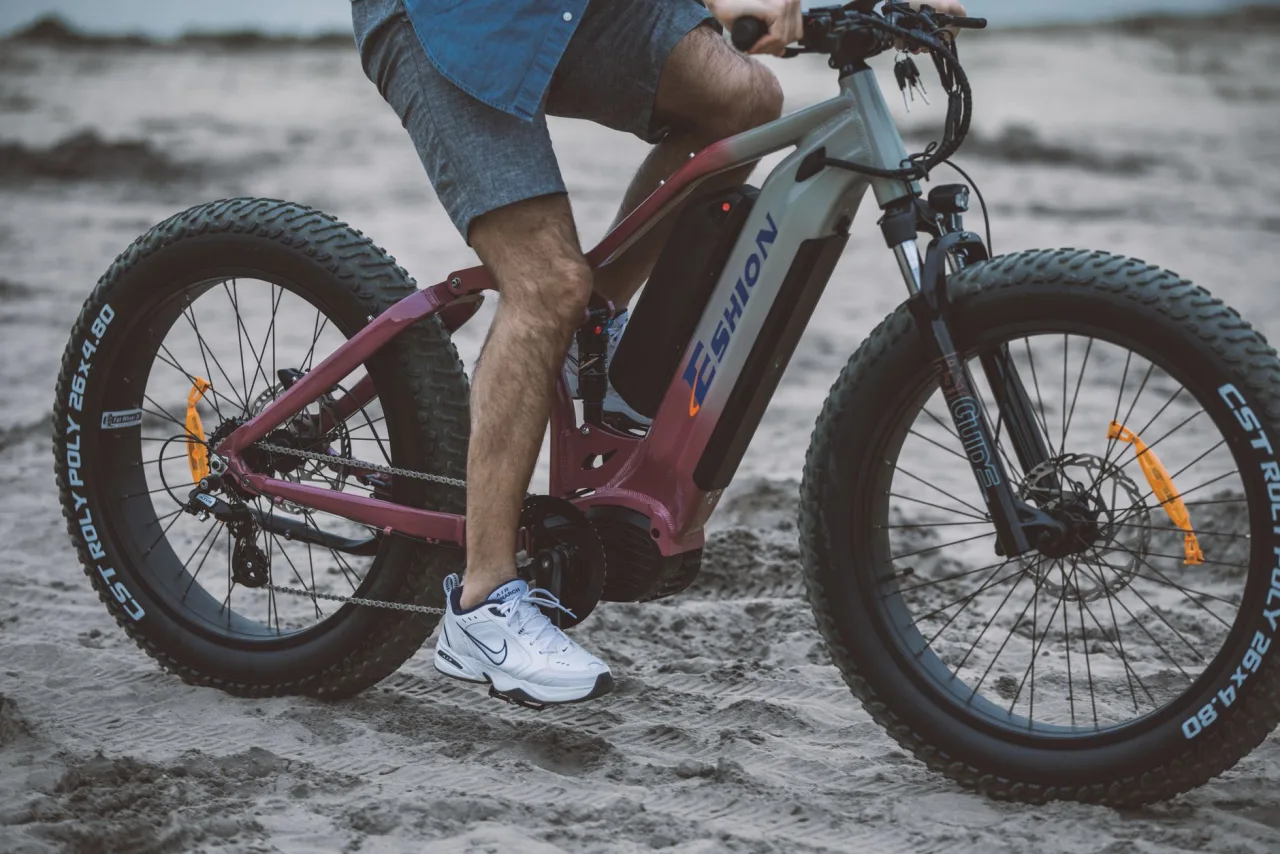
The oversized tires do more than provide flotation. They reshape how the bike feels in ways worth understanding before you buy.
- Grip: a huge, low-pressure contact patch grabs loose and slippery surfaces, giving confidence on terrain where narrower tires wash out.
- Comfort: the tires act as natural suspension, soaking up bumps and vibration, which is why many fat bikes skip a suspension fork entirely.
- Stability: the wide footprint and added mass make the bike feel planted and forgiving, which many newer riders appreciate.
- Rolling resistance: on hard pavement, all that rubber rolls slower and feels sluggish compared with a road or standard mountain tire.
- Weight: the tires, rims, and reinforced frame add up, so fat bikes are heavier and accelerate more slowly.
Tip: tire pressure is your main tuning tool
Fat bikes live and die by air pressure. Very low pressure, sometimes in the single digits of psi, maximizes flotation on snow and sand, while a bit more firms up the ride for harder ground. Experiment within the tire's rated range, and drop pressure when the surface gets soft. Getting this right matters more on a fat bike than on any other type.
Fat bike versus electric fat bike
Fat bikes come in two flavors. The classic version is a human-powered bicycle, rewarding on trails and a genuine workout given the extra weight. The electric version adds a motor, and the pairing makes a lot of sense: the assist cancels out much of the weight penalty and helps push those draggy tires up hills and through deep snow. If you like the idea of fat-tire capability without the leg burn, our fat tire electric bike guide covers the powered version in detail, and our broader electric bike guide explains motors and batteries.
For riders who want fat-tire flotation off pavement with power, an electric fat bike overlaps with the off-road electric bike category. The distinction is mostly one of emphasis: fat bikes prioritize the tires and flotation, while general off-road e-bikes may use narrower, more aggressive treads suited to hardpack trails.
Who should buy a fat tire bike
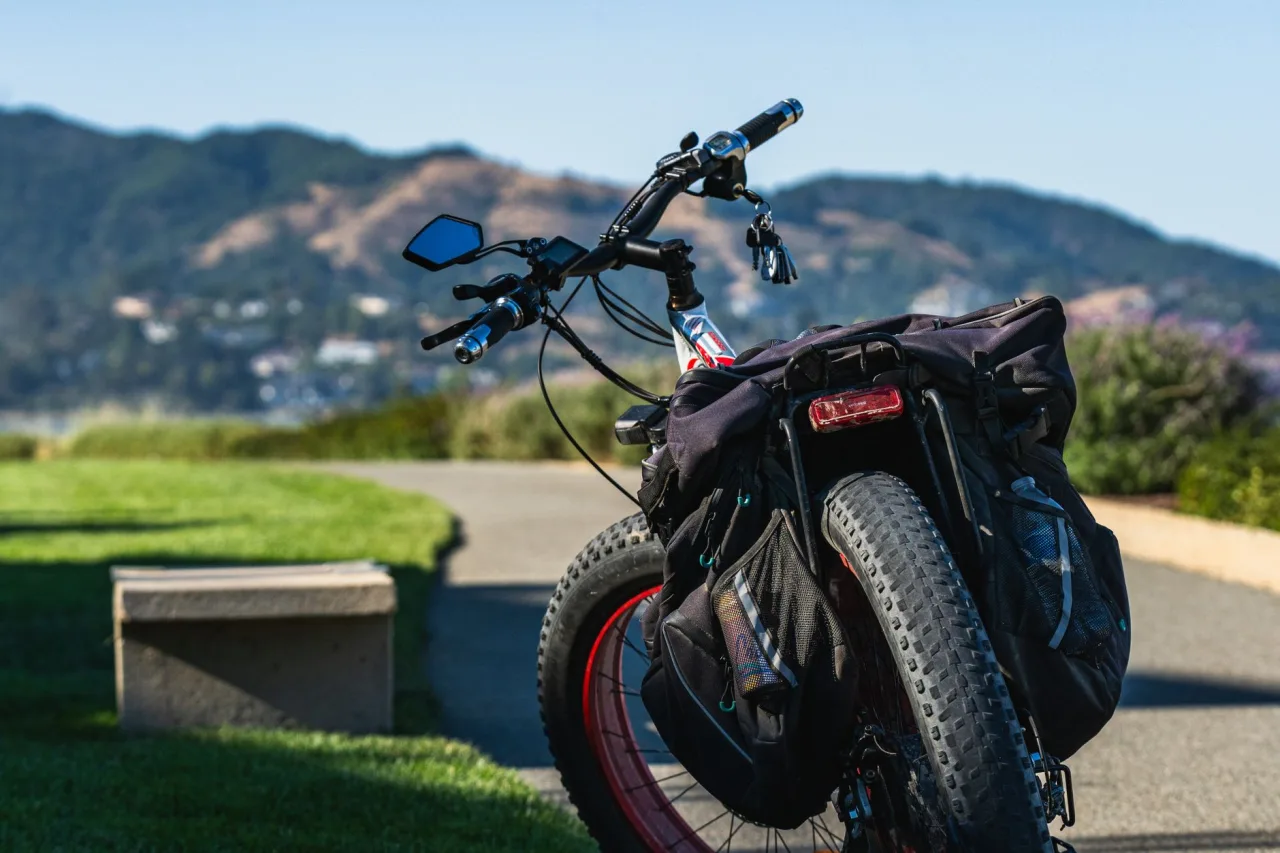
A fat bike is a specialist, and it shines for specific riders and conditions.
- Winter and snow riders who want to keep cycling when trails and paths are covered.
- Beach and desert riders who need to cross sand that stops any normal tire.
- Riders who value comfort and stability over speed, including those who like the planted, forgiving feel.
- Adventure and bikepacking cyclists tackling mixed, unpredictable terrain where versatility beats efficiency.
It is a poor choice if your riding is mostly on pavement, if you care about speed and quick acceleration, or if you want to keep up on a fast group road ride. In those cases the weight and rolling resistance work against you, and a road or standard mountain bike is the right tool. Comparing fat bikes with a conventional mountain bike is a useful exercise before committing.
What to look for when buying
If a fat bike fits your riding, a few things separate a good one from a frustrating one.
- Tire and rim width suited to your surfaces. Wider tires and rims give more flotation for deep snow and sand, while slightly narrower fat tires roll a little better on firmer ground.
- Frame material and clearance: aluminum is common and affordable, and generous clearance lets you run the widest tires and shed mud.
- Gearing low enough to push heavy tires up climbs, since fat bikes ask a lot of your legs.
- Brakes: disc brakes handle the extra weight and wet, snowy conditions far better than rim brakes.
- Tubeless readiness, which lets you run lower pressures without pinch flats and is a real advantage on a fat bike.
What a fat tire bike costs
Prices vary widely by brand, materials, and components, and promotions change often, so treat any figure as a ballpark and confirm current pricing locally. Entry-level fat bikes are among the more affordable ways into off-road riding, mid-range models with better components cost more, and electric fat bikes carry the added expense of the motor and battery. Established brands such as Specialized, Trek, and Giant offer capable off-road bikes with clear warranties and dealer support, which matters for parts and service. For a wider view of pricing, see our guide to real electric bike prices.
As with any bike, very cheap models often cut corners on the frame, brakes, and drivetrain, which shows up first under the heavy loads a fat bike sees. Buying from a shop that can service the bike pays off; our guide to finding a trusted local bike shop explains how to judge a store before you buy.
Living with a fat bike
Owning a fat bike comes with a few practical notes. The tires wear differently than road rubber and can be pricier to replace given their size. Storage and transport take more room, and a car rack must accommodate the wide tires, so check compatibility, a point our bike racks guide addresses. On the upside, the natural cushioning of the tires means less to maintain than a full-suspension bike, and the forgiving ride makes long, slow adventures genuinely comfortable. Ride it for what it is, a capable all-terrain float machine, and it delivers experiences narrower bikes simply cannot.
Frequently asked questions
What is a fat tire bike good for?
Fat bikes excel on soft, loose, or unstable surfaces like snow, sand, mud, and bog, where their oversized low-pressure tires float instead of sinking. They also offer a comfortable, stable ride thanks to the natural cushioning of the tires. They are less suited to fast pavement riding, where the heavy, draggy tires slow you down.
How wide are fat bike tires?
Fat bike tires are typically 3.8 inches, about 97 millimeters, or wider, mounted on rims 2.16 inches or wider. That is dramatically wider than a standard mountain bike tire. The extra width spreads the bike's weight over a large contact patch, lowering ground pressure so the bike can float over snow and sand.
Are fat bikes hard to pedal?
On pavement and hard ground, fat bikes feel slower and take more effort because the wide, low-pressure tires have high rolling resistance and add weight. On the soft terrain they are built for, they are far easier than a normal bike, which would sink. An electric fat bike offsets the effort with motor assist.
Should I get a regular or electric fat bike?
Choose a regular fat bike if you want the workout and a lower price, or an electric fat bike if you want the motor to cancel out the extra weight and help through deep snow, sand, and hills. The electric version costs more but makes the capability much more accessible for many riders.
Can you ride a fat bike on the road?
Yes, you can ride a fat bike on pavement, but it will feel slower and less efficient than a road or hybrid bike because of the tire drag and weight. Running the tires at a firmer pressure within their rated range helps a little. If most of your riding is on roads, a narrower tire is a better choice.
More guides on Electric Bikes
Have a question or a topic to suggest?
We read every message. Tell us what you would like to see next on the blog.
Get in touchYou may also like
Fastest Electric Bike
Search for the fastest electric bike and you will find bold speed claims everywhere, most of them missing the fine print that actually matters.
E-Bike Accessories
A new e-bike is a big purchase, and the right accessories are what turn it into a bike you actually rely on every day. This complete guide walks through the add-ons that matter most

Foldable Bike
A foldable bike solves a problem no full-size bike can: where do you put it when you are not riding. This complete guide explains how folding bikes work, the folding styles worth knowing