Electric Bikes · Electric Bikes
Electric Bike: The Complete Guide
Classes, motors, batteries, types, and honest pricing, all in one clear guide to choosing the right electric bike.

An electric bike looks like a normal bicycle and rides like one too, right up until a hill flattens out under you and a headwind stops mattering. This complete guide explains how e-bikes work, the classes and types worth knowing, what to look for in a motor and battery, and how to choose one without overpaying. No hype, just the facts you need before you buy.
The short version
- An e-bike is a bicycle with an integrated electric motor that assists your pedaling; you still pedal, which is what keeps it classed as a bicycle in most places.
- Most regions use a three-class system based on top assisted speed and whether a throttle is allowed, so check your local rules before buying.
- Battery range depends on terrain, rider weight, assist level, and capacity, so treat any single "range" number as a best case.
- Buy the right type for your riding (commuter, mountain, folding, cargo), then confirm real-world pricing and warranty locally.
What an electric bike actually is
An electric bicycle, or e-bike, is a motorized bicycle with an integrated electric motor used to assist propulsion. The crucial word is assist. Unlike an electric motorcycle, an e-bike still expects you to pedal, and the motor amplifies your effort rather than replacing it. That distinction is what keeps most e-bikes legally classified as bicycles rather than mopeds.
Two broad systems exist. Pedal-assist models, often called pedelecs, engage the motor only when you pedal, delivering a smooth, natural boost. Power-on-demand models add a throttle that can drive the bike without pedaling. Many bikes sold in the United States offer both, while European rules lean heavily toward pedal-assist only.
Understanding e-bike classes
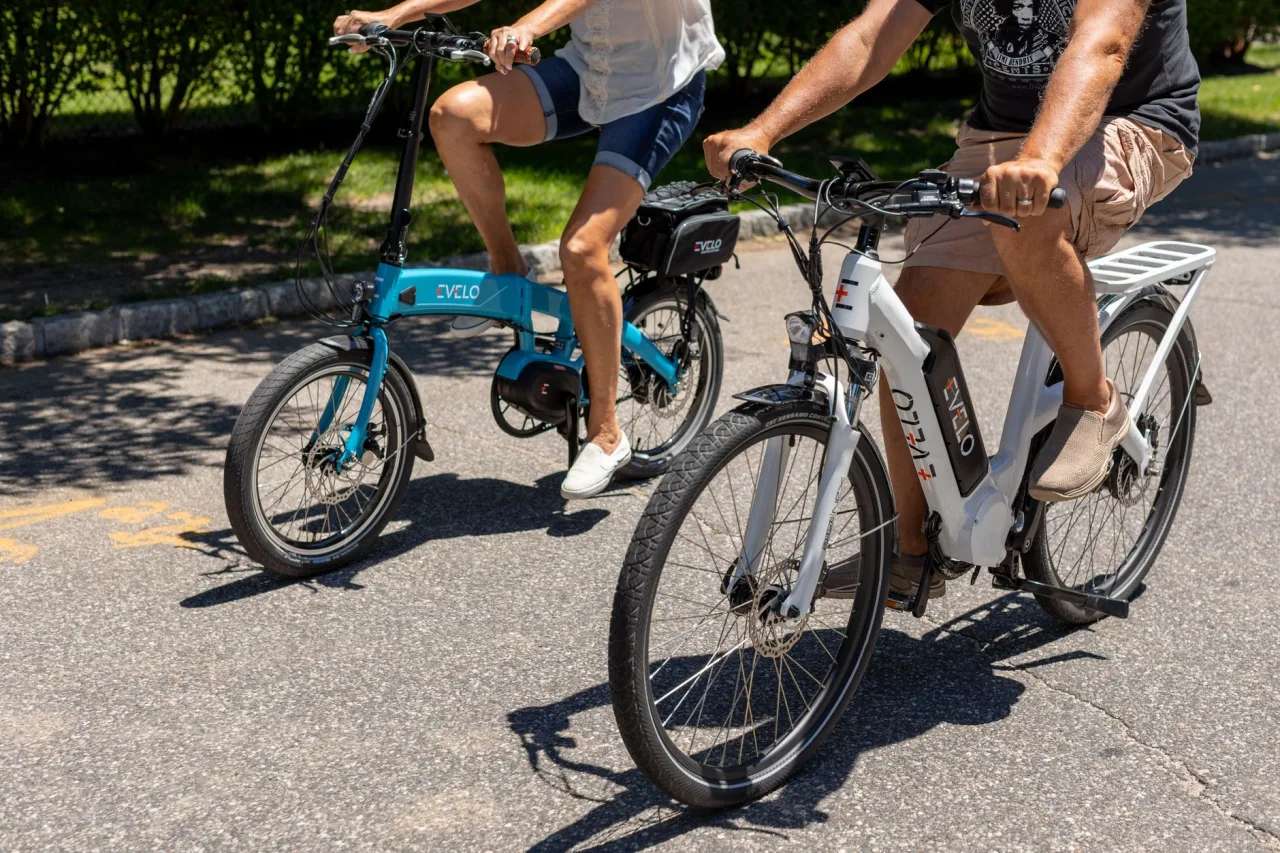
Most of North America uses a three-class framework that governs where you can ride and how fast the motor will help. Standard pedelecs in Europe cap motor output around 250 watts, while the higher US Class 3 category permits up to 750 watts and assist up to about 28 miles per hour. Rules vary by jurisdiction, so confirm what applies where you ride.
- Class 1: Pedal-assist only, no throttle, assist stops around 20 mph. Widely allowed on bike paths.
- Class 2: Adds a throttle, assist typically stops around 20 mph. Path access varies.
- Class 3: Pedal-assist that helps up to roughly 28 mph, usually no throttle. Often restricted to roads and bike lanes rather than shared trails.
Higher-powered machines that exceed these limits, sometimes marketed as S-Pedelecs, can require registration and licensing like mopeds. If a bike claims very high speeds, it may not be legal as a bicycle where you live.
Types of electric bikes
The class tells you how the motor behaves; the type tells you what the bike is for. Matching type to your actual riding is the single most important buying decision.
- Commuter and hybrid e-bikes: upright, comfortable, often with racks, lights, and fenders for daily transport.
- Electric mountain bikes: rugged frames and suspension that let the motor help you climb technical trails, with tuning for terrain and trail-access rules that vary by area.
- Folding e-bikes: compact bikes for apartments, transit, and boats. See the folding electric bike guide for hinge and portability details.
- Cargo e-bikes: long or heavy-duty frames built to haul kids or groceries, where motor assist earns its keep.
- Road and gravel e-bikes: lighter assist systems that add just enough help without dulling a sporty ride.
Motors: hub versus mid-drive
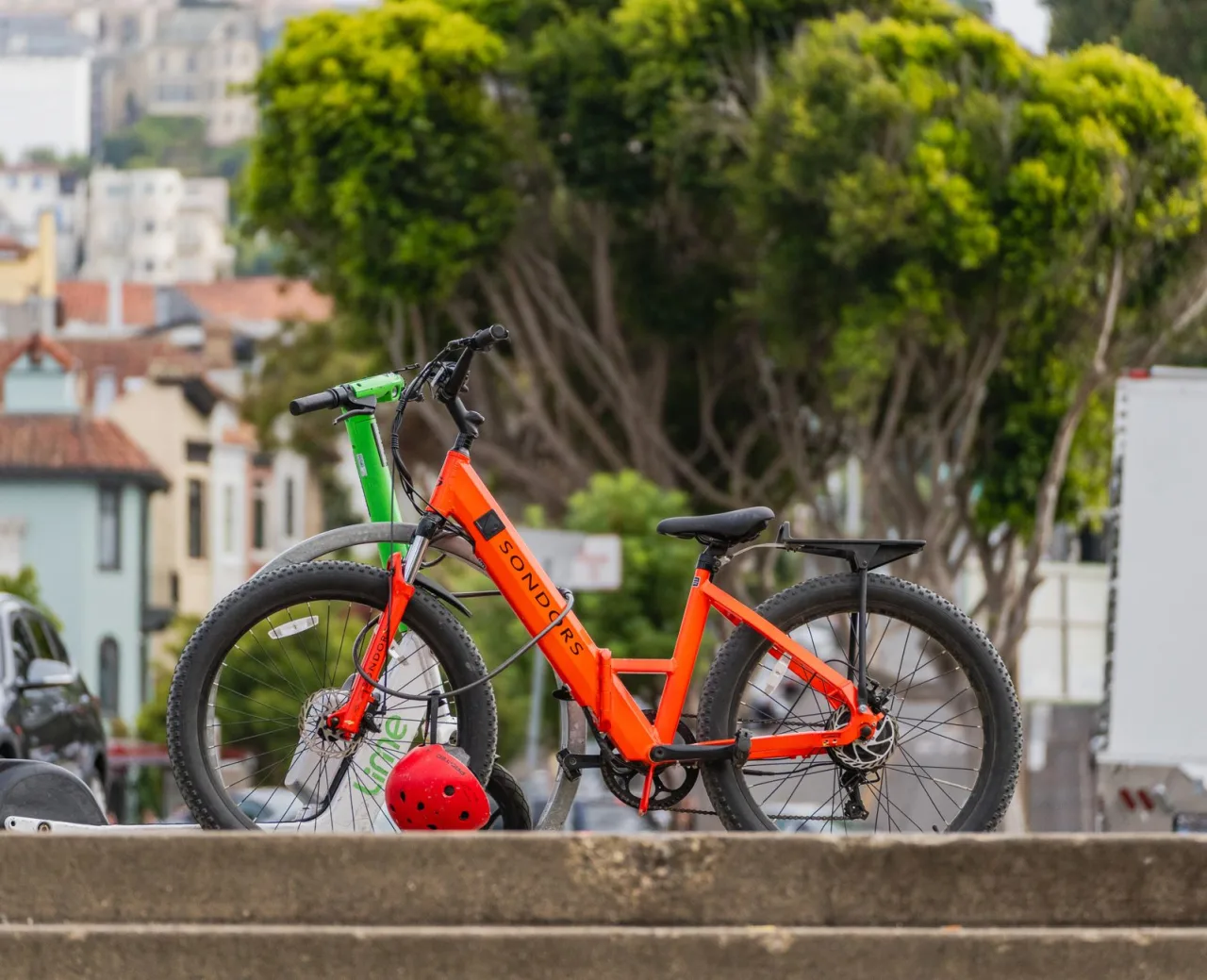
Where the motor sits changes how the bike feels. Both designs work well, and the right one depends on terrain and budget.
- Hub motors live in the wheel, usually the rear. They are quieter to buy, simple, and reliable, and they suit flat commutes well. The trade-off is less natural weight distribution and less punch on steep climbs.
- Mid-drive motors sit at the cranks and drive the chain, using the bike's gears. They climb better, balance the bike well, and feel more like a strong pair of legs. They typically cost more and can wear drivetrains faster.
Warning: watch the total weight
E-bikes are heavy, often 45 to 70 pounds. That is fine while the motor runs, but a dead battery turns a heavy e-bike into a hard bike to pedal, and lifting one onto a car rack or up stairs is real work. If you climb stairs daily or lift the bike often, prioritize a lighter model or a folding design.
Batteries and range
Modern e-bikes almost all use lithium-ion batteries, which offer strong energy density and long service life. Capacity is measured in watt-hours, and more watt-hours generally means more range, though at the cost of weight and price. Lithium iron phosphate packs, when offered, trade some density for improved safety and longevity.
Range claims deserve skepticism. Actual distance depends on rider weight, terrain, wind, assist level, tire pressure, and temperature. A bike advertised at 60 miles might deliver that on flat ground in eco mode with a light rider, and half of it on hills at full assist. Plan around the lower end for peace of mind. Batteries also age, gradually losing capacity over hundreds of charge cycles, so factor eventual replacement into long-term cost.
What an electric bike costs
Prices span an enormous range, so treat any figure as a ballpark and confirm current pricing locally, since promotions and models change constantly. Budget direct-to-consumer commuters can start in the several-hundred-dollar range, mainstream quality bikes from established brands commonly sit in the low-to-mid thousands, and premium mountain or cargo models climb well beyond that. For a fuller breakdown, see our guide to real electric bike prices, and if budget is tight, the roundup of the best cheap electric bikes weighs value against corners cut.
Cheaper is not always worse, but very low prices often mean unbranded motors, weaker warranty support, and harder-to-source parts. A slightly pricier bike from a brand with a local dealer can cost less over its life once you account for service and reliability.
When you compare models, look past the headline price and weigh the parts that are expensive to replace. The motor, battery, and controller are the heart of an e-bike, and a warranty on those components is worth more than a few extra features. Established brands such as Specialized, Trek, and Giant publish their motor and battery warranties clearly, and their dealers can source replacements. Unbranded systems from unfamiliar sellers may be impossible to service in a year or two. Also budget for accessories the bike needs to be genuinely useful: a sturdy lock, lights, and often a rack or fenders. Factoring those in from the start prevents the disappointment of a great bike you cannot safely leave anywhere.
Buying and servicing wisely
E-bikes reward buying from somewhere that can service them. Motors, batteries, and controllers need trained hands, and a good shop matters more here than with a basic bicycle. Our guide to finding a trusted local bike shop explains how to vet a store's service department before you commit.
A few habits protect your investment. Charge the battery in a moderate indoor temperature rather than in freezing or baking conditions, avoid routinely draining it to empty, and store it partially charged if the bike will sit for weeks. Keep the drivetrain clean, since mid-drive motors put extra load on the chain, and have the shop check the motor's software and torque sensor at each service. Treated well, a quality e-bike battery lasts for hundreds of charge cycles before it noticeably fades, and by then a replacement pack is far cheaper than a new bike.
If your main draw to e-bikes is lower emissions and car-free trips, the broader case for assisted cycling as sustainable transport is worth reading; our eco bike guide covers the environmental angle in detail. Whatever you choose, prioritize the right type, honest range expectations, and a shop that can keep the bike running for years.
Frequently asked questions
Do you still have to pedal an electric bike?
On pedal-assist e-bikes, yes, the motor only helps while you pedal. Some models add a throttle that can move the bike without pedaling, but even those ride best with pedaling, and pedal-assist is what keeps most e-bikes legally classified as bicycles rather than mopeds.
What are the three classes of electric bikes?
Class 1 is pedal-assist only with help up to about 20 mph, Class 2 adds a throttle with assist to about 20 mph, and Class 3 is pedal-assist that helps up to roughly 28 mph, usually without a throttle. Local rules govern where each class may ride, so confirm what applies in your area.
How far can an electric bike go on one charge?
Range depends on rider weight, terrain, wind, assist level, and battery capacity, so a single advertised number is usually a best case. A bike rated at 60 miles might reach that on flat ground in eco mode yet deliver far less on hills at full assist, so plan around the lower end.
Is a hub motor or a mid-drive motor better?
Hub motors are simpler, often cheaper, and reliable on flat commutes, while mid-drive motors use the bike's gears to climb better and feel more natural, usually at a higher price. The best choice depends on your terrain and budget rather than one being universally superior.
How much does a good electric bike cost?
Prices vary enormously. Budget direct-to-consumer models can start in the several-hundred-dollar range, mainstream quality bikes commonly sit in the low-to-mid thousands, and premium models climb higher. Confirm current pricing locally, and remember that very cheap bikes often mean weaker warranty support and harder-to-source parts.
More guides on Electric Bikes
Have a question or a topic to suggest?
We read every message. Tell us what you would like to see next on the blog.
Get in touchYou may also like
Electric Bike Price: Real Numbers 2026
A clear-eyed breakdown of electric bike prices in 2026: realistic price tiers, what the battery and motor really cost, new versus used, depreciation and how to avoid overpaying.
Folding Electric Bike Guide
A folding electric bike adds power to your commute without needing a shed or a bike rack. Here is how they work, the trade-offs that define them, and what to check before buying.
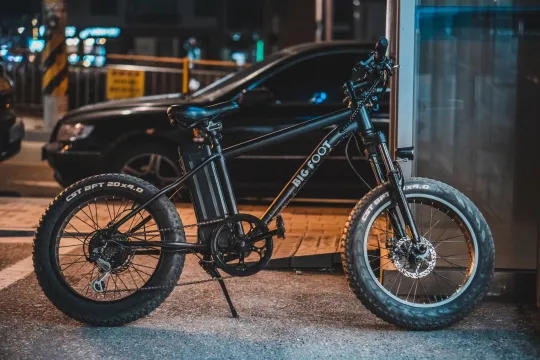
Best Cheap Electric Bike 2026
Cheap and electric no longer contradict each other, but the cheapest bikes cut corners you cannot always see. Here are honest budget tiers and the checklist that matters.