Electric Bikes · Electric Bikes
Fastest Electric Bike
Search for the fastest electric bike and you will find bold speed claims everywhere, most of them missing the fine print that actually matters.
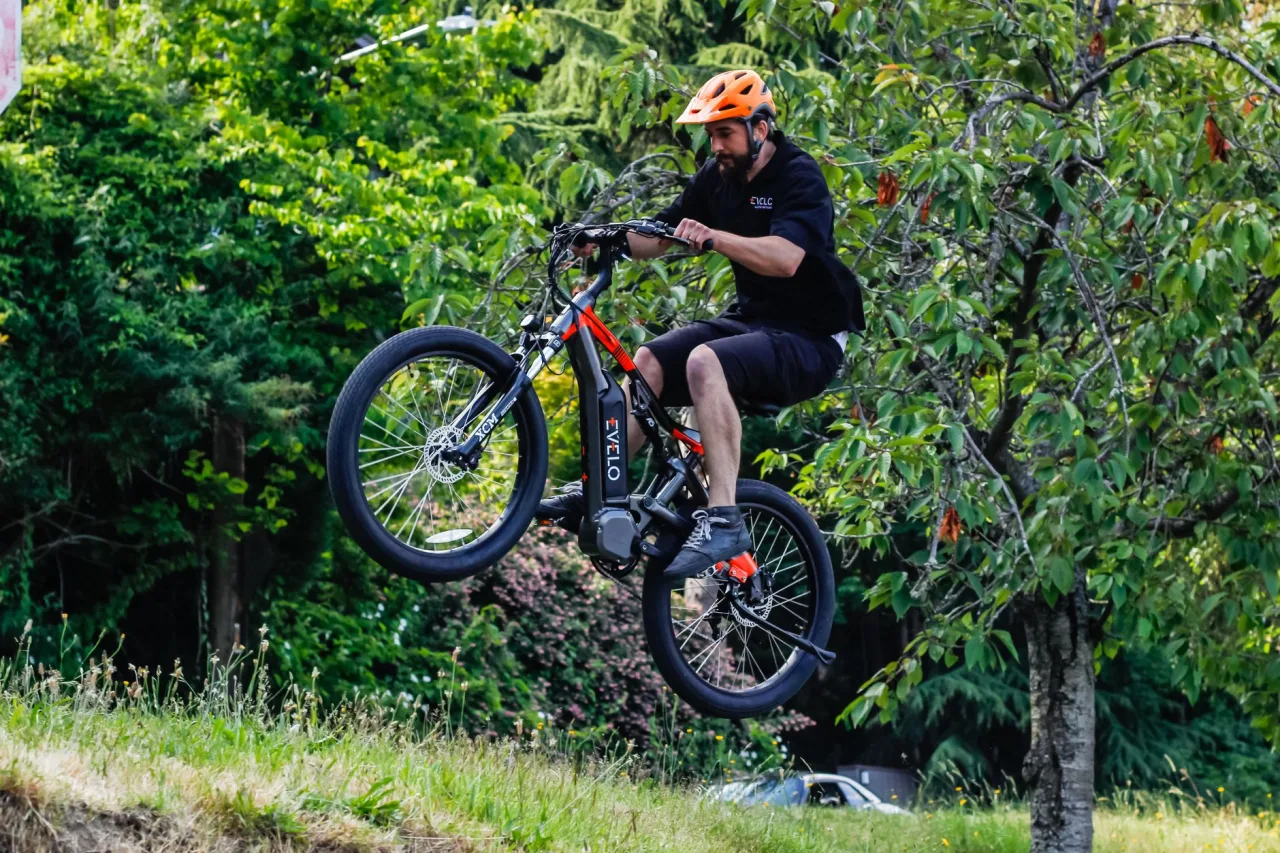
Search for the fastest electric bike and you will find bold speed claims everywhere, most of them missing the fine print that actually matters. This complete guide explains what makes an e-bike fast, what the law lets you do with that speed, and how to judge a real top speed from marketing hype. The goal is a fast bike you can legally and safely ride, not a number on a spec sheet.
The short version
- For a legal bicycle, "fast" usually means a Class 3 e-bike that assists up to about 28 miles per hour on pedal power, not a throttle rocket.
- Motor power, torque, battery voltage, weight, and aerodynamics all shape real speed, so no single number tells the whole story.
- Anything that assists well past 28 mph is often classed as a moped or motorcycle where you live, which brings registration, licensing, and insurance.
- Pick a top speed you can actually use safely, then prioritize brakes, tires, and a solid frame over the highest advertised figure.
What "fastest" really means for an e-bike
Speed on an e-bike comes from two places: your legs and the motor. On a pedal-assist electric bicycle, the motor amplifies your pedaling up to a cutoff speed, after which you are on your own power alone. So the meaningful question is not how fast the bike can theoretically roll downhill, but how fast the motor will keep helping you on flat ground. That assisted cutoff is the number worth comparing, and it is largely set by law rather than by engineering ambition.
Because of that, the "fastest electric bike" in the sense most buyers want is usually a Class 3 pedal-assist model. It helps up to roughly 28 miles per hour, which is genuinely quick on a bicycle and fast enough to keep pace with city traffic on many roads. Bikes that claim 40 or 50 mph exist, but they typically stop being bicycles in the eyes of the law, and we cover that distinction below.
The classes that cap legal speed
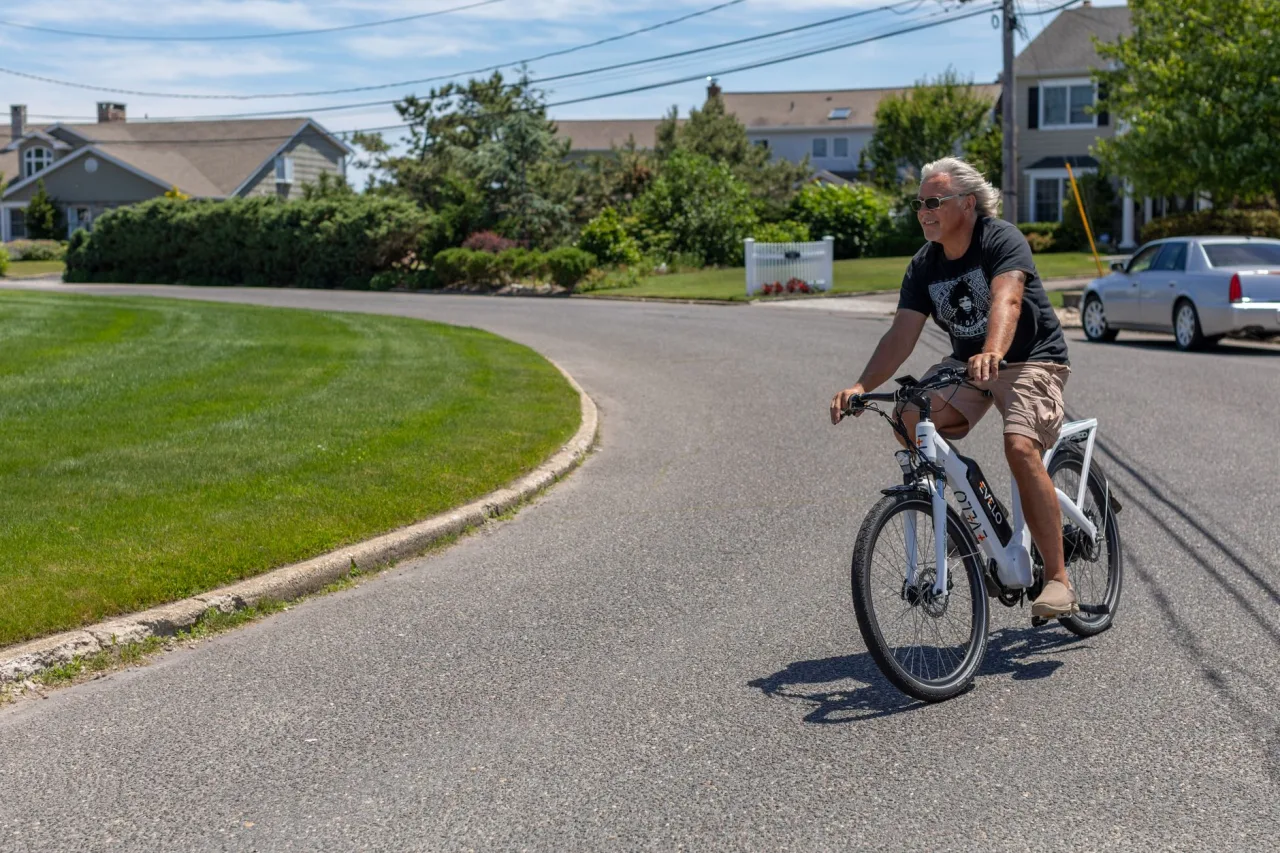
Most of North America uses a three-class framework, and the e-bike laws that define it tie each class to a top assisted speed. Understanding these classes is the fastest way to cut through misleading speed claims.
- Class 1: pedal-assist only, no throttle, assistance stops around 20 mph. Widely allowed on bike paths.
- Class 2: adds a throttle that can move the bike without pedaling, with assistance typically stopping around 20 mph.
- Class 3: pedal-assist that helps up to about 28 mph, usually without a throttle, and often required to have a speedometer. This is the fast lane for legal e-bikes.
Rules vary by jurisdiction, and some places restrict Class 3 bikes from shared trails while allowing them on roads and bike lanes. If your priority is speed, confirm that Class 3 is street-legal where you ride before you spend anything. For the broader picture of how classes, motors, and batteries fit together, our complete electric bike guide is the place to start.
What actually makes an e-bike fast
Two bikes rated at the same 28 mph cutoff can feel very different, because reaching and holding that speed depends on more than the cap. These are the factors that decide how quickly a bike gets up to speed and how easily it stays there.
- Motor power and torque: higher torque, measured in newton meters, gets you moving and up hills faster, while sustained wattage helps hold speed. A punchy mid-drive often feels quicker than a hub motor of similar rating.
- Battery voltage and capacity: higher voltage systems can deliver power more readily, and a larger battery keeps that power available longer before it sags.
- Weight: a lighter bike accelerates and climbs faster for the same power. Heavy fat-tire and cargo builds trade some speed for capability.
- Tires and aerodynamics: narrower, smoother tires roll faster than knobby fat tires, and a lower riding position cuts wind drag, which dominates at higher speeds.
- Gearing: the right gear range lets you keep pedaling effectively near the cutoff instead of spinning out uselessly.
Tip: torque is the number you feel
Peak wattage grabs headlines, but torque is what pins you back from a standstill and drags you up a hill. When two bikes list the same motor power, the one with higher torque, especially a mid-drive, usually feels noticeably faster in everyday riding even if the top speed is identical.
The honest limits of speed claims
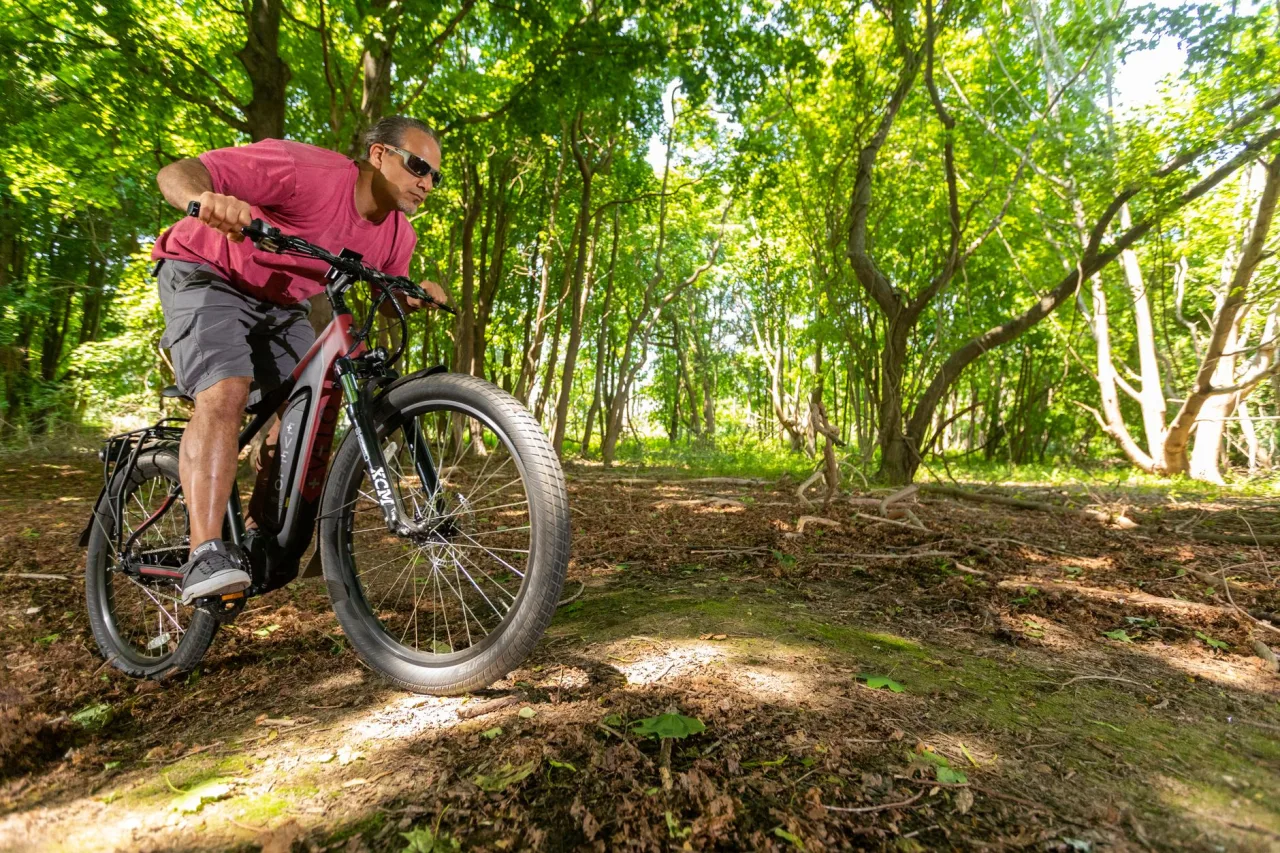
When a listing advertises a very high top speed, read it carefully. That figure is often an unassisted, downhill, or off-road-only number, or it describes a machine that is not a legal bicycle at all. Bikes and electric dirt bikes that assist far past 28 mph, sometimes marketed as off-road or high-power models, can legally qualify as mopeds or motorcycles. That reclassification is not a technicality: it can require registration, a license, insurance, and a helmet rated for motor vehicles, and it usually bans the machine from bike paths.
Real-world speed also falls short of the sticker in ways nobody advertises. Headwind, rider weight, hills, tire pressure, and a fading battery all cut into how fast you actually travel. Treat any single top-speed claim as a best case on flat ground with a fresh charge, and plan around something lower.
Fast does not mean skip the safety gear
The faster you ride, the more your stopping power, tires, and protective gear matter. A bike that helps to 28 mph needs brakes and rubber that can handle that speed repeatedly, not just once. Hydraulic disc brakes, wider high-quality tires, and a stiff frame turn raw speed into control.
Protective equipment scales with speed too. A properly fitted helmet is non-negotiable, and at Class 3 speeds many riders choose more coverage than a basic model offers; our bike helmet guide explains fit and standards. Good lighting matters more at speed because you cover ground faster than drivers expect, so front and rear lights are worth prioritizing. The right add-ons for a fast commuter, from lights to mirrors, are covered in our e-bike accessories guide.
What a fast e-bike costs
Prices span a wide range and change constantly with promotions, so treat any figure as a ballpark and confirm current pricing locally. Capable Class 3 commuters from established brands commonly sit in the mid-thousands, budget direct-to-consumer models can start lower, and premium performance builds climb well beyond. Established brands such as Specialized, Trek, and Giant publish clear motor and battery warranties and have dealers who can service the drivetrain, which matters more on a fast bike that stresses its components. For a fuller breakdown, see our guide to real electric bike prices.
Be wary of unusually cheap bikes advertising very high speeds. Those often pair unbranded motors and controllers with brakes and tires that are not up to the claimed pace, which is exactly where speed becomes dangerous. Buying from a shop that can service the bike is worth the premium; our guide to finding a trusted local bike shop explains how to vet a service department.
Choosing the right fast bike for you
Start with how and where you will ride. For quick urban commuting, a lightweight Class 3 bike with efficient tires and strong brakes will feel fast and stay legal. If your route is hilly, prioritize a torquey mid-drive over a big top-speed claim. If you want speed off pavement, look at purpose-built off-road models, and read our fat tire bike guide to understand the traction-versus-speed trade-off, since those big tires cost you some pace on the road. And if you like the idea of a nimble commuter you can carry indoors, our foldable bike guide weighs portability against outright speed.
The smartest buy is rarely the highest number. It is the fastest bike you can control confidently, ride legally, and have serviced when something wears out. Match the class to your local law, favor torque and braking over headline wattage, and budget for the tires, brakes, and safety gear that make speed usable.
Frequently asked questions
What is the fastest legal electric bike?
In most of North America, the fastest legal bicycle is a Class 3 e-bike, which provides pedal assistance up to about 28 miles per hour and usually has no throttle. Bikes that assist beyond that are often classified as mopeds or motorcycles, which brings registration, licensing, and insurance requirements, so confirm your local rules before buying.
How fast can an electric bike really go?
A Class 3 e-bike assists up to roughly 28 mph on pedal power, and you can pedal faster than that on your own, especially downhill. Very high advertised speeds usually describe machines that are not legal bicycles, or are best-case numbers under ideal conditions. Real speed is reduced by wind, hills, rider weight, and a fading battery.
What makes one e-bike faster than another?
Beyond the legal cutoff, speed depends on motor torque and power, battery voltage and capacity, total weight, tire type, gearing, and aerodynamics. A lighter bike with a torquey mid-drive motor and smooth tires will typically feel faster and hold speed better than a heavy bike with knobby tires, even at the same rated top speed.
Do I need a license for a fast electric bike?
For a Class 1, 2, or 3 e-bike that stays within the legal assist limits, most places do not require a license. Once a machine assists past about 28 mph, it can be reclassified as a moped or motorcycle, which may require registration, a license, insurance, and a motor-vehicle-rated helmet. Rules vary, so check locally.
Is a faster e-bike more dangerous?
Higher speed leaves less time to react and demands more from your brakes and tires, so a fast bike is only as safe as its components and your gear. Prioritize hydraulic disc brakes, quality tires, strong lighting, and a properly fitted helmet, and ride within your comfort and the law rather than chasing the highest possible number.
More guides on Electric Bikes
Have a question or a topic to suggest?
We read every message. Tell us what you would like to see next on the blog.
Get in touchYou may also like
E-Bike Accessories
A new e-bike is a big purchase, and the right accessories are what turn it into a bike you actually rely on every day. This complete guide walks through the add-ons that matter most
Fat Tire Bike
A fat tire bike is instantly recognizable by its enormous, balloon-like tires, and those tires are the whole point. This complete guide explains what fat bikes are built

Foldable Bike
A foldable bike solves a problem no full-size bike can: where do you put it when you are not riding. This complete guide explains how folding bikes work, the folding styles worth knowing