E-Bike Shopping · Electric Bikes
Electric Bikes for Sale: Buyer's Guide
Match the bike to your riding, compare where to buy, and check what matters before you pay.
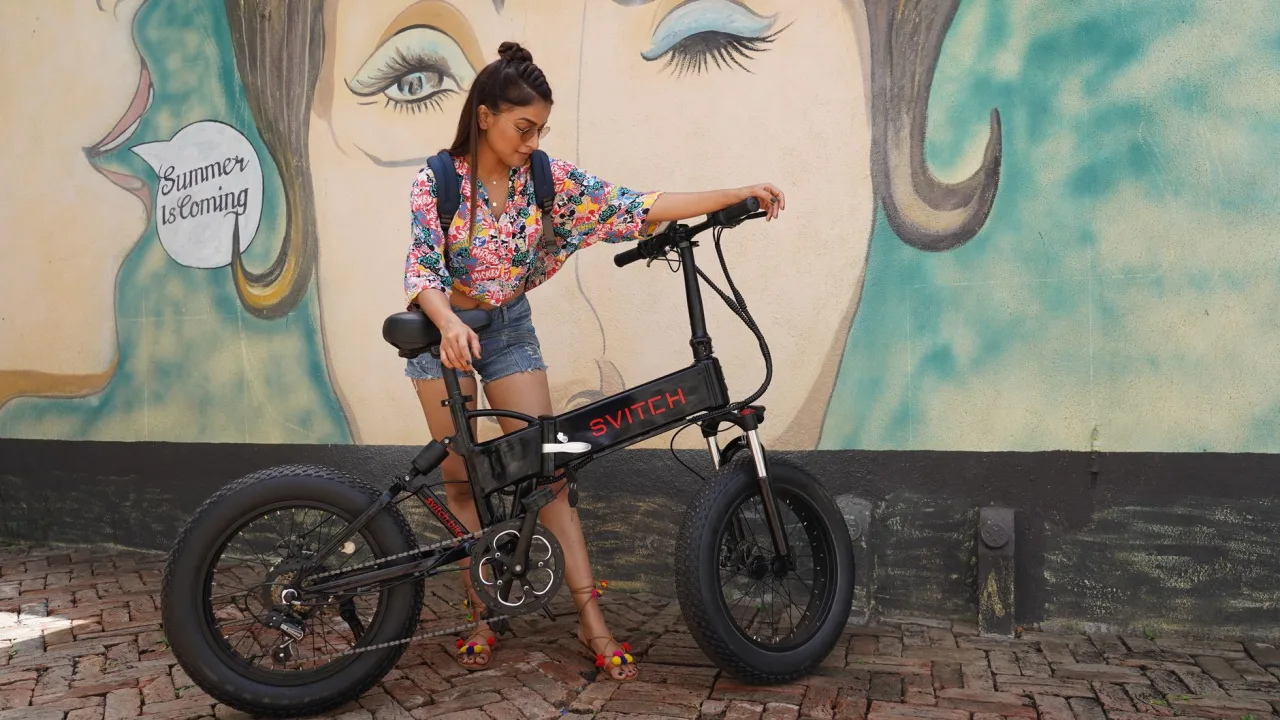
Searching for electric bikes for sale surfaces thousands of options, from direct-to-consumer online brands to boxed bargains and the models on your local shop floor. The hard part is not finding an e-bike, it is choosing the right one from a good source at a fair price. This guide is a practical buyer's framework: how to match a bike to your riding, where to buy safely, and what to check before you pay.
The short version
- Start with how you will ride (commuting, trails, cargo, folding for transit), then shortlist categories, then compare specific models.
- Where you buy matters. A supporting local shop, a reputable direct-to-consumer brand and a well-checked used bike are all valid, with different trade-offs.
- Judge value by battery, motor, brakes and support, not the headline price. The cheapest boxed bike is often the most expensive to run.
- Prices vary widely by region, spec and season. Confirm current figures locally rather than trusting a single quoted number.
Start with how you will ride
The most common buying mistake is shopping for a bike before deciding what you need it to do. An e-bike that is perfect for a hilly commute is not the one you want for weekend trails or for folding onto a train. Nail the use case first and the rest gets much easier.
- Commuting and errands: comfortable upright models with lights, mudguards and a rack. Reliability and range matter most.
- Trails and off-road: electric mountain bikes with suspension and grippy tyres. See our electric mountain bike guide.
- Small spaces and transit: a folding electric bike that stows under a desk or on public transport.
- Longer leisure rides: lighter road-style e-bikes with a natural, subtle assist.
For a full breakdown of every category and how the technology works, our complete electric bike guide is the best place to build your foundation before you shop.
Understanding the price tiers
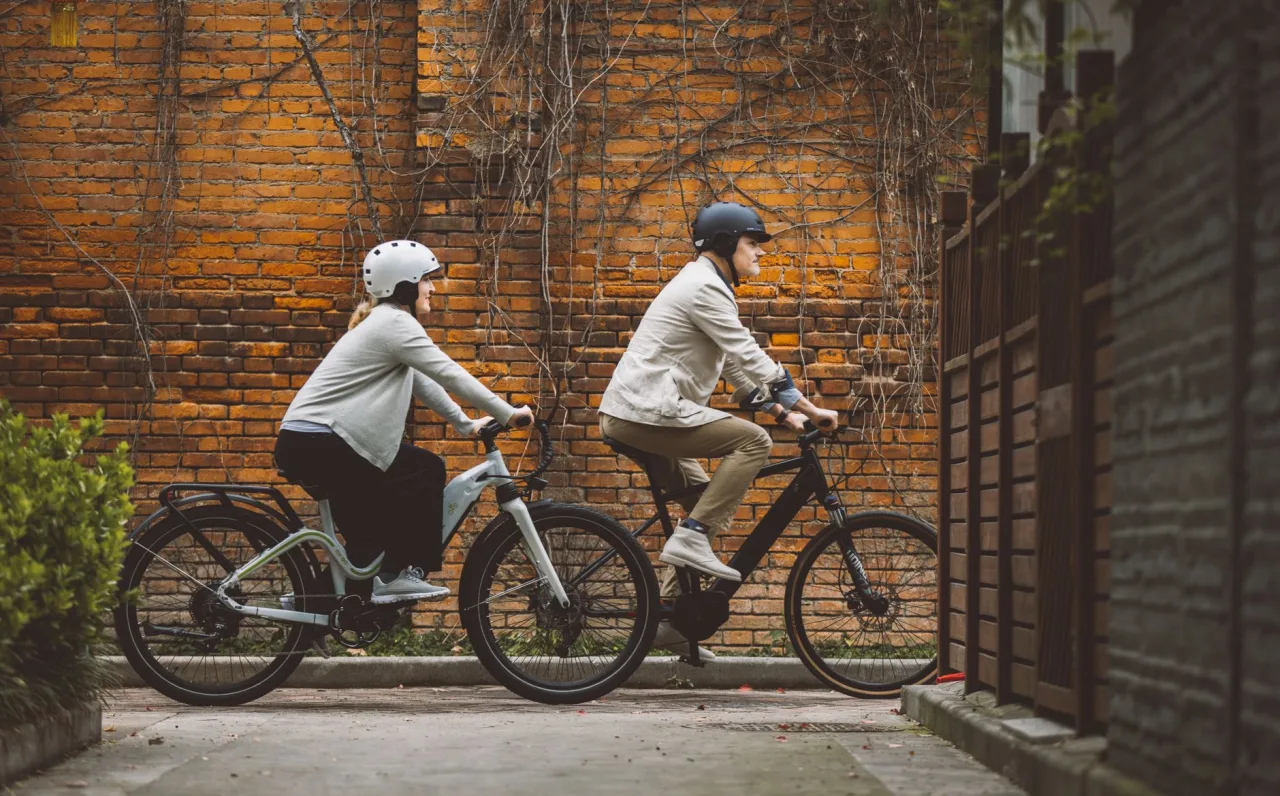
Electric bikes for sale span a huge price range, and knowing the tiers helps you set realistic expectations. Treat these as broad guidance and confirm current figures locally, since they shift with region, specification and seasonal sales.
- Budget (under about 1,000): entry hub-motor commuters and folders. Workable for short, flat trips, with heavier batteries and basic parts.
- Mid (about 1,500 to 3,500): the value sweet spot, with better batteries, reliable braking and brand support.
- Premium (about 4,000 and up): lightweight builds, premium mid-drive motors and full-suspension electric mountain bikes.
For a deeper look at exactly what drives these numbers and how to negotiate, see our companion article on electric bike prices. If your budget is tight, our roundup of the best cheap electric bikes focuses on where the value sits at the lower end.
Where to buy: your options compared
There is no single best place to buy an e-bike. Each channel has genuine strengths and weaknesses, and the right choice depends on how much support you want and how confident you are checking a bike yourself.
- Local bike shop: hands-on advice, correct assembly, a first service and easy warranty support. Usually a small premium, often worth it.
- Direct-to-consumer brands: strong value and clear specs, but the bike arrives boxed and you handle setup, with support at a distance.
- General online marketplaces: the widest choice and the lowest prices, but also the highest risk of poor quality, weak support and hard-to-source parts.
- Used and private sale: the best prices if you inspect carefully. Battery health is the make-or-break factor.
Warning: Be cautious with very cheap boxed e-bikes from unknown sellers. Proprietary batteries, displays and motor parts can be impossible to replace, and safety-critical components like brakes are often where the cost has been cut. A low sticker price can become an expensive dead end.
What to check on any e-bike before you buy
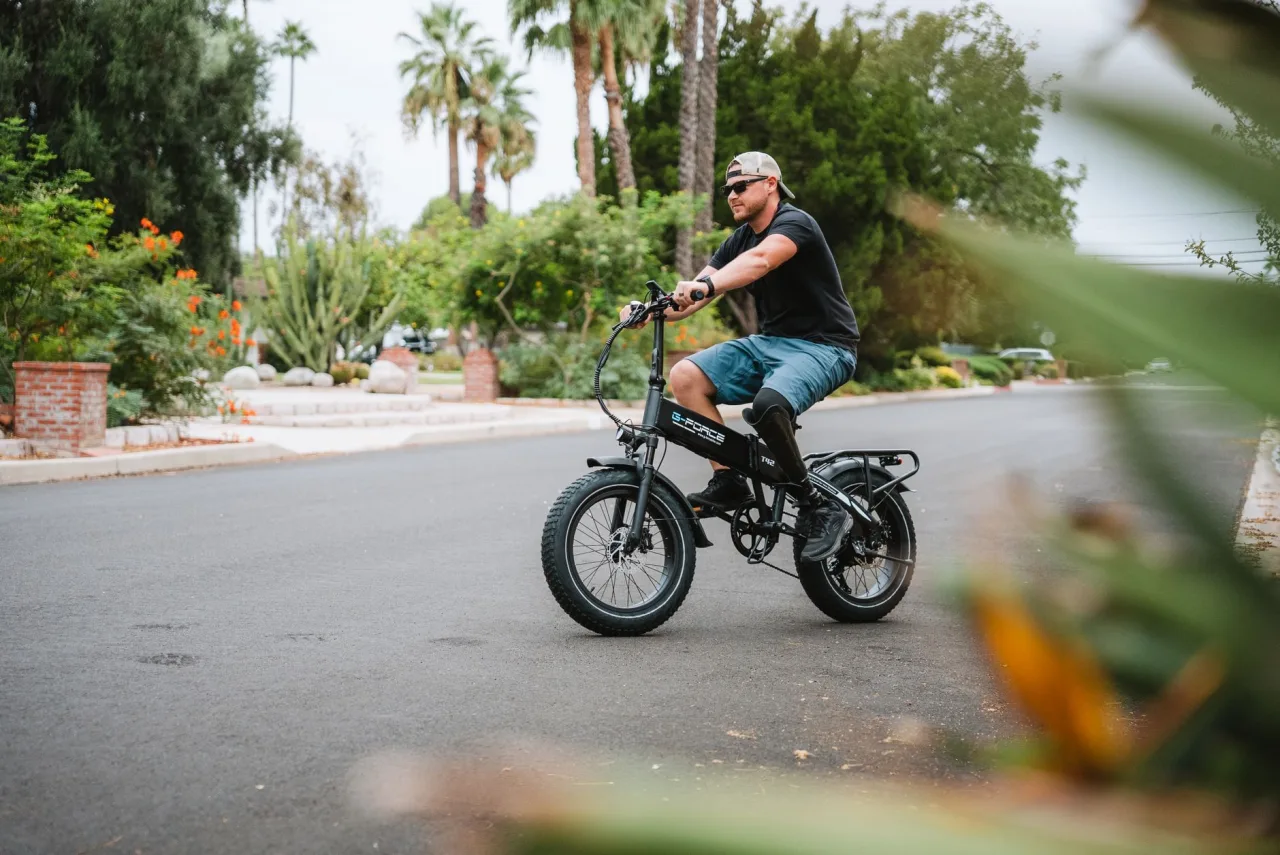
Whether the bike is new or used, a short inspection protects your money. Run through this list on the shop floor or before you meet a private seller.
- Battery: confirm capacity, brand and warranty on a new bike, or age, charge cycles and current range on a used one.
- Motor: test each assist level. Power should come on smoothly and cut cleanly, without lurching.
- Brakes: hydraulic disc brakes are strongly preferred on heavy, faster e-bikes. Check they are firm and even.
- Fit and comfort: the frame size and riding position should suit you. Test ride if at all possible.
- Parts and support: ask how replacement batteries, displays and consumables are sourced and priced.
As Wikipedia's electric bicycle overview notes, battery quality is both a safety and a longevity issue, and some regions now require safety certifications for the battery and charger. Buying certified, supported hardware is a sensible default.
New, used or refurbished
Each condition suits a different buyer. Choosing well means matching the trade-offs to your budget and your appetite for risk.
- New: full warranty, fresh battery and dealer support, at the highest price.
- Refurbished from a reputable seller: often inspected and warrantied, at a discount to new. A good middle path.
- Private used: the lowest price, but you take on the inspection and the battery risk yourself.
If you lean toward used, our second hand bikes guide walks through a thorough inspection, which applies doubly to e-bikes because of the battery.
Budget for the whole package
The bike is not your only cost. Building the extras into your budget from the start avoids a nasty surprise at the till and keeps you and the bike safe and secure.
- Lock: a valuable e-bike deserves a strong lock. See our bike lock guide.
- Helmet and lights: non-negotiable for safety, especially at commuting speeds.
- Assembly and first service: factor these in for online or boxed purchases.
- Ongoing care: tyres, brake pads and periodic servicing over the bike's life.
Manufacturer sites such as Trek list current e-bike models and typical prices, giving you a reliable reference when you compare quotes across channels.
Making your final decision
Once you have a shortlist, a simple final process keeps you objective. Test ride your top choices, compare the total cost including accessories and support, and weigh the value of a local shop that will back the bike over its life. If two bikes are close, the one from the better-supported source is usually the smarter buy.
When you are ready to buy in person, a good dealer makes the whole process easier. Our guide on how to find a trusted local bike shop explains how to tell a knowledgeable shop from a box-shifter, so your money goes toward genuine support and not just a sale.
Frequently asked questions
Is it better to buy an e-bike online or from a local shop?
Online and direct-to-consumer brands often offer strong value and clear specs, but the bike arrives boxed and support is at a distance. A local shop assembles the bike correctly, offers a first service and handles warranty easily, usually for a small premium. If you value hands-on support, the shop is worth it.
What is a fair price for a good electric bike?
For most riders, the value sweet spot is a mid-tier e-bike in the region of 1,500 to 3,500, which balances battery quality, braking and support. Budget models under 1,000 suit short flat trips but compromise on parts. Prices vary by region and spec, so confirm current figures locally.
Are cheap electric bikes worth it?
Some budget e-bikes are genuinely good value, but the cheapest boxed models from unknown sellers often cut costs on brakes and use proprietary parts that are hard to replace. Focus on battery quality, reliable braking and parts availability rather than the lowest sticker price.
What should I check before buying a used e-bike?
Battery health is the priority: ask the age, the number of charge cycles and whether it still holds close to its original range. Then test the motor across its assist levels, check the brakes, confirm the fit, and ask how replacement parts are sourced. A worn battery is expensive to replace.
Do I need anything besides the bike?
Yes. Budget for a strong lock, a helmet and lights as safety and security essentials, plus assembly and a first service for online purchases, and ongoing costs like tyres, brake pads and servicing. Building these into your total gives you the true cost of ownership.
More guides on Electric Bikes
Have a question or a topic to suggest?
We read every message. Tell us what you would like to see next on the blog.
Get in touchYou may also like
Electric Bike: The Complete Guide
Everything you need before buying an e-bike: how the motor and classes work, hub versus mid-drive, battery range, the main types, and what a good electric bike really costs.
Electric Bike Price: Real Numbers 2026
A clear-eyed breakdown of electric bike prices in 2026: realistic price tiers, what the battery and motor really cost, new versus used, depreciation and how to avoid overpaying.
Best Cheap Electric Bike 2026
Cheap and electric no longer contradict each other, but the cheapest bikes cut corners you cannot always see. Here are honest budget tiers and the checklist that matters.