Helmet Guide · Gear & Accessories
Bike Helmet: The Complete Guide
Standards, MIPS, fit and types, so you choose a certified helmet that fits and protects.
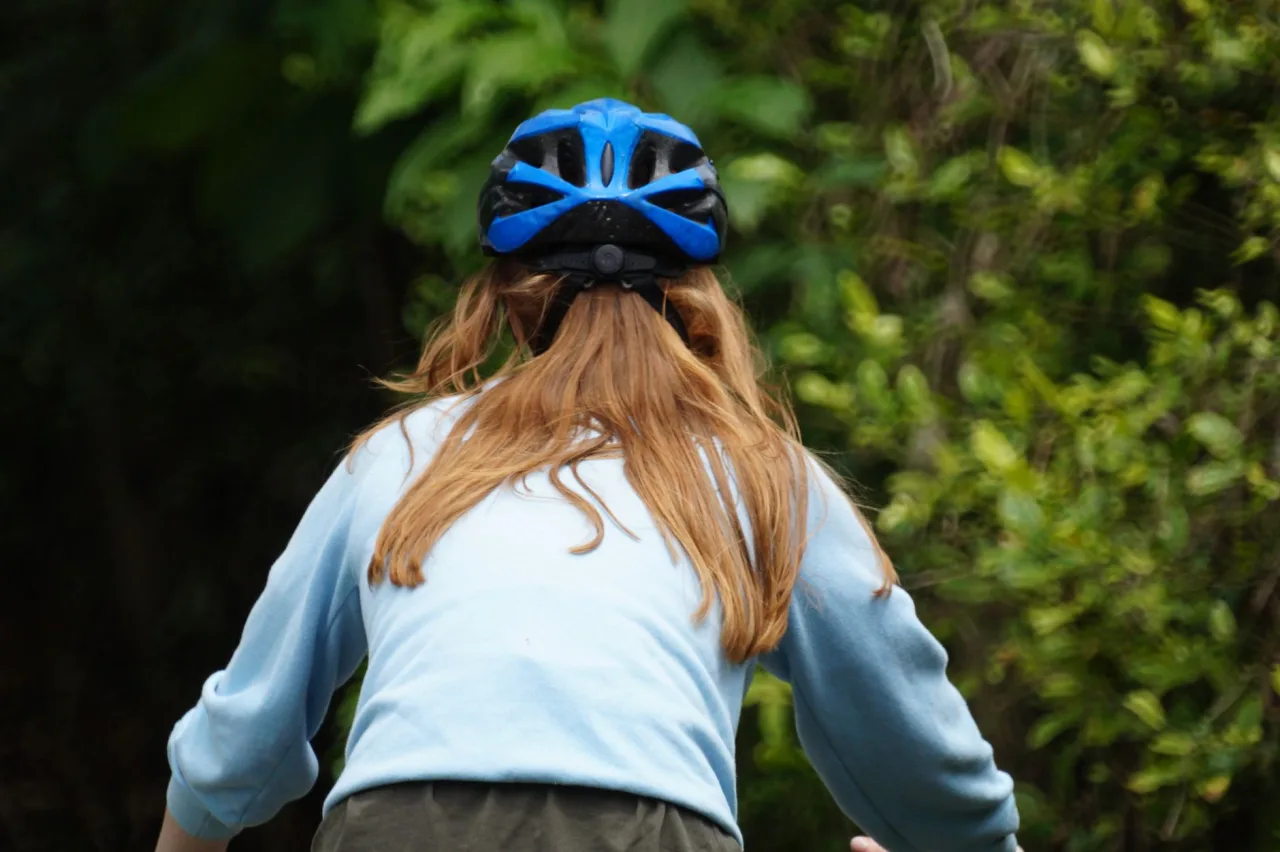
A bike helmet is the single most important piece of cycling gear you will ever buy, and also the easiest to get wrong. A helmet only protects you if it meets a real safety standard, fits your head correctly, and is worn level and buckled. This guide covers standards, fit, types, and how to choose one you will actually want to wear.
The short version
- Any helmet worth buying meets a recognised safety standard. In the United States that is the mandatory CPSC standard; Europe uses EN 1078.
- Fit matters as much as the standard. A helmet must sit level, low on the forehead, and snug enough that it does not shift when you shake your head.
- MIPS and similar systems are designed to reduce rotational forces in angled impacts, an area basic standards do not fully test.
- A safe, well-fitting helmet can cost as little as 40 to 80 US dollars. Higher prices buy lighter weight and better ventilation, not necessarily more safety. Prices vary, so confirm locally.
Why a helmet matters
Cycling is a healthy, efficient, and largely safe activity, but the one injury you most want to avoid is to your head. A helmet cannot prevent every injury, and it is not a substitute for riding predictably and being visible. But in a fall or crash, it is designed to absorb energy that would otherwise reach your skull. That is worth a few minutes spent choosing and fitting one properly.
Understand the safety standards

The most important thing on a helmet is not the brand or the price, it is the certification sticker inside. According to Wikipedia's bicycle helmet reference, every bicycle helmet sold in the United States must meet the mandatory CPSC standard introduced in 1999, while the European standard is EN 1078 and Australia and New Zealand use AS/NZS 2063. The older Snell B90 and B95 standards are voluntary and stricter.
The practical takeaway is simple: buy a helmet that carries the standard for your region. A certified budget helmet protects your head to the same tested baseline as a certified expensive one. What you pay more for is weight, ventilation, adjustment quality, and looks.
Buyer tip
- Check the certification sticker before you buy, and be cautious with novelty or unbranded helmets sold without one. A helmet that fails to meet a real standard is not protection, it is a hat.
How a helmet is built
Most bicycle helmets use a liner of expanded polystyrene (EPS) foam that crushes to absorb impact energy, bonded to a thin plastic shell. Wikipedia notes that "in-mould micro shell" construction, which appeared around 1990, allows larger vents and more complex shapes than older hard shells. The EPS foam is the part that does the safety work: it is designed to deform once, in a single serious impact, which is why a crashed helmet must be replaced even if it looks fine.
MIPS and rotational protection
Standard CPSC and EN 1078 tests mainly measure straight-line (linear) impacts. Real crashes are often angled, producing rotational forces that can cause concussion. Systems such as MIPS add a low-friction layer that allows the helmet to slide slightly relative to the head during an angled impact, which is intended to reduce those rotational forces. It is a genuine feature worth considering, though it is an addition to a certified helmet, not a replacement for one. Do not assume a helmet is safe just because it has MIPS: confirm it also carries the base standard.
Getting the fit right
A perfectly certified helmet does nothing if it is loose or tilted back. Fit is where most people go wrong. Follow these steps:
- Measure your head. Wrap a tape measure around the widest part, just above the eyebrows, and match it to the maker's size chart.
- Sit it level. The front edge should sit low on your forehead, about one to two finger-widths above your eyebrows, not tipped back.
- Snug the cradle. Use the rear adjustment dial so the helmet stays put when you shake your head with the straps undone.
- Set the side straps. The straps should form a V just below each ear.
- Buckle and check. With the chin strap done up, you should fit only about one finger between the strap and your chin. It should feel secure, not choking.
If you are buying for a child, a good fit is even more important, and worth doing in person. Our kids bikes guide covers sizing young riders, and a local shop can fit a growing head properly.
Matching the helmet to your riding
- Road and sport riders: Light, well-ventilated helmets with aerodynamic shaping. Ideal alongside a road bike.
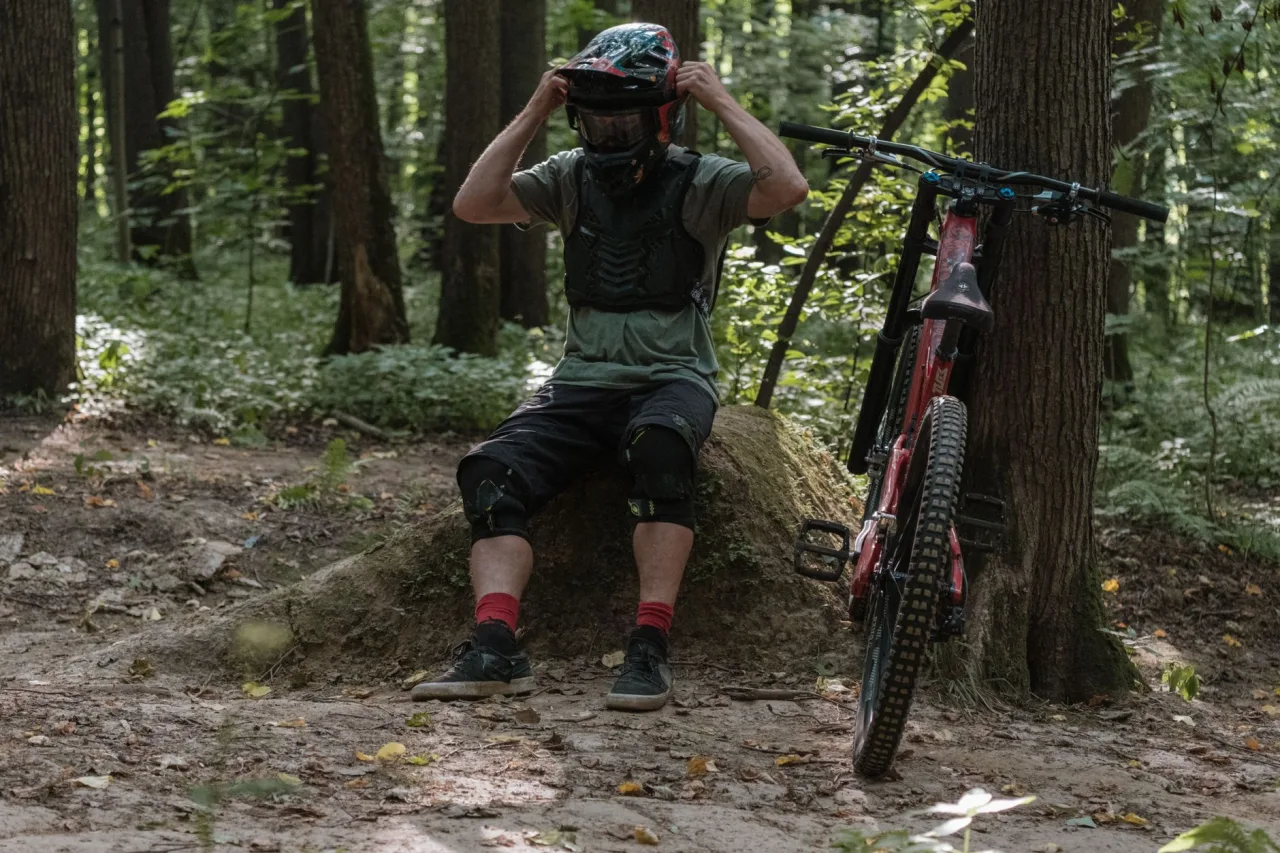
- Mountain bikers: Helmets with more rear-head coverage and a visor, and full-face options for downhill. See the mountain bike guide.
- Commuters and city riders: Comfortable, often with integrated lights or reflectivity, sometimes rated to higher urban standards.
- BMX and skatepark riders: Skate-style helmets covering the back of the head, or full-face for serious trick riding. See our BMX bikes guide.
All of these still need to meet the base bicycle standard. The differences are in coverage, shape, and ventilation, chosen for how you ride.
Warning
- Replace a helmet after any significant impact, even if there is no visible crack. The EPS foam is designed to crush once, so its protection may be spent even when the shell looks intact. Also replace helmets that are several years old, as materials and straps degrade over time.
Realistic bike helmet prices in 2026
Prices vary by brand, features, and region, so treat these as ranges and confirm locally.
- Certified entry helmet: roughly 40 to 80 US dollars, and safe to the same tested baseline as pricier models.
- Mid-range (MIPS, better fit and vents): roughly 80 to 160.
- High-end road or performance: roughly 160 to 300 plus.
- Full-face MTB or BMX: roughly 120 to 400 plus.
Reputable helmet brands include Giro, Bell, Specialized, POC, Lazer, and Kask, among others. You do not need to spend at the top of the range to be safe. Spend what buys you a helmet you find comfortable and will wear every ride, since the safest helmet is the one on your head. A helmet is a core part of your kit, alongside the items in our cycling gear guide.
Frequently asked questions
How do I know a bike helmet is safe?
Check that it carries the mandatory safety standard for your region, printed on a sticker inside. In the United States that is the CPSC standard, in Europe it is EN 1078, and in Australia and New Zealand it is AS/NZS 2063. A certified budget helmet meets the same tested baseline as an expensive one, so avoid uncertified novelty helmets.
Is a more expensive helmet safer?
Not necessarily. Any helmet meeting your region's standard protects to the same tested baseline. Paying more generally buys lighter weight, better ventilation, easier adjustment, and features like MIPS, rather than a higher basic safety rating. The best helmet is a certified one that fits you well and that you will wear on every ride.
What is MIPS and do I need it?
MIPS is a low-friction layer that lets the helmet slide slightly during an angled impact, which is designed to reduce rotational forces that basic standards do not fully test. It is a genuine and worthwhile feature, but it is an addition to a certified helmet, not a replacement for one. Always confirm the helmet also meets the base standard.
How should a bike helmet fit?
It should sit level and low on your forehead, about one to two finger-widths above the eyebrows, and stay put when you shake your head with the straps undone. Adjust the rear cradle for snugness, set the side straps into a V below each ear, and leave about one finger of room under the buckled chin strap.
When should I replace my bike helmet?
Replace it after any significant impact, even without a visible crack, because the foam is designed to crush once and its protection may be used up. Also replace a helmet that is several years old, since straps and materials degrade over time. A cracked, loose, or previously crashed helmet should never be relied on.
More guides on Gear & Accessories
Have a question or a topic to suggest?
We read every message. Tell us what you would like to see next on the blog.
Get in touchYou may also like
BMX Bikes: The Complete Guide
A clear guide to BMX bikes: race vs freestyle, the parts that matter, wheel sizing for kids and adults, and realistic prices so you buy the right bike.
Road Bike: The Complete Guide
Choose the right road bike with confidence: the main types, frame materials, components that matter, why fit beats everything, and how much to sensibly spend.

Mountain Bike: The Complete Guide
Everything you need to choose a mountain bike: the main types, wheel sizes, key components, how to pick your first bike and the gear and care that keep it running.