Gear Guide · Gear & Accessories
Bike Lights: The Complete Guide
Types, lumens, beam shape, charging, and the law: how to choose bike lights that keep you visible day and night.
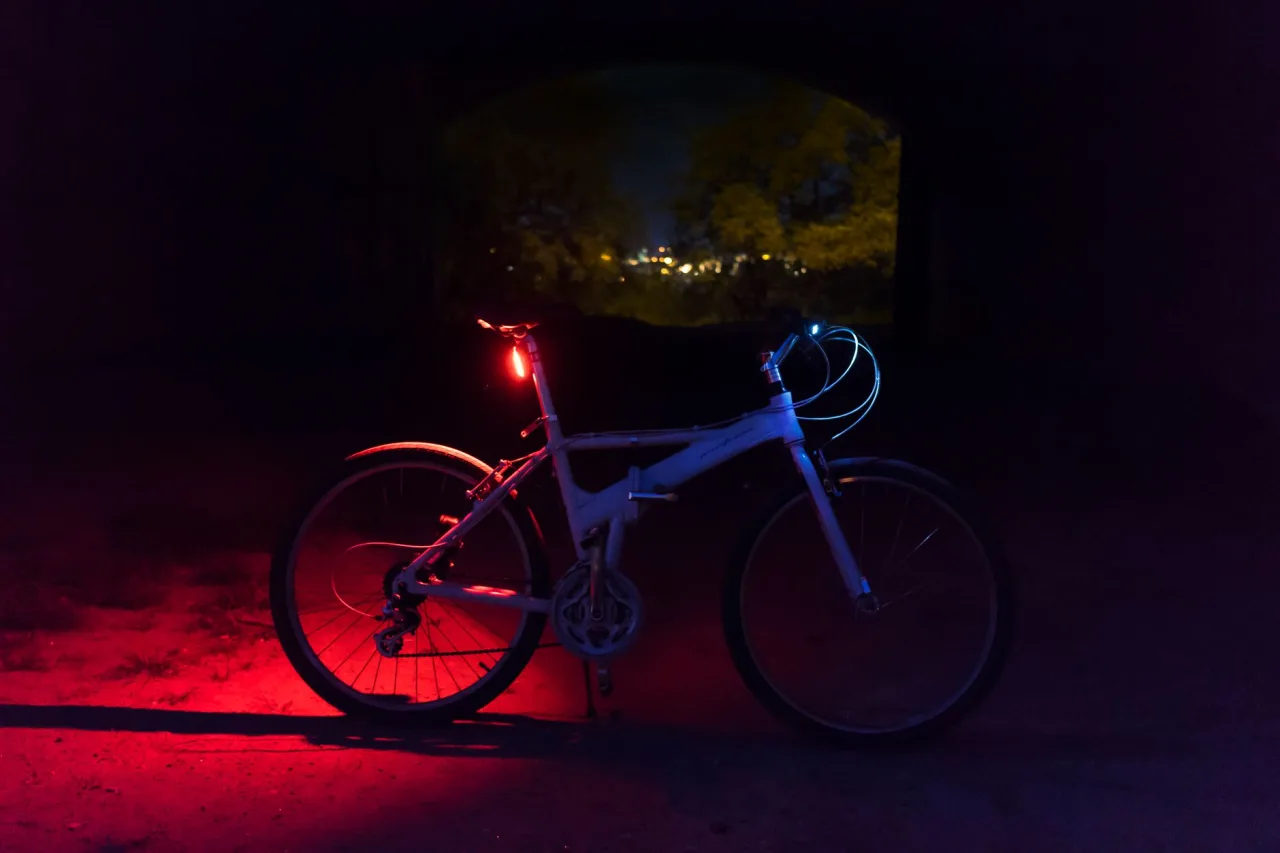
Bike lights are the difference between being seen and being a surprise. Whether you ride at night, commute through dark winter mornings, or just want a safety margin at dusk, the right lights make you visible to drivers and light up the road ahead. This guide covers the types, brightness, mounting, and how to choose a set that actually keeps you safe.
The short version
- You need two things: a white front light and a red rear light. Front lights either help you be seen or help you see, and stronger units do both.
- Brightness is measured in lumens. A commuter on lit streets is fine with a modest front light, while an unlit trail needs a much brighter beam.
- Modern lights are almost all LED and rechargeable by USB. Runtime, mounting, and beam shape matter as much as raw brightness.
- Local rules on steady versus flashing modes vary by country, so check what is legal where you ride. Prices range widely, so confirm locally.
Why bike lights matter
Being seen is the single biggest safety gain a cyclist can make in low light. According to Wikipedia's bicycle safety reference, the majority of fatal car-bike collisions happen in the evening hours, when failing light and driver glare combine with heavier traffic. A driver who sees you early has time to react, and lights are the cheapest, most reliable way to make that happen. Even in daytime, a flashing front or rear light noticeably increases how far away drivers notice you.
Lights are a core part of your kit rather than an optional extra. They belong alongside the essentials in our cycling gear guide, and many riders now fit them permanently so they are never caught out.
Be seen versus see the road
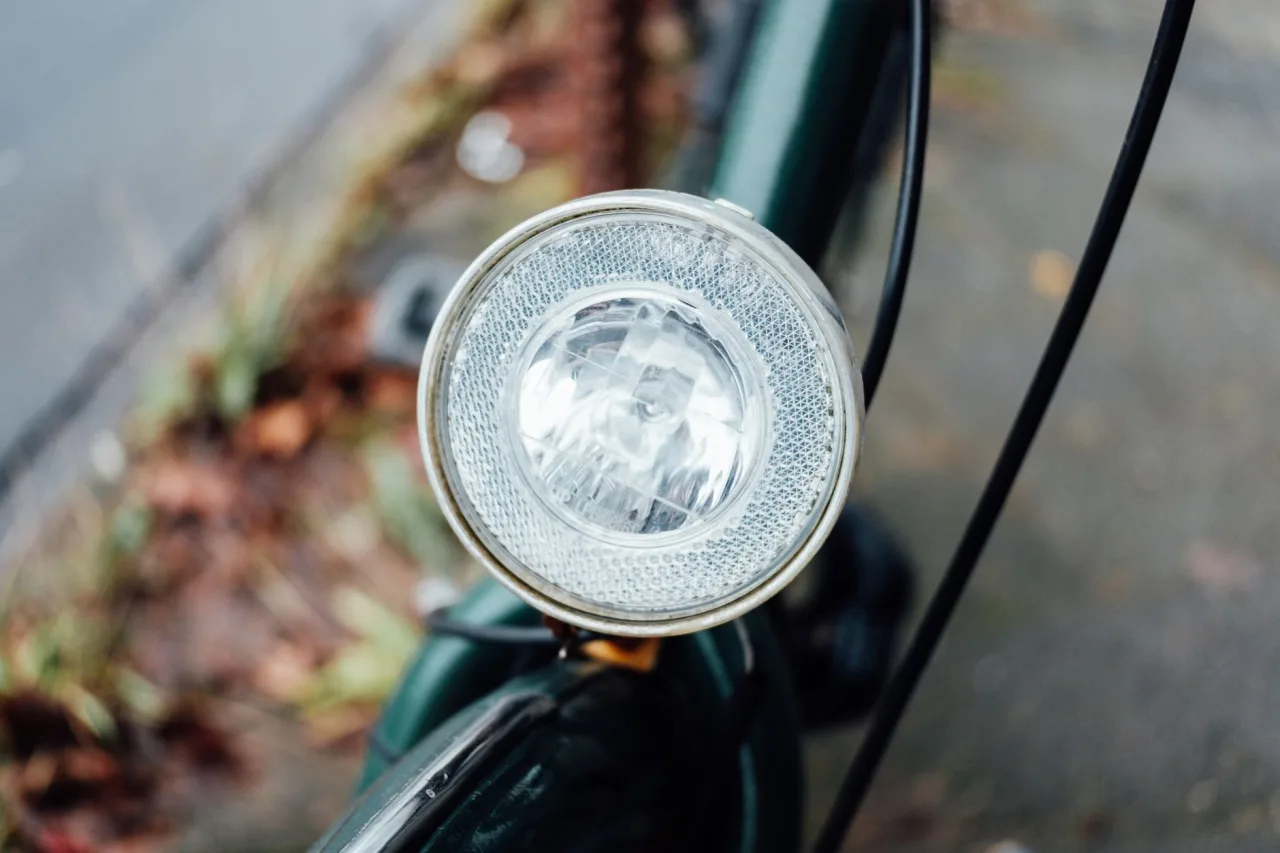
Front lights split into two jobs, and understanding the difference stops you from overspending or underbuying.
- Be seen lights: Lower-power units, often flashing, designed to make you visible to others on streets that already have their own lighting. Compact and long-running.
- See the road lights: Higher-power units with a shaped beam that actually illuminate the surface ahead, essential on unlit roads, trails, and country lanes.
Rear lights are almost always be seen lights: a red LED that marks your position for traffic behind. Many riders run a steady rear light plus a second flashing one for extra conspicuity.
Understanding lumens and beam shape
As Wikipedia's bicycle lighting reference explains, virtually all bike lights today are LED-based, and their output can be described in watts, candelas, lumens, and lux. Lumens, the total light output, is the number most brands advertise, but it does not tell the whole story. A well-shaped beam that puts light on the road is more useful than a raw floodlight that dazzles oncoming traffic and wastes output on the sky.
As a rough guide for front lights, treat these as starting points and confirm against your own routes:
- Lit urban streets (be seen): roughly 100 to 400 lumens.
- Mixed dark roads: roughly 400 to 800 lumens.
- Unlit trails and fast descents: 800 lumens and up, often with a wide and a spot beam.
Rear lights need far fewer lumens to do their job, typically 20 to 100, because the eye is very sensitive to a red point of light in the dark.
Buyer tip
- Do not chase the highest lumen number alone. A 1000 lumen light on a narrow beam can be less useful on a trail than an 800 lumen light with a broad, well-shaped pattern. Where possible, look at beam-shot comparisons rather than just the headline figure.
Power, runtime, and charging
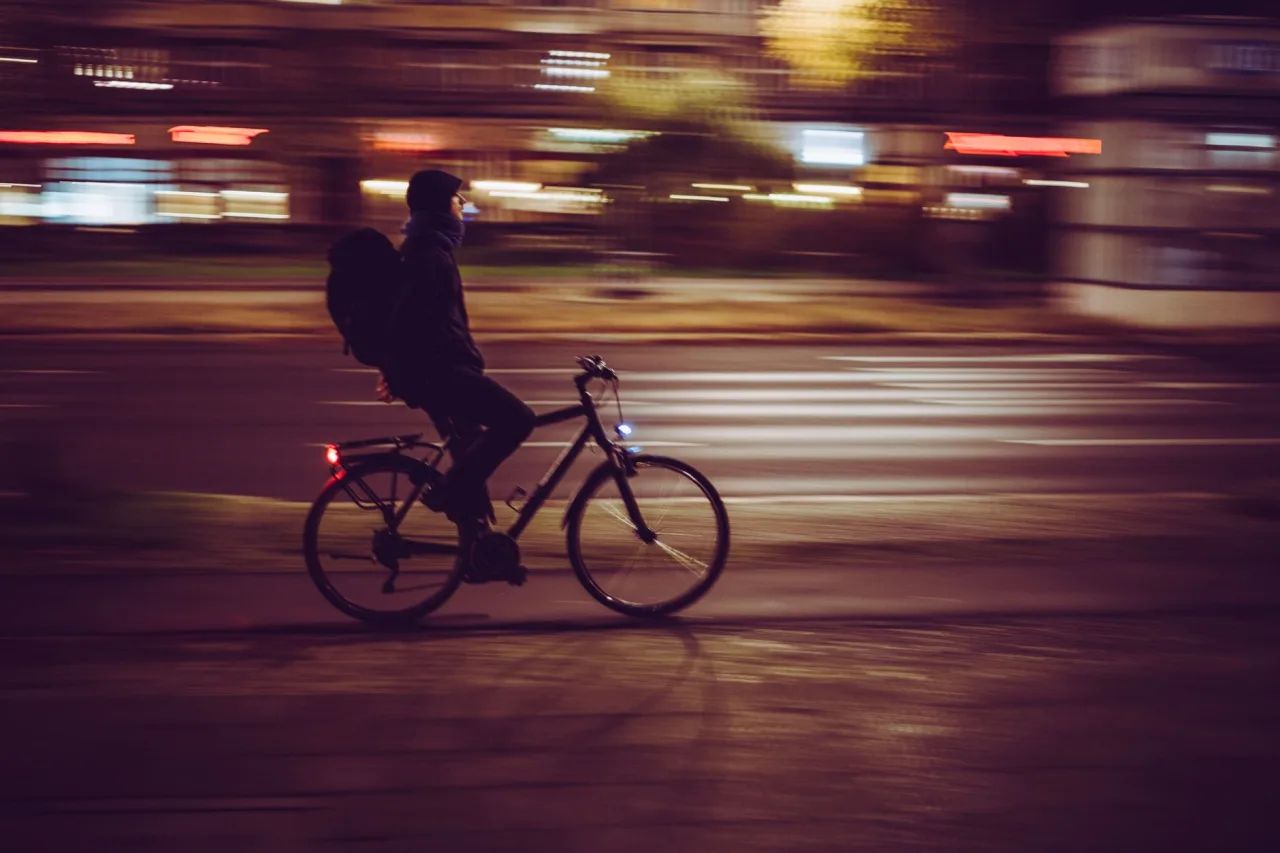
Most quality lights now use built-in rechargeable batteries charged over USB, which is convenient but means you must remember to charge them. Check the quoted runtime at the brightness you will actually use, since the maximum setting often lasts a fraction of the low setting. Some commuting and touring riders prefer a hub dynamo, a small generator built into the front wheel that powers the lights whenever you ride, so there is nothing to charge and nothing to forget. Dynamos cost more up front and are worth it mainly for high-mileage daily riders.
Whatever the power source, carry awareness of your remaining runtime the way you track a phone battery. A light that dies halfway home is worse than no plan at all.
Steady versus flashing, and the law
Flashing lights grab attention and save battery, but the rules differ by country. The Wikipedia lighting reference notes that the UK permits flashing lights within a set flash-rate range, while Germany and the Netherlands prohibit flashing rear lights entirely and require approved steady lamps. Many jurisdictions also set minimum output or reflector requirements. The practical advice is to check your local regulations, and when in doubt run a steady light for road illumination plus a flashing light purely for conspicuity.
Reflectors are a useful backup because they work even when a battery is flat, but they are not a substitute for active lights. A reflector only shows up when a driver's headlights hit it directly.
Mounting, theft, and everyday practicality
A light is only useful if it is on the bike when you need it. Consider these practical points:
- Quick-release mounts let you take lights indoors to charge and to stop them being stolen. Rubber-strap mounts fit almost any bar or seatpost.
- Helmet lights point wherever you look, which is handy on trails and at junctions, and pair well with a bar light.
- Weather sealing matters if you ride in rain. Look for a stated water-resistance rating.
- Security is worth a thought: lights are a common grab-and-go target, so remove them when you lock up in public. Pair this habit with a good bike lock.
Warning
- Aim your front light down towards the road, not level into oncoming eyes. A powerful light pointed too high dazzles drivers and other cyclists, which makes everyone less safe, including you.
Realistic bike light prices in 2026
Prices vary by brand, output, and region, so treat these as ranges and confirm locally.
- Basic be seen front and rear set: roughly 20 to 50 US dollars.
- Mid-range commuter lights: roughly 50 to 120 for a capable front plus rear.
- High-power trail and road lights: roughly 120 to 300 plus for the front unit alone.
- Dynamo systems: variable and higher, since they include a hub and wiring.
Reputable lighting brands include Bontrager, Lezyne, Cateye, Knog, Exposure, and Light and Motion, among others. You do not need the brightest set on the shelf. Buy what suits your darkest regular route, keep it charged, and fit a rear light every ride. If you are shopping for a fuller setup, our guides to the road bike and mountain bike cover how lighting needs change with the type of riding you do.
Frequently asked questions
How many lumens do I need for a bike light?
It depends on where you ride. On lit city streets a be seen front light of roughly 100 to 400 lumens is enough, mixed dark roads suit around 400 to 800 lumens, and unlit trails or fast descents want 800 lumens or more with a well-shaped beam. Rear lights need far fewer, typically 20 to 100 lumens, because a red point of light is very visible in the dark.
Do I really need both front and rear lights?
Yes. A white front light and a red rear light are both essential so you are visible from ahead and behind, and in many places both are legally required after dark. The front light also lets you see the road on unlit routes. Reflectors are a useful backup but do not replace active lights, since they only show up when a driver's headlights hit them.
Should my bike lights flash or stay steady?
It depends on local law and situation. Flashing modes attract attention and save battery, but some countries prohibit flashing rear lights and require steady approved lamps. A common approach where it is legal is a steady light to illuminate the road plus a flashing light purely for conspicuity. Always check the rules where you ride.
Are USB rechargeable lights better than battery ones?
For most riders, yes. USB rechargeable LED lights are convenient and avoid buying disposable cells, but you must remember to charge them and watch the runtime at your chosen brightness. High-mileage daily commuters may prefer a hub dynamo, which powers the lights whenever you ride so there is nothing to charge, at a higher up-front cost.
How do I stop dazzling other people with my bike light?
Aim the front light down towards the road surface a few metres ahead rather than level into oncoming eyes. A powerful beam pointed too high dazzles drivers and other cyclists and reduces everyone's safety. A light with a shaped beam that concentrates output on the road, rather than a bare floodlight, also helps.
More guides on Gear & Accessories
Have a question or a topic to suggest?
We read every message. Tell us what you would like to see next on the blog.
Get in touchYou may also like
Cycling Gear: The Complete Guide
The right cycling gear keeps you safe, comfortable, and your bike secure. Here are the essentials, from helmet to lock, and what actually matters.
Bike Lock: The Complete Guide
U-locks, chains, cables and folding locks compared, plus a locking strategy that actually works and realistic prices for a lock worth trusting.

Bike Helmet: The Complete Guide
Safety standards, MIPS, and step-by-step fitting explained, plus helmet types for every rider and realistic prices for safe protection.