Bike Types · Cycling (General)
Types of Bicycles
There are more types of bicycles than most people realise, and picking the right category is the single most important choice you will make when
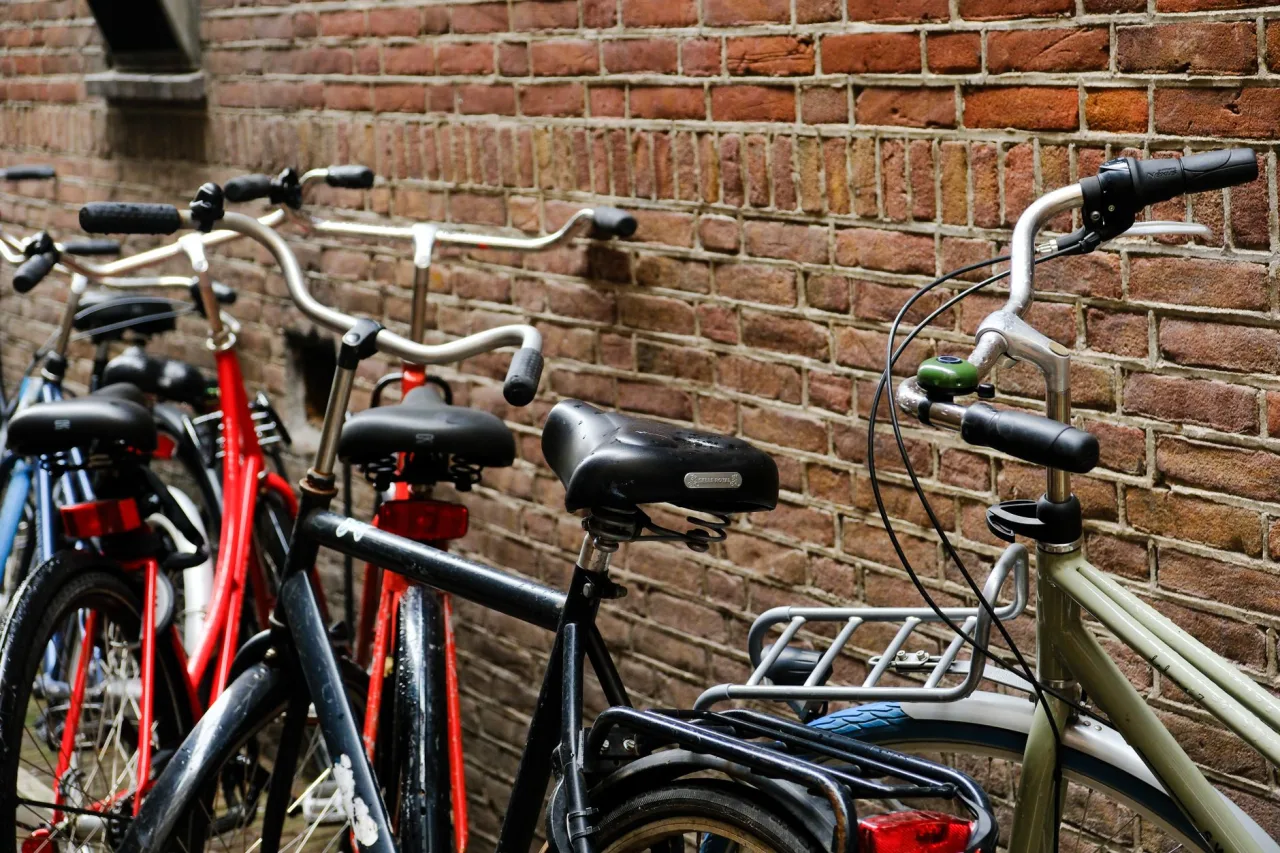
There are more types of bicycles than most people realise, and picking the right category is the single most important choice you will make when buying a bike. Get the type right and almost any decent model will make you happy. Get it wrong and no upgrade will fix the mismatch. This guide walks through the main types of bikes by function, explains who each one suits, and helps you narrow the field before you shop.
The short version
- Bicycles are grouped many ways, but the most useful split is by function: road, mountain, hybrid, gravel, city and electric.
- Choose based on surface and purpose first. Pavement, trails or a mix, and commuting, fitness or fun.
- Frame material, wheel size and gearing refine the choice, but they come after the category.
- Test ride a couple of types before deciding. The difference is obvious once you are in the saddle.
How bicycles are classified
Bikes can be sorted many ways. Wikipedia's list of bicycle types organises them by function, sport, frame design, material, rider position, number of wheels, steering, propulsion and gearing. That is thorough, but for buyers the practical grouping is by function, because that maps directly to how and where you will ride. The rest, like frame material or gearing, refines a choice you have already made.
If you are also deciding on frame style and sizing, our mens bike guide digs into geometry and fit that apply across most of these categories.
Road bikes
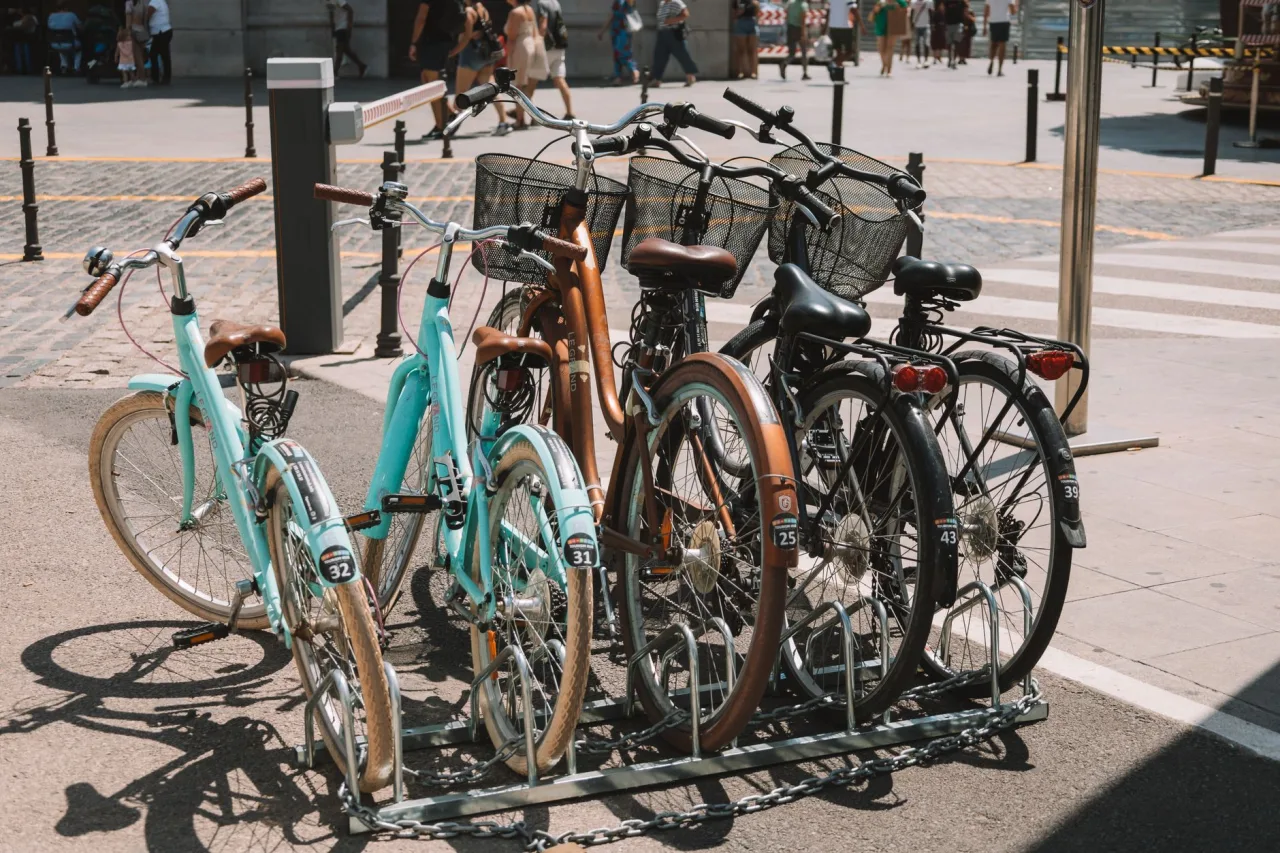
Road bikes are built for speed and efficiency on pavement. They use drop handlebars, lightweight frames and narrow, high pressure tyres. They are the fastest choice on tarmac and excel at long distance riding, fitness and racing, but they are less comfortable on rough surfaces and demand a more aggressive riding posture. If your goal is covering distance quickly on sealed roads, this is your category. Our road bike guide goes deeper.
Within road there are sub styles. Endurance road bikes soften the geometry for all day comfort, aero road bikes chase pure speed, and racing bikes prioritise low weight and stiffness. If you are new to drop bars, an endurance geometry is friendlier on your back and neck while still being fast. The learning curve is real but short, and few bikes reward fitness like a good road bike.
Mountain bikes
Mountain bikes are made for off road terrain, with suspension, wide grippy tyres and strong brakes. Wikipedia's mountain bike article distinguishes hardtails, which have a suspension fork but a rigid rear and are cheaper and more efficient to pedal, from full suspension bikes, which are heavier and less efficient but much faster on rough, technical descents. Wheel sizes commonly come in 27.5 inch and 29 inch options. If dirt trails are your happy place, start here, then read the full mountain bike guide.
Hybrid and city bikes
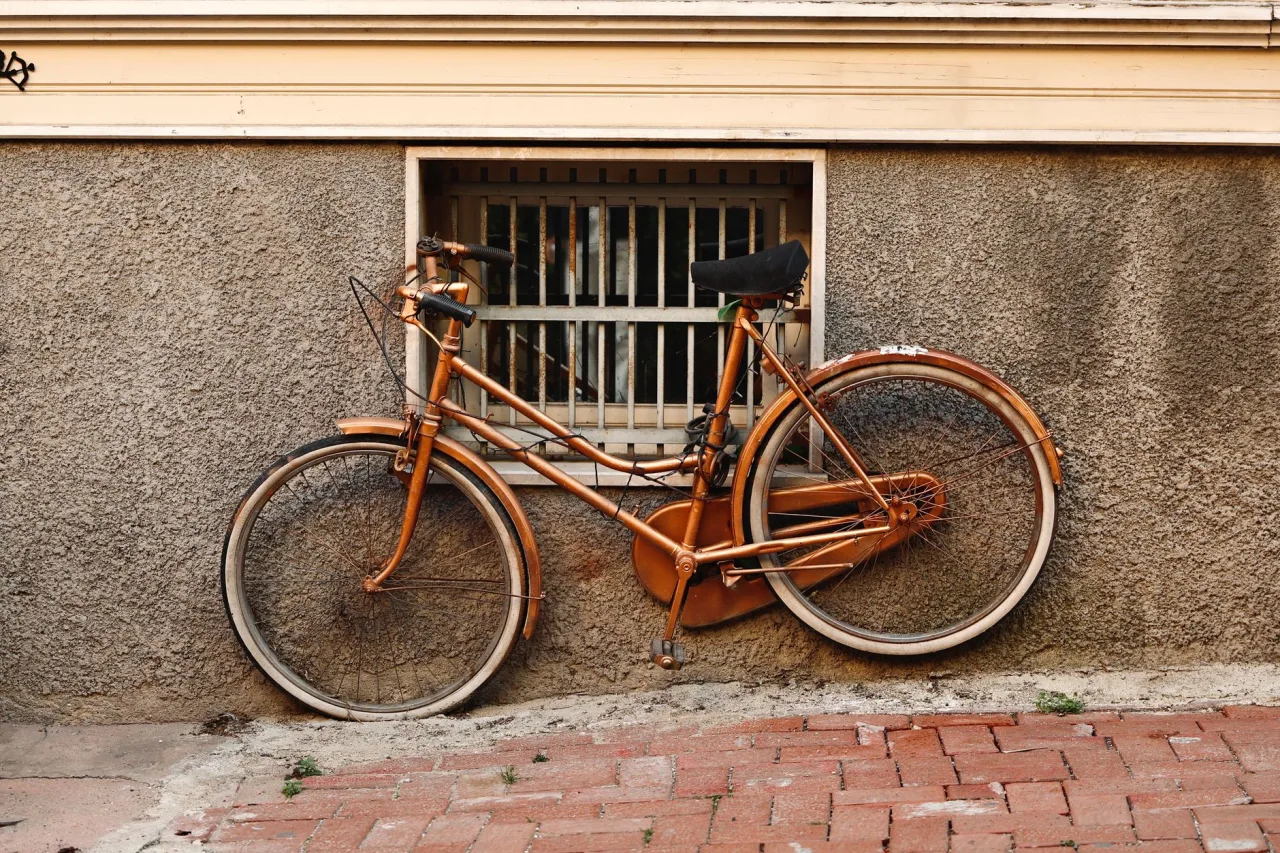
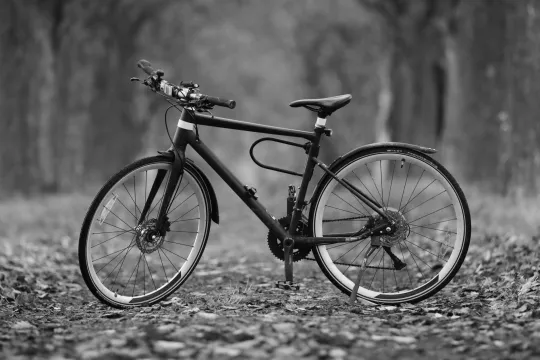
Hybrid bikes blend road efficiency with mountain bike comfort. They offer an upright position, medium width tyres and flat handlebars, which makes them ideal for commuting, fitness and casual riding on mixed surfaces. City bikes take this further with practical extras like racks, mudguards and step through frames for everyday errands. If you want one versatile bike that does a bit of everything on paved and light gravel paths, the hybrid bike guide is the place to look.
Hybrids are the default recommendation for many first time adult buyers, and for good reason. The upright position is easy on the back and gives good visibility in traffic, the flat bars feel intuitive, and the tyres are wide enough to soak up rough pavement without being slow. If you are not sure what you want yet, a hybrid is rarely a wrong answer, and it teaches you what you value before you specialise.
Quick chooser
- Mostly pavement, want speed: road bike.
- Trails and dirt: mountain bike.
- Commuting and mixed paths: hybrid or gravel.
- Hills, long commute or extra help: electric bike.
Gravel and adventure bikes
Gravel bikes look like road bikes with wider tyres and more relaxed geometry. They are designed to handle pavement, gravel roads and light trails on the same ride, which makes them a superb all rounder for riders who like to explore beyond the tarmac. They have surged in popularity for good reason: one bike covers commuting, long road rides and off road adventures. See the gravel bike guide for the details.
Electric bikes
Electric bikes, or e bikes, add a pedal assist motor to almost any of the above categories. There are electric road bikes, electric mountain bikes, electric hybrids and more. The motor helps you climb hills, ride further and commute without arriving sweaty, at a higher price and weight. E bikes are transforming who can ride and how far, particularly for older riders and long commutes. Our electric bike guide explains the systems and classes.
The key thing to understand is that most e bikes are pedelecs: the motor assists only while you pedal, up to a legal speed limit that varies by region. That means an e bike is still a bike, not a scooter, and you still get exercise. The extra weight is worth it if hills, distance or arriving fresh at work are what keep you from riding a regular bike. Just factor charging and higher servicing costs into your decision.
Frame material, wheels and gearing
Once you have chosen a category, three secondary factors refine the bike. Frame material is the first. Aluminium is affordable, light and the default at most price points. Carbon fibre is lighter and can be tuned for comfort or stiffness, but costs more. Steel rides smoothly and lasts, and titanium is premium and durable. None of these is universally best, they are trade offs of price, weight and ride feel.
Wheel size matters most on mountain bikes, where 29 inch wheels roll over obstacles easily while 27.5 inch wheels feel more playful. Gearing is the third factor: what counts is the range, not the raw number of gears. Hilly areas call for a wide range so you always have an easy climbing gear, while flat terrain can get by with less. These details fine tune a decision you have already made by choosing the category.
Specialty types worth knowing
Beyond the mainstream, several types serve specific needs.
- Folding bikes: compact and portable for commuters and small homes. See the folding bike guide.
- BMX bikes: small, tough single speed bikes for tricks, skateparks and dirt jumps, covered in the BMX bikes guide.
- Kids bikes: sized and geared for young riders, from balance bikes upward. See the kids bikes guide.
- Cargo bikes: extended frames for hauling children or loads, often electric assisted.
How to choose your type
Work through three questions in order. First, what surface will you ride most: pavement, trails or a mix? Second, what is the purpose: commuting, fitness, adventure or fun? Third, do hills or distance mean you would benefit from electric assist? Answer those and you will land on one or two categories. From there, set a budget, confirm current prices locally since they vary widely, and test ride before you buy. The right type feels obvious the moment you pedal away.
Resist the urge to buy the most specialised bike you can afford. A race road bike or a burly downhill rig is thrilling in the right setting but frustrating for everyday use. Most riders are happiest on a versatile bike that matches the bulk of their riding, and they add a specialised second bike only once they know exactly what they want. Buying broad first and narrow later is the path that keeps people cycling.
Frequently asked questions
What are the main types of bicycles?
The most useful grouping is by function: road bikes for speed on pavement, mountain bikes for trails, hybrid and city bikes for commuting and mixed surfaces, gravel bikes for road and light off road, and electric bikes that add pedal assist to any of these.
What type of bike is best for beginners?
A hybrid bike is a common first choice because it is comfortable, upright and versatile across paved and light gravel paths. If you already know you want speed on roads or to ride trails, a road or mountain bike may suit you better.
What is the difference between a road bike and a gravel bike?
A road bike uses narrow tyres and aggressive geometry for speed on pavement, while a gravel bike has wider tyres and more relaxed geometry so it can handle pavement, gravel and light trails on the same ride. Gravel bikes trade a little road speed for far more versatility.
Are electric bikes a separate type of bicycle?
Not exactly. Electric bikes add a pedal assist motor to existing categories, so you can find electric road, mountain and hybrid bikes. They cost more and weigh more, but make climbing hills and covering distance much easier.
How do I decide which type of bike to buy?
Answer three questions in order: what surface you will ride most, what your main purpose is, and whether hills or distance mean electric assist would help. Those narrow you to one or two categories, then set a budget and test ride before deciding.
More guides on Cycling (General)
Have a question or a topic to suggest?
We read every message. Tell us what you would like to see next on the blog.
Get in touchYou may also like

Mountain Bike: The Complete Guide
Everything you need to choose a mountain bike: the main types, wheel sizes, key components, how to pick your first bike and the gear and care that keep it running.
Road Bike: The Complete Guide
Choose the right road bike with confidence: the main types, frame materials, components that matter, why fit beats everything, and how much to sensibly spend.
Hybrid Bike: The Complete Guide
The do-everything bike for commuting, fitness, and weekend rides. Understand the subtypes, sizing, and trade-offs, then pick a hybrid that fits how you actually ride.