Bike Types · Cycling (General)
Recumbent Bike: Complete Guide
How they work, the main types, their genuine strengths and honest drawbacks, and who they suit best.
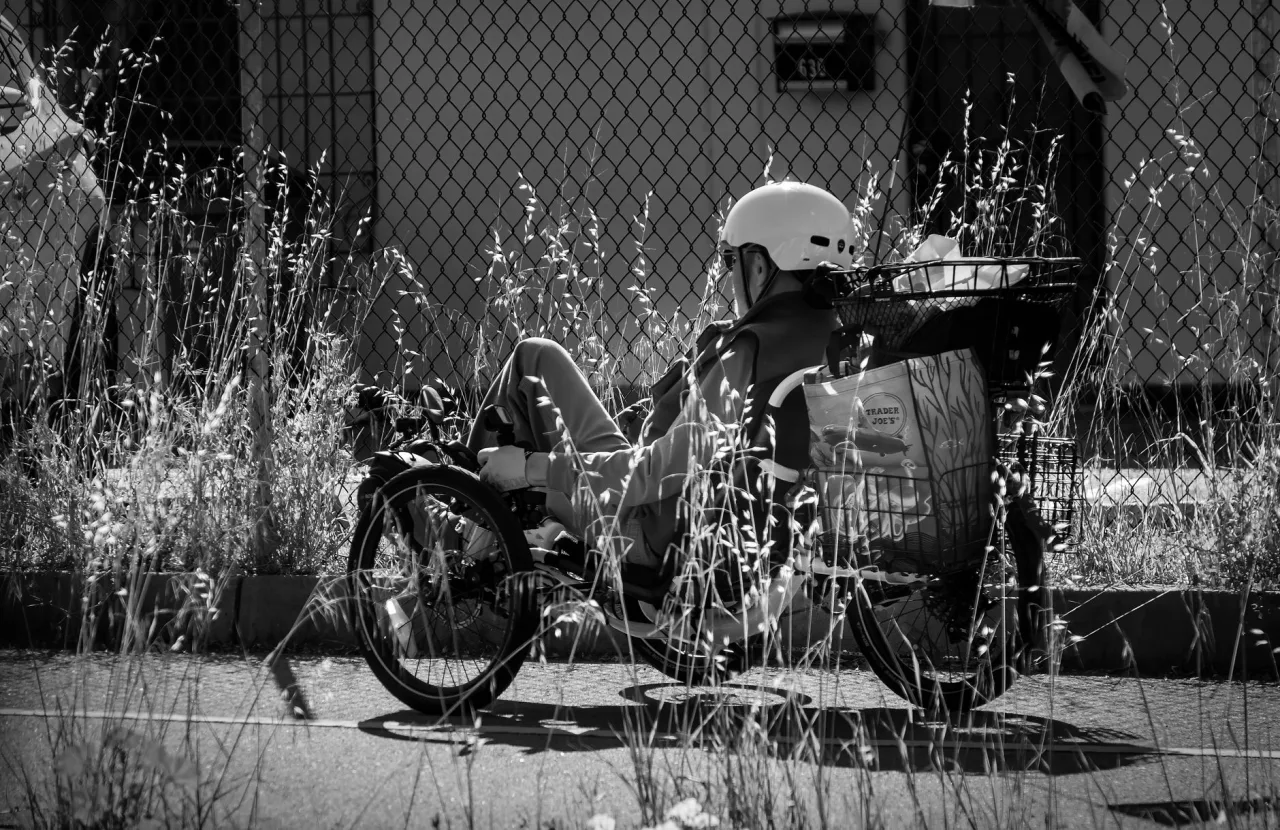
A recumbent bike looks unusual, but there is real engineering behind that laid-back position. Riders sit in a reclined seat and pedal out in front, which changes almost everything about comfort, speed, and handling compared with a conventional upright. This complete guide explains how recumbents work, the main types, their genuine strengths and honest drawbacks, and who they suit best.
The short version
- A recumbent places you in a reclined position with the pedals ahead of you, spreading your weight over a larger area and easing pressure on hands, wrists, and back.
- They are generally faster than uprights on flat ground and descents thanks to a smaller frontal profile, but harder work on climbs.
- Main formats include short, medium, and long wheelbase two-wheelers, plus three-wheeled trikes in tadpole and delta layouts.
- Recumbents typically cost more than comparable uprights, so treat prices as broad ranges and confirm with a specialist shop.
What a recumbent bike is
A recumbent bicycle places the rider in a laid-back, reclining position rather than sitting upright over the pedals. Your back rests against a supportive seat, and the pedals sit out in front of you rather than below. Because they are so efficient, recumbents are often referred to as human-powered vehicles, and they hold many of the outright speed records for pedal-driven machines.
That reclined posture is the whole point. It distributes your weight across a large, supported seat instead of concentrating it on a narrow saddle, hands, and wrists. For riders who find conventional bikes uncomfortable, that difference can be the reason they keep cycling at all. As a purpose-built format, the recumbent sits within the wider world of specialised bikes designed around one clear priority.
The main types of recumbent
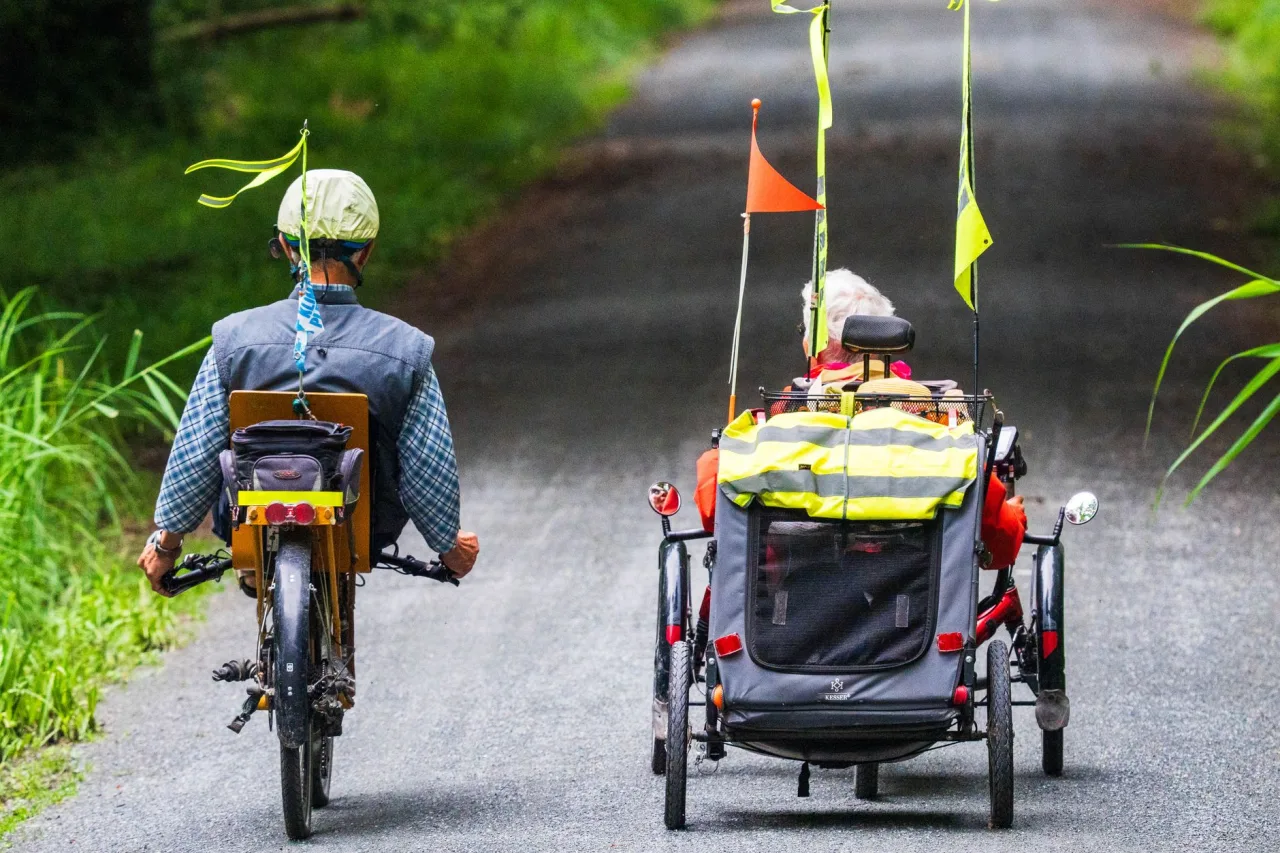
Recumbents come in several layouts, and the differences genuinely affect how they ride. The two big variables are wheelbase, which is the distance between the wheels, and the number of wheels.
- Short-wheelbase (SWB): the pedals sit ahead of the front wheel, giving a compact, agile bike that many find responsive once mastered.
- Long-wheelbase (LWB): the pedals sit between the front and rear wheels, producing a longer, stable, comfortable ride that is less nimble in tight turns.
- Medium-wheelbase (MWB): a balance between the two, aiming for both stability and manoeuvrability.
- Tricycles (trikes): three-wheeled recumbents in tadpole (two wheels at the front) or delta (two at the rear) layouts, which remove the balance challenge entirely.
Trikes deserve a special mention. Because they do not need to be balanced at low speed, they are popular with riders returning to cycling, those with balance or mobility concerns, and anyone who values stability. The recumbent family also extends to handcycles, which are pedalled by arm and open cycling to paraplegic riders and others with leg disabilities.
Steering is another variable worth understanding before you shop. Recumbents use either over-seat steering, where the handlebars sit up near your chest, or under-seat steering, where you reach down to bars beside the seat. Over-seat steering feels more familiar to riders coming from uprights, while under-seat steering is relaxing and keeps your hands low and out of the wind. Neither is objectively better, so it comes down to what feels natural to you, which is one more reason a test ride matters so much. Faired models, which add an aerodynamic body shell, push both speed and price higher and are best treated as a specialist step beyond a first recumbent.
The genuine advantages
Recumbents are not just a novelty. Their design delivers measurable benefits that explain their loyal following and their dominance of human-powered speed records.
- Comfort: weight is spread over a large seat, greatly reducing pressure on the hands, wrists, neck, and lower back that troubles many upright riders.
- Speed on the flat: the low, reclined profile cuts wind resistance, so recumbents are generally faster than uprights on level ground and downhill.
- Aerodynamics: a smaller frontal area is the key reason streamlined recumbents hold outright pedal-powered speed records.
- Accessibility: trikes and handcycles open cycling to riders who cannot comfortably use a conventional bike.
Tip: the comfort payoff is biggest on long rides
The reclined seat shows its value most over distance, where saddle soreness and wrist numbness usually build on an upright. If you love long rides but your body protests, a recumbent is worth a serious test ride before you rule it out.
The honest drawbacks

No format is perfect, and recumbents ask for some real compromises. Knowing these before you buy prevents disappointment.
- Lower visibility: sitting low to the ground means you can be harder for drivers to see, obscured by parked cars or fences. A tall flag and bright clothing help.
- Harder climbing: you cannot stand on the pedals to attack a hill, so climbing generally takes more effort than on an upright.
- Higher cost: recumbents commonly cost significantly more than comparable upright bikes, often noticeably so, though figures vary widely by model and region.
- Low-speed balance: two-wheeled recumbents can feel awkward at very low speeds and take practice to master.
- Transport and storage: longer wheelbase models and trikes can be bulky to store and to carry on standard racks.
According to the Wikipedia overview of recumbent bicycles, these machines can cost meaningfully more than upright bikes, which is one reason they remain a niche rather than a mainstream choice.
A short history and why they are niche
Recumbents are not a modern gimmick. Their niche status owes a lot to a single ruling. In 1934, cycling's international governing body, the UCI, banned recumbents from sanctioned racing after the rider Francis Faure set records on a Mochet Velo-Velocar recumbent. With recumbents excluded from mainstream competition, development and demand concentrated on upright racing bikes, and the recumbent stayed a specialist pursuit.
Freed from race regulations, though, recumbent designers kept chasing pure speed, which is why streamlined recumbents and fully faired human-powered vehicles hold the outright records for pedal-driven machines. It is a neat illustration of how rules, not just physics, shape which bikes become mainstream.
Who should consider a recumbent
Recumbents suit specific riders very well and others poorly. Be honest about which camp you fall into.
- Riders with comfort issues: if wrist, neck, back, or saddle pain limits your upright riding, a recumbent can transform your experience.
- Distance and touring cyclists: the comfort advantage compounds over long miles.
- Riders wanting stability: a trike removes the balance demand and suits returning or less confident cyclists.
- Speed enthusiasts on flat routes: the aerodynamic edge rewards riders on level ground rather than hilly terrain.
If most of your riding is short, urban, and stop-start, or full of steep climbs, a conventional bike may serve you better. Our complete guide to bikes and new bike guide help you compare formats before committing.
Warning: always test ride before you buy
Recumbents feel very different from uprights, and the adjustment period is real. Balance, steering, and the pedalling motion all take getting used to. Never buy one unridden. A specialist shop that lets you try several layouts is worth travelling to.
Buying and pricing a recumbent
Recumbents are a specialist purchase, so a knowledgeable shop matters more than usual. Fewer general stores stock them, and a specialist can match the wheelbase and seat to your body and riding. Prices span a wide range depending on materials, wheel count, and whether the bike is faired, and they generally sit above comparable uprights. Treat any figure as a broad, region-dependent range and confirm current pricing locally before buying.
For realistic context on cycling costs generally, see our breakdown of bicycle prices in 2026, and to find a shop that can advise on a specialist machine, our guide to finding a trusted bike shop explains what to look for. For the broader engineering context, the Wikipedia overview of the bicycle is a good neutral reference.
Frequently asked questions
Are recumbent bikes faster than regular bikes?
On flat ground and descents, yes, they are generally faster than upright bikes because their low, reclined profile cuts wind resistance. Streamlined recumbents hold the outright speed records for human-powered vehicles. On climbs, however, they are usually slower, since you cannot stand on the pedals to power up a hill.
Are recumbent bikes more comfortable?
For many riders, yes. The reclined seat spreads your weight over a large, supported area, which greatly reduces the pressure on hands, wrists, neck, and lower back that troubles many upright cyclists. The comfort advantage is most noticeable on long rides, though the pedalling motion takes some getting used to.
Why are recumbent bikes not more common?
A major reason is history: in 1934 the UCI banned recumbents from sanctioned racing after records were set on one. With recumbents shut out of mainstream competition, development and demand concentrated on upright bikes. Their higher cost, lower visibility, and harder climbing also keep them a specialist choice today.
What are the disadvantages of a recumbent bike?
The main drawbacks are lower visibility in traffic because you sit close to the ground, harder climbing since you cannot stand on the pedals, a higher price than comparable uprights, a learning curve for low-speed balance on two-wheeled models, and greater bulk for storage and transport. A safety flag and bright clothing help with the visibility concern.
Are recumbent trikes good for beginners?
Recumbent trikes are a strong option for riders who value stability, including those returning to cycling or with balance or mobility concerns, because three wheels remove the need to balance at low speed. They are more stable than two-wheeled recumbents, though they can be bulkier to store and transport. A test ride is still essential.
More guides on Cycling (General)
Have a question or a topic to suggest?
We read every message. Tell us what you would like to see next on the blog.
Get in touchYou may also like

Specialised Bikes: Complete Guide
Specialised bikes means two things: purpose-built bicycles for one discipline, and the Specialized brand. This guide covers both honestly so you know exactly what to buy.
Bike: The Complete Guide
A beginner-friendly complete guide to bikes: history, the main types, anatomy, how to choose and size the right one, plus safety and basic maintenance.

New Bike: The Complete Guide
A practical guide to buying a new bike: match the type to your riding, budget for the whole package, nail the fit, and choose where to buy so it still feels like a good decision a year later.