MTB Basics · Mountain Bikes & MTB
Mountain Bike: The Complete Guide
Types, wheel sizes, components and how to choose a first mountain bike that fits and lasts.
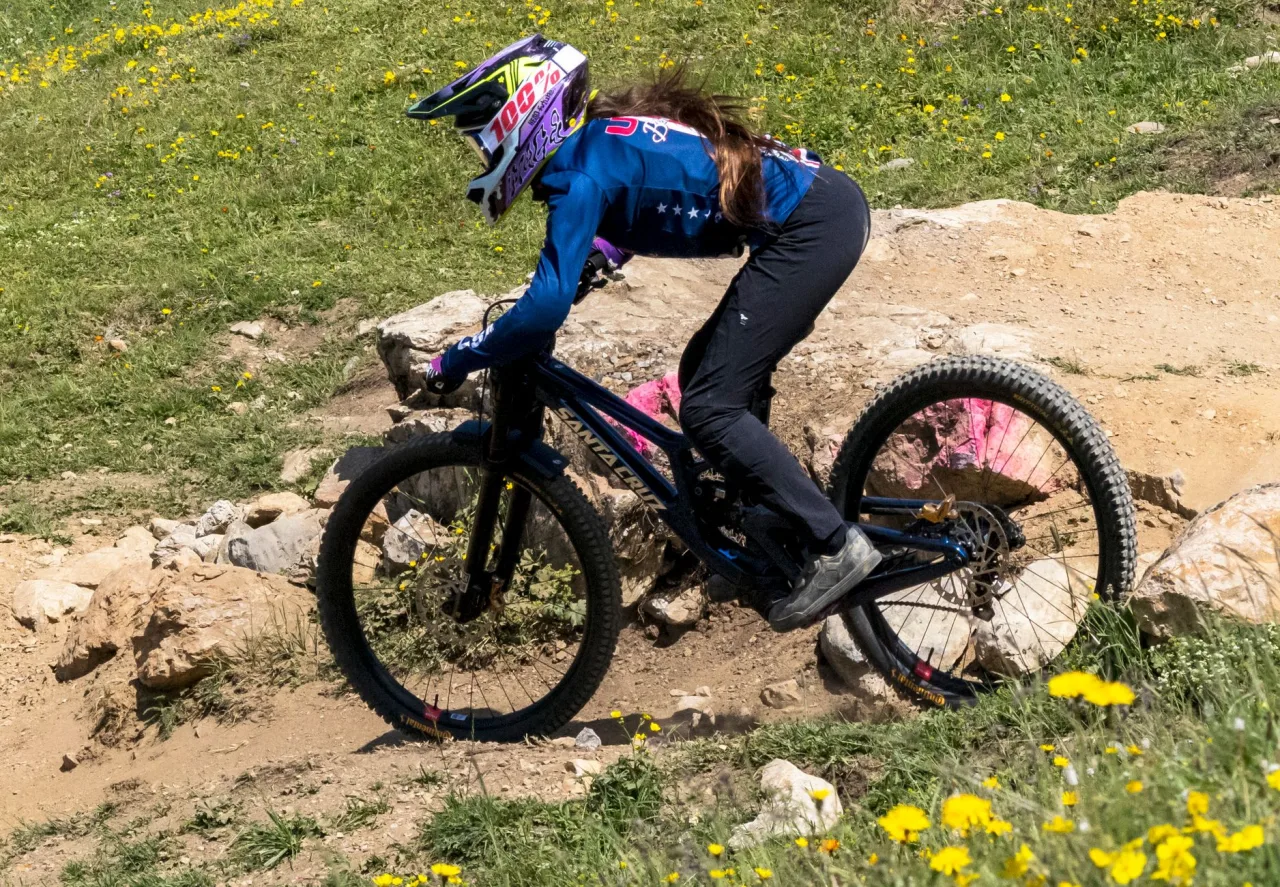
A mountain bike is built to go where road bikes cannot: over roots, rocks, loose gravel and steep descents. But mountain biking is really several different sports, and the right bike for smooth forest trails is not the one you want for lift-served downhill runs. This guide explains the main types, the parts that matter, and how to choose a first mountain bike without overspending or under-buying.
The short version
- Mountain bikes split mainly by suspension: rigid, hardtail (front only) and full suspension (front and rear). Most new riders are well served by a quality hardtail.
- Wheel size matters. 29-inch wheels roll over obstacles easily, while 27.5-inch wheels feel more playful, especially on smaller frames.
- Frame fit, tyre choice and reliable hydraulic brakes affect your experience far more than a fancy paint job or a marginal weight saving.
- A decent entry hardtail from an established brand is a genuine investment. Confirm current prices locally, as they vary by region and spec.
What makes a mountain bike different
Mountain bikes are designed for off-road riding, so almost every part is chosen for control and durability rather than outright speed. Compared with a road bike, a mountain bike has wide knobby tyres for grip, powerful brakes for steep terrain, a stronger frame, and usually some form of suspension to absorb impacts. Flat handlebars give a more upright, in-control riding position.
As Wikipedia's mountain bike article describes, these bikes are optimised across a wide range of terrain and riding styles, from cross-country racing to downhill freeride. That breadth is exactly why choosing the right category matters so much: a bike that excels on one kind of trail can feel wrong on another.
The main types of mountain bike
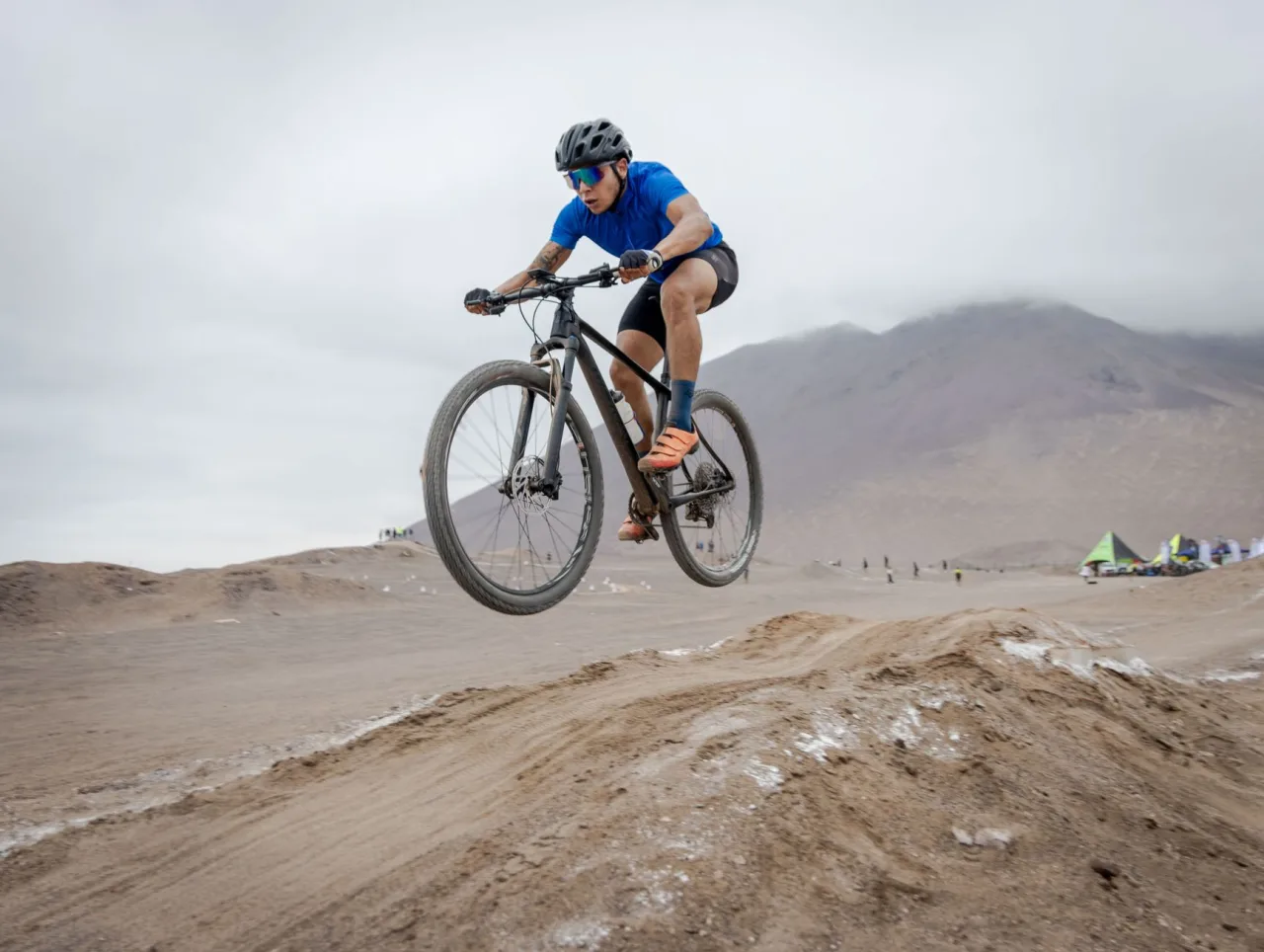
Rather than a single machine, think of mountain bikes as a family sorted by suspension and intended terrain. The four broad categories cover almost everything you will see in a shop.
- Rigid: no suspension at all. Simple, low-maintenance and light, but you feel every bump. Best for smoother trails and gravel paths.
- Hardtail: a suspension fork at the front and a solid rear. Efficient to pedal, easier to maintain, and the most popular choice for new riders and cross-country use.
- Full suspension: shock absorbers front and rear. More comfortable and controlled on rough terrain, but heavier, pricier and more to service.
- Downhill and enduro: long-travel full-suspension bikes built for aggressive descents. Overkill for casual trail riding.
If you like the sound of assistance on the climbs, the electric versions are worth a look. Our electric mountain bike guide covers how a motor changes the experience, and for mixed road-and-trail riding our gravel bike guide explains a lighter, drop-bar alternative.
Wheel size and why it matters
Wheel size shapes how a mountain bike feels more than almost any other single choice. Two sizes dominate the modern market, and each has a clear character.
- 29-inch (29er): larger wheels roll over roots and rocks more easily and carry speed well. They are the default for cross-country and many trail bikes.
- 27.5-inch (650B): slightly smaller wheels accelerate quickly and feel more agile and playful, which many riders prefer on tight, technical trails and on smaller frames.
Neither is simply better. Taller riders often favour 29-inch wheels, while shorter riders and those who prioritise a nimble feel may prefer 27.5-inch. The best way to decide is to ride both if you can.
Tip: Do not obsess over wheel size before you have nailed frame fit. A well-fitting bike in the wrong wheel size still rides better than a poorly fitting bike in your ideal size. Get the frame right first.
Key components to understand
You do not need to be a mechanic, but knowing what a few parts do helps you compare bikes and spot where a lower price has cut corners.
- Suspension: measured in travel (millimetres). More travel soaks up bigger hits but adds weight. Cross-country bikes use less, enduro bikes use more.
- Brakes: hydraulic disc brakes give strong, consistent stopping in mud and on long descents, and are well worth prioritising over mechanical discs.
- Drivetrain: modern mountain bikes often use a single front chainring with a wide-range rear cassette, which is simpler and reliable.
- Tyres: width and tread pattern change grip dramatically. Wider, knobbier tyres grip loose ground, while faster-rolling tyres suit hardpack.
- Dropper post: a lever-operated seatpost that lowers on descents. Once you use one, it is hard to go back.
How to choose your first mountain bike
The best first mountain bike is the one that matches where you will actually ride, fits you properly, and comes with reliable brakes. A logical process keeps you from being swayed by marketing.
- Define your terrain. Smooth trails and gravel point to a rigid or hardtail. Rough, rocky descents justify full suspension.
- Set a realistic budget. Include a helmet, gloves and basic tools in your total, not just the bike.
- Prioritise frame fit and brakes. These affect safety and enjoyment more than a lighter component here or there.
- Buy from a shop that will support you. Setup, a first service and future adjustments add real value.
Established brands such as those featured on Trek publish full specs and geometry, which helps you compare like for like. For a specific model example, our Trek Marlin 5 review looks at a popular entry hardtail, and our Santa Cruz overview covers a well-known trail and enduro brand.
Essential gear and safety
A mountain bike is only part of the kit. A few essentials make riding safer and more enjoyable, and none of them should be an afterthought.
- Helmet: the single most important purchase after the bike. Choose one that fits well and sits level. See our bike helmet guide.
- Gloves and eyewear: protect your hands in a fall and keep grit and branches out of your eyes.
- Basic repair kit: a spare tube, tyre levers, a pump or inflator and a multi-tool cover most trailside fixes.
- Hydration and lights: carry water, and fit lights if there is any chance of riding near dusk.
When it is time to buy or service, a good local shop is invaluable for fit and setup. Our guide on how to find a trusted local bike shop explains what to look for in a dealer.
Looking after your mountain bike
Off-road riding is hard on a bike, so a little routine care goes a long way. You do not need a workshop, just a few habits after muddy rides.
- Clean and dry after wet rides. Mud holds moisture and grit against the drivetrain and pivots.
- Lubricate the chain after cleaning, then wipe off the excess so it does not attract dirt.
- Check tyre pressure and brake pads regularly, since both wear and change with use.
- Book periodic professional servicing, especially for suspension, which needs specialist attention over time.
Kept clean and serviced, a quality mountain bike will last many years and hold its value better if you ever sell it. For where the mountain bike sits among all the options, our complete bike guide gives the wider picture.
Frequently asked questions
Do I need full suspension or is a hardtail enough?
For most new riders, a quality hardtail is plenty. It is lighter, cheaper, easier to maintain and efficient to pedal, which suits smoother trails and cross-country riding. Full suspension pays off on genuinely rough, rocky and steep terrain where the extra comfort and control matter.
What wheel size should I choose, 29 or 27.5 inch?
29-inch wheels roll over obstacles more easily and carry speed, which suits cross-country and taller riders. 27.5-inch wheels feel more agile and playful, which many riders prefer on tight, technical trails and smaller frames. Neither is simply better, so ride both if you can before deciding.
How much does a good entry-level mountain bike cost?
A solid entry hardtail from an established brand is a real investment rather than a bargain-bin purchase, and prices vary widely by region and spec. Rather than chasing the lowest price, prioritise reliable hydraulic brakes and a good frame fit, and confirm current pricing with a local shop.
Can I use a mountain bike on the road?
Yes, though it will feel slower and less efficient than a road bike because of its heavy knobby tyres and upright position. If you ride mostly on pavement with occasional trails, a hybrid or gravel bike may suit you better, while dedicated trail riders should stick with a proper mountain bike.
What is the most important upgrade for a beginner?
After a well-fitting helmet, the components that most improve your experience are good tyres suited to your terrain and, if the bike lacks one, a dropper seatpost. Both change how confident and in-control the bike feels far more than shaving a little weight.
More guides on Mountain Bikes & MTB
Have a question or a topic to suggest?
We read every message. Tell us what you would like to see next on the blog.
Get in touchYou may also like
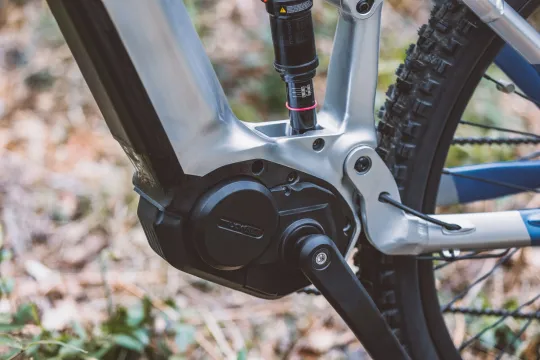
Electric Mountain Bike Guide
How electric mountain bikes work, motor and battery basics, hardtail versus full suspension, real-world range, costs, and how to buy and maintain an eMTB.
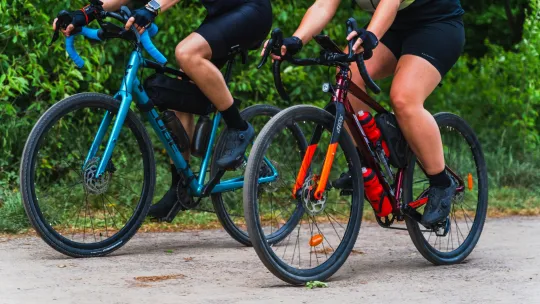
Gravel Bike: The Complete Guide
Everything a first-time buyer needs on gravel bikes: geometry, tyre clearance, frame materials, what they are used for and how much to spend.
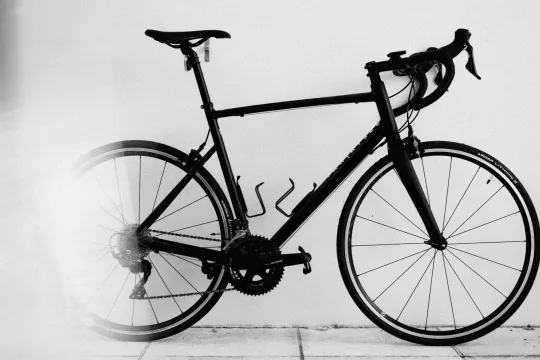
Road Bike: The Complete Guide
Choose the right road bike with confidence: the main types, frame materials, components that matter, why fit beats everything, and how much to sensibly spend.