BMX Guide · Kids & City Bikes
BMX Bikes: The Complete Guide
Race vs freestyle, chromoly frames, wheel sizing, and honest 2026 prices to help you choose the right BMX.
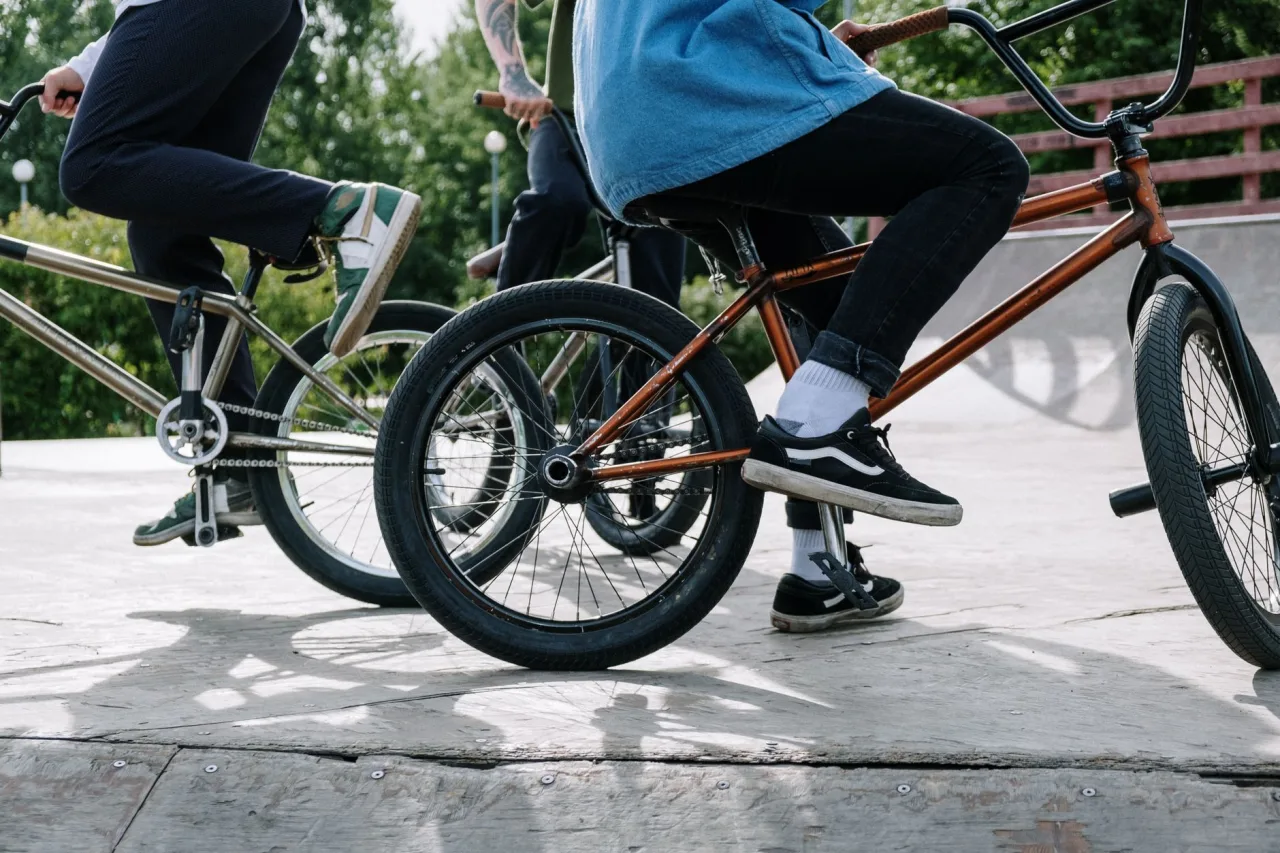
BMX started as kids racing single-speed bikes on dirt tracks, and it grew into one of the most versatile corners of cycling. Today a BMX bike can mean a lightweight race machine, a burly park bike built for tricks, or a first "real" bike for a growing rider. This guide explains the types, the parts that actually matter, realistic prices, and how to pick one without overpaying.
The short version
- The two main families are race BMX (light, fast, geared for acceleration) and freestyle BMX (heavier, stronger, built for tricks and grinds).
- Chromoly (4130 chromoly steel) frames are the durability upgrade that separates entry bikes from ones that survive real riding.
- Wheel size is the biggest sizing decision: 20 inch is the adult and teen standard, with smaller 12 to 18 inch wheels for younger kids.
- Expect roughly 150 to 350 US dollars for a solid starter and 400 to 900 plus for a complete race or park bike. Prices vary, so confirm locally.
What a BMX bike actually is
BMX is short for bicycle motocross. The bikes are small, single-speed, and built around a compact frame with 20 inch wheels for most riders. That simplicity is the point. There is no derailleur to knock out of alignment, no suspension to service, and the low weight-to-strength design makes the bike easy to throw around, jump, and repair.
According to Wikipedia's BMX bike overview, frames are built from various grades of steel, aluminium, or carbon fibre, with higher-range freestyle bikes favouring lightweight 4130 chromoly and race bikes leaning on aluminium or carbon for speed. That single fact, the frame material, tells you more about a BMX bike's quality than almost anything else on the spec sheet.
Race BMX vs freestyle BMX
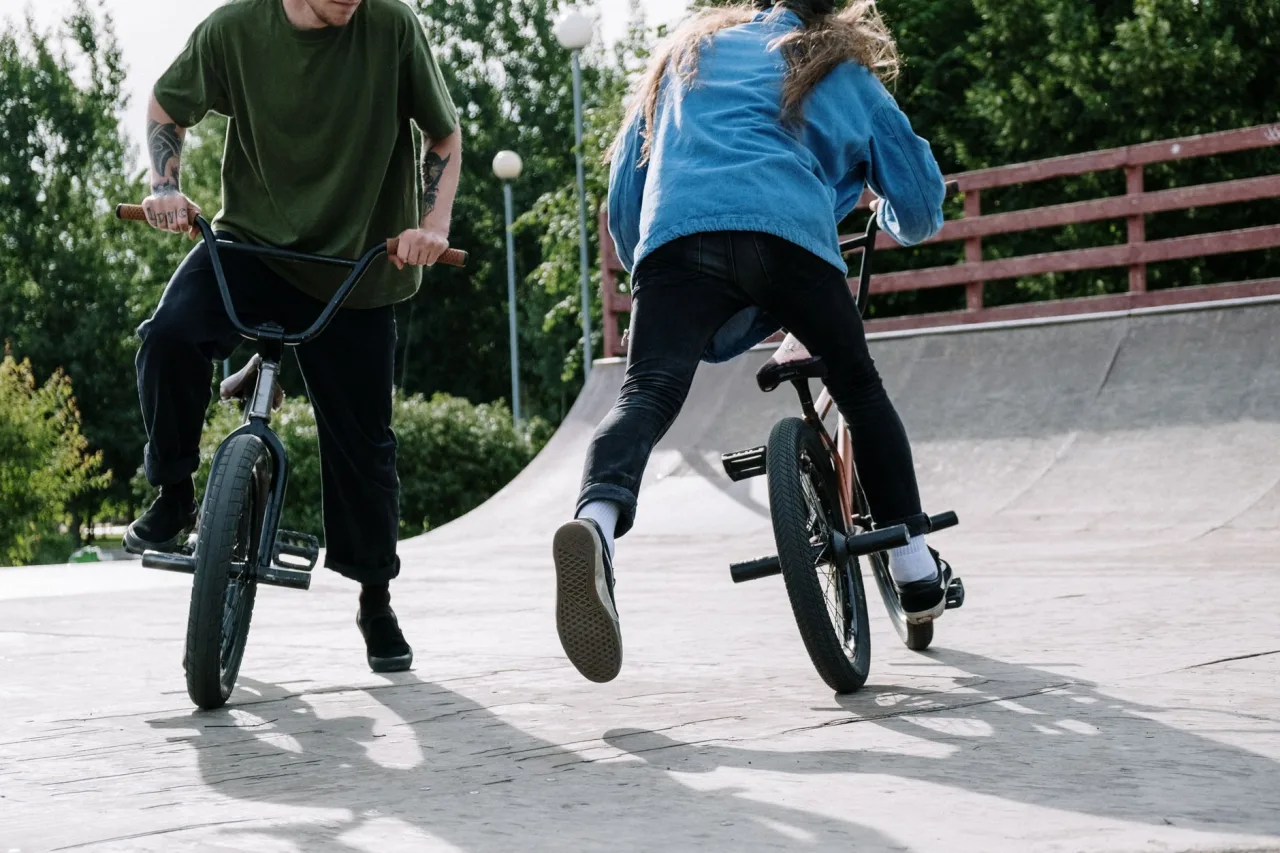
Almost every BMX buying decision starts here. The two disciplines look similar at a glance but are built for opposite jobs.
- Race BMX: Lightweight, often aluminium, with race-specific geometry for quick acceleration out of the gate. Race bikes are required to have a brake and are built for sprinting around a dirt track, not for tricks.
- Freestyle BMX: Heavier and stronger, usually chromoly, designed for street, park, vert, and flatland riding. These carry features like pegs for grinding and stronger wheels that survive repeated hard landings.
If your rider wants to jump gaps, grind rails, and ride skateparks, buy freestyle. If they want to line up at a BMX track and race, buy a race bike. A freestyle bike can be pedalled to the park all day, but a stripped-down race bike is a poor choice for tricks, and vice versa.
Buyer tip
- Freestyle sub-styles matter too. Park and street bikes often ship with four pegs and a "brakeless" or single-brake setup, while flatland bikes use a different, more upright geometry for balance tricks. Ask the shop which style the frame is tuned for before you buy.
BMX sizing: it is mostly about wheels
Unlike road or mountain bikes, BMX is not sized by frame in centimetres for most buyers. The primary sizing lever is wheel diameter, then top tube length for fine tuning.
- 12 to 16 inch wheels: Young children, roughly ages 2 to 7. Many of these overlap with the world of a balance bike and first pedal bikes.
- 18 inch wheels: A transition size for kids who have outgrown a 16 but are not ready for a full 20.
- 20 inch wheels: The standard for teens and adults, and the size nearly all freestyle and race complete bikes use.
- 24 inch (BMX cruiser): A larger-wheel race variant for taller or older racers who want more stability and roll-over speed.
Within 20 inch bikes, top tube length (often listed between about 20 and 21.5 inches) fine tunes the fit. Taller riders and street riders tend to prefer longer top tubes. If you are shopping for a growing child, our kids bikes guide covers how to size up without buying a bike that is dangerously too big.
The parts that separate good from cheap
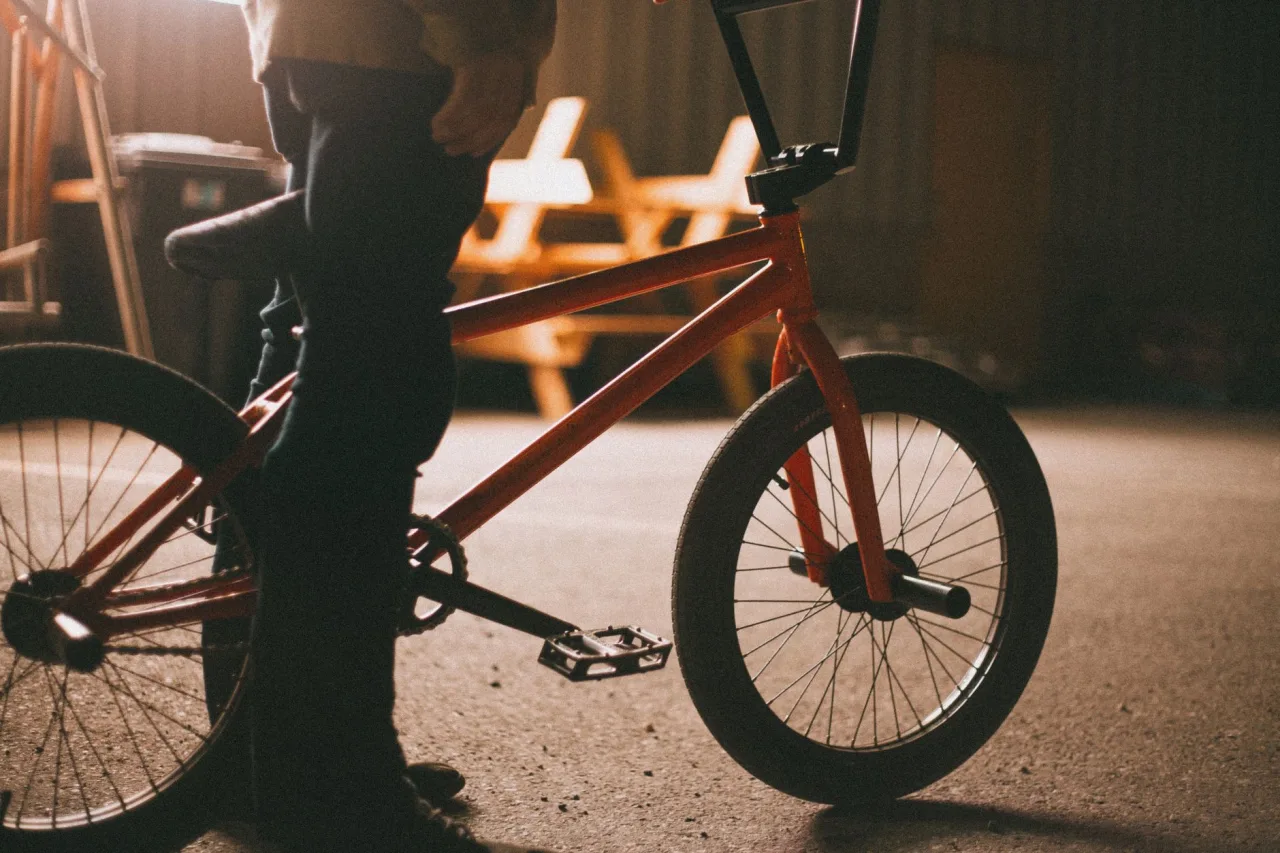
Two BMX bikes can look identical and ride nothing alike. These are the components worth checking on the spec sheet.
- Frame and fork material: "Full chromoly" (frame, fork, and handlebars all 4130 chromoly) is the durability tier. "Chromoly main tubes" is a middle tier. All hi-tensile steel is the budget tier and is heavier and less resilient.
- Wheels and rims: Double-wall rims resist denting far better than single-wall on a trick bike. Sealed bearing hubs spin better and last longer than loose-ball.
- Cranks: Three-piece tubular chromoly cranks are the standard upgrade over cheap one-piece cranks.
- Gearing: Modern freestyle bikes commonly run a small 25-tooth front, 9-tooth driver setup, which allows smaller sprockets and fewer snags on ledges.
You do not need every premium part on a first bike. But at minimum, look for chromoly at least in the frame, and a double-wall rear rim if the rider intends to jump.
Realistic BMX prices in 2026
Prices move with brand, spec, and local availability, so treat these as ranges and confirm locally before you buy.
- Kids' entry BMX (12 to 18 inch): roughly 90 to 200 US dollars.
- Solid starter complete (20 inch, some chromoly): roughly 150 to 350.
- Mid-range complete (full chromoly, sealed bearings): roughly 350 to 600.
- High-end complete or race bike: roughly 600 to 900 plus, with custom builds going higher.
Established BMX brands to look for include Sunday, Cult, Kink, Haro, Mongoose, GT, and Redline, among others. A complete bike from a known brand is almost always a better value than a no-name bike at the same price, because the parts are chosen to work together. For a broader sense of what bikes cost across categories, see our bicycle price breakdown.
Safety gear is not optional
BMX is a high-impact sport. Even a casual park session involves falls, so protection matters as much as the bike. A properly fitted helmet is the baseline. Many street and park riders use a full-face or a skate-style helmet that covers the back of the head, and knee and shin pads are common for grinding.
Wikipedia's bicycle helmet reference notes that helmets sold in the United States must meet the mandatory CPSC standard, and that MIPS-equipped helmets are designed to reduce rotational forces from angled impacts. For a full walkthrough of fit and standards, read our bike helmet guide.
Warning
- Never let a child ride a BMX bike that is too big "to grow into." On a trick bike, being unable to plant both feet flat and control the bar is a direct injury risk. Size for now, not for next year.
Where to buy and how to get set up
You can buy BMX online, but a local bike shop adds real value: correct assembly, a safety check of the brake and headset, and sizing advice for a growing rider. A shop can also swap a stem or bar to dial the fit. If you are comparing options, our guide to finding a trusted local bike shop explains what a good shop should offer.
If you buy a boxed BMX online, budget for a professional assembly check before the first hard session. Bolts on a trick bike take real abuse, and a loose stem or headset discovered mid-jump is dangerous.
Frequently asked questions
What is the difference between a race BMX and a freestyle BMX?
A race BMX is lightweight and built for quick acceleration around a dirt track, and it is required to have a brake. A freestyle BMX is heavier and stronger, built for tricks, grinds, and skatepark riding, and it often includes pegs. Choose race for the track and freestyle for tricks.
What size BMX bike should I get?
Wheel size is the main guide. Choose 12 to 16 inch wheels for young children, 18 inch as a transition size, and 20 inch for most teens and adults. Taller and older racers sometimes prefer a 24 inch BMX cruiser. Within 20 inch bikes, top tube length fine tunes the fit.
Is chromoly worth the extra money on a BMX?
For anyone doing tricks or jumps, yes. Chromoly (4130) is stronger and more resilient than hi-tensile steel, so the frame survives harder riding and lasts longer. A first casual bike can use partial chromoly, but full chromoly is the standard durability upgrade.
How much should I spend on a BMX bike?
A solid 20 inch starter complete runs roughly 150 to 350 US dollars, mid-range full-chromoly bikes run about 350 to 600, and high-end or race bikes run 600 to 900 or more. Prices vary by brand and location, so confirm current pricing locally.
Do BMX bikes have gears and brakes?
BMX bikes are single-speed, so there are no shifting gears. Brakes vary: race bikes are required to have a rear brake, while some street and park riders run a single brake or ride brakeless by preference. A brake is strongly recommended for beginners.
More guides on Kids & City Bikes
Have a question or a topic to suggest?
We read every message. Tell us what you would like to see next on the blog.
Get in touchYou may also like
Kids Bikes: The Complete Guide
How to buy the right kids bike: wheel-size sizing, balance bikes vs training wheels, bike types, the features that matter, safety, and where to buy.
Balance Bike: The Complete Guide
A parent's guide to balance bikes: the right starting age, why they beat training wheels, what to look for and how to transition to pedals.
Bike Helmet: The Complete Guide
Safety standards, MIPS, and step-by-step fitting explained, plus helmet types for every rider and realistic prices for safe protection.