Buying Guide · Kids & City Bikes
Kids Bikes: The Complete Guide
How sizing works, balance bikes vs training wheels, the types, and the features that actually matter.
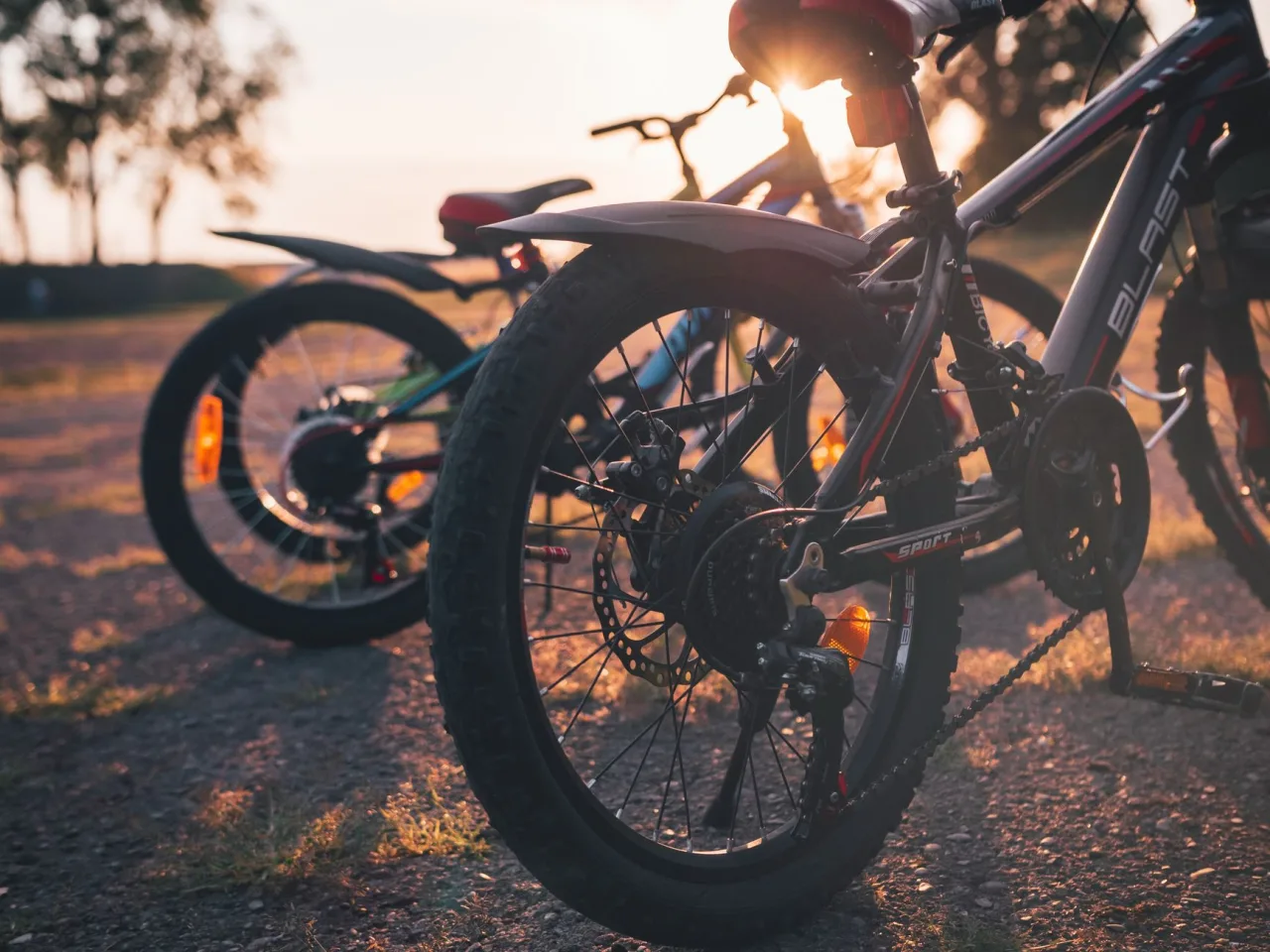
Buying a bike for a child is different from buying one for yourself: sizing works by wheel diameter rather than frame size, and the right choice depends far more on age, confidence, and inseam than on brand. This complete guide walks through how kids bikes are sized, the types available, what features actually matter, and how to choose one that fits safely.
The short version
- Kids bikes are sized by wheel diameter, not by frame size. Common sizes are 12, 14, 16, 20, and 24 inch wheels.
- Match the size to your child's height and inseam, not just their age. Ages are only a rough guide, and children vary a lot.
- Balance bikes teach balance first and often work better than training wheels for young beginners aged roughly two to five.
- Prioritize light weight, working brakes sized for small hands, and a proper fit. A helmet is non-negotiable.
How kids bikes are sized
The single most important thing to understand is that kids bikes are measured by wheel diameter, not the frame size numbers used for adult bikes. When you see a bike described as a 16-inch or a 20-inch kids bike, that number refers to the wheels, and it maps roughly to a child's height and age.
Here is the standard ladder of wheel sizes and the approximate age ranges they suit. Treat the ages as a starting point only, because a tall four-year-old and a small six-year-old may need the same bike.
- 12 inch: roughly ages 2 to 4, often as a balance bike or first pedal bike.
- 14 inch: roughly ages 3 to 5.
- 16 inch: roughly ages 4 to 6.
- 20 inch: roughly ages 5 to 8.
- 24 inch: roughly ages 7 to 11, bridging toward small adult bikes.
Fit tip
The most reliable way to size a kids bike is by inseam, not age. Have your child stand over the bike: on a first pedal bike they should be able to put both feet flat on the ground, and on a more confident rider's bike the balls of both feet should reach the ground comfortably. Measure their inside leg and compare it to the bike's minimum saddle height before buying.
Balance bikes versus training wheels
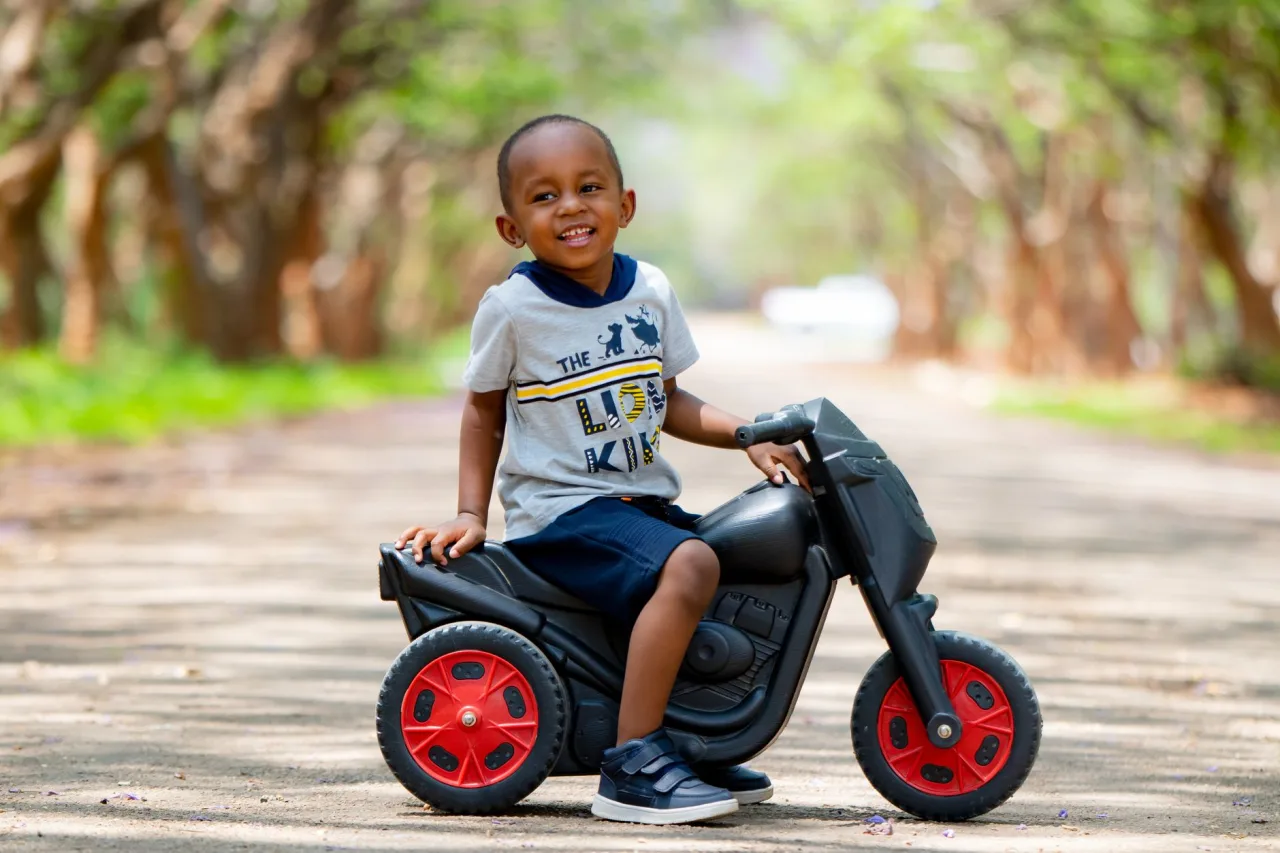
For the youngest riders, the big question is how to teach balance. A balance bike is a pedal-free bike that a child propels by pushing their feet against the ground, and it is designed to teach balance and steering before pedaling is introduced. Balance bikes are typically aimed at children between about two and five, with some starting as young as eighteen months, and they commonly use 12-inch or 14-inch wheels.
Many parents and instructors now prefer balance bikes over training wheels because children learn to balance first and can often skip straight to a pedal bike without stabilizers. Training wheels keep a bike upright but do not teach balance, which can mean an extra transition later. Neither is wrong, but a balance bike tends to build the core skill sooner. Our dedicated balance bike guide goes deeper on how to teach a child to glide.
Types of kids bikes
Once a child can pedal confidently, the category opens up. The main types are:
- First pedal bikes: simple, single-speed bikes with a coaster (backpedal) brake or a hand brake, usually 12 to 16 inch.
- Kids mountain bikes: rugged bikes with knobby tires and often gears and hand brakes, for trails and rougher play, usually 20 to 24 inch.
- Kids road and hybrid bikes: lighter, faster bikes for older kids who ride on pavement and paths.
- BMX bikes: tough single-speed bikes for skateparks, pump tracks, and tricks. Our BMX bikes guide covers these in detail.
- Kids electric bikes: a newer category for older children, which need extra care around speed and local laws. See our kids electric bike guide before considering one.
Features that actually matter
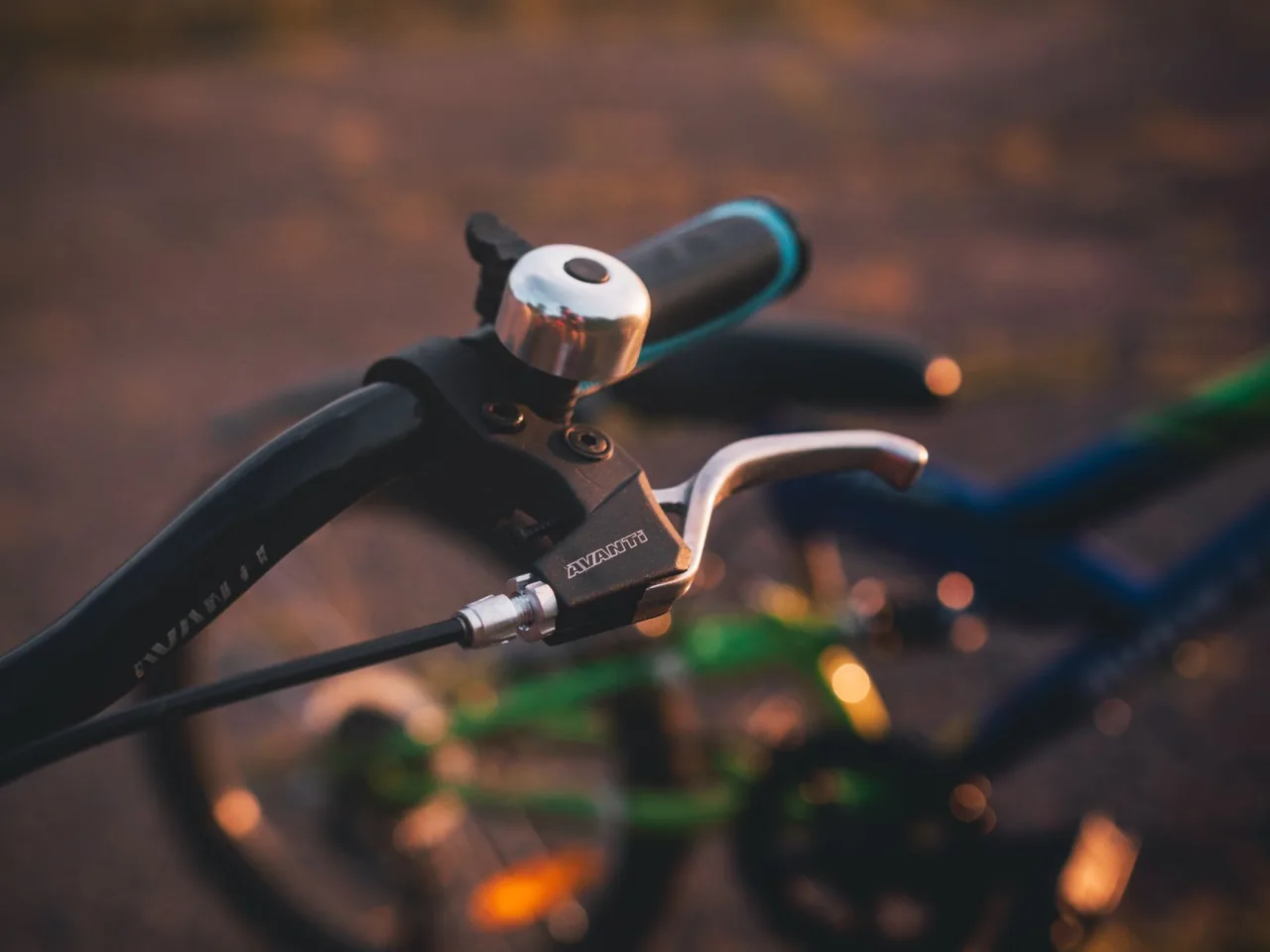
Marketing loves flashy graphics and suspension forks, but a few features genuinely affect whether a child enjoys riding.
- Weight: this is the most important and most overlooked factor. A bike that is too heavy is hard for a small child to control and no fun to ride. Lighter is almost always better, even if it costs more.
- Brakes sized for small hands: hand brakes should be easy for little fingers to reach and squeeze. Some young riders start with a coaster brake and add hand brakes as they grow.
- Low, adjustable saddle: so the child can reach the ground and so the bike can grow with them for a season or two.
- Simple gearing: single-speed for the youngest, with gears added only when a child can manage them.
Cheap department-store bikes often fail on weight and brake quality, which is why a lightweight bike from a bike-focused brand or shop is usually worth the extra money.
Safety warning
A correctly fitted helmet is essential every single ride, no exceptions. It should sit level, cover the forehead, and buckle snugly. Never buy an oversized helmet to grow into, because a loose helmet does not protect properly. Our bike helmet guide explains how to fit one correctly.
How to choose the right bike as your child grows
Children grow fast, so the temptation is to buy a size too big and hope they grow into it. Resist it. An oversized bike is hard to control and can knock a child's confidence or cause a fall. Instead, buy the size that fits now, use the saddle-height adjustment to extend its life, and plan to move up when they outgrow it.
To make each size last, look for a bike with a good range of saddle adjustment and, ideally, an adjustable stem or bars. When it is finally time to size up, a well-kept kids bike holds value well and can be sold on or handed down, which softens the cost of the next one.
New versus used kids bikes
Because children outgrow bikes quickly, the used market is excellent for this category. A gently used kids bike is often a smart buy, since it may have barely been ridden before the previous child grew out of it. When buying used, check the brakes work, the wheels spin true, the tires hold air, and there is no serious rust or cracked frame.
Our second hand bikes guide covers the full inspection checklist. If you prefer buying new for the warranty and shop setup, our new bike guide weighs the trade-offs, and major brands like Trek make solid youth bikes worth a look, as covered in our Trek review for older kids moving to adult-style hardtails.
Where to buy and how to get a good fit
A local bike shop is the best place to buy a kids bike because staff can fit the bike to your child, adjust the brakes and saddle, and assemble it safely. That hands-on setup matters more for children than for adults, since a poorly built bike is genuinely unsafe for a small rider.
Use a short checklist to judge a shop: they should let your child sit on and ideally test ride the bike, size it by inseam rather than guessing from age, set up the brakes for small hands, and explain how to adjust the saddle as your child grows. Our guide to finding trusted local bike shops explains how to vet a store before you go.
Frequently asked questions
How do I know what size bike my child needs?
Kids bikes are sized by wheel diameter (12, 14, 16, 20, and 24 inch), and the best way to choose is by your child's height and inseam rather than age alone. Have them stand over the bike: on a first pedal bike they should reach both feet flat on the ground. Age ranges are only a rough guide because children vary a lot.
Are balance bikes better than training wheels?
Balance bikes teach balance and steering first, before pedaling, and many parents and instructors find children transition to a pedal bike faster as a result. Training wheels keep a bike upright but do not teach balance. Balance bikes suit children from about two to five, sometimes younger.
What is the most important feature in a kids bike?
Weight. A lighter bike is far easier for a small child to control and much more fun to ride, so it encourages them to keep going. Brakes sized for small hands and a properly adjustable saddle are the next priorities.
Should I buy a bigger bike so my child can grow into it?
No. An oversized bike is hard to control and can hurt a child's confidence or cause falls. Buy the size that fits now, use the saddle-height adjustment to extend its life, and size up when they outgrow it.
Is it safe to buy a used kids bike?
Yes, and it is often smart value because children outgrow bikes quickly. Check that the brakes work, the wheels spin true, the tires hold air, and the frame has no cracks or serious rust before buying used.
Does my child really need a helmet for a first bike?
Yes, every ride, without exception. A correctly fitted helmet should sit level, cover the forehead, and buckle snugly. Do not buy an oversized helmet to grow into, because a loose helmet does not protect properly.
More guides on Kids & City Bikes
Have a question or a topic to suggest?
We read every message. Tell us what you would like to see next on the blog.
Get in touchYou may also like
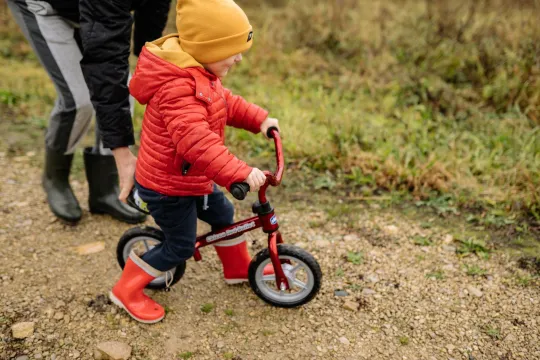
Balance Bike: The Complete Guide
A parent's guide to balance bikes: the right starting age, why they beat training wheels, what to look for and how to transition to pedals.
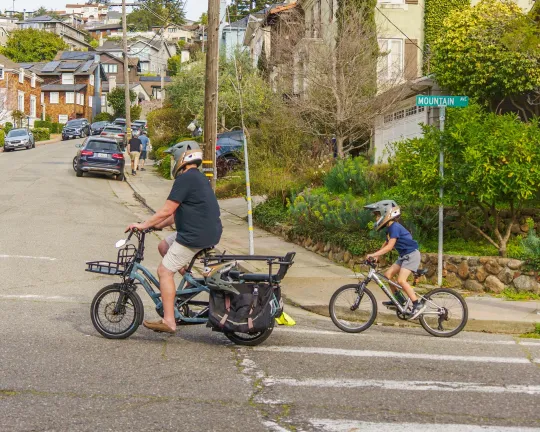
Kids Electric Bike: Full Guide
A parent-focused guide to kids electric bikes: pedal-assist vs dirt bikes, the right age, throttle safety, essential gear, and the rules that matter.
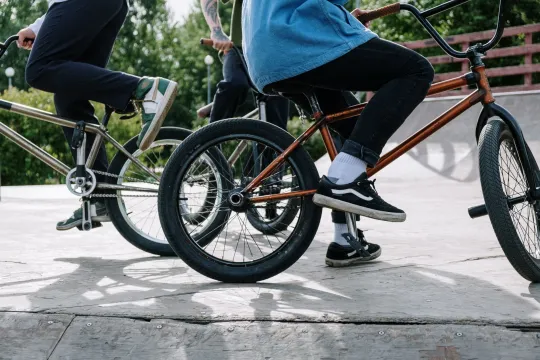
BMX Bikes: The Complete Guide
A clear guide to BMX bikes: race vs freestyle, the parts that matter, wheel sizing for kids and adults, and realistic prices so you buy the right bike.