Sport Cycling · Cycling (General)
Sport Bicycle: The Complete Guide
Road, gravel and endurance performance bikes, the features that matter, and how to choose one that fits.
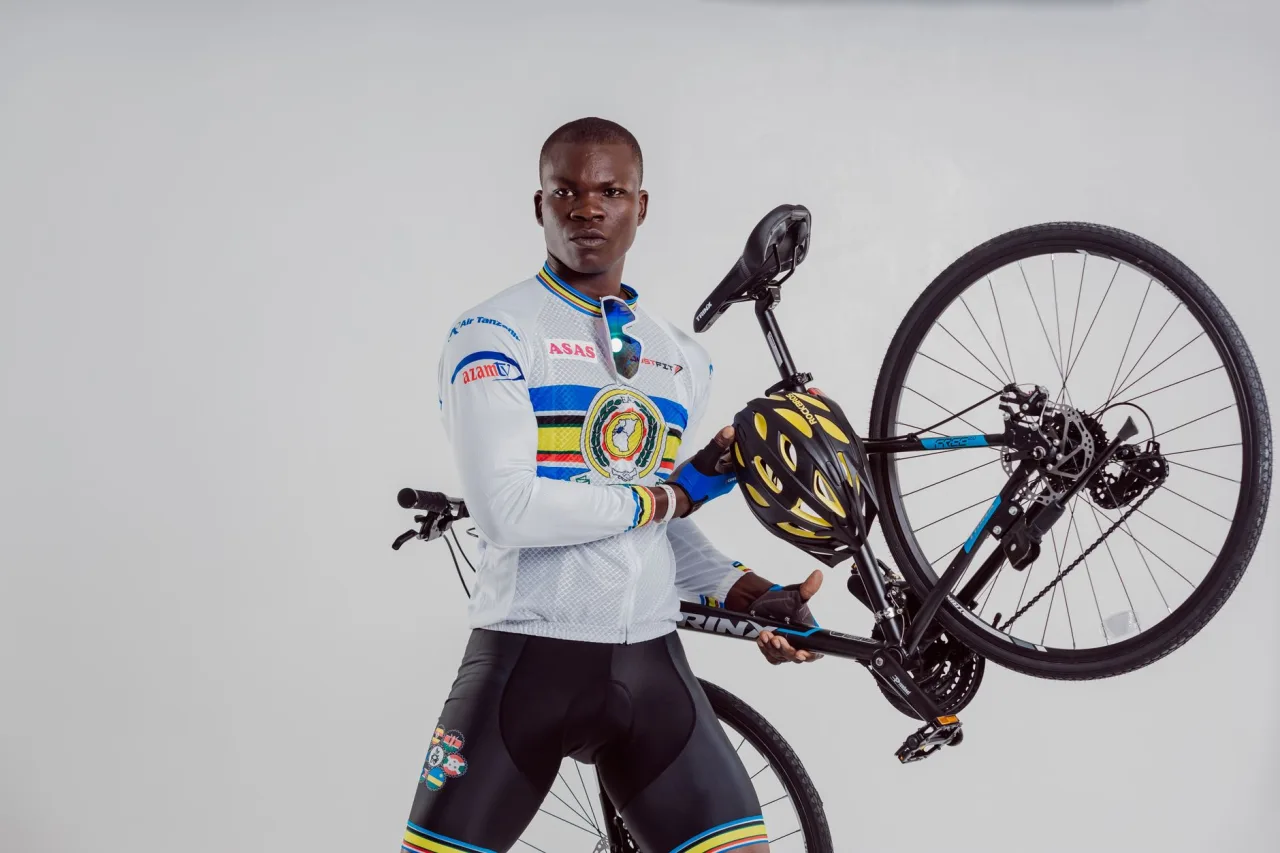
"Sport bicycle" is a broad phrase that covers the performance side of cycling: bikes built to go faster, ride further, and reward fitness rather than just get you to the shops. This guide untangles what a sport bicycle really is, the main types, the features that define performance geometry, and how to choose one that matches how you actually want to ride.
The short version
- A sport bicycle prioritises speed, efficiency, and fitness. The classic example is the road racing bike, but sport riding also spans gravel, endurance, and performance hybrids.
- Defining traits are a lightweight frame, an aerodynamic riding position, closely spaced gearing, and efficient power transfer to the wheels.
- Fit matters more than any spec. A well-fitted mid-range bike beats an ill-fitting expensive one every time.
- Expect roughly 800 to 2,500 US dollars for a capable entry-to-mid sport bike, with high-end machines far above that. Prices vary, so confirm locally.
What counts as a sport bicycle
There is no single dictionary definition, but in practice a sport bicycle is any bike designed to be ridden hard for performance, training, or competition rather than purely for transport or leisure. The purest expression is the road racing bike. Wikipedia's racing bicycle article describes machines built to minimise aerodynamic drag, rolling resistance, and weight, with drop handlebars set lower than the saddle to put the rider in an aerodynamic posture and closely spaced derailleur gears so the rider can hold an optimal cadence.
That description captures the sport ethos: everything on the bike serves speed and efficiency. But you do not have to race to enjoy a sport bicycle. Plenty of riders buy one purely for fitness, group rides, and the pleasure of a fast, responsive machine.
The main types of sport bicycle
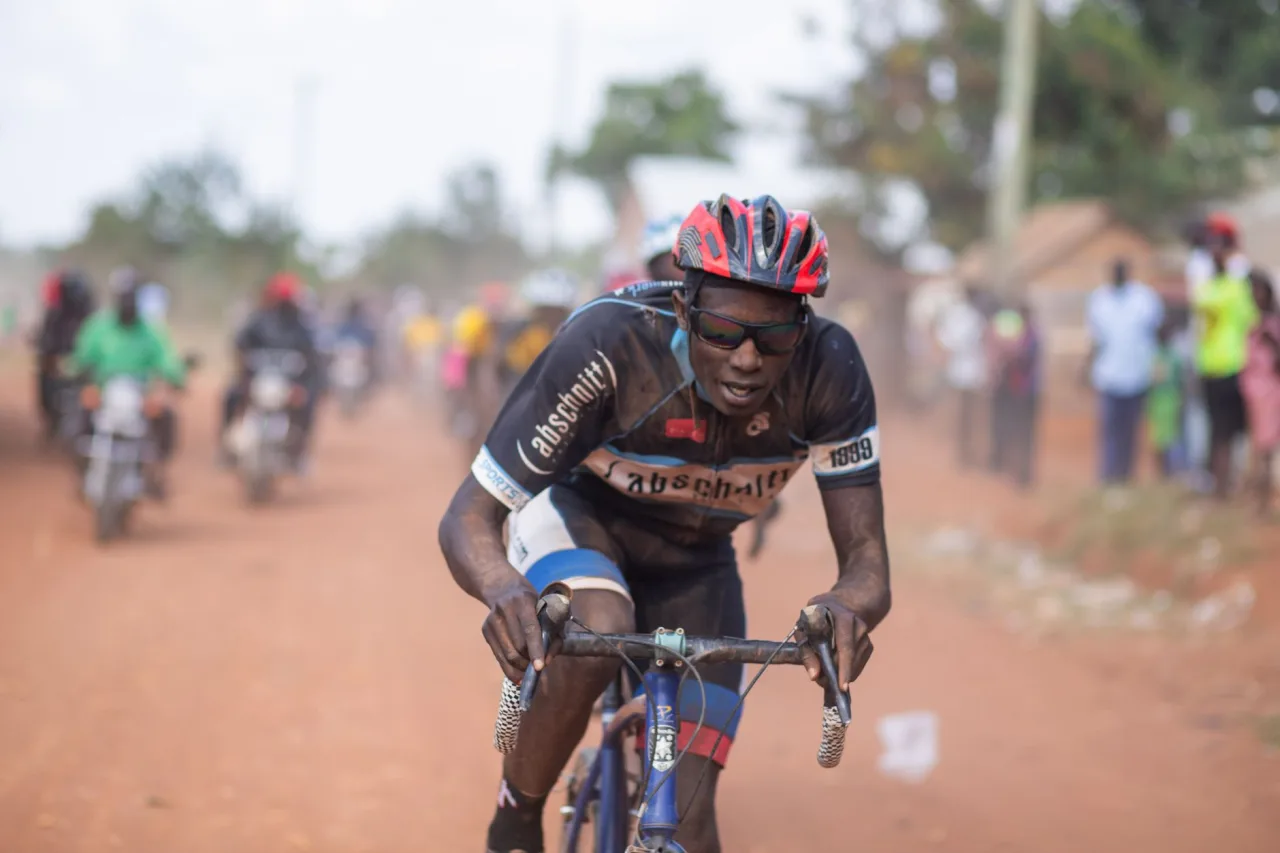
- Road racing bike: Light, aerodynamic, drop bars, narrow tyres, built for speed on pavement. The definitive sport bike. See our road bike guide for the full breakdown.
- Endurance road bike: The same DNA with a slightly more upright, comfortable geometry for long days in the saddle. A better first sport bike for many riders.
- Gravel bike: Drop-bar performance with wider tyres and clearance for mixed surfaces, so you can ride tarmac and dirt on one bike. Our gravel bike guide covers it in depth.
- Performance hybrid or flat-bar road bike: Road-bike speed with flat handlebars and an upright position, popular for fitness riders who dislike drop bars.
- Cross-country mountain bike: The off-road sport option, built to climb and cover ground fast on trails rather than for big descents. See the mountain bike guide.
Buyer tip
- Be honest about where you will ride 80 percent of the time. Mostly smooth roads point to a road or endurance bike, mixed surfaces point to gravel, and dirt trails point to a cross-country mountain bike. Buying for the ride you actually do beats buying for the ride you imagine.
What makes a bike a performance machine
Several design choices separate a sport bicycle from a casual one.
- Lightweight frame: Aluminium at the affordable end, carbon fibre higher up. Wikipedia notes a typical modern carbon race frame weighs under 1 kg, and the UCI sets a 6.8 kg minimum for competition bikes.
- Aggressive geometry: A longer, lower position that lowers your torso to cut wind resistance. Sport geometry trades a little comfort for speed.
- Efficient drivetrain: Closely spaced gears let you hold your best pedalling cadence. Modern performance bikes commonly use two front chainrings with an 11 or 12 speed rear cassette.
- Responsive handling: Wheels positioned closer together and stiffer frames give quick, precise steering.
- Performance contact points: Narrower saddles, drop or aero bars, and grippy tyres tuned for speed rather than plushness.
Fit is the feature that matters most

The most expensive sport bicycle in the world is slow and painful if it does not fit you. Frame size, saddle height, reach to the bars, and cleat position all shape how much power you can put down and how you feel after two hours. This is exactly where buying from a good shop pays off: a proper fitting session, and often a follow-up adjustment, is worth more than an upgraded component group. Our guide to finding a trusted local bike shop explains what a quality fit service should include.
Realistic sport bicycle prices in 2026
Sport bikes span a huge range. These are broad brackets, so confirm current pricing locally.
- Entry aluminium road or performance hybrid: roughly 800 to 1,400 US dollars.
- Mid-range (better aluminium or entry carbon, quality groupset): roughly 1,400 to 2,800.
- High-end carbon with electronic shifting: roughly 3,000 to 8,000 plus.
- Pro-level race bikes: well above that.
Reputable performance brands include Trek, Specialized, Giant, Cannondale, Scott, and Cervelo, among others. Do not overspend on your first sport bike. A well-chosen mid-range machine leaves budget for the things that transform the experience: shoes, a helmet, and a fitting. For a wider look at costs across categories, see our bicycle price guide.
The gear that makes sport riding better
Sport cycling rewards a few key accessories more than casual riding does. Clipless pedals and shoes improve pedalling efficiency, padded shorts make long rides bearable, and a well-fitted helmet is non-negotiable at speed. Wikipedia's general bicycle overview notes that up to 99 percent of the rider's pedal energy reaches the wheels, which is part of why cycling is such an efficient way to build fitness. Our cycling gear guide and bike helmet guide cover the essentials.
Warning
- Do not chase a race-aggressive position if you are new to sport riding. An extreme, low posture can cause neck, back, and hand pain and may make you slower, not faster. Start with an endurance fit and lower the front end gradually as your flexibility improves.
How to choose your first sport bicycle
- Decide your main surface: smooth road, mixed gravel, or trail.
- Set a realistic total budget, including a helmet, shoes, and a fit.
- Prioritise fit and frame over flashy components. Groupsets can be upgraded later.
- Test ride at least two bikes if you can, back to back.
- Buy from a shop that offers a fitting and after-sale support.
Get those five right and almost any well-reviewed sport bicycle will serve you for years. The best bike is the one you are excited to ride often.
Frequently asked questions
What is a sport bicycle?
A sport bicycle is a bike designed for speed, efficiency, and fitness rather than just transport or leisure. The classic example is the road racing bike, but the category also includes endurance road bikes, gravel bikes, performance hybrids, and cross-country mountain bikes. They share lightweight frames and performance-focused geometry.
Is a road bike the same as a sport bicycle?
A road racing bike is the most common type of sport bicycle, but the terms are not identical. Sport bicycle is a broader category that also covers gravel bikes, performance hybrids, and cross-country mountain bikes. All are built for performance, but they differ in tyres, geometry, and the surfaces they suit.
How much does a good sport bicycle cost?
An entry-level aluminium sport bike typically runs roughly 800 to 1,400 US dollars, mid-range models about 1,400 to 2,800, and high-end carbon bikes 3,000 and up. Prices vary by brand, specification, and region, so confirm current pricing locally and budget for a helmet, shoes, and a fit as well.
What makes a bicycle good for sport riding?
Key traits are a lightweight frame, an aerodynamic riding position, closely spaced gears that let you hold an optimal cadence, and efficient power transfer to the wheels. Responsive handling and performance contact points such as narrow saddles and grippy tyres complete the package. Above all, the bike must fit you well.
Do I need to race to buy a sport bicycle?
No. Many riders buy a sport bicycle purely for fitness, group rides, and the enjoyment of a fast, responsive bike. You never have to pin on a race number. Just choose a geometry that matches your flexibility and goals, starting with a comfortable endurance fit if you are new to performance riding.
More guides on Cycling (General)
Have a question or a topic to suggest?
We read every message. Tell us what you would like to see next on the blog.
Get in touchYou may also like
Road Bike: The Complete Guide
Choose the right road bike with confidence: the main types, frame materials, components that matter, why fit beats everything, and how much to sensibly spend.
Gravel Bike: The Complete Guide
Everything a first-time buyer needs on gravel bikes: geometry, tyre clearance, frame materials, what they are used for and how much to spend.

Mountain Bike: The Complete Guide
Everything you need to choose a mountain bike: the main types, wheel sizes, key components, how to pick your first bike and the gear and care that keep it running.