Road & Gravel · Road & Gravel Bikes
Gravel Bike: The Complete Guide
The do-everything drop-bar bike explained: geometry, tyres, gearing and how to choose your first one.
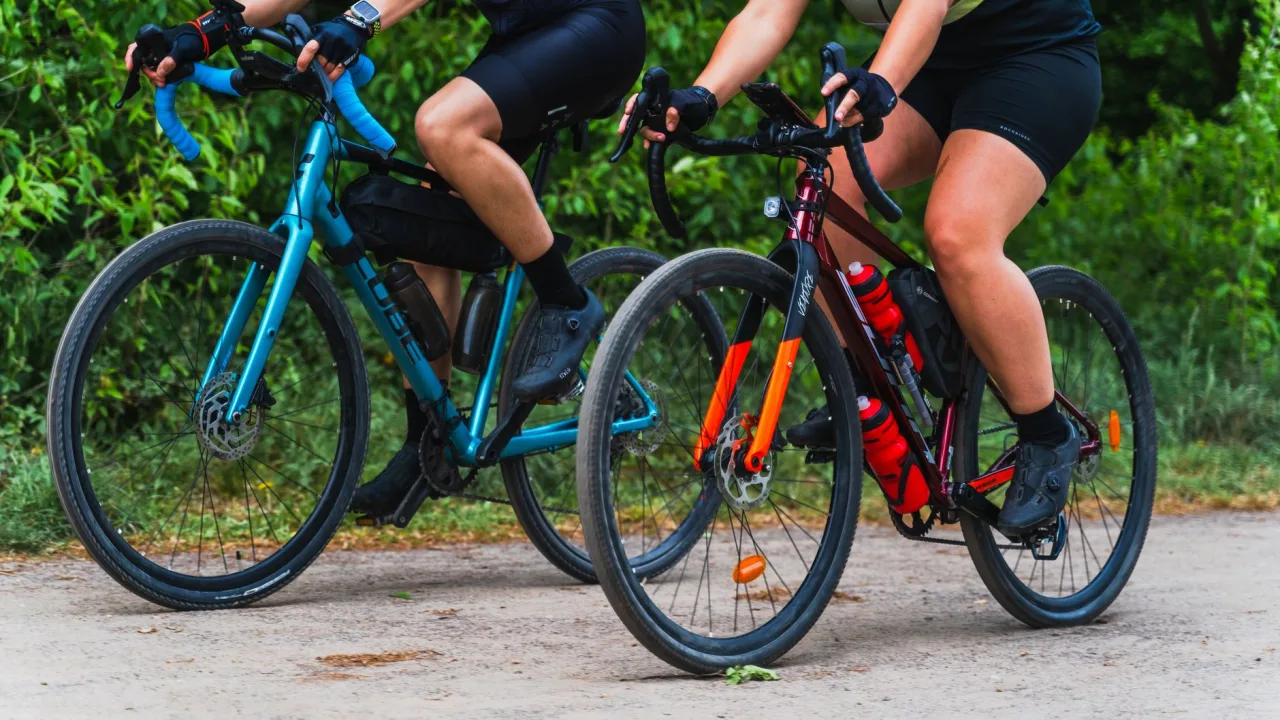
A gravel bike is the closest thing cycling has to a do-everything machine: fast enough for the road, capable enough for dirt, and comfortable enough for all-day adventures. This guide explains what defines a gravel bike, how to choose one, what to budget, and how it differs from the road and mountain bikes it borrows from.
The short version
- A gravel bike sits between a road bike and a cross-country mountain bike, with drop bars, wide tyres and stable, relaxed geometry.
- Tyre clearance is the defining feature. Most fit around 40mm tyres, and many take 45mm to 50mm or wider for rougher ground.
- They excel at mixed-surface riding: tarmac, gravel roads, farm tracks, light trails and long-distance bikepacking.
- Budget realistically. Capable alloy models start in the mid hundreds to low thousands, with carbon and premium builds far higher. Prices vary by region, so confirm locally.
What is a gravel bike
A gravel bike is a drop-bar bicycle built for riding on unpaved surfaces as well as tarmac. Its frame geometry is intermediate between a road bike and a cross-country mountain bike, which makes the handling more stable and forgiving than a pure road racer, particularly on loose or low-traction descents. The category is sometimes called an adventure bike, especially when set up for harsher terrain and longer trips.
The style evolved through the 2000s and matured in the 2010s as riders wanted one bike that could handle the endless mix of surfaces found on real roads and backcountry routes. Today gravel bikes make up a significant share of all bikes sold. If you are comparing categories from scratch, our complete bike guide puts gravel alongside the other main types.
Gravel bike versus road and mountain bikes
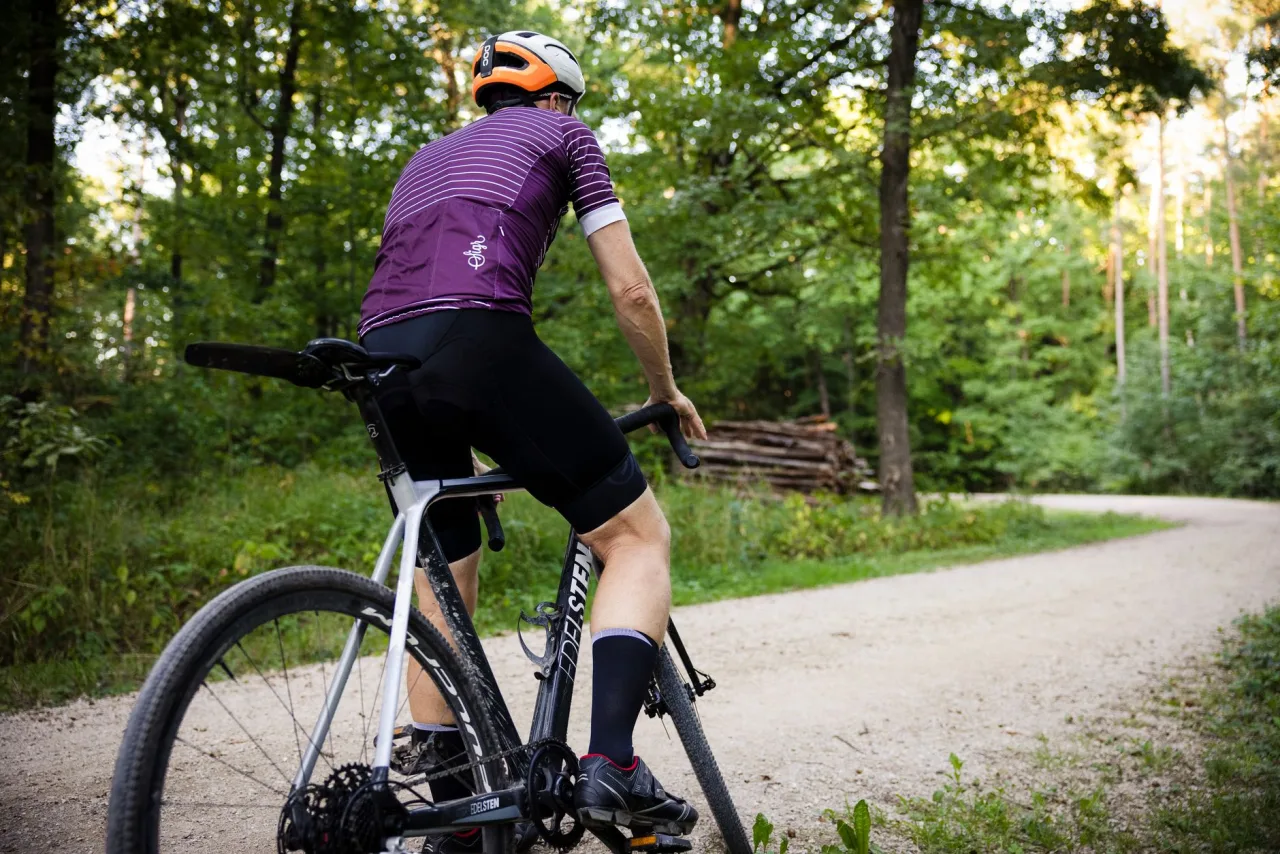
The quickest way to understand a gravel bike is by what it borrows from its neighbours.
- Versus a road bike: a gravel bike keeps the efficient drop-bar position but adds tyre clearance, a more relaxed geometry and often lower gearing. It is a little slower on smooth tarmac but far more capable everywhere else. See our road bike guide for the pure-tarmac option.
- Versus a mountain bike: a gravel bike is lighter and faster over long distances but has far less suspension travel and grip for technical terrain. For rocks, roots and steep singletrack, a mountain bike is the right tool.
Think of the gravel bike as the middle ground: not the fastest on any single surface, but the most versatile across all of them. That versatility is exactly why it has become so popular.
Geometry is where these differences live. Compared with a road bike, a gravel frame typically has a longer wheelbase, a slacker head angle and a taller front end. Those changes slow the steering slightly and put your weight in a more planted, controlled position, which pays off the moment the surface turns loose or the descent gets bumpy. On smooth tarmac you notice the bike is a touch less darty. On a rutted farm track you notice it feels calm and predictable, and that trade is exactly the point.
Tyre clearance and wheels: the defining feature
If one thing separates a gravel bike from a road or cyclocross bike, it is tyre clearance. Where a cyclocross bike typically maxes out near 33mm, gravel bikes commonly fit around 40mm tyres, and many frames accept 45mm to 50mm or even wider. Wider tyres run at lower pressure, which means more grip, more comfort and fewer punctures on rough ground.
Two wheel sizes dominate:
- 700c: the standard road wheel size, which rolls efficiently and suits faster, smoother gravel.
- 650b: a smaller diameter that leaves room for very wide, high-volume tyres, favoured for rougher, more technical routes.
Many gravel bikes can run either size, letting you tune the same frame for different terrain. Getting tyre choice right for your local surfaces makes a bigger difference to how a gravel bike feels than almost any other upgrade.
Tread pattern matters as much as width. A fast-rolling tyre with a smooth centre and light side knobs suits hardpack and mixed routes, while a more aggressive knobbly tyre earns its keep in mud and loose gravel at the cost of speed on tarmac. Many riders keep two sets of tyres and swap them by season. If you only buy one, a versatile mid-tread tyre around 40mm is the safest all-round starting point for most riders and most terrain.
Tip: Set up your gravel tyres tubeless if the wheels allow it. Lower pressures without pinch flats mean more grip and comfort, and sealant handles most small punctures on the move.
Frame materials, gearing and key features
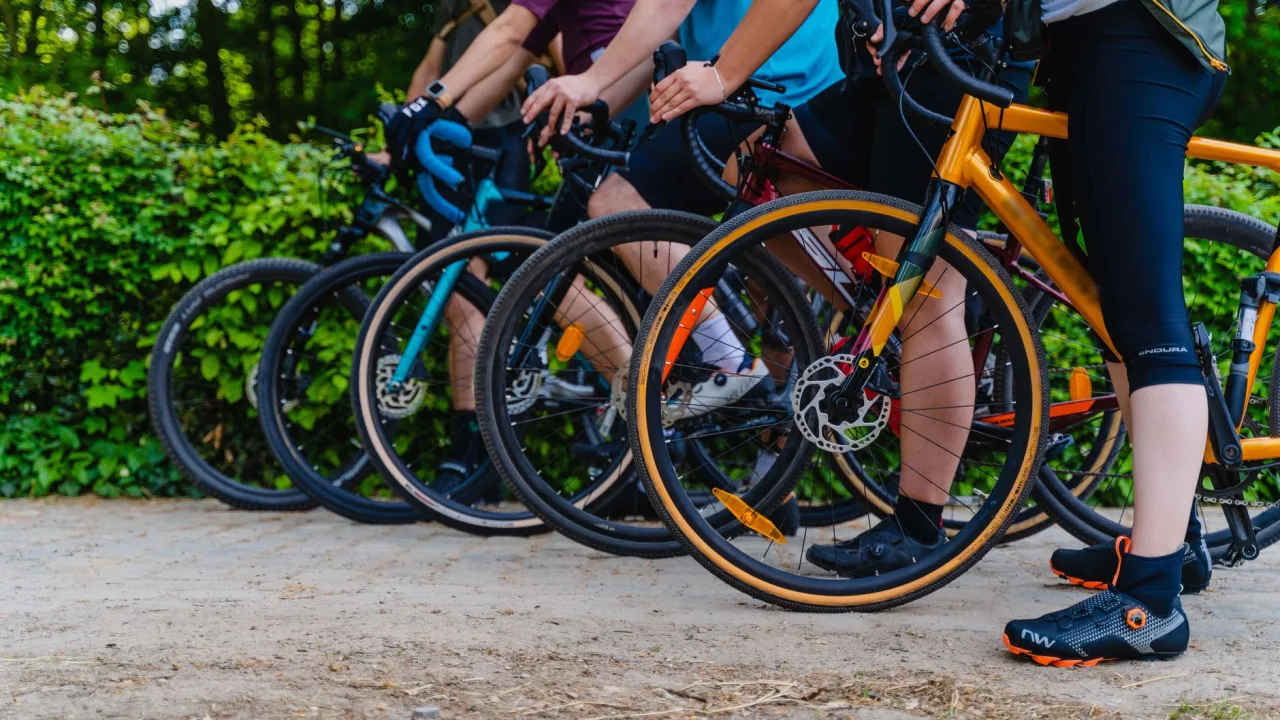
Gravel frames come in the same materials as other performance bikes, and each has a place:
- Aluminium: affordable, tough and the usual choice for entry and mid-range bikes.
- Carbon fibre: lighter and able to be tuned for compliance, at a higher price.
- Steel and titanium: prized for a smooth ride and durability, popular for touring and custom builds.
Gearing tends to be lower than on a road bike so you can spin up loose climbs with a load. Many gravel bikes use a single front chainring, called 1x, to simplify the drivetrain and reduce the risk of a dropped chain on rough ground. Disc brakes are near-universal because they cope with mud and wet far better than rim brakes. Look also for rack, mudguard and multiple bottle mounts if you plan to tour or commute, and consider a set of bike racks for carrying gear.
What can you do with a gravel bike
The appeal of gravel is the breadth of riding one bike unlocks:
- Mixed-surface adventures: link tarmac, gravel roads and farm tracks into routes a road bike could never handle.
- Bikepacking and touring: mount bags and racks and ride multi-day trips off the beaten track.
- Commuting: wide tyres and disc brakes make for a comfortable, all-weather commuter.
- Gravel racing: a fast-growing branch of the sport with events ranging from short local races to gruelling ultra-distance challenges.
Because it does so much, a gravel bike is often the single most practical bike a rider can own, especially if garage space or budget only stretches to one. It is worth being realistic about the limits, though. On fast group road rides you will work harder to keep up, and on genuinely technical mountain trails you will run out of grip and suspension before a mountain bike would. The gravel bike wins on breadth, not on peak performance in any single discipline, and knowing that keeps your expectations sensible.
What does a gravel bike cost
Prices depend on frame material, components and region, so treat these as broad ranges and confirm current pricing locally. Capable alloy gravel bikes with disc brakes and a reliable drivetrain generally start in the mid hundreds to low thousands. Carbon frames, better wheels and higher-tier groupsets push into the mid thousands, and premium race or custom builds go well beyond that.
You do not need the most expensive bike to enjoy gravel. A solid alloy frame with room for wide tyres, disc brakes and mounting points will handle almost everything a beginner or intermediate rider wants to do. Spend where it counts, on fit and tyres, before chasing a lighter frame. A well-fitting bike helmet and, if you buy in person, advice from a good local bike shop are worth more than a few saved grams.
Note: If you are torn between gravel and other categories, borrow or demo one first. The relaxed drop-bar position and wide tyres feel distinct, and a short test ride tells you more than any spec sheet.
Frequently asked questions
What is a gravel bike used for?
A gravel bike is used for riding across mixed surfaces, including tarmac, gravel roads, farm tracks and light trails. Common uses are adventure riding, bikepacking, commuting and gravel racing, which makes it one of the most versatile bikes you can own.
What is the difference between a gravel bike and a road bike?
A gravel bike keeps the drop-bar position of a road bike but adds much wider tyre clearance, more relaxed and stable geometry, and usually lower gearing. It is slightly slower on smooth tarmac but far more capable on unpaved surfaces.
How wide are gravel bike tyres?
Most gravel bikes fit tyres around 40mm wide, and many frames accept 45mm to 50mm or wider. Wider tyres run at lower pressure for more grip and comfort on rough ground. Some bikes use smaller 650b wheels to allow even wider tyres.
Can you use a gravel bike on the road?
Yes. A gravel bike works well on the road, and fitting slicker or narrower tyres makes it faster on tarmac. It will be a little slower than a dedicated road bike but is comfortable and perfectly capable for commuting and road riding.
How much should I spend on a gravel bike?
Prices vary by material, components and region, so confirm locally. Capable alloy models start in the mid hundreds to low thousands, while carbon and premium builds cost much more. A solid alloy bike with wide tyre clearance and disc brakes suits most beginners well.
Sources and further reading:
- Gravel bicycle on Wikipedia for geometry, tyre clearance and history.
- Bicycle on Wikipedia for background on bike types and components.
More guides on Road & Gravel Bikes
Have a question or a topic to suggest?
We read every message. Tell us what you would like to see next on the blog.
Get in touchYou may also like
Road Bike: The Complete Guide
Choose the right road bike with confidence: the main types, frame materials, components that matter, why fit beats everything, and how much to sensibly spend.
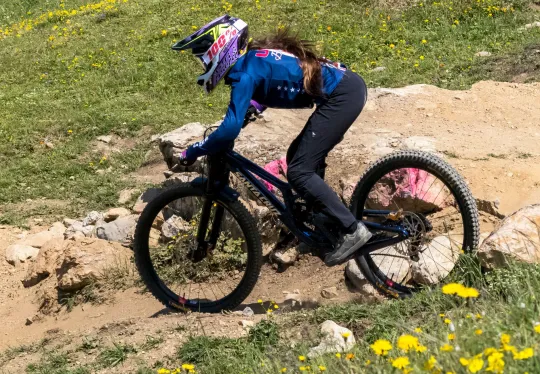
Mountain Bike: The Complete Guide
Everything you need to choose a mountain bike: the main types, wheel sizes, key components, how to pick your first bike and the gear and care that keep it running.
Bike: The Complete Guide
A beginner-friendly complete guide to bikes: history, the main types, anatomy, how to choose and size the right one, plus safety and basic maintenance.