Buying Guide · Cycling (General)
Mens Bike: The Complete Guide
How to pick the right type and size, the parts that matter, and honest price ranges for a mens bike that actually fits.
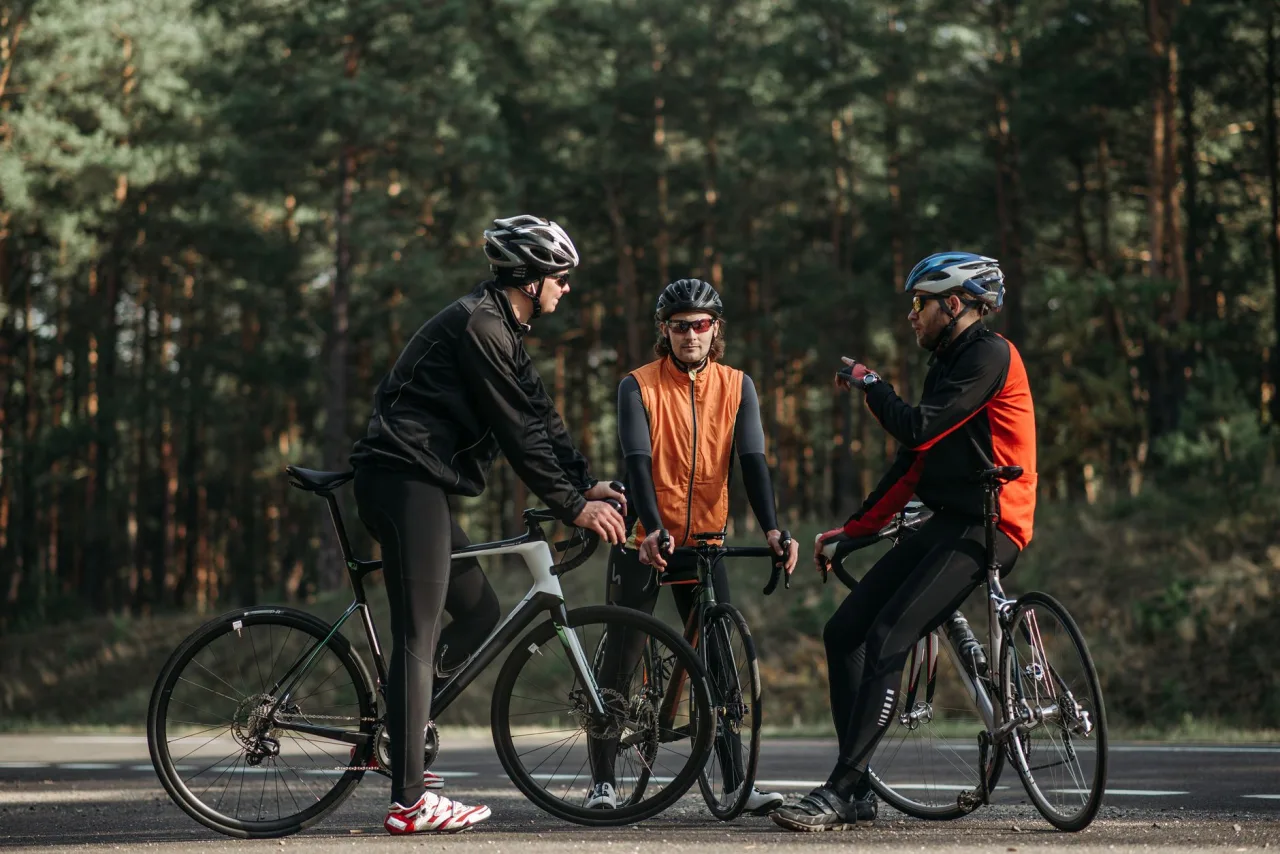
Shopping for a mens bike is less about the label on the frame and more about matching the right type, size and fit to how you actually ride. A "mens" bicycle usually just means a classic diamond frame in a taller size range, but the smart way to buy is to start with your riding, then choose the frame that fits your body. This guide walks through the types, sizing, key parts and honest price ranges so you can buy once and buy well.
The short version
- "Mens bike" mostly describes a diamond frame in larger sizes, not a fundamentally different machine.
- Pick the type first: road, mountain, hybrid, gravel or electric, based on where you ride most.
- Fit beats brand. Correct frame size, saddle height and reach matter more than any logo.
- Set a realistic budget, confirm current prices locally, and test ride before you commit.
What "mens bike" really means
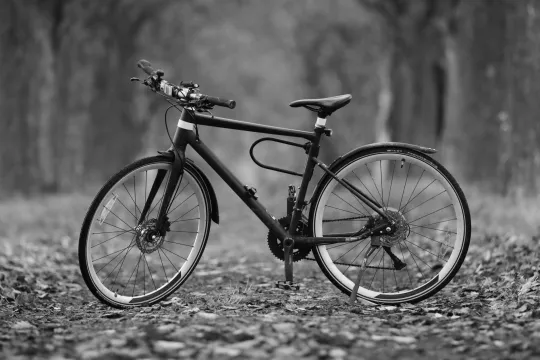
Traditionally, a mens bicycle refers to a diamond frame with a high, horizontal top tube. As Wikipedia's article on the bicycle frame explains, the diamond frame is the most common design, built from two triangles, and its horizontal top bar means you swing a leg over the saddle to mount. The step through frame, historically marketed to women, lowers the top tube for easier mounting. In practice both frame styles suit any rider, so choose the geometry and standover height that feels comfortable rather than the marketing label.
Because "mens" is really a sizing and geometry description, the more useful question is what kind of riding you plan to do. That is where our types of bicycles guide can orient you before you narrow down.
Choose the type before the brand

The single biggest decision is the category, because it determines comfort, speed and where you can ride.
- Road bikes: fast and efficient on pavement, drop bars, skinny tyres. See the road bike guide.
- Mountain bikes: suspension and grippy tyres for trails. Covered in the mountain bike guide.
- Hybrid bikes: upright, versatile, great for commuting and fitness. See the hybrid bike guide.
- Electric bikes: pedal assist for longer rides, hills and commuting, explained in the electric bike guide.
If most of your riding is paved paths and streets with the occasional gravel stretch, a hybrid or gravel bike is often the sweet spot. If you crave speed on tarmac, go road. If dirt trails are your happy place, go mountain.
A useful exercise is to picture your typical week of riding, not your dream ride. Many buyers overspend on a specialised road or mountain bike that then sits unused because their real riding is a commute and a weekend spin on mixed paths. Buy for the riding you will actually do most, and you will ride more often and enjoy it more. You can always add a second, more specialised bike later once you know what you love.
Getting the size right
Frame size is where most buyers go wrong. Traditionally, frame size is measured along the seat tube, and Wikipedia notes typical medium road frames around 54 to 56 cm for a European men's racing bicycle. But numbers differ between brands and bike types, so use them as a starting point, not gospel.
- Standover height: you should clear the top tube with both feet flat and a small gap. This is the height of the top tube above the ground.
- Reach: your torso should feel comfortably extended, not stretched or cramped, when your hands rest on the bars.
- Saddle height: set so your knee has a slight bend at the bottom of the pedal stroke.
Most shops publish a size chart by height, and many overlap between sizes. When you are between two, your riding style and flexibility break the tie. A proper fit session at a shop is money well spent.
Fit tip: never buy on frame label alone
- Two brands can call very different geometries the same "large". Trust standover, reach and a test ride over the size letter.
- Saddle and stem swaps fine tune comfort, but they cannot fix a frame that is a size too big or small.
The parts that shape your ride
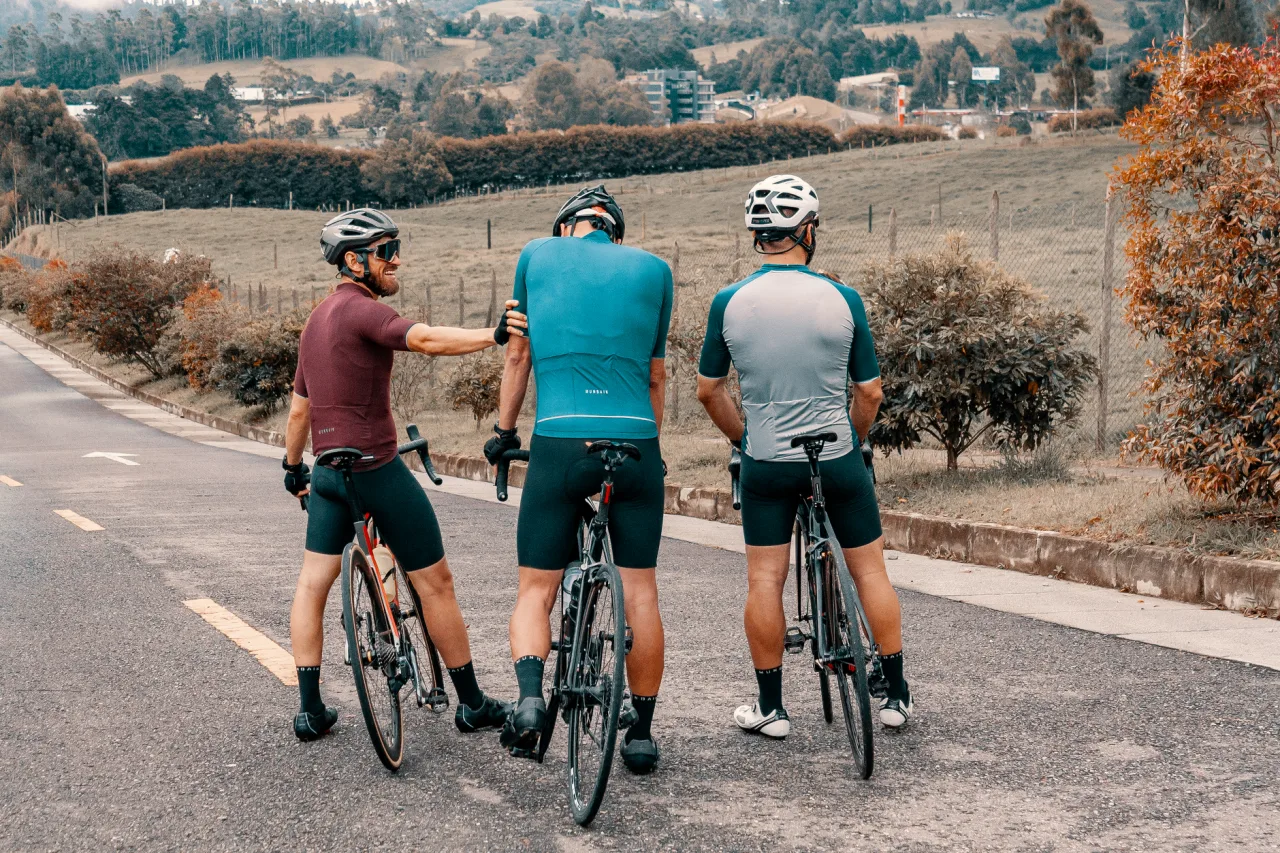
Once type and size are sorted, a few components decide day to day comfort and reliability.
- Saddle: the contact point that causes the most complaints. Width and shape matter far more than padding. Our bike seat guide covers how to choose one.
- Drivetrain: the number of gears matters less than the range. Hilly areas want a wide range cassette.
- Brakes: hydraulic disc brakes give strong, consistent stopping in all weather, and are now common across price points.
- Wheels and tyres: tyre width and tread affect comfort and grip more than most riders expect.
Honest price ranges for 2026
Prices vary widely by country, brand and spec, so treat these as ranges to confirm locally rather than fixed quotes.
- Entry level: reliable hybrids and hardtail mountain bikes from established brands typically start in the low to mid hundreds.
- Mid range: a noticeable jump buys lighter frames, better drivetrains and hydraulic disc brakes.
- Premium: carbon frames, top groupsets and electric assist push prices into four figures and beyond.
Trusted brands such as Trek, Giant, Specialized and Cannondale sell across most of these tiers, and a slightly older model year often delivers strong value. Whatever you spend, budget for a helmet, lights and a lock alongside the bike.
Accessories every rider needs
The bike is only part of the purchase. A few accessories are close to essential and worth budgeting for from the start.
- Helmet: a certified, well fitted helmet is non negotiable for every ride.
- Lights: a front white and rear red light keep you visible, and many regions require them after dark.
- Lock: a solid lock protects your investment. Match the lock's strength to how and where you park.
- Pump and spare tube: a flat far from home is miserable without them, and both are cheap.
- Padded shorts: for anything beyond short rides, these do more for comfort than most riders expect.
Spending a little here transforms the ownership experience. A comfortable, visible, secure bike is one you will keep riding, while skimping on these basics is a common reason new bikes end up gathering dust in a shed.
New, used or electric
A quality used bike from a reputable seller can stretch your budget a long way, especially if you are new to cycling and unsure which type suits you. Inspect the frame for cracks, check the drivetrain for wear, and prefer a bike that has been serviced. If hills or a long commute put you off riding, an electric bike removes the barrier at a higher price. Weigh the extra cost against how much more often you will actually ride.
One more tip for buyers: last year's model is often the smartest value. Bike brands refresh their lineups regularly, and a previous model year with only cosmetic changes frequently sells at a real discount while offering almost identical performance. Ask a shop what carryover deals they have before paying full price for the newest colour.
Where to buy your mens bike
A good local shop helps you size the bike, sets it up correctly and supports you afterward with servicing. That relationship is worth real money over the life of the bike. If you are looking for a nearby specialist, our guide on how to find trusted local bike shops explains what a good dealer should offer. Wikipedia's list of bicycle types is also a handy reference if you want to see the full spread of designs before you visit.
Frequently asked questions
What is the difference between a mens and womens bike?
Mostly frame geometry and sizing. A mens bike usually means a diamond frame in taller sizes, while a womens or step through frame lowers the top tube for easier mounting. Either frame suits any rider, so choose by fit and comfort rather than the label.
How do I know what size mens bike I need?
Start with the brand's height based size chart, then confirm with standover clearance, a comfortable reach and correct saddle height. When you are between two sizes, a test ride and a shop fit session settle it.
What type of mens bike is best for commuting?
A hybrid bike is the common choice for commuting because it is upright, comfortable and versatile. If your commute is long or hilly, an electric bike makes it easier, and a gravel bike suits mixed paved and unpaved routes.
How much should I spend on a mens bike?
Reliable entry level bikes from established brands often start in the low to mid hundreds, mid range models cost more for lighter frames and better parts, and premium bikes reach four figures. Prices vary by region and retailer, so confirm current numbers locally.
Is it worth buying a used mens bike?
Yes, if you inspect it carefully. Check the frame for cracks, assess drivetrain wear, and favour a serviced bike from a reputable seller. A good used bike can stretch your budget, especially while you learn which type suits you.
More guides on Cycling (General)
Have a question or a topic to suggest?
We read every message. Tell us what you would like to see next on the blog.
Get in touchYou may also like
Types of Bicycles
There are more types of bicycles than most people realise, and picking the right category is the single most important choice you will make when buying a bike.
Road Bike: The Complete Guide
Choose the right road bike with confidence: the main types, frame materials, components that matter, why fit beats everything, and how much to sensibly spend.
Hybrid Bike: The Complete Guide
The do-everything bike for commuting, fitness, and weekend rides. Understand the subtypes, sizing, and trade-offs, then pick a hybrid that fits how you actually ride.