Road Cycling · Road & Gravel Bikes
Road Bike: The Complete Guide
Types, frame materials, components and why fit matters more than shaving grams.
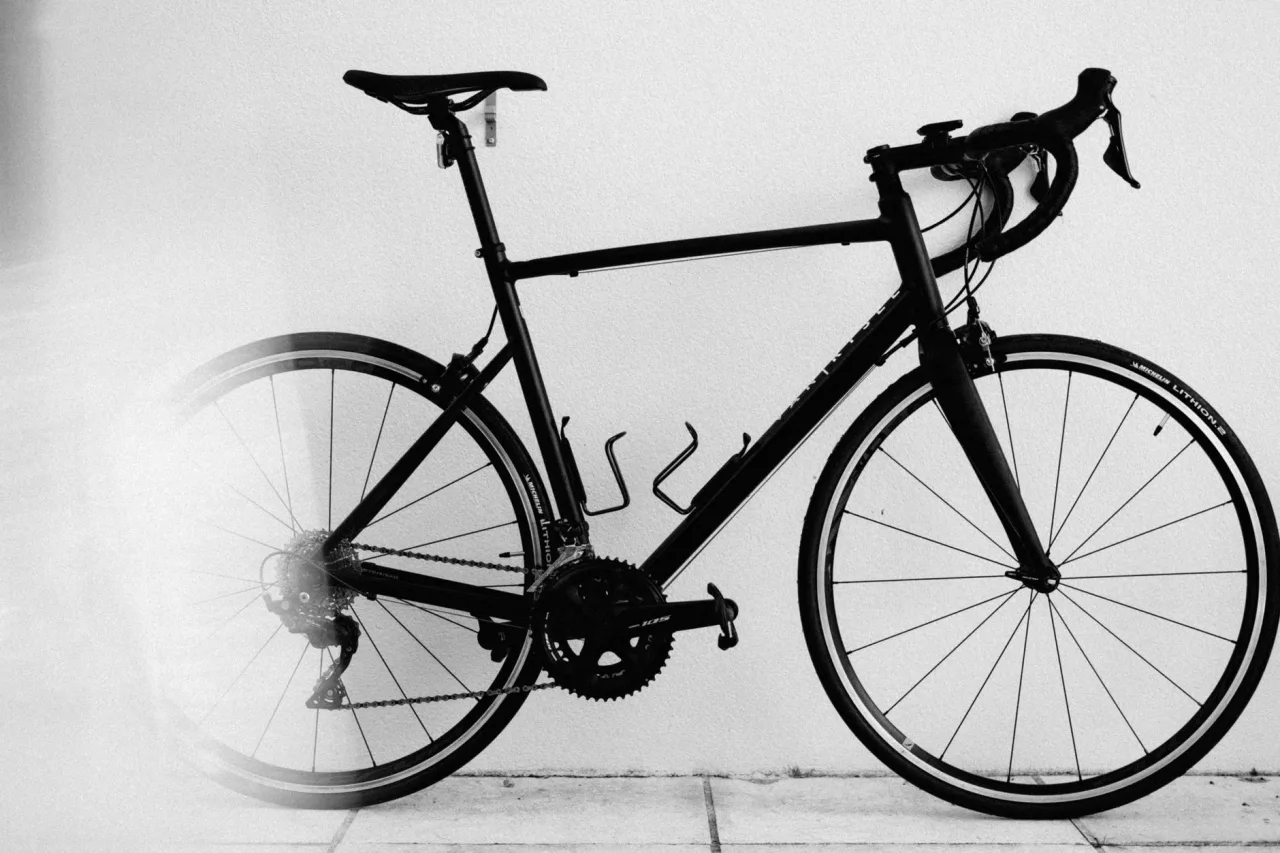
A road bike is built for one thing above all: covering distance on paved roads efficiently and fast. Lightweight frames, narrow tyres and dropped handlebars turn your effort into speed better than any other kind of bike. This guide explains the types of road bike, the parts worth understanding, and how to choose one that fits both your body and the way you actually ride.
The short version
- Road bikes split mainly into race, endurance and all-road. Most riders are happiest on an endurance bike, which balances speed with comfort.
- Frame fit is the most important decision. A properly sized bike is faster, more comfortable and safer than a lighter one that fits poorly.
- Aluminium offers the best value, while carbon fibre saves weight at a higher price. Both make excellent road bikes.
- Prices span a wide range and vary by region and spec. Prioritise fit and reliable braking over chasing the lightest possible build.
What defines a road bike
A road bike is optimised for speed and efficiency on smooth surfaces. Its defining features are a lightweight frame, narrow high-pressure tyres, and drop handlebars that let you ride in an aerodynamic, tucked position or sit up for comfort. Compared with a mountain bike, everything is tuned to reduce weight and rolling resistance rather than to absorb rough terrain.
As Wikipedia's road bicycle article explains, these bikes use lightweight construction in materials such as aluminium alloys or carbon fibre, and they usually run derailleur gears, though single-speed and fixed-gear versions also exist. That focus on efficiency is exactly why a road bike feels so quick on tarmac and so out of place on a muddy trail.
The main types of road bike
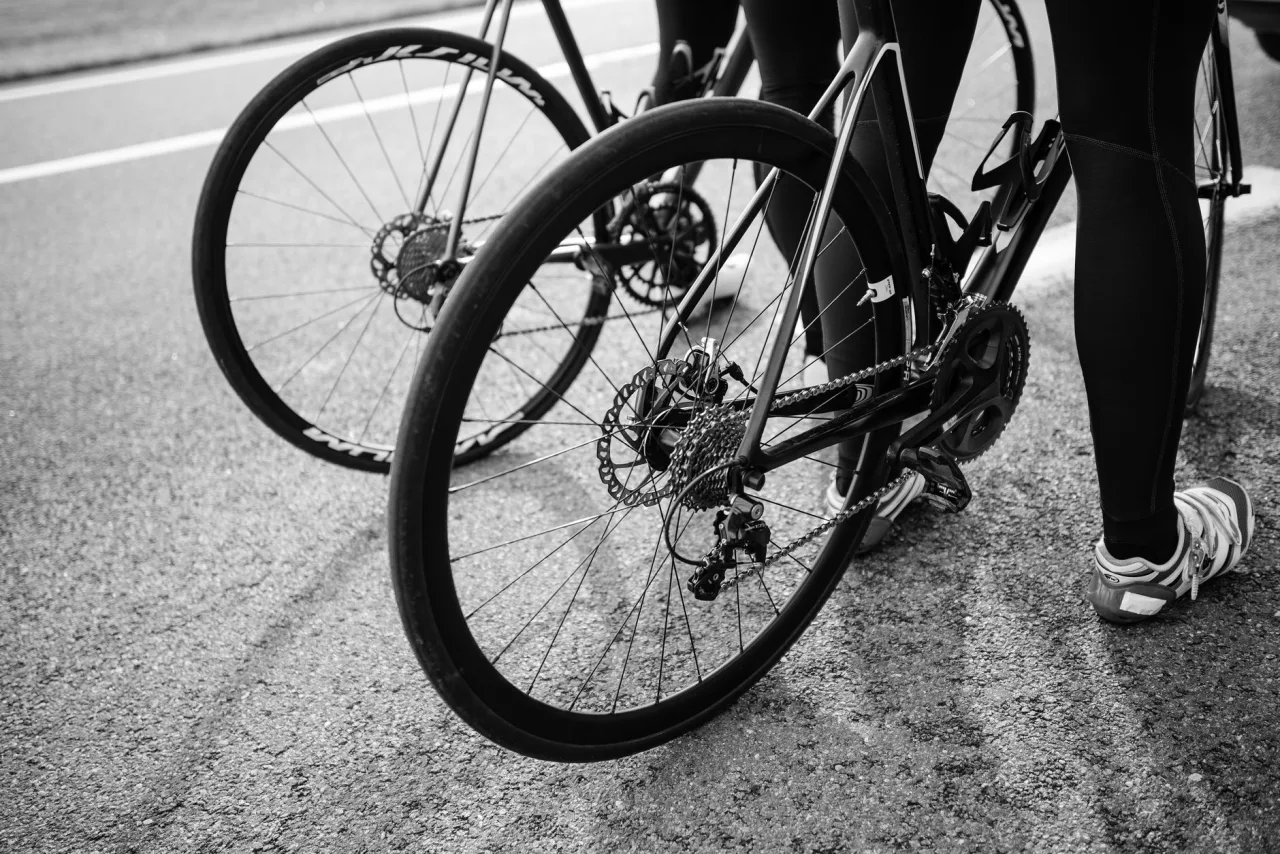
Road bikes are not all the same. The category has diverged into a few clear styles, each tuned for a different balance of speed, comfort and versatility.
- Race bikes: aggressive, aerodynamic geometry for maximum speed. Fast and responsive, but the low, stretched position suits flexible, performance-focused riders.
- Endurance bikes: a slightly more upright, comfortable position with the same road efficiency. The best all-rounder for most riders and long days in the saddle.
- All-road and light gravel: road bikes with clearance for wider tyres, blurring the line with our gravel bikes. Great if your routes mix tarmac with the occasional rougher surface.
- Aero bikes: shaped tubes and deep wheels to cut wind resistance, aimed at fast, flat riding.
If you are torn between speed and comfort, an endurance bike is almost always the safe choice. If you want one bike that handles varied surfaces, look closely at all-road and gravel options before committing.
Frame materials explained
Frame material shapes weight, ride feel and price. There is no single best choice, only the right one for your budget and goals.
- Aluminium: light, stiff, durable and affordable. Modern aluminium frames offer excellent value and are a smart choice for most riders.
- Carbon fibre: lighter still and able to be shaped for comfort and aerodynamics, at a higher price. It rewards riders who prioritise weight and ride quality.
- Steel: heavier but prized for a smooth, durable ride, common on classic and touring builds.
- Titanium: light, tough and long-lasting, but expensive and niche.
Tip: Do not let material alone decide your purchase. A well-specified aluminium bike that fits you perfectly will beat a poorly fitting carbon bike on every ride. Spend on fit and reliable components first, then on frame material.
Components that matter
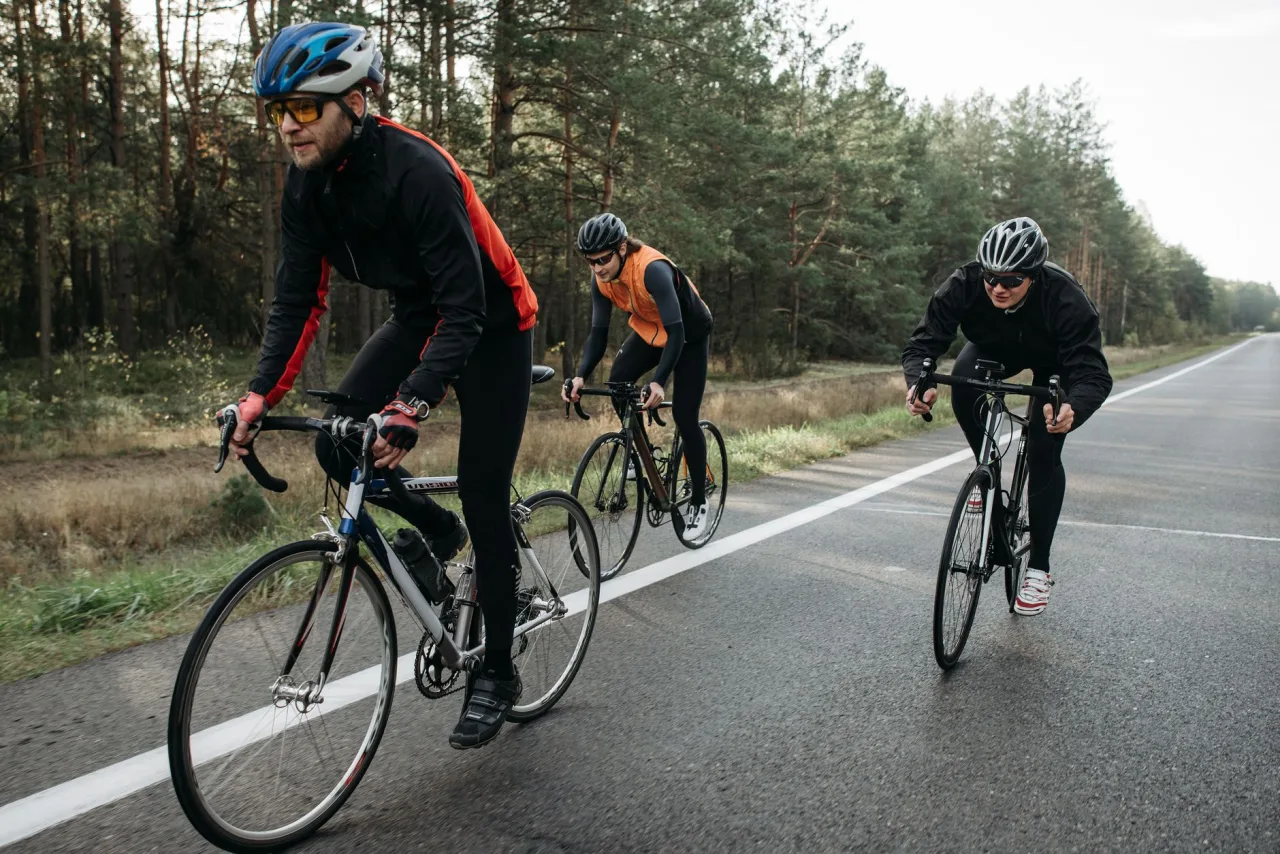
A few systems have an outsized effect on how a road bike rides. Understanding them helps you compare bikes and judge where a price difference actually goes.
- Groupset: the gears, shifters, chain and brakes as a matched set. Higher tiers shift more crisply and weigh less, at a higher cost.
- Brakes: disc brakes now dominate and give strong, consistent stopping in all weather, which is a real safety benefit over older rim brakes.
- Gearing: wider gear ranges make hills easier. Choose gearing that matches your terrain rather than copying a racer's setup.
- Wheels and tyres: a major influence on ride feel. Slightly wider tyres at sensible pressures add comfort and grip with little speed penalty.
Getting the fit right
Fit is where road bikes make or break the experience. Because you spend long periods in one position, a poor fit causes discomfort and even injury, while a good one makes the bike feel like an extension of your body. Fit matters more than any single component.
- Get the frame size right first. This is the foundation, and it cannot be fully corrected with adjustments later.
- Set saddle height and position so your leg is almost straight at the bottom of the pedal stroke.
- Dial in reach and bar height for a position you can hold comfortably for your typical ride length.
- Consider a professional bike fit if you ride long distances or have any niggling aches.
A good shop will help you size a bike properly and let you test ride. Our guide on how to find a trusted local bike shop explains what to look for, and brands featured on Trek publish geometry charts that help you compare sizing before you visit.
How much to spend
Road bike prices cover a vast range, from affordable aluminium entry bikes to premium carbon race machines. Rather than fixating on a number, focus on getting reliable parts and a good fit within your budget. Prices vary by region, specification and season, so confirm current figures locally.
A sensible approach is to buy the best fit and most reliable brakes and drivetrain you can afford, then upgrade wheels or contact points later if you catch the bug. For how road bike costs compare with other types, see our bicycle price breakdown. For specific brand examples, our Specialized review and Scott overview look at two well-known road brands.
Essential gear and safety
A road bike needs a few key accessories to be safe and enjoyable, especially at the speeds these bikes reach. None of them should be an afterthought.
- Helmet: essential at road speeds. Choose one that fits well and sits level. See our bike helmet guide.
- Lights: improve your visibility to other road users in poor light, as covered by the principles of good bicycle lighting.
- Repair kit: a spare tube, levers, a pump or inflator and a multi-tool handle most roadside issues.
- Padded shorts and gloves: a big comfort upgrade on longer rides.
Kept clean, correctly inflated and periodically serviced, a quality road bike stays fast and reliable for years. For where the road bike sits among all your options, our complete bike guide gives the wider picture.
Frequently asked questions
What type of road bike is best for beginners?
An endurance road bike is the best starting point for most people. It keeps the speed and efficiency of a road bike but uses a slightly more upright, comfortable position than an aggressive race bike, which makes long rides more enjoyable and sustainable while you build fitness and confidence.
Is aluminium or carbon better for a road bike?
Both make excellent road bikes. Aluminium is lighter on your wallet, stiff and durable, offering superb value. Carbon fibre is lighter and can be shaped for comfort and aerodynamics, at a higher price. A well-fitting aluminium bike beats a poorly fitting carbon one, so prioritise fit over material.
How important is a professional bike fit?
Fit matters more than almost any component because you hold one position for long periods. Getting the frame size, saddle and reach right prevents discomfort and injury and makes the bike feel like an extension of your body. A professional fit is well worth it for long-distance riders or anyone with aches.
Can I ride a road bike on rough surfaces?
Traditional road bikes are built for smooth tarmac and their narrow tyres are not ideal for rough ground. If your routes mix pavement with gravel or broken surfaces, an all-road or gravel bike with clearance for wider tyres gives you far more versatility while keeping most of the road bike's speed.
How much should I spend on my first road bike?
Road bike prices span a wide range and vary by region and spec, so focus on value rather than a single figure. Buy the best fit and most reliable brakes and drivetrain you can afford, and upgrade wheels or contact points later. Confirm current pricing with a local shop.
More guides on Road & Gravel Bikes
Have a question or a topic to suggest?
We read every message. Tell us what you would like to see next on the blog.
Get in touchYou may also like
Gravel Bike: The Complete Guide
Everything a first-time buyer needs on gravel bikes: geometry, tyre clearance, frame materials, what they are used for and how much to spend.
Mountain Bike: The Complete Guide
Everything you need to choose a mountain bike: the main types, wheel sizes, key components, how to pick your first bike and the gear and care that keep it running.
Specialized Bike Review 2026
Specialized helped invent the modern mountain bike. This review covers what it makes, how trims and model years change the price, its strengths and trade-offs, and how to buy.