Bike Types · Cycling (General)
Specialised Bikes: Complete Guide
Purpose-built bike types, their honest trade-offs, and how the term relates to the Specialized brand.
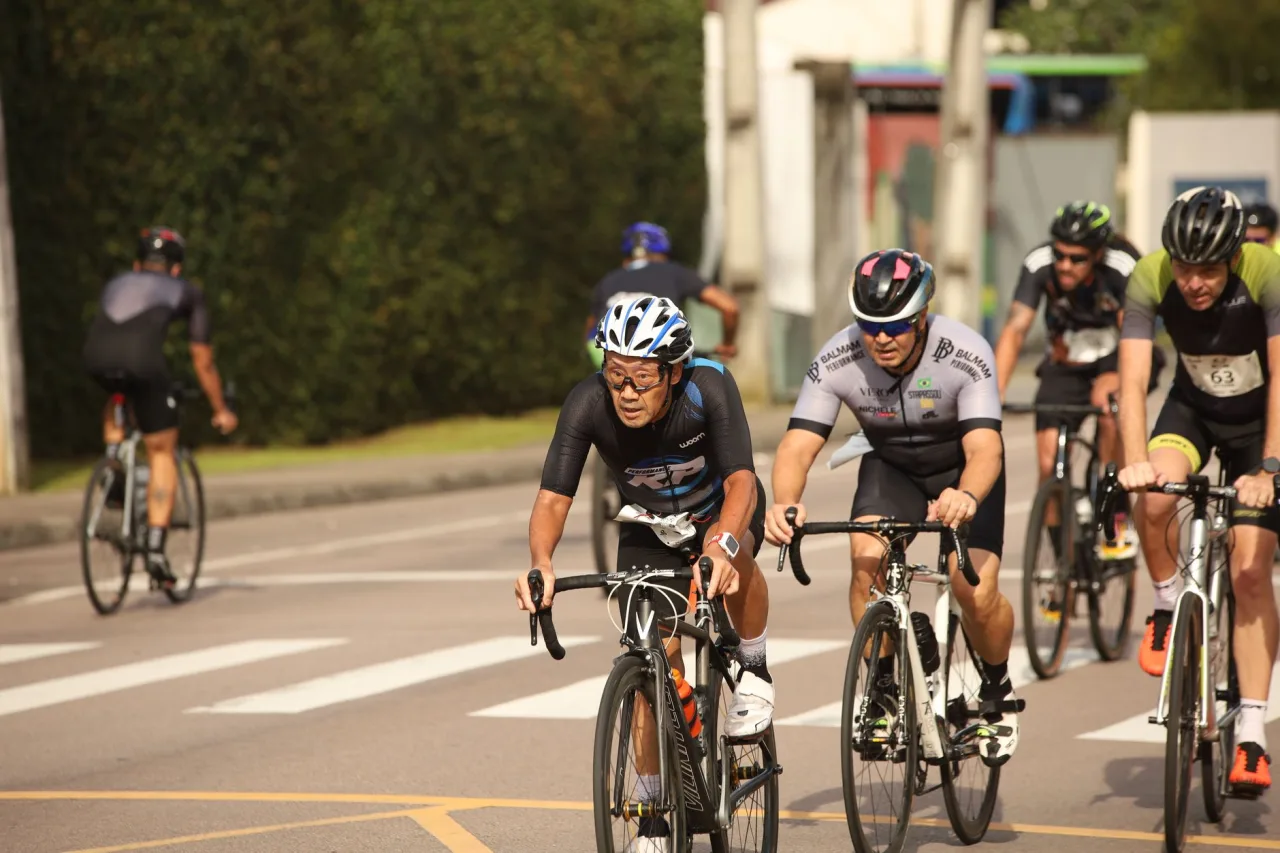
"Specialised bikes" is one of the most searched yet most confusing phrases in cycling, because it means two different things at once. It can describe purpose-built bicycles engineered for one job, and it is also how many riders spell Specialized, one of the world's biggest bike brands. This guide untangles both meanings honestly, so you leave knowing whether you want a specialised type of bike, the Specialized brand, or a bit of both.
The short version
- "Specialised" (British spelling) can mean a purpose-built bicycle designed for a single discipline, or it can be a common spelling of the brand Specialized.
- Specialised bike types trade versatility for excellence at one job, so match the bike to your main use rather than chasing a do-everything machine.
- Specialized Bicycle Components is a real, established brand founded in 1974, known for models like the Stumpjumper and Tarmac.
- Prices for both purpose-built bikes and premium brands vary widely by spec and region, so treat any figure as a broad range and confirm locally.
Two meanings of "specialised bikes"
Before choosing anything, it helps to know which "specialised" you are after. The word is doing double duty in search results, and the two meanings lead to very different shopping journeys.
- Specialised as in purpose-built: bicycles engineered to excel at one discipline, such as track racing, downhill, time trial, or touring. These are specialised tools rather than all-rounders.
- Specialized as a brand: Specialized Bicycle Components, an American manufacturer many people spell with an "s". If that is what you mean, our dedicated Specialized bike review and Specialized company overview cover it in depth.
The rest of this guide covers the first meaning, purpose-built specialised bicycles, and then returns to the brand at the end so both searchers get an honest answer.
What makes a bike "specialised"
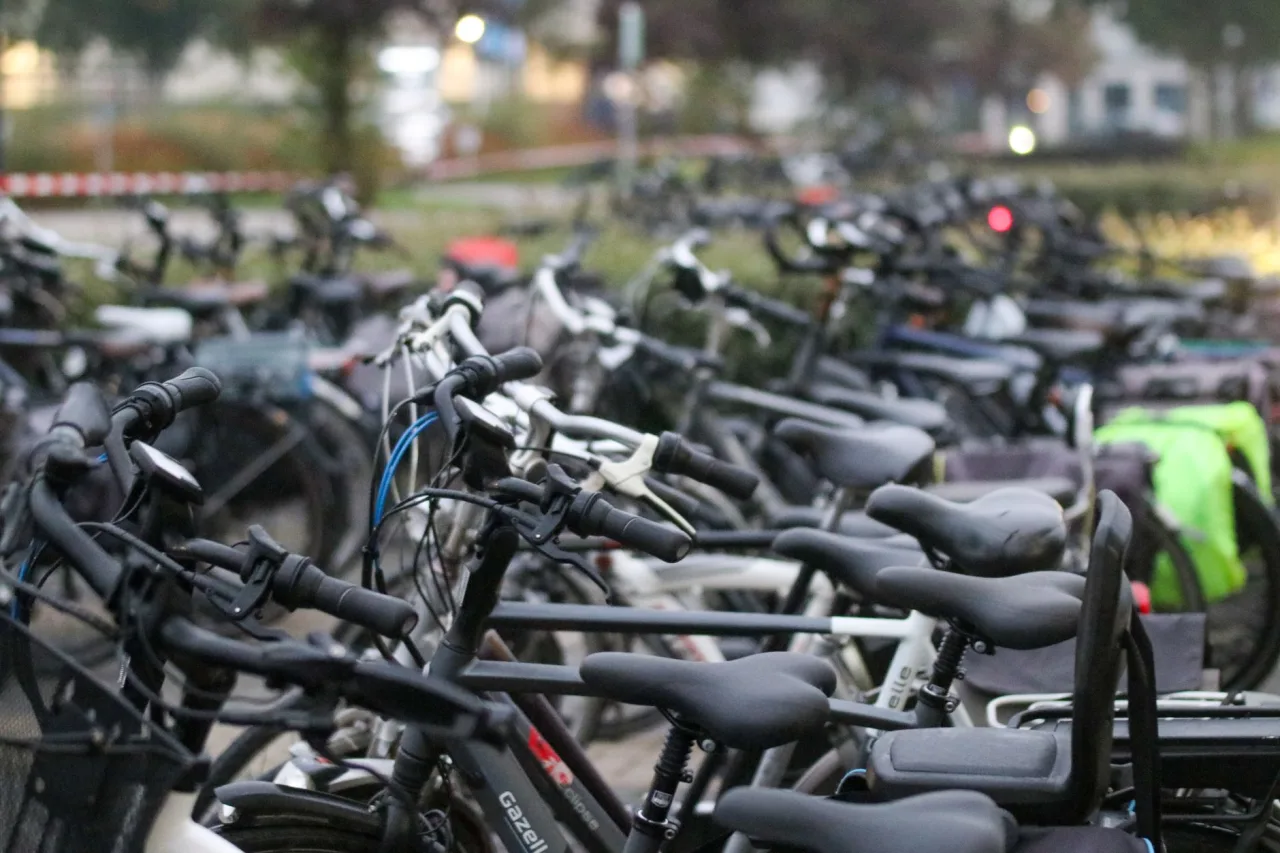
A specialised bike is optimised for one type of riding, often at the expense of comfort or versatility elsewhere. Every design choice, from frame geometry to gearing to tyre choice, is tuned for a specific job. That focus is exactly why these bikes perform so well in their element and feel awkward outside it.
Compare that with a hybrid or general-purpose bike, which spreads its abilities thinly to handle many situations adequately. A specialised bike does the opposite: it is superb at one thing. The trade-off is real, so buying one only makes sense once you know your main type of riding. If you are still deciding, our complete guide to bikes maps out the whole landscape first.
The signs of specialisation show up throughout the bike. A race machine has aggressive, stretched geometry and skinny high-pressure tyres for speed, while a downhill mountain bike has slack angles, long-travel suspension, and burly tyres for control on descents. A touring frame prioritises stability and load-carrying over responsiveness. None of these choices is a compromise within the bike's own discipline, but each becomes a limitation the moment you ask the bike to do something it was not built for. That is the essence of a specialised design: excellence bought with focus.
The main categories of specialised bikes
Purpose-built bicycles span a wide range of disciplines. Here are the most common specialised categories and what each is built to do.
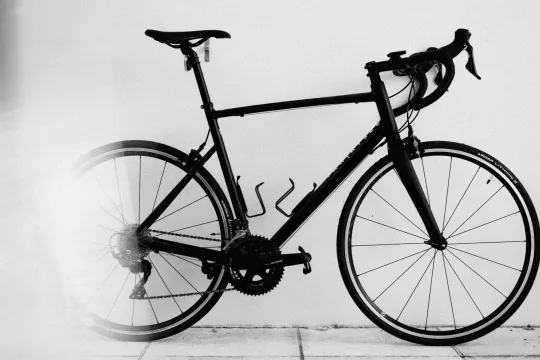
- Road racing bikes: light, aerodynamic, and efficient for speed on sealed roads. See our road bike guide for detail.
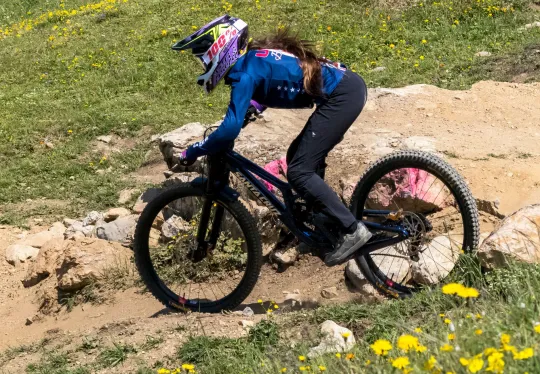
- Mountain bikes: suspension, grippy tyres, and strong frames for off-road terrain, covered in our mountain bike guide.
- Time trial and triathlon bikes: extreme aerodynamics and a stretched riding position for solo speed against the clock.
- Track bikes: fixed-gear, brakeless machines built solely for velodrome racing.
- Touring bikes: sturdy frames with rack and mudguard mounts for carrying loads over long distances.
- Recumbents: laid-back designs prioritising comfort and aerodynamics, explained in our recumbent bike guide.
Tip: buy a specialised bike only for your main riding
Because these bikes sacrifice versatility for focus, they reward riders who know exactly what they want. If your riding is mixed, a versatile bike will serve you better day to day. Reserve a specialised machine for the discipline you genuinely commit to.
Is a specialised bike right for you
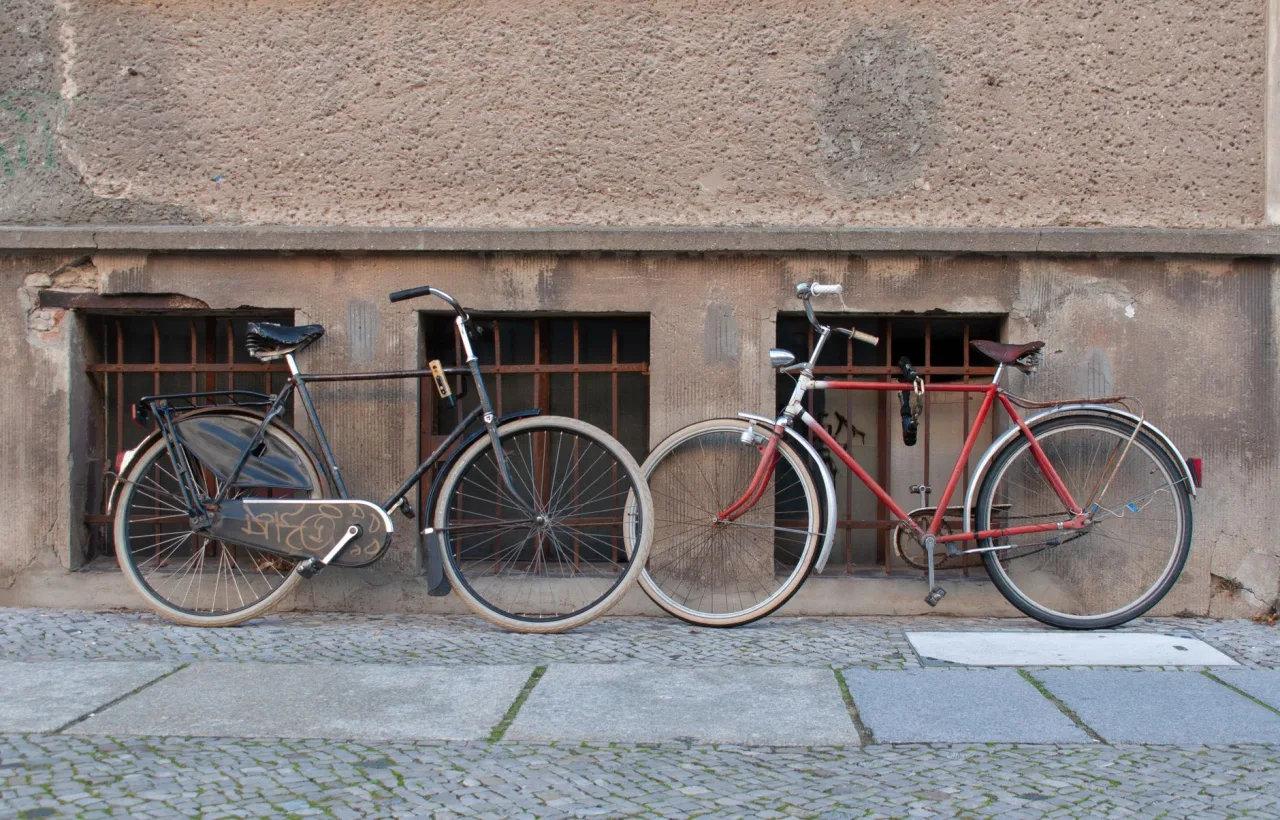
Deciding comes down to honesty about how you ride. A specialised bike is a fantastic choice for a dedicated enthusiast and a frustrating one for a casual rider who wanted a bit of everything. Work through a few simple questions before you buy.
- What is my main riding? If one discipline clearly dominates, a specialised bike suits you. If your riding is split, it probably does not.
- How often will I use it? The focus of a specialised bike rewards regular, committed use in its element.
- Do I already have a versatile bike? Many riders add a specialised bike as a second machine once they know their passion.
- Have I tried the discipline? Try before you commit, because a specialised bike is a poor place to discover a sport is not for you.
What specialised bikes cost
Purpose-built bikes span every price bracket, and the figures depend heavily on discipline, materials, and components. A specialised carbon race bike will cost far more than a steel touring frame, and premium suspension pushes mountain bike prices up quickly. Treat the following as broad, region-dependent ranges and confirm current pricing with a local shop before buying.
- Entry specialised bikes: often in the several-hundred to low-four-figure range for a capable starting machine.
- Mid-range: commonly low to mid four figures, where materials and components improve noticeably.
- Premium and race spec: four figures and well beyond, where marginal weight and performance gains carry a steep price.
For realistic numbers before you shop, see our breakdown of bicycle prices in 2026, and if you are choosing your next machine from scratch, the new bike guide walks through the whole decision.
About the Specialized brand
If you searched "specialised bikes" meaning the brand, here are the verified facts. Specialized Bicycle Components was founded in 1974 by Mike Sinyard and is headquartered in Morgan Hill, California. It is one of the largest bicycle brands operating in the United States, alongside Trek and Giant.
The brand is known for landmark models including the Stumpjumper, widely credited as one of the first mass-production mountain bikes when it launched in 1981, along with the Tarmac and Allez road bikes and the Turbo e-bike line. Specialized makes mountain, road, gravel, and electric bikes as well as components and apparel. For a focused look at buying one, our Specialized bike review covers models, specs, and realistic pricing.
Warning: watch the spelling when you shop
Because "specialised" and "Specialized" sound identical, listings and sellers sometimes mix them up. When buying the brand, confirm you are dealing with an authorized Specialized dealer, and when buying a purpose-built bike from another maker, do not assume it is a Specialized product just because a listing spells it that way.
How to buy a specialised bike well
Whichever meaning applies, the buying advice is similar: match the bike to your riding, get a proper fit, and buy from a shop that knows the discipline. A specialised bike shop that lives and breathes one type of cycling will set it up far better than a general retailer. For the wider background on how bikes are built and classified, the Wikipedia overview of the bicycle is a useful neutral reference.
Above all, be honest about your riding before you spend. A specialised bike is a joy for the rider who commits to its discipline and a compromise for everyone else. Get that decision right and the bike will reward you for years.
Frequently asked questions
Does "specialised bikes" mean the brand Specialized or a type of bike?
It can mean either. "Specialised" is the British spelling of a word describing purpose-built bicycles designed for one discipline, and it is also a common spelling of Specialized, a major American bike brand. Which you want depends on your goal: a bike optimised for a specific type of riding, or a product from the Specialized brand.
What is a specialised bike used for?
A specialised or purpose-built bike is engineered to excel at one discipline, such as road racing, mountain biking, time trialling, track racing, or touring. Every design choice is tuned for that job, which makes it superb in its element but less versatile for general or mixed riding.
Is Specialized a good bike brand?
Specialized Bicycle Components, founded in 1974 and based in California, is one of the largest and most established bike brands in the United States, alongside Trek and Giant. It is known for models like the Stumpjumper and Tarmac and makes mountain, road, gravel, and electric bikes. Whether it suits you depends on your budget and riding needs.
Are specialised bikes worth it for a casual rider?
Usually not as a first or only bike. Because purpose-built bikes sacrifice versatility for focus, they best suit riders committed to one discipline. A casual or mixed-use rider is generally better served by a versatile bike, adding a specialised machine later once their main interest is clear.
How much do specialised bikes cost?
Prices span a wide range depending on discipline, materials, and components, from the several-hundred to low-four-figure range for entry models up to well beyond four figures for premium and race-spec builds. These are broad, region-dependent ranges, so always confirm current pricing with a local shop before buying.
More guides on Cycling (General)
Have a question or a topic to suggest?
We read every message. Tell us what you would like to see next on the blog.
Get in touchYou may also like
Specialized Bike Review 2026
Specialized helped invent the modern mountain bike. This review covers what it makes, how trims and model years change the price, its strengths and trade-offs, and how to buy.
Road Bike: The Complete Guide
Choose the right road bike with confidence: the main types, frame materials, components that matter, why fit beats everything, and how much to sensibly spend.
Mountain Bike: The Complete Guide
Everything you need to choose a mountain bike: the main types, wheel sizes, key components, how to pick your first bike and the gear and care that keep it running.