Cycling Basics · Cycling (General)
Bike: The Complete Guide
History, types, anatomy, choosing and sizing, safety, and simple maintenance, all in one clear guide for new and returning riders.
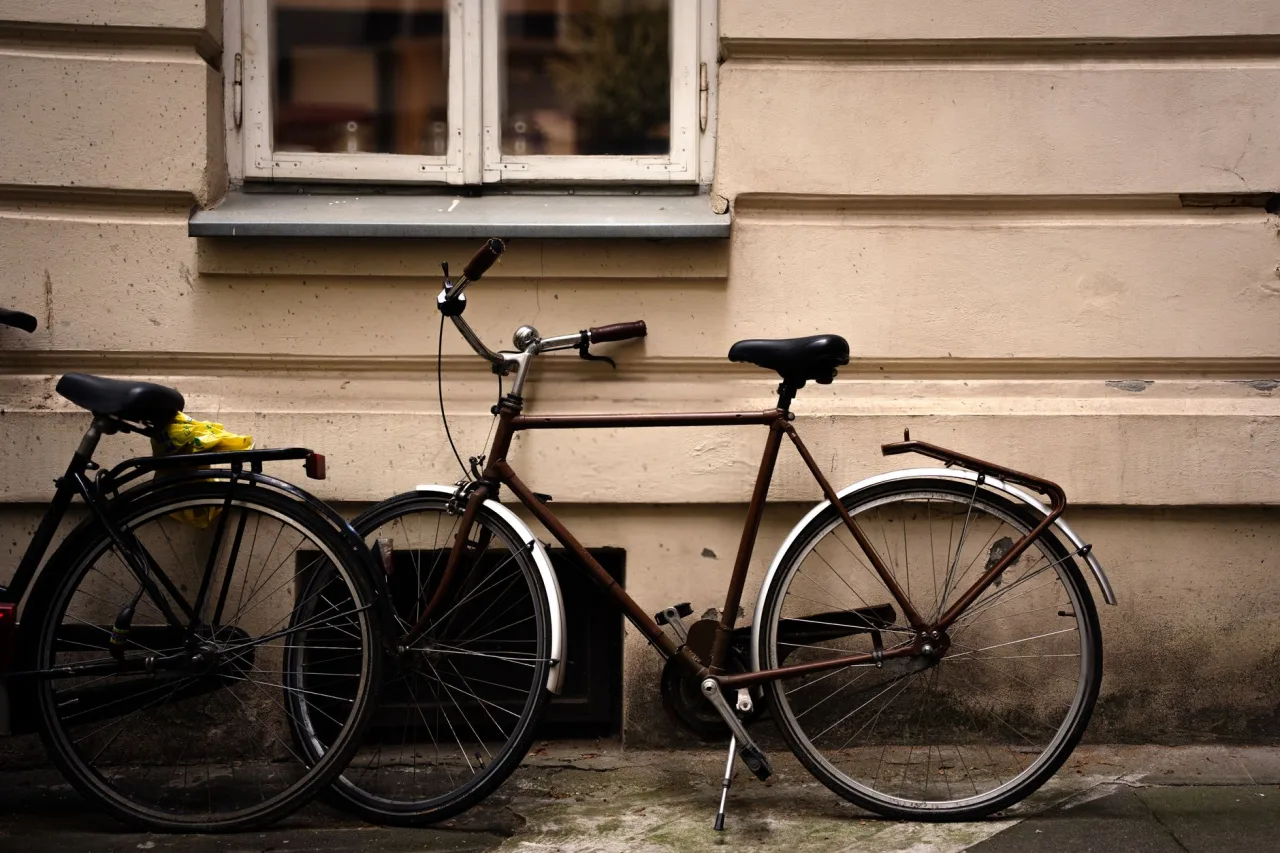
A bike is one of the simplest and most rewarding machines ever built: two wheels, a frame, and your own effort turned into freedom. Whether you are buying your first adult bike or returning after years away, this complete guide covers how bikes evolved, the main types, the parts that matter, how to choose and size one, and the basics of keeping it safe and running.
The short version
- The modern safety bicycle emerged around 1885, and the diamond frame plus pneumatic tires still define bikes today.
- Bike types map to purpose: road for speed, mountain for trails, hybrid for versatility, and more; pick by where you will ride.
- Correct fit matters more than any single component; a well-fitted mid-range bike beats an ill-fitting expensive one.
- Basic maintenance and a properly fitted helmet do more for your experience and safety than costly upgrades.
A short history of the bicycle
The bicycle came together over the 19th century. Karl von Drais built the first two-wheeled steerable machine around 1817, though it had no pedals and was pushed along by foot. In the 1860s, French inventors added cranks and pedals to the front wheel. The modern safety bicycle, with two similar-sized wheels and a chain driving the rear wheel, arrived around 1885, and pneumatic tires followed in 1888. Together these launched the "Golden Age of Bicycles" in the 1890s, and the basic design has proven remarkably durable ever since.
That endurance is not an accident. A bicycle transmits up to 99 percent of a rider's pedaling energy to the wheels, making it one of the most efficient forms of transport ever devised.
The main types of bike
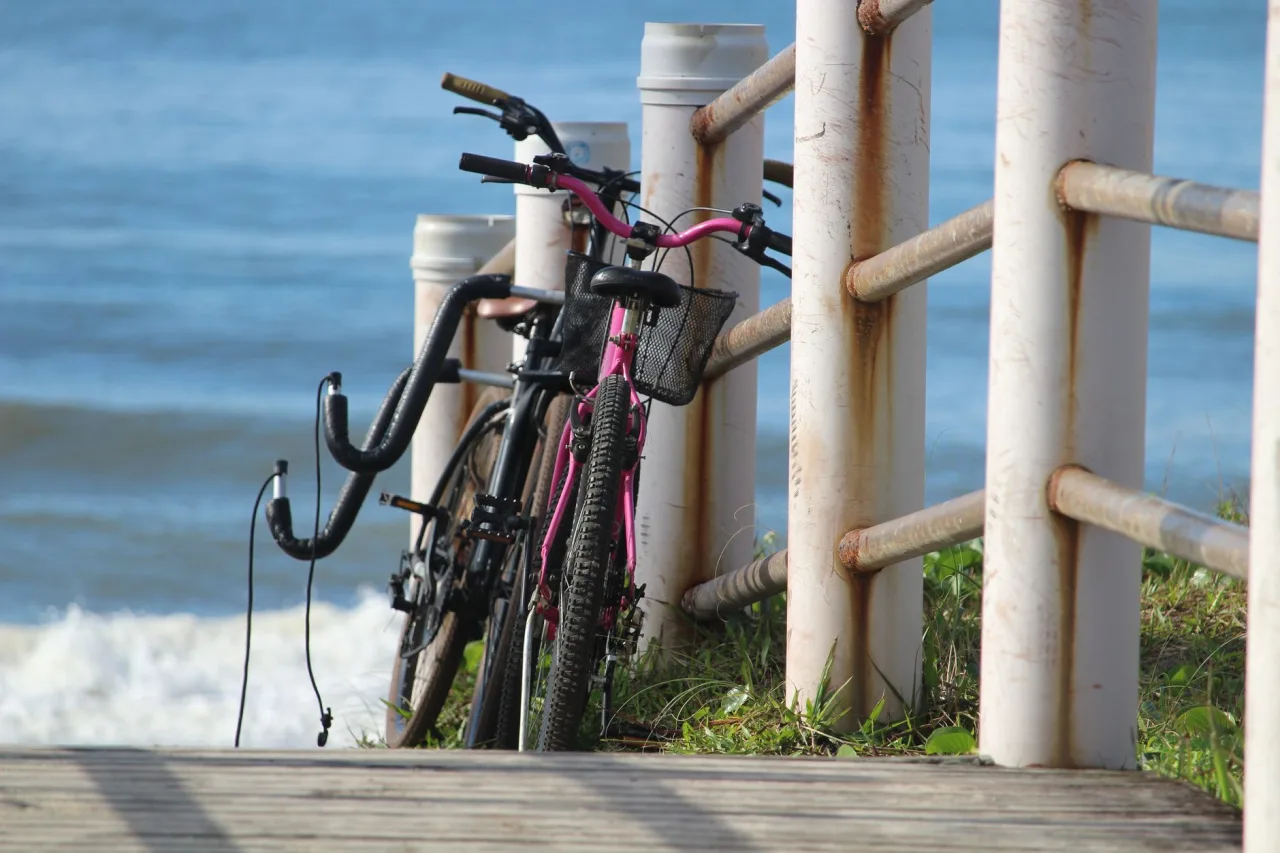
Bikes are categorized by function, and choosing the right type is the most important decision you will make. Common categories include:
- Road bikes: light frames, drop handlebars, and skinny tires for speed on pavement. See our road bike guide for details.
- Mountain bikes: sturdy frames, wide knobby tires, and suspension for off-road trails. Our mountain bike guide covers the categories.
- Hybrid bikes: a blend of road and mountain traits, comfortable and versatile for commuting and casual riding.
- Utility and city bikes: upright, practical machines built for everyday transport.
- Electric bikes: any of the above with motor assist. Our electric bike guide is the hub of that topic.
- Specialized formats: BMX, cargo, touring, gravel, and recumbent bikes each serve a niche.
Anatomy of a bike
Understanding the main parts helps you shop, communicate with a mechanic, and diagnose problems. A typical bicycle consists of:
- Frame: usually a diamond shape, the backbone that determines fit and ride feel. Common materials are aluminum, steel, and carbon fiber.
- Wheels and tires: carry you over the ground; tire width and tread suit different surfaces.
- Drivetrain: pedals, cranks, chain, and gears that turn effort into motion, often with a derailleur system for multiple ratios.
- Brakes: rim or disc types that stop you; disc brakes offer stronger, more consistent stopping, especially in wet conditions.
- Handlebars and saddle: your contact points, central to comfort and control.
How to choose the right bike
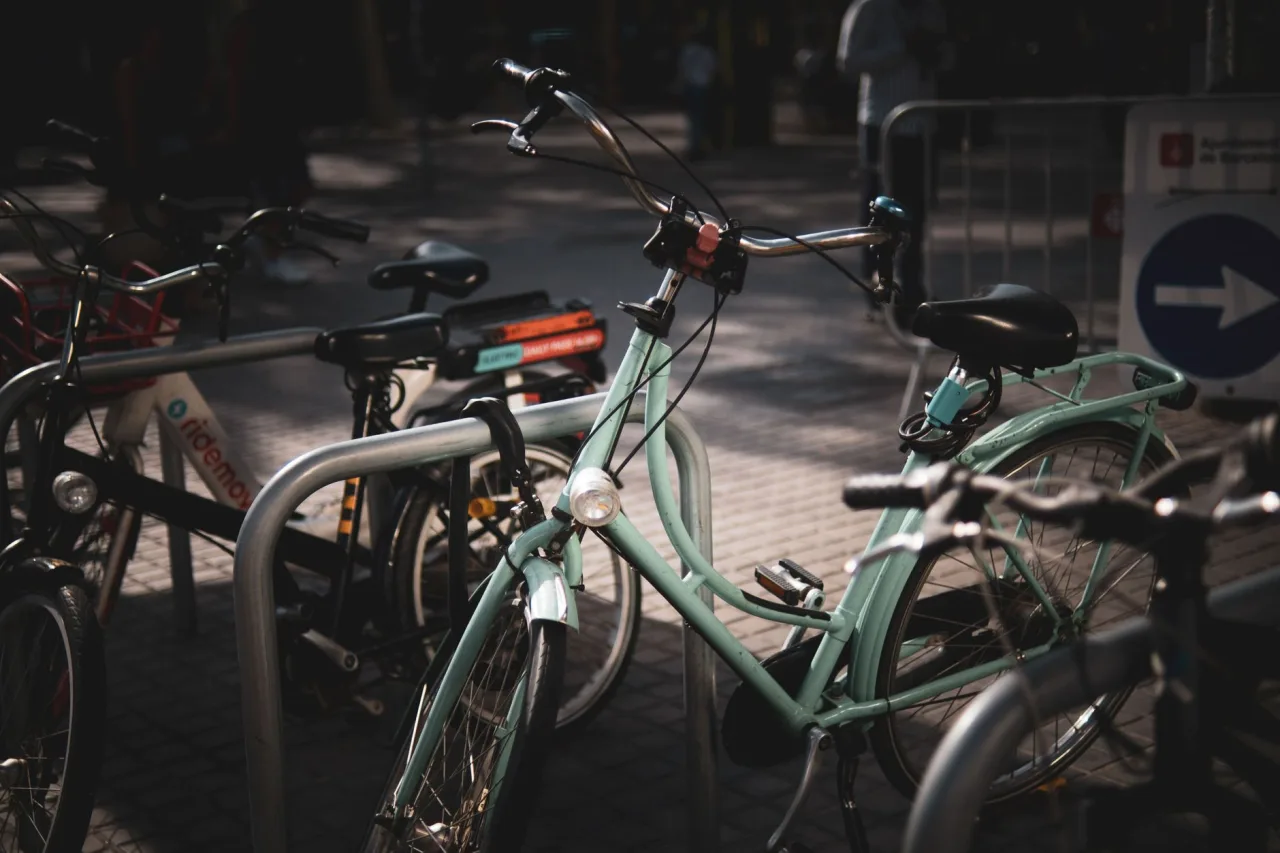
Start with where and how you will ride, not with brand or budget. A honest answer to "mostly paved paths," "steep trails," or "commuting in traffic" points you straight to the right category. From there:
- Set a realistic budget that includes a helmet, lights, a lock, and a basic tune-up, not just the bike.
- Match the type to your terrain rather than buying more bike than your riding needs.
- Prioritize fit and comfort over a flashy component upgrade.
- Test ride when you can; the same size can feel different across brands.
A good local shop earns its value here. Our guide to finding a trusted local bike shop explains how to get honest advice and a proper fit.
Beware two common buying mistakes. The first is the very cheap department-store bike, which often ships poorly assembled with low-grade parts that wear quickly and can cost more to keep running than a better bike would have. The second is overbuying: a featherweight racing bike is wasted on gentle path riding, and its aggressive position may actually be uncomfortable. Aim for the middle. A solid bike from an established brand, in the right type and size, set up by someone who knows what they are doing, will serve most riders beautifully for many years. Match the machine to your real riding, not to an aspiration you have not tested yet.
Tip: fit beats price
A mid-range bike that fits your body will feel faster, safer, and more comfortable than an expensive bike that is the wrong size. If you can only invest in one thing beyond the bike itself, spend it on a professional fit session rather than lighter components.
Getting the size right
Frame size is measured differently across bike types and brands, so numbers alone are an unreliable guide. What matters is that you can stand over the frame with clearance, reach the bars without straining, and extend your leg nearly straight at the bottom of the pedal stroke with a slight bend. Saddle height, reach, and handlebar position all adjust to dial in comfort. When in doubt, a shop fit session translates your body's measurements into the right frame and setup, and it prevents the aches and injuries that come from a poor position.
Safety and the helmet that fits
A bicycle helmet is designed to reduce impacts to the head in a crash while minimizing side effects like blocked peripheral vision. Look for a helmet that meets a recognized safety standard, such as the CPSC standard in the United States or EN 1078 in Europe. Fit is critical: research has found that a large majority of helmets are worn incorrectly, and a poorly fitted helmet can nearly double injury risk. It should sit level, low on the forehead, with snug straps forming a V under each ear.
Our bike helmet guide covers standards, fit, and technologies like MIPS in detail. Beyond the helmet, front and rear lights, visible clothing, and predictable riding do the most to keep you safe.
Basic maintenance that keeps you rolling
A little routine care prevents most breakdowns and extends the life of the bike. The essentials are simple:
- Tire pressure: check before rides; correct pressure rolls faster and resists flats.
- Chain care: keep the chain clean and lightly lubed; a dry or gritty chain wears the whole drivetrain.
- Brakes: ensure pads have life and levers feel firm; replace worn pads early.
- Bolts and quick-releases: check that wheels and stem are secure before every ride.
Anything beyond these, from gear indexing to bearing service, is worth handing to a good mechanic. Cycling rewards the rider who catches small problems early, and it pays back that care with years of reliable, low-cost, low-emission miles.
A small kit makes home care easy: a mini pump or floor pump with a gauge, a spare tube and tire levers, a multi-tool with the hex sizes your bike uses, and a bottle of chain lube. Learning to fix a flat and adjust your brakes covers the two most common roadside problems and turns most rides into worry-free ones. Beyond that, an annual visit to your local shop for a full tune-up keeps the drivetrain, bearings, and cables in good shape before they cause trouble. Treat that yearly service the way you would an oil change, and a decent bike will outlast several cars while costing a tiny fraction to run.
Frequently asked questions
What type of bike should a beginner buy?
Choose by where you will ride rather than by brand. A hybrid bike suits most beginners because it blends road and mountain traits for comfortable, versatile riding on paths and streets. If you know you will ride mostly on pavement or mostly on trails, a road or mountain bike respectively is a better match.
How do I know what size bike I need?
Frame sizing varies across types and brands, so numbers alone are unreliable. You should be able to stand over the frame with clearance, reach the handlebars without straining, and extend your leg nearly straight with a slight bend at the bottom of the pedal stroke. A shop fit session translates your measurements into the right frame and setup.
Is an expensive bike worth it for a casual rider?
Not necessarily. A well-fitted mid-range bike will feel faster, safer, and more comfortable than an expensive bike in the wrong size. For casual riders, spending on a professional fit, a good helmet, and basic accessories usually delivers more benefit than costly component upgrades.
What safety gear do I really need?
A properly fitted helmet that meets a recognized safety standard is the priority, since fit strongly affects protection. Beyond that, front and rear lights, visible clothing, and predictable, rule-following riding do the most to keep you safe in traffic and low light.
How often should I maintain my bike?
Check tire pressure, brakes, and that wheels and bolts are secure before rides, and keep the chain clean and lightly lubed regularly. Hand more involved work like gear indexing or bearing service to a good mechanic, and catching small problems early prevents most breakdowns and costly repairs.
More guides on Cycling (General)
Have a question or a topic to suggest?
We read every message. Tell us what you would like to see next on the blog.
Get in touchYou may also like

Electric Bike: The Complete Guide
Everything you need before buying an e-bike: how the motor and classes work, hub versus mid-drive, battery range, the main types, and what a good electric bike really costs.

Mountain Bike: The Complete Guide
Everything you need to choose a mountain bike: the main types, wheel sizes, key components, how to pick your first bike and the gear and care that keep it running.
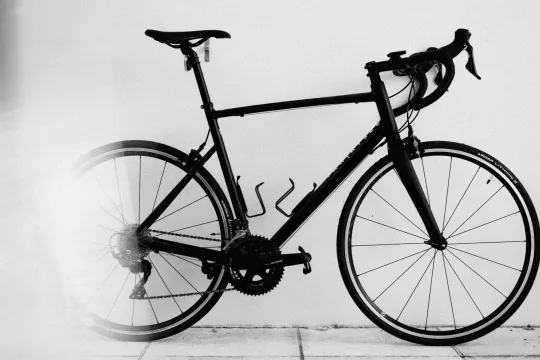
Road Bike: The Complete Guide
Choose the right road bike with confidence: the main types, frame materials, components that matter, why fit beats everything, and how much to sensibly spend.