Cycling Basics · Cycling (General)
Cycling: The Complete Guide
Bike types, real costs, essential gear, and easy maintenance for anyone getting started on two wheels.
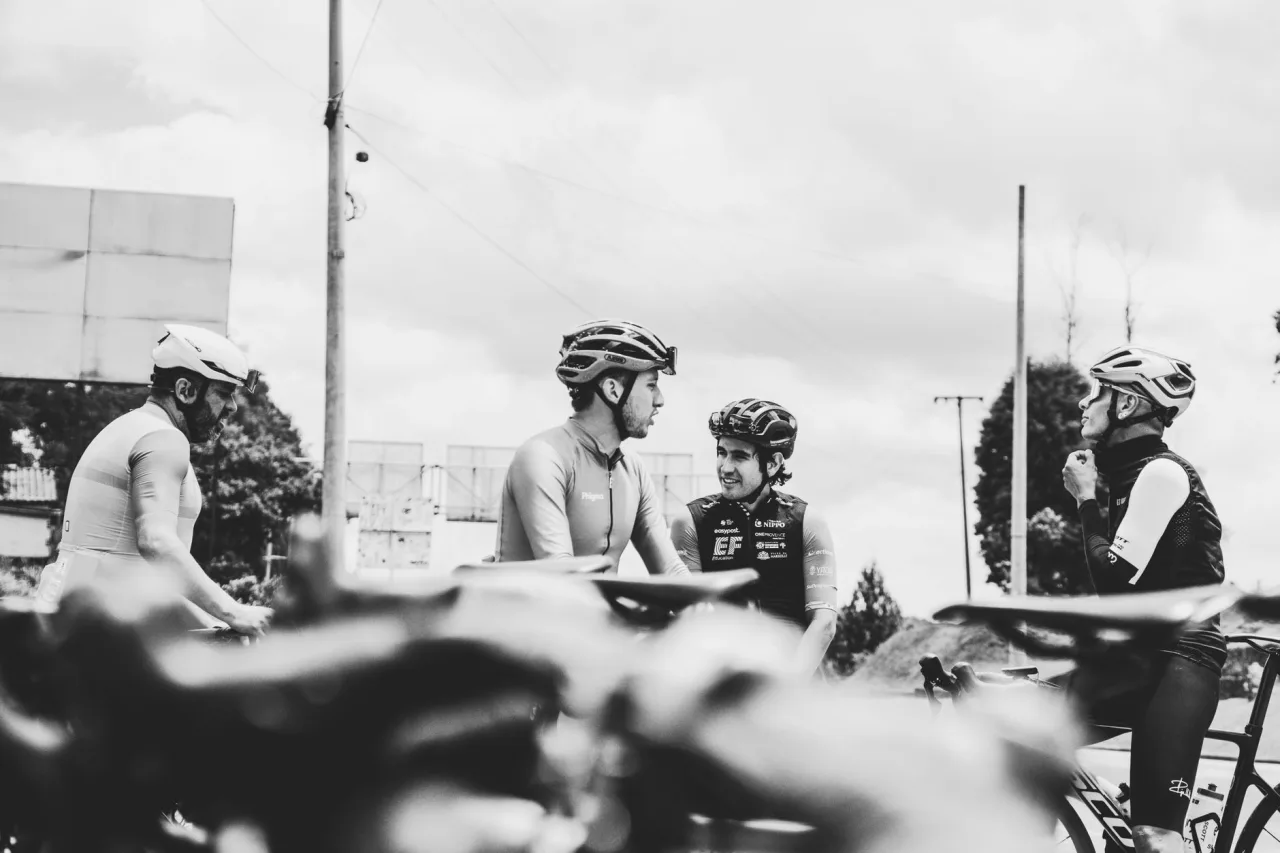
Cycling is one of the few activities that works as transport, exercise, sport, and stress relief all at once. Whether you want to commute across town, ride singletrack on weekends, or simply get outside more, this guide walks you through the bikes, the gear, and the habits that make riding stick.
The short version
- Cycling reduces the risk of heart disease, diabetes, and several cancers, and studies link regular riding to longer, healthier lives.
- The right bike depends on where you ride: road, trail, mixed surfaces, or short city hops each favor a different design.
- A helmet, lights, and a reliable lock matter more than an expensive frame for most new riders.
- You do not need a top-end bike to start. A well-fitted mid-range bike serviced by a good local shop will outlast a poorly chosen premium one.
What counts as cycling
Cycling simply means traveling or exercising on a bicycle, but in practice it splits into a handful of distinct worlds. Commuters ride to work and back. Road cyclists chase distance and speed on pavement. Mountain bikers ride dirt trails. Gravel riders mix the two. And a huge and growing group rides for fitness and headspace without ever pinning on a race number.
According to Wikipedia's overview of cycling, the activity delivers benefits that exceed its risks by ratios of roughly 9 to 1 up to 96 to 1 when compared with no exercise at all. In transport terms, it means easier parking, lower cost, and far fewer emissions than driving. That combination is why a quarter of all trips in the Netherlands happen on a bike.
The main types of bike
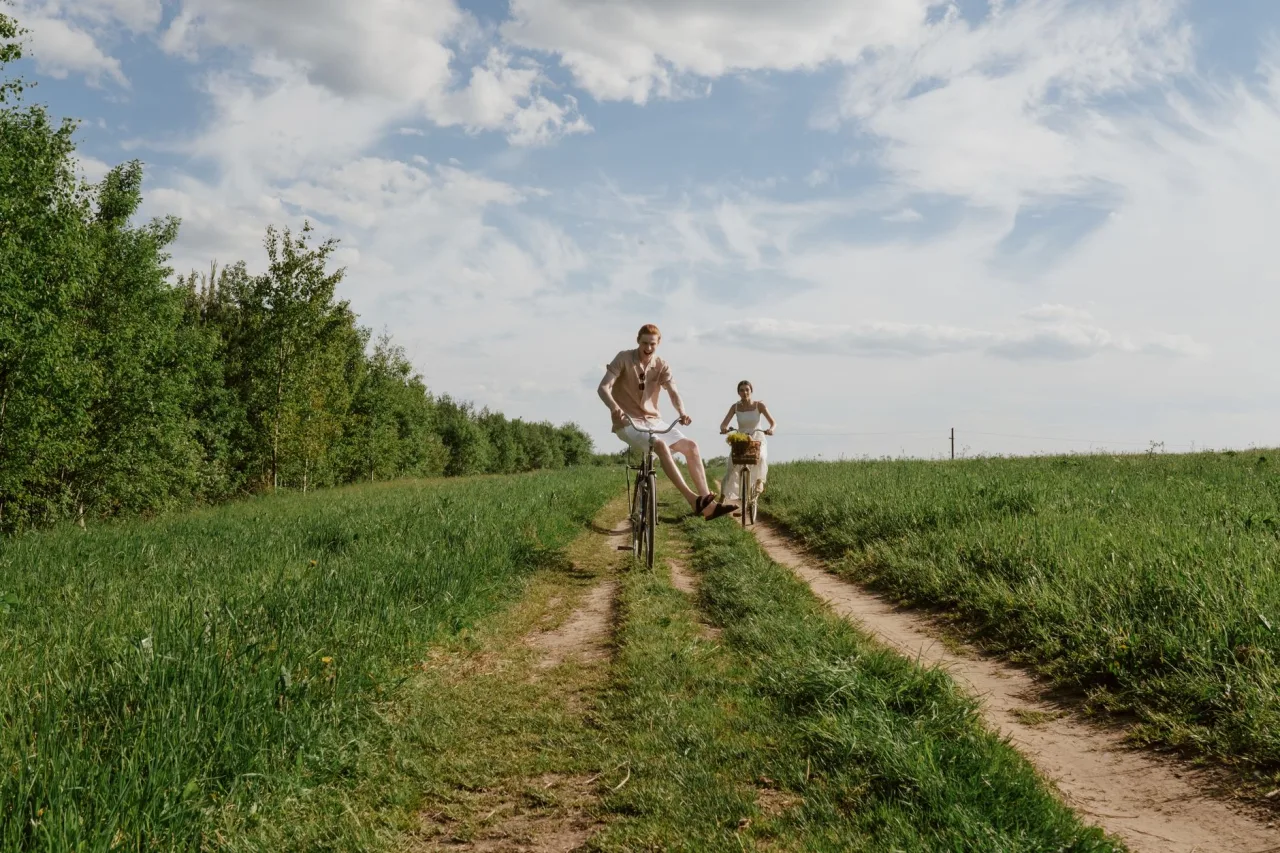
Choosing a category first makes every later decision easier. Bicycles are usually grouped by the terrain and use they are built for, and the Wikipedia entry on bicycles lists utility, mountain, racing, touring, hybrid, cruiser, BMX, and electric bikes among the common types. Here is how the popular categories differ in plain terms:
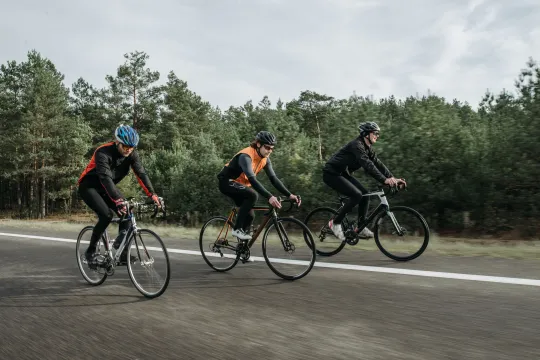
- Road bikes use narrow, high-pressure tires and drop handlebars for speed on pavement. Best for long distances and fitness on sealed roads.
- Mountain bikes use wide knobby tires, suspension, and strong brakes for dirt trails and rough ground.
- Hybrid bikes sit in between, with a comfortable upright position and moderate tires for commuting and casual rides.
- Gravel bikes look like road bikes but clear wider tires so they can handle dirt roads and light trails.
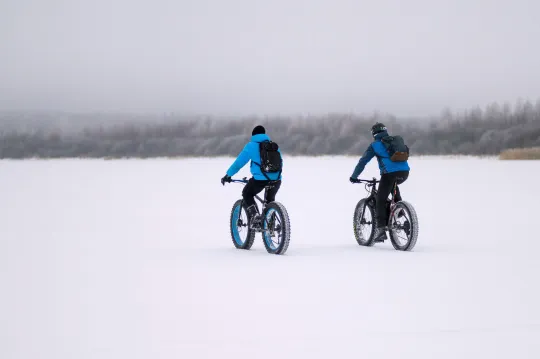
- Fat bikes run oversized tires for snow, sand, and soft ground.
- Electric bikes add a motor that assists your pedaling, flattening hills and extending range.
If you are still weighing options, our overview of types of bicycles compares them side by side, and dedicated guides cover the road bicycle and the fat bike in depth.
How to pick your first bike
Start with an honest answer to one question: where will most of your rides actually happen? A rider who commutes on paved streets needs a very different machine from someone heading for wooded trails. Match the bike to your most common ride, not the occasional dream ride.
Next, get the size right. Frame size and saddle height determine comfort and power far more than the badge on the down tube. A shop fitting takes minutes and prevents the knee and back pain that pushes many beginners off the bike within a month. Our guide to the right bike for the rider covers fit in detail.
Buying tip
Set a total budget, then reserve roughly 15 to 20 percent of it for a helmet, lights, a lock, and a basic pump. A slightly cheaper bike with proper safety gear beats a pricier bike you cannot lock or ride after dark.
What a bike really costs in 2026
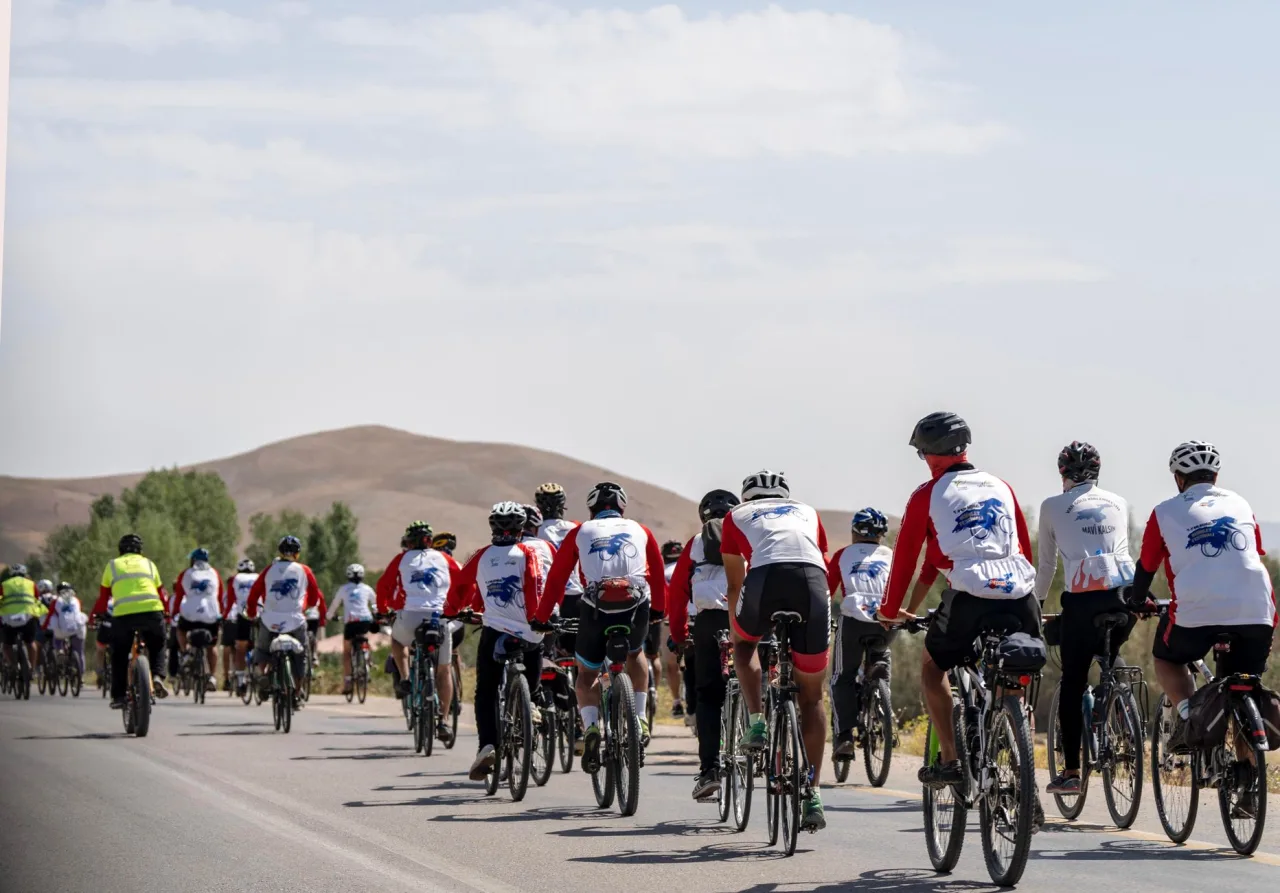
Prices vary widely by brand, spec, and region, so treat any figure as a range and confirm locally before you buy. As a rough guide, a dependable entry-level hybrid or road bike from a mainstream brand such as Trek, Giant, or Specialized typically starts in the low-to-mid hundreds of dollars. Capable mountain bikes with hydraulic disc brakes and air suspension usually begin higher. Electric bikes carry a premium for the motor and battery, so they commonly start where a decent non-assisted bike tops out.
Buying second hand can cut those numbers significantly, but inspect the drivetrain, brakes, and frame carefully, or have a shop check it before money changes hands. A local mechanic can also tell you whether spare parts for an older model are still available.
Gear that actually matters
You can spend endlessly on cycling equipment, but only a few items are genuinely essential from day one:
- A helmet that fits snugly and sits level on your head. See our bike helmet guide for sizing.
- Lights, front and rear, if there is any chance of riding at dusk or in the dark.
- A lock suited to where you park, since theft is the fastest way to lose a new bike.
- A floor pump with a pressure gauge so you can keep tires at their recommended range.
Clothing comes later. Padded shorts and gloves add comfort on longer rides, but they are optional at the start. Our cycling gear guide lays out what to add and when.
Where to ride
New riders often stick to roads out of habit, but traffic-free routes are usually more pleasant and far less stressful. Dedicated bike paths, parks, and converted railway lines let you build confidence without worrying about cars. Our bike trail guide explains how to find and read routes, and a good local shop can point you toward the best nearby loops for your fitness level.
Basic maintenance that keeps you rolling
Bikes are simple machines, and a little regular care prevents most roadside failures. Build a short routine around the letters ABC before longer rides:
- Air: check tire pressure and top up to the range printed on the sidewall.
- Brakes: squeeze both levers and confirm the bike stops firmly without the levers hitting the bars.
- Chain: keep it clean and lightly oiled so shifting stays smooth and parts last longer.
Book a professional service once or twice a year depending on how much you ride. A shop can spot brake pad wear, cable stretch, and bearing play long before they leave you stranded.
Frequently asked questions
How many days a week should a beginner cycle?
Two to three rides a week is a sustainable starting point for most people. It gives your body time to adapt between sessions while still building fitness and confidence. Consistency over weeks matters far more than long, exhausting single rides.
Is an electric bike cheating?
No. An electric bike still requires you to pedal, and the motor only assists your effort. Many riders use the assist to commute without arriving sweaty, tackle bigger hills, or keep riding as they age. If it gets you on a bike more often, it is doing its job. Our electric bike guide explains how the assist works.
Do I need a road bike to get fit?
Not at all. Any bike that fits you and that you enjoy riding will improve your fitness. A road bike is faster on pavement, but a hybrid or mountain bike delivers the same cardiovascular benefits at a gentler pace. Choose the bike that matches where you ride.
How much should I spend on my first bike?
Enough to get a reliable frame, working brakes, and a smooth drivetrain from a reputable brand, plus a helmet and lights. Prices vary by region, so set a total budget and confirm current numbers with a local shop rather than chasing the cheapest possible option online.
Is cycling safe in traffic?
Cycling carries real benefits that studies show outweigh its risks by a wide margin, but sensible precautions matter. Use lights, wear a helmet, follow traffic rules, and favor quieter streets or dedicated paths while you build experience. Predictable, visible riding is the single biggest safety factor within your control.
More guides on Cycling (General)
Have a question or a topic to suggest?
We read every message. Tell us what you would like to see next on the blog.
Get in touchYou may also like
Types of Bicycles
There are more types of bicycles than most people realise, and picking the right category is the single most important choice you will make when buying a bike.
Road Bicycle: The Complete Guide
A road bicycle is built for speed on pavement. Here is how they are put together, how the sub-types differ, and how to pick one that fits your body and riding.
Fat Bike: The Complete Guide
A fat bike floats over snow, sand, and mud that stops other bikes. Here is what fat bikes do well, where they struggle, and how to decide if one suits you.