Electric Bikes · Electric Bikes
Off Road Electric Bike Guide
eMTB types, motors, batteries and honest price ranges, plus how to pick the right off road e bike for your terrain.
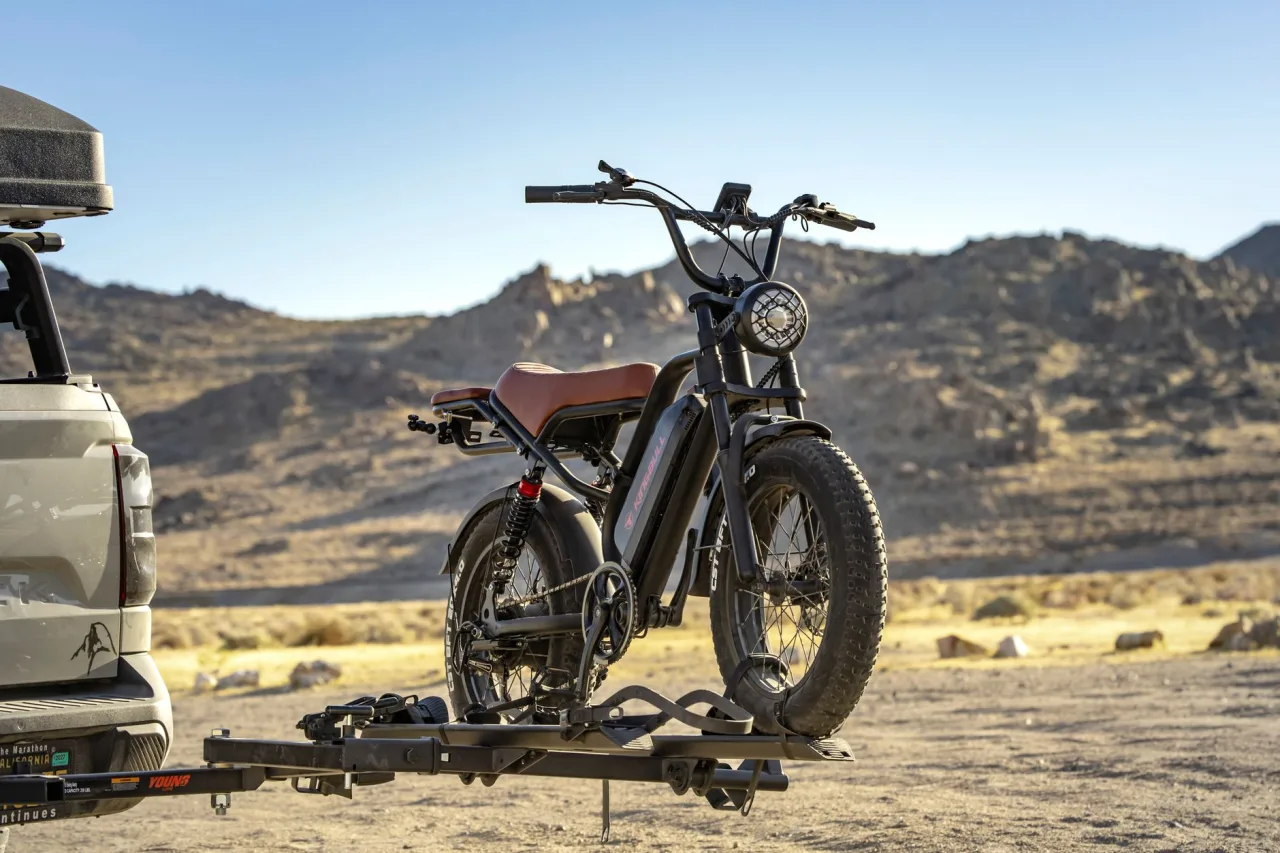
An off road electric bike pairs a rugged frame, grippy tyres and real suspension with a pedal assist motor, so climbs that used to wreck your legs become the fun part of the ride. This guide explains the main types, the features that actually matter on the trail, honest price ranges, and how to choose a model that fits the terrain you ride. Whether you call it an eMTB, a trail e bike or simply the best off road electric bike for your budget, the same buying logic applies.
The short version
- Off road e bikes are pedal assist mountain bikes: the motor helps only while you pedal, it does not replace pedalling.
- The big decisions are hardtail versus full suspension, motor placement (mid drive is best for climbing), and battery size in watt hours.
- Expect a wide price spread. Capable trail eMTBs typically start in the low four figures and climb steeply from there, so confirm current pricing locally.
- Match travel and tyre width to your terrain, then spend what is left on brakes, a dropper post and a good helmet.
What counts as an off road electric bike
An off road electric bike, often shortened to eMTB, is a mountain bike with an electric drive system built to handle dirt, roots, rocks and steep climbs. The defining feature is pedal assist. As Wikipedia's overview of the electric bicycle explains, a pedelec motor is regulated by your pedalling and augments your effort rather than driving the bike on its own. Standard pedal assist systems in many regions cut power at roughly 25 km/h (15.5 mph) with a continuous rated output around 250 W, though rules and figures vary by country, so check your local classification before you buy.
That matters off road because the goal is not top speed. It is torque for climbing and range for long days out. A good eMTB flattens gradients, lets you ride further, and helps less fit riders keep up with fitter friends. If you are still deciding between a pedal and a powered mountain bike, our mountain bike guide covers the non electric side, and the electric mountain bike guide goes deeper on eMTB drivetrains.
Types of off road e bikes
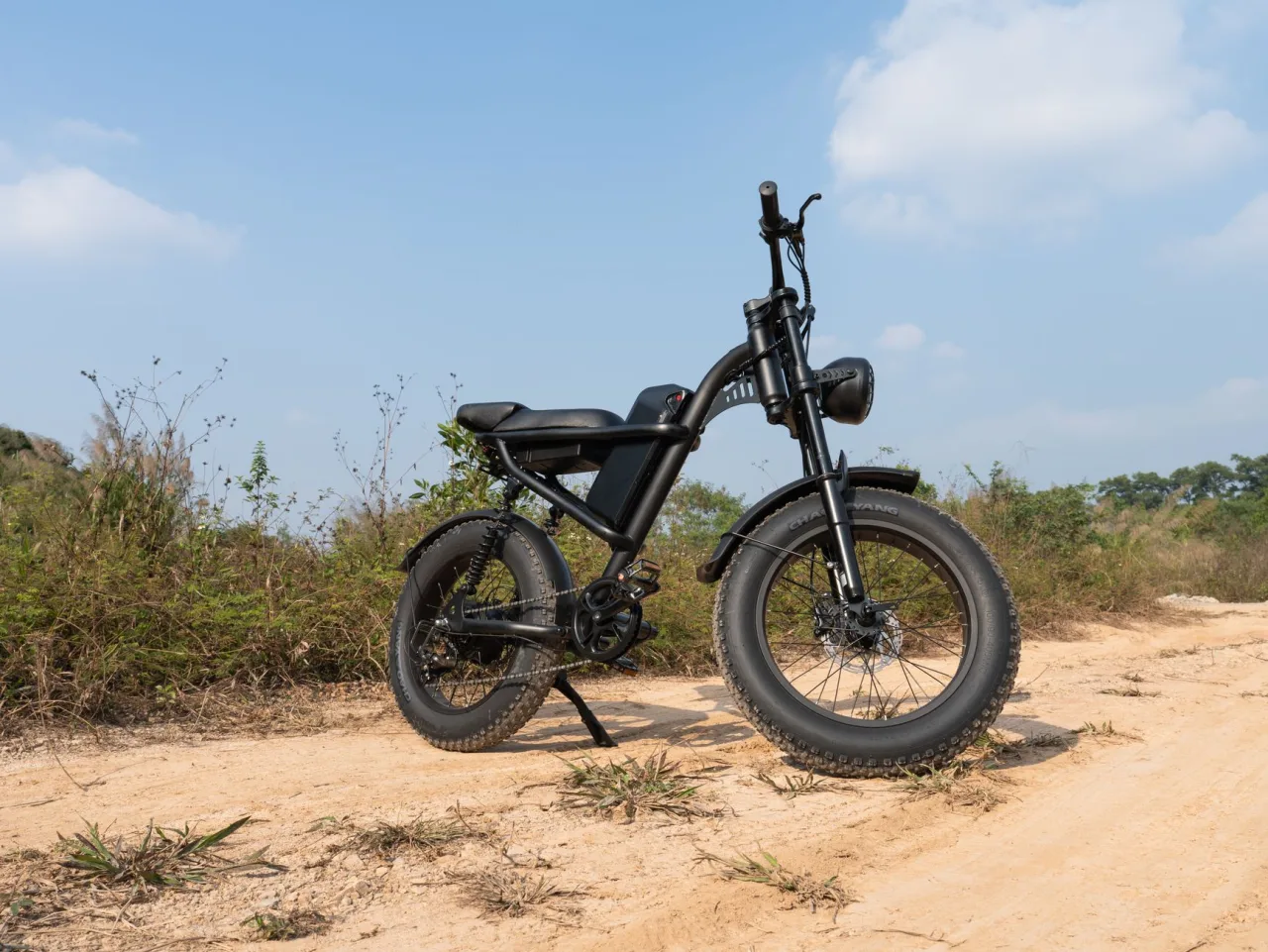
Not every dirt worthy e bike is the same. The main families are worth knowing before you shop.
- Hardtail eMTB: suspension fork up front, rigid rear. Lighter, cheaper, easier to maintain, and efficient on smoother trails and fire roads.
- Full suspension eMTB: front and rear suspension. More comfortable and controlled on rough, technical descents, but heavier and pricier.
- Fat tyre e bikes: extra wide tyres for sand, snow and loose terrain. See our fat tire electric bike guide for where these shine.
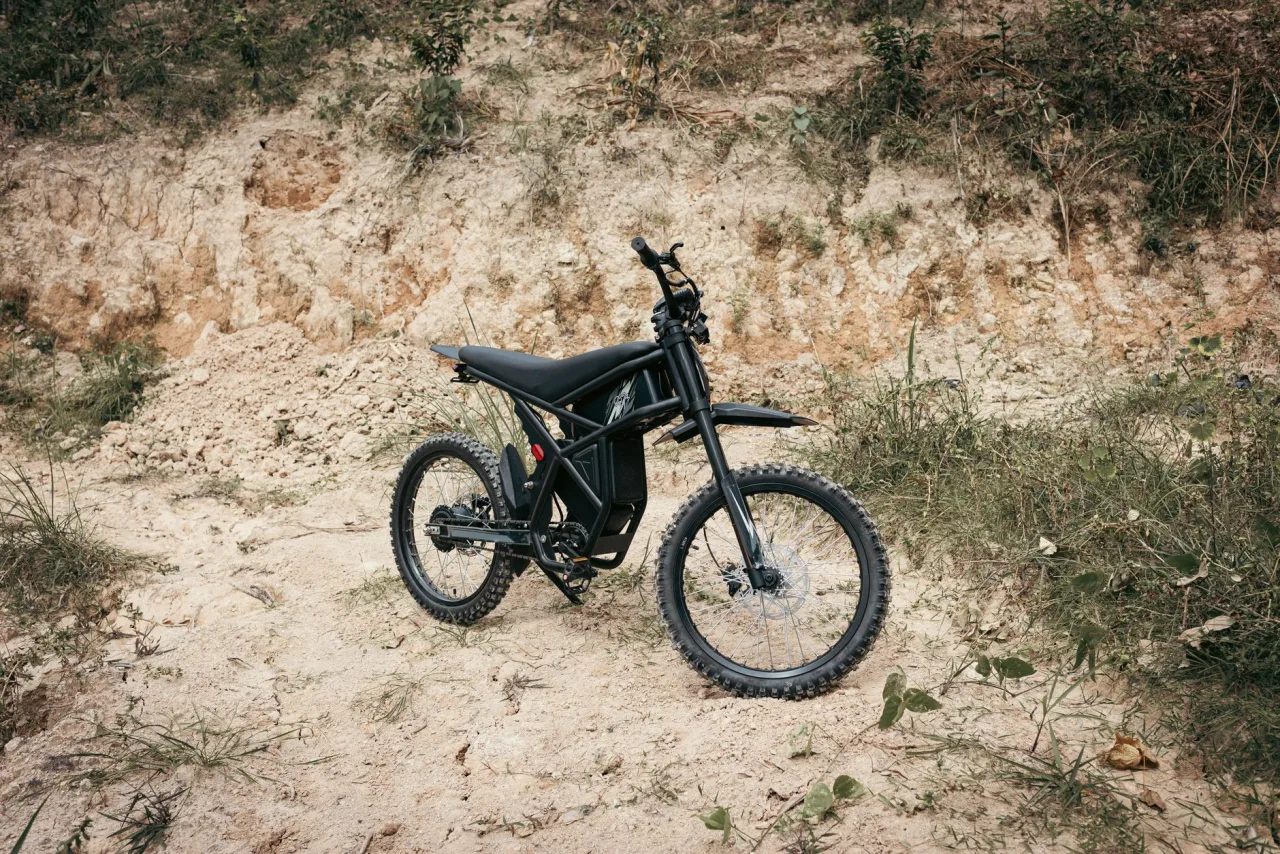
- Electric dirt bikes: throttle driven, often no pedals, closer to a light motorcycle. These are a different category with different laws, covered in our electric dirt bike guide.
The Wikipedia article on the mountain bike notes that hardtails are cheaper and more efficient to pedal, while full suspension bikes are heavier and less efficient but much faster on rough, technical descents. That trade off is the heart of your first decision.
The features that actually matter
Marketing pages list dozens of specs. On the trail, a handful decide how much you enjoy the bike.
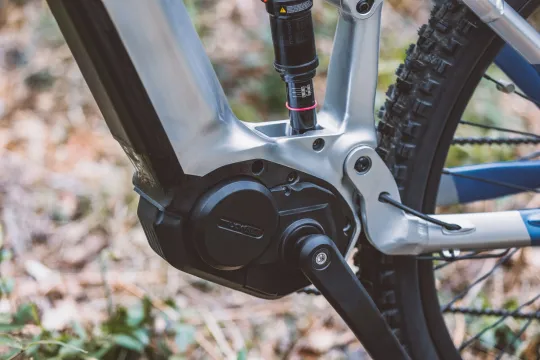
- Motor placement: mid drive motors sit at the cranks, keep weight low and central, and deliver strong climbing torque. Hub motors are cheaper but handle less well off road.
- Battery capacity: measured in watt hours (Wh). More watt hours means more range. Long climbs and boost mode drain batteries fast, so buy more capacity than you think you need.
- Suspension travel: more travel soaks up bigger hits. Cross country bikes use less, enduro bikes use more.
- Brakes: eMTBs are heavy and fast. Powerful hydraulic disc brakes with larger rotors are not optional.
- Tyres: width and tread pattern change grip more than almost anything else.
Buyer tip: chase torque and battery, not top speed
- Off road, motor torque (in newton metres) helps you climb. A higher assist cap does little on a rocky trail.
- If you ride long or hilly routes, prioritise a bigger battery or the option to add a range extender.
How to match a bike to your terrain
Be honest about where you actually ride. Smooth gravel and gentle singletrack reward a lighter hardtail. Rooty, rocky, steep descents reward full suspension and more travel. Riders who mostly ride mellow trails and want lower maintenance should look hard at a hardtail before spending extra on a rear shock they rarely use. If your local trails are loose or sandy, a fat or wide tyre setup may serve you better than more suspension.
It also helps to understand the wider family of pedal assist bikes so you do not overbuy. Our electric MTB guide and the broader types of bicycles guide can help you place an off road e bike against road, gravel and hybrid options.
Honest price ranges for 2026
Prices move constantly and vary by country, retailer and spec, so treat these as ballpark ranges to confirm locally, not fixed quotes.
- Entry hardtail eMTBs: often start in the low four figures. Expect a hub or budget mid drive motor and basic suspension.
- Mid range full suspension: typically a significant step up, with a name brand mid drive system, better brakes and a dropper post.
- High end trail and enduro eMTBs: can reach premium territory with carbon frames, top suspension and large batteries.
Well known drive systems from brands such as Bosch, Shimano and Specialized appear across many bikes, and a bike built around a proven motor is easier to service later. Whatever the sticker says, budget separately for a helmet, and read our bike helmet guide before your first ride.
Living with an off road e bike
An eMTB asks a little more care than an analogue bike. Keep the battery between roughly a fifth and four fifths of charge for long term health when storing it, avoid pressure washing the motor and bearings directly, and keep firmware updated where the system supports it. Drivetrains wear faster under motor torque, so clean and lube the chain often and expect to replace it sooner than on a non assisted bike.
Trail access rules differ widely. Some trails and parks welcome Class 1 pedal assist eMTBs, others restrict or ban motors entirely. Check local signage and land manager rules before you ride somewhere new, and ride courteously so access stays open for everyone.
Range anxiety fades quickly once you learn your bike. Use lower assist modes to stretch the battery, save boost for the steepest climbs, and note that cold weather temporarily reduces range. Carrying the charger is rarely practical on a ride, so plan routes around what your battery can realistically deliver with a margin. Over a few rides you will develop a reliable sense of how far a charge takes you on your terrain, which matters more than the optimistic figure on the spec sheet.
Safety and etiquette
- Always wear a certified helmet, and consider knee pads and gloves for technical trails.
- Yield to walkers and horses, and slow down on blind corners. Speed carries further on an e bike.
Where to buy and how to test ride
A good local bike shop is worth a lot on an eMTB, because setup, warranty support and motor servicing all run through it. Test ride before you commit if you can, on terrain like your own, and pay attention to reach, standover and how the assist feels at the cadence you actually pedal. If you are hunting for a nearby specialist, our directory guide on how to find trusted local bike shops explains what to look for in a dealer and service department.
Frequently asked questions
What is an off road electric bike?
It is a mountain bike with a pedal assist electric drive system, built with a rugged frame, suspension and grippy tyres to handle dirt, rocks and steep climbs. The motor helps while you pedal rather than replacing pedalling.
Is a hardtail or full suspension better for off road?
A hardtail is lighter, cheaper and more efficient on smoother trails, while a full suspension bike is more comfortable and controlled on rough, technical descents but heavier and pricier. Choose based on how rough your usual trails are and your budget.
How much does a good off road e bike cost?
Capable trail eMTBs commonly start in the low four figures and rise steeply for full suspension, carbon and premium components. Prices vary by country and retailer, so confirm current pricing locally rather than relying on a fixed figure.
How far can an off road e bike go on one charge?
Range depends on battery capacity in watt hours, rider weight, terrain, assist level and temperature. Steep climbs and boost mode drain the battery quickly, so pick a larger battery or a range extender if you ride long or hilly routes.
Are off road e bikes allowed on all trails?
No. Trail access varies by location. Some trails welcome Class 1 pedal assist eMTBs, while others restrict or ban motors. Always check local signage and land manager rules before riding a new area.
More guides on Electric Bikes
Have a question or a topic to suggest?
We read every message. Tell us what you would like to see next on the blog.
Get in touchYou may also like
Electric Mountain Bike Guide
How electric mountain bikes work, motor and battery basics, hardtail versus full suspension, real-world range, costs, and how to buy and maintain an eMTB.
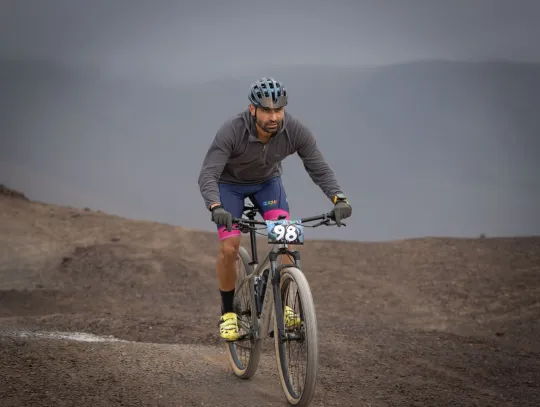
Electric MTB: The Complete Guide
An electric MTB extends your legs, not replaces them. Learn the motor types, e-bike classes, suspension, battery range, and how to pick the right trail eMTB.
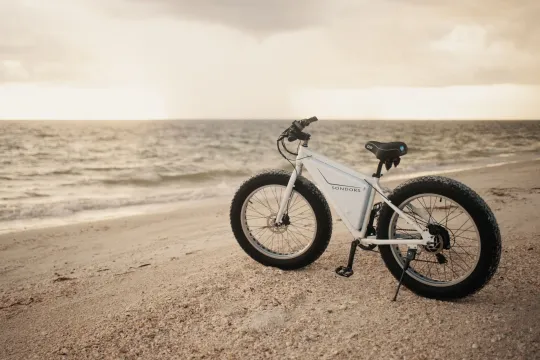
Fat Tire Electric Bike: Complete Guide
Fat tyres and pedal assist float over snow, sand, and rough ground. Learn what fat tyres do, the honest trade offs, and how to choose and price one.