Electric Off-Road · Electric Bikes
Electric Dirt Bike: Complete Guide
The off-road electric motorcycle explained: power, legality, top models and the gear you need to ride safely.
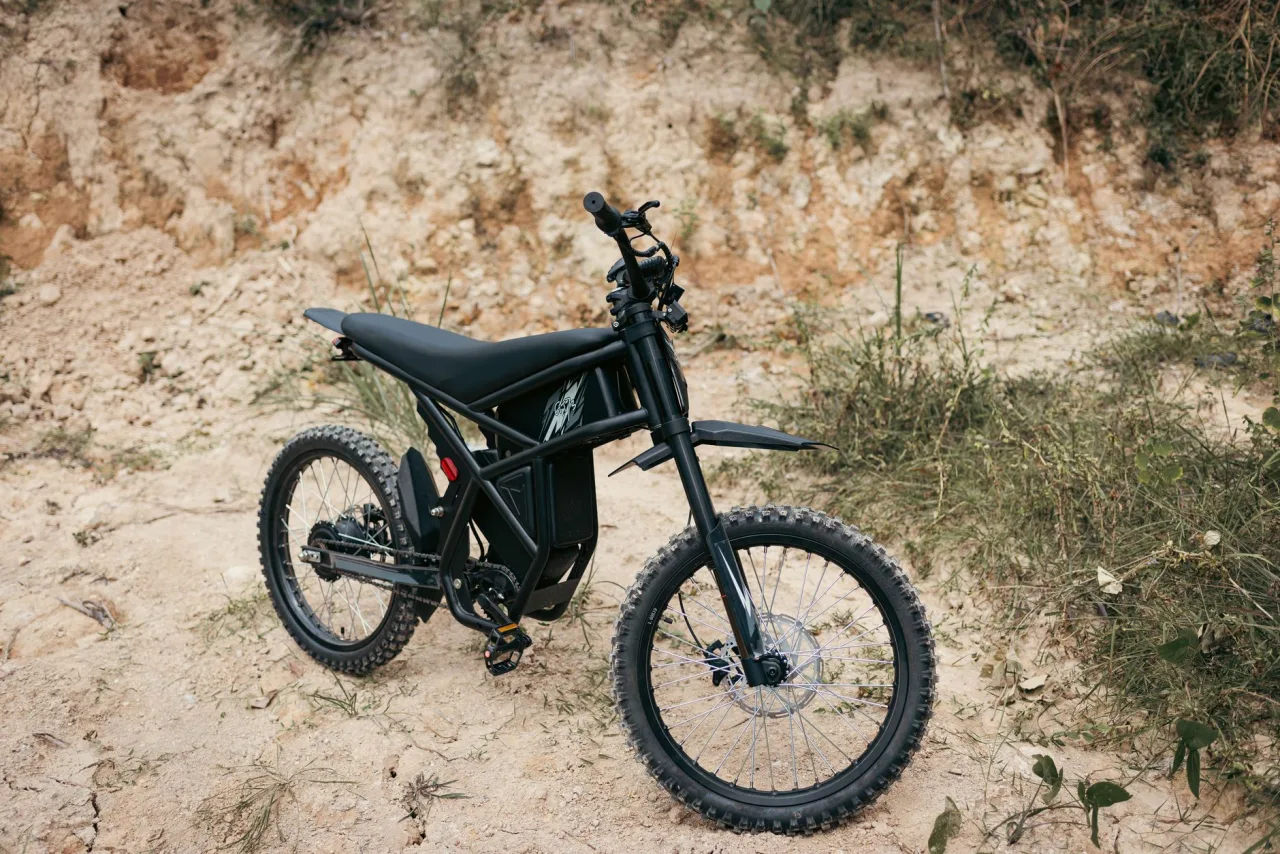
An electric dirt bike swaps the two-stroke engine for a battery and motor, delivering instant torque, near-silent running and almost no routine maintenance. This guide explains what an electric dirt bike really is, how it differs from an e-bike, what the leading models offer, the legal reality, and how to choose one safely.
The short version
- An electric dirt bike is an off-road electric motorcycle, not a pedal-assist bicycle. Most have no pedals and are throttle controlled.
- Electric motors deliver full torque instantly, which gives strong acceleration and simple, clutch-free riding.
- Sur-Ron is one of the best-known makers. Its models span a wide power range, and some are road-legal in certain regions but not others.
- Legality varies enormously by country and state. Many electric dirt bikes are off-road only. Always check local rules and confirm prices locally.
What is an electric dirt bike
An electric dirt bike is an off-road motorcycle powered by an electric motor and a rechargeable battery instead of a petrol engine. Riders sit astride the frame and control speed with a throttle, just like a conventional dirt bike, but there is no clutch, no gears to shift and no engine noise. The result is a machine that is faster to learn, cleaner to run and far quieter than a two-stroke.
This is an important distinction to get right before you shop. An electric dirt bike is a motorcycle, closer in spirit to a motocross bike than to a bicycle. That sets it apart from the pedal-assist machines in our complete electric bike guide, which you power with your own legs and which are legal to ride in far more places.
Electric dirt bike versus e-bike versus e-MTB
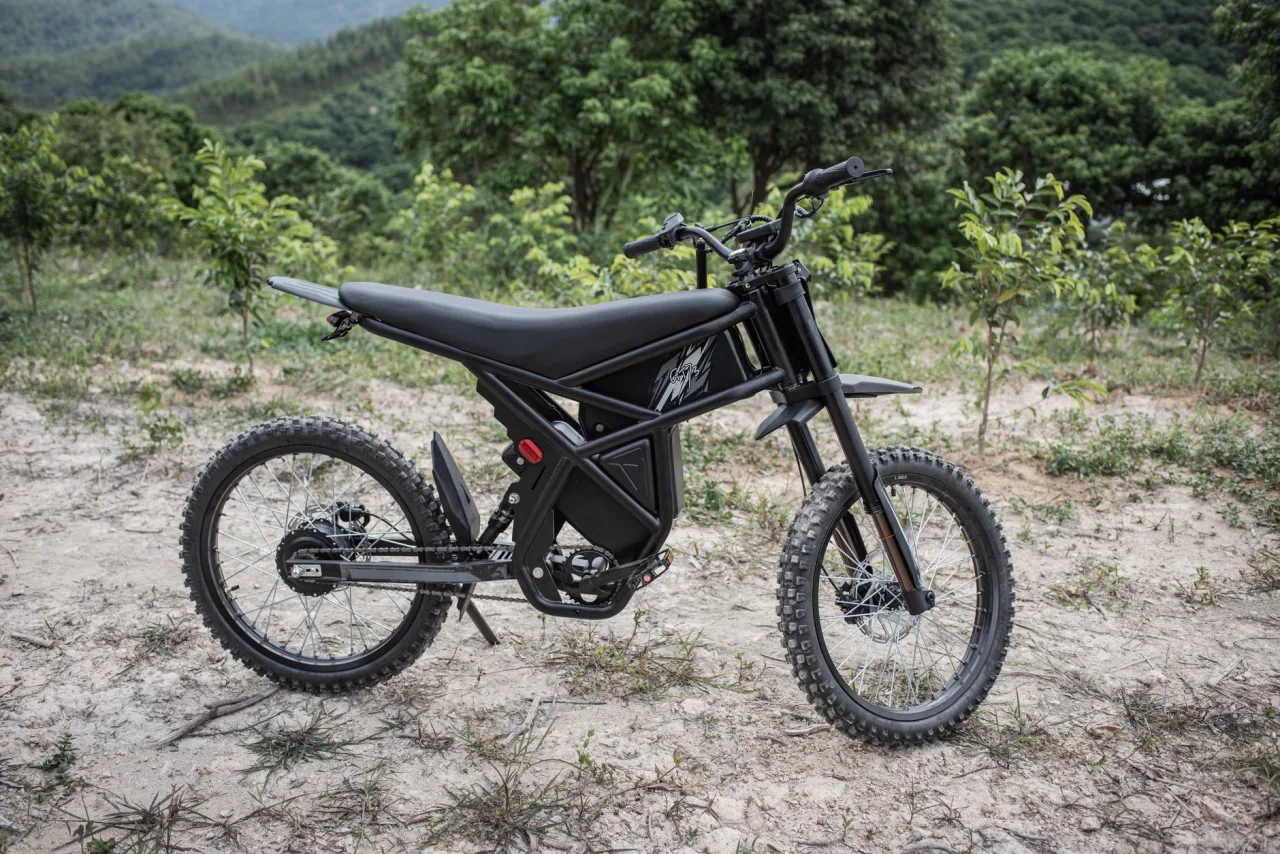
The terms get muddled constantly, so here is the honest breakdown:
- Electric dirt bike: a throttle-controlled off-road motorcycle with no pedals. Powerful, heavy and usually not legal on public roads or bike paths without registration.
- Electric bike (e-bike): a bicycle with pedal assist that helps as you pedal, subject to power and speed limits. Legal for road and often trail use in many places.
- Electric mountain bike (e-MTB): a pedal-assist bicycle built for trails, covered in our electric mountain bike guide and the wider electric MTB category.
If you want something you can legally ride to work or on shared paths, an e-bike or e-MTB is the right choice. An electric dirt bike is for off-road riding on private land, tracks or trails where motorised vehicles are permitted.
Warning: Riding a powerful electric dirt bike on public roads, pavements or bike paths where it is not permitted can bring fines, confiscation and safety risks. Confirm what is legal where you live before buying.
How electric dirt bikes work
Under the plastics, an electric dirt bike is mechanically simpler than a petrol one. A battery, almost always lithium-ion on modern machines, feeds an electric motor that drives the rear wheel. Because an electric motor develops full torque immediately, acceleration from a standstill is strong and there is no clutch to slip or gears to change.
Key numbers to understand:
- Motor power in watts: this ranges hugely, from a few thousand watts on lightweight and youth machines to well over twenty thousand watts on the most powerful models.
- Battery capacity: larger batteries give more ride time but add weight and cost. Ride time depends heavily on how hard you ride.
- Top speed: depending on model, this spans roughly the low thirties to the high sixties in miles per hour.
Maintenance is one of the biggest advantages. With no oil, spark plugs or air filters, an electric dirt bike mainly needs attention to brake pads, tyres and occasional fluid checks. Some models with regenerative braking even extend brake pad life. Battery care, storing it cool and avoiding long spells fully flat or fully charged, is the main new habit to learn.
Charging is worth planning around before you buy. Most machines charge from a standard household outlet, and a full charge can take several hours depending on battery size and charger. If you ride hard and want to keep going through a day, a second battery or a faster charger is the usual answer, though both add cost. Some higher-end electric motorcycles support swappable battery packs, letting you carry a spare and change it trackside in minutes rather than waiting to recharge.
Leading models and what to expect
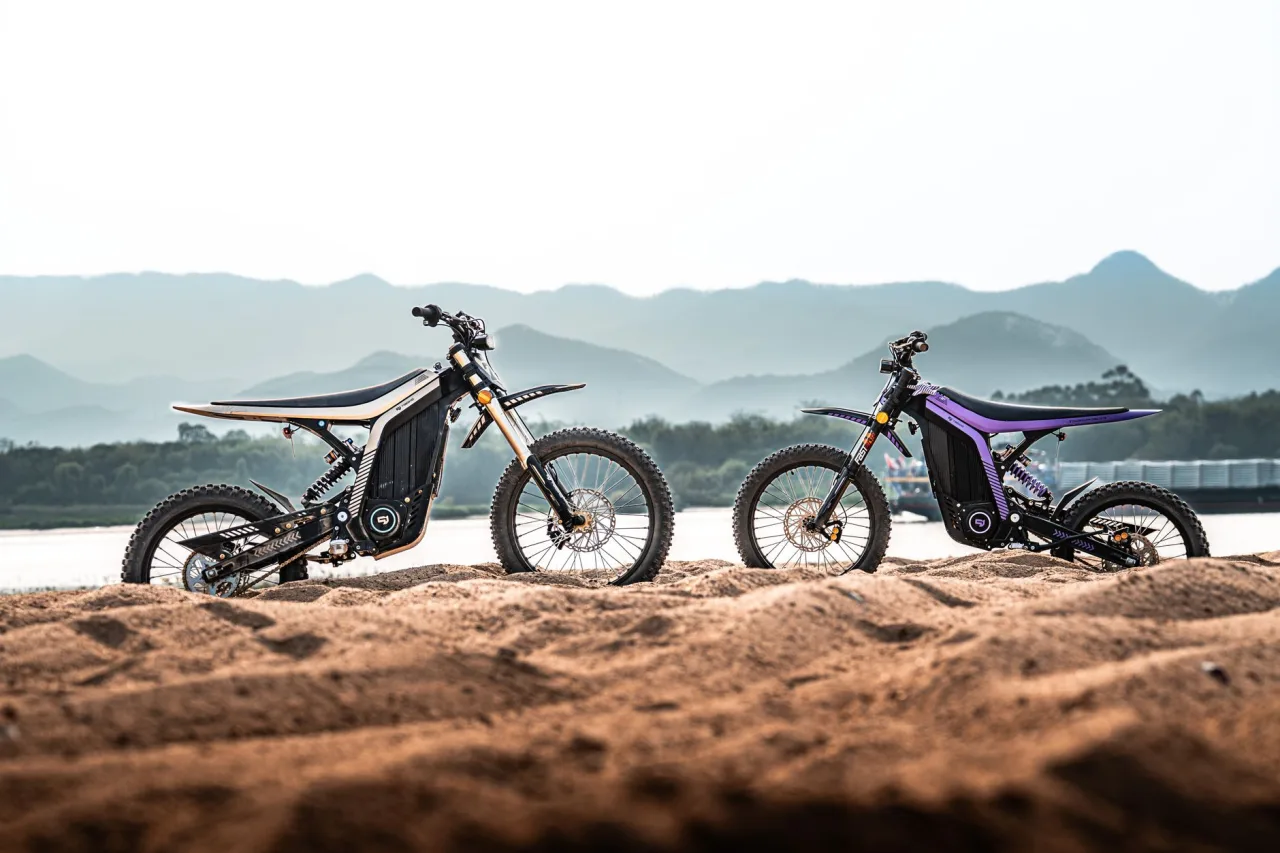
Sur-Ron is one of the most recognised names in the category. The Chinese company was started in 2014 and launched its first model, the Light Bee, in March 2018. Its current lineup covers a broad power range, from lighter youth-oriented machines to high-performance models, with top speeds spanning roughly the low thirties to the high sixties in miles per hour. Several models offer road-legal certification in some regions, though as of 2025 they were not certified for road use in the United States. If you are researching this brand specifically, see our dedicated guides on the Sur-Ron e-bike and the Surron e-bike.
Beyond Sur-Ron, the market includes established motorcycle brands and newer electric specialists, plus smaller machines aimed at younger or lighter riders. Whatever the badge, judge a bike on power, weight, battery capacity, brakes and, crucially, whether it is legal to ride where you intend to use it. For high-performance leisure machines more broadly, our Xtreme bike guide covers the wider scene.
What does an electric dirt bike cost
Prices vary widely by power, brand, battery size and region, so treat these as broad ranges and confirm current pricing locally. Smaller kids' and youth electric dirt bikes are the most affordable. Popular lightweight adult machines typically sit in the low to mid thousands, while high-performance, road-legal or large-battery models cost considerably more.
Remember to budget beyond the bike itself. A quality helmet and protective gear are essential, not optional, on a machine this quick. A spare battery, a charger and a way to transport the bike also add up. If you are weighing an electric dirt bike against a legal, road-usable option, our look at real electric bike prices in 2026 gives useful context on the pedal-assist side.
Safety, gear and buying advice
An electric dirt bike is quiet, which makes its speed easy to underestimate. Ride it with the same respect you would give any motorcycle:
- Wear full protective gear. A proper motocross or motorcycle helmet, goggles, gloves, boots and body armour are basics, not extras.
- Learn on private, legal ground. Build throttle control somewhere open before tackling faster trails.
- Match the machine to the rider. Power, weight and seat height must suit the person, especially for younger or newer riders. See our kids electric bike guide for youth-appropriate options.
- Buy from a reputable seller. Support, spare parts and warranty matter on any electric machine.
Think about the practical extras too. You will likely need a way to transport the bike, since many are too heavy and too fast to ride to the trail legally, so a sturdy vehicle rack or van is often part of the picture. Depending on where and how you ride, insurance and, for road-legal models, registration may also apply. Factoring these in up front avoids nasty surprises after purchase.
If you would rather have a legal, everyday electric machine, an electric bike for adults may serve you far better than an off-road-only dirt bike. Be honest with yourself about where and how you will actually ride before you spend.
Frequently asked questions
Is an electric dirt bike the same as an e-bike?
No. An electric dirt bike is an off-road electric motorcycle with a throttle and usually no pedals, while an e-bike is a bicycle with pedal assist. E-bikes are legal in far more places, whereas electric dirt bikes are generally off-road only unless specifically registered.
Are electric dirt bikes street legal?
It depends entirely on the model and where you live. Some models are road-legal in certain regions but not in others. Many electric dirt bikes are off-road only. Always check your local laws before riding one on public roads or paths.
How fast do electric dirt bikes go?
It varies widely by model. Depending on power, top speeds range roughly from the low thirties to the high sixties in miles per hour. Smaller youth machines are much slower, while high-performance models are genuinely fast and demand experience and protective gear.
How much maintenance does an electric dirt bike need?
Much less than a petrol dirt bike. With no oil, spark plugs or air filters, they mainly need attention to brake pads, tyres and occasional fluid checks, plus sensible battery care such as storing it cool and avoiding long spells fully flat or fully charged.
Are electric dirt bikes good for beginners?
They can be, because there is no clutch or gear shifting to learn, but the instant torque and quiet speed can catch beginners out. Start on a machine matched to your size and experience, learn on legal private ground, and always wear full protective gear.
Sources and further reading:
- Sur-Ron on Wikipedia for company history, model range and specifications.
- Electric motorcycles and scooters on Wikipedia for motors, batteries and maintenance.
More guides on Electric Bikes
Have a question or a topic to suggest?
We read every message. Tell us what you would like to see next on the blog.
Get in touchYou may also like
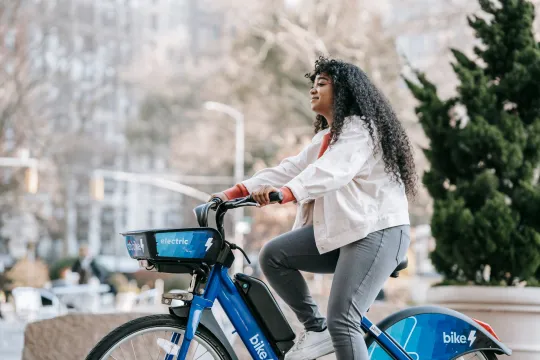
Electric Bike: The Complete Guide
Everything you need before buying an e-bike: how the motor and classes work, hub versus mid-drive, battery range, the main types, and what a good electric bike really costs.
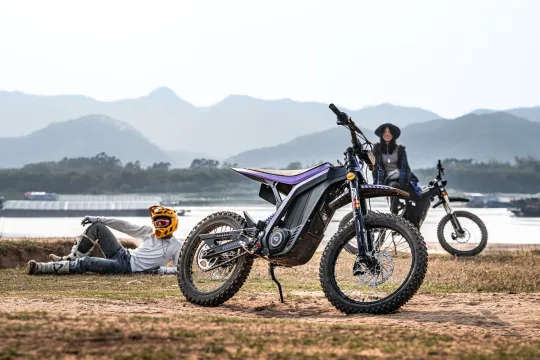
Suron E-Bike: The Complete Guide
The Sur-Ron Light Bee is an off-road electric motorcycle, not a pedal e-bike. Here is what that means for the law, safety gear, and buying one responsibly.
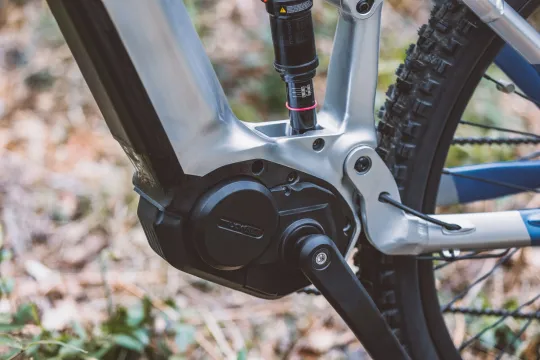
Electric Mountain Bike Guide
How electric mountain bikes work, motor and battery basics, hardtail versus full suspension, real-world range, costs, and how to buy and maintain an eMTB.