Electric Bikes · Electric Bikes
Electric MTB: The Complete Guide
Motor types, trail-legal classes, suspension and battery range, plus how to choose an eMTB without overpaying for specs you will never use.
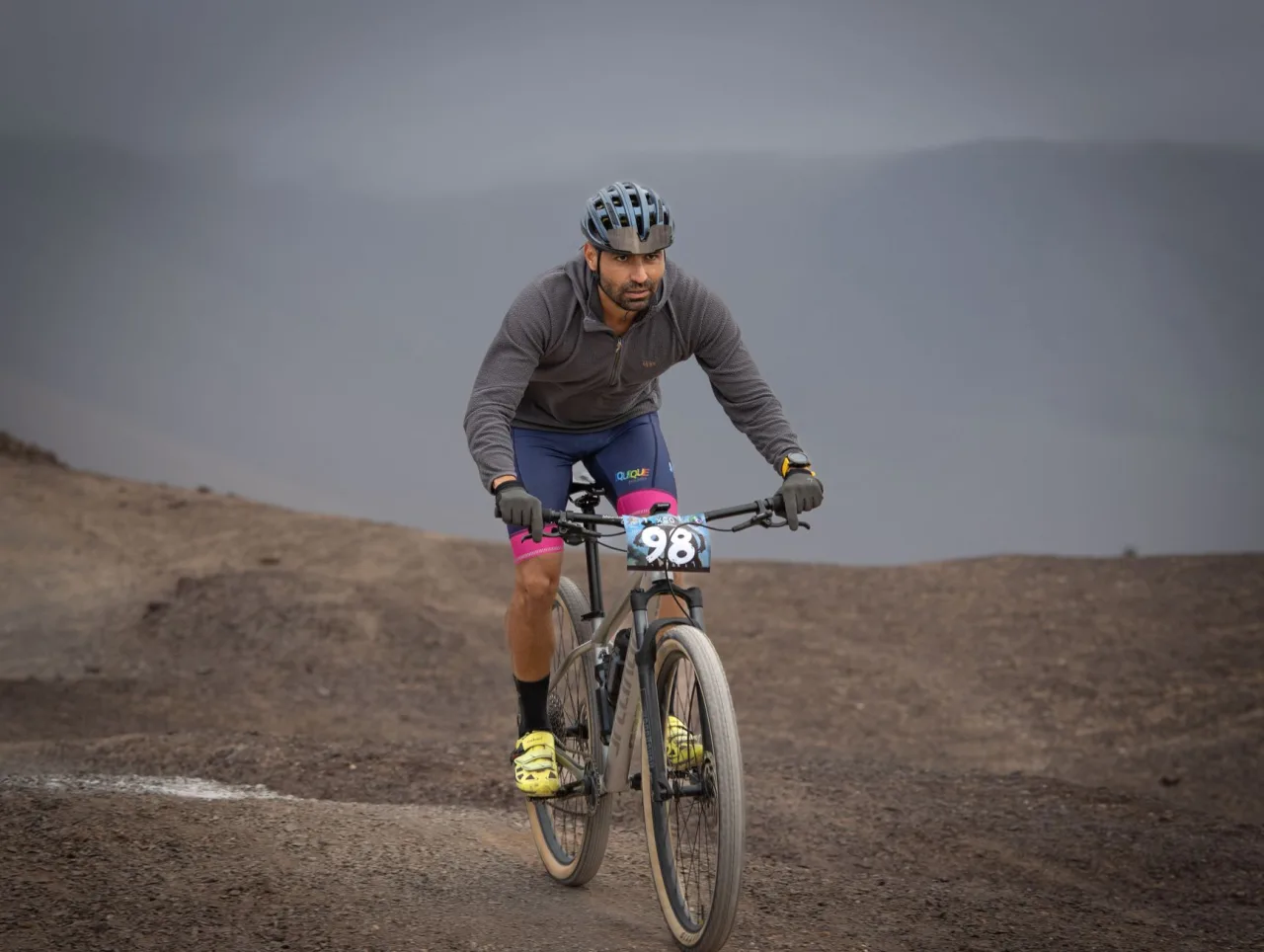
An electric mountain bike, or eMTB, is a trail-capable mountain bike with a motor that assists while you pedal. It does not replace your legs, it extends them, letting you climb longer, ride farther, and session the fun descents more times before you are cooked. This guide explains the types, the parts that matter, realistic price bands, and how to choose one without overpaying for numbers you will never use on a real trail.
The short version
- Most true eMTBs use a mid-drive motor at the cranks, which balances the bike better than a hub motor and feels natural on climbs.
- Class 1 pedal-assist is the trail-friendly standard. It assists only while you pedal and cuts out around 20 mph, which is what most trail networks allow.
- Suspension travel and battery size drive both fun and price. Match them to your terrain, not to the biggest spec sheet.
- Budget realistically. Capable eMTBs generally start higher than analog bikes, and the motor and battery are the reason. Confirm current pricing locally.
What an electric mountain bike actually is
An eMTB pairs a normal mountain bike frame, suspension, and drivetrain with an electric motor and a battery. On the vast majority of trail bikes, that motor is a pedal-assist system: it adds power in proportion to how hard you pedal and switches off once you stop or once you pass the assist limit. This is different from a throttle scooter that moves without any pedaling. If you want the broader background on how these systems work across all bike types, our complete electric bike guide covers motors, batteries, and the legal classes in depth.
The reference technology is well documented. As the Wikipedia entry on electric bicycles explains, pedelec systems engage only while the rider is pedaling and stop assisting once a set speed is reached, which is exactly the behavior that makes an eMTB legal and welcome on most shared trails.
Mid-drive versus hub motor: why it matters off-road
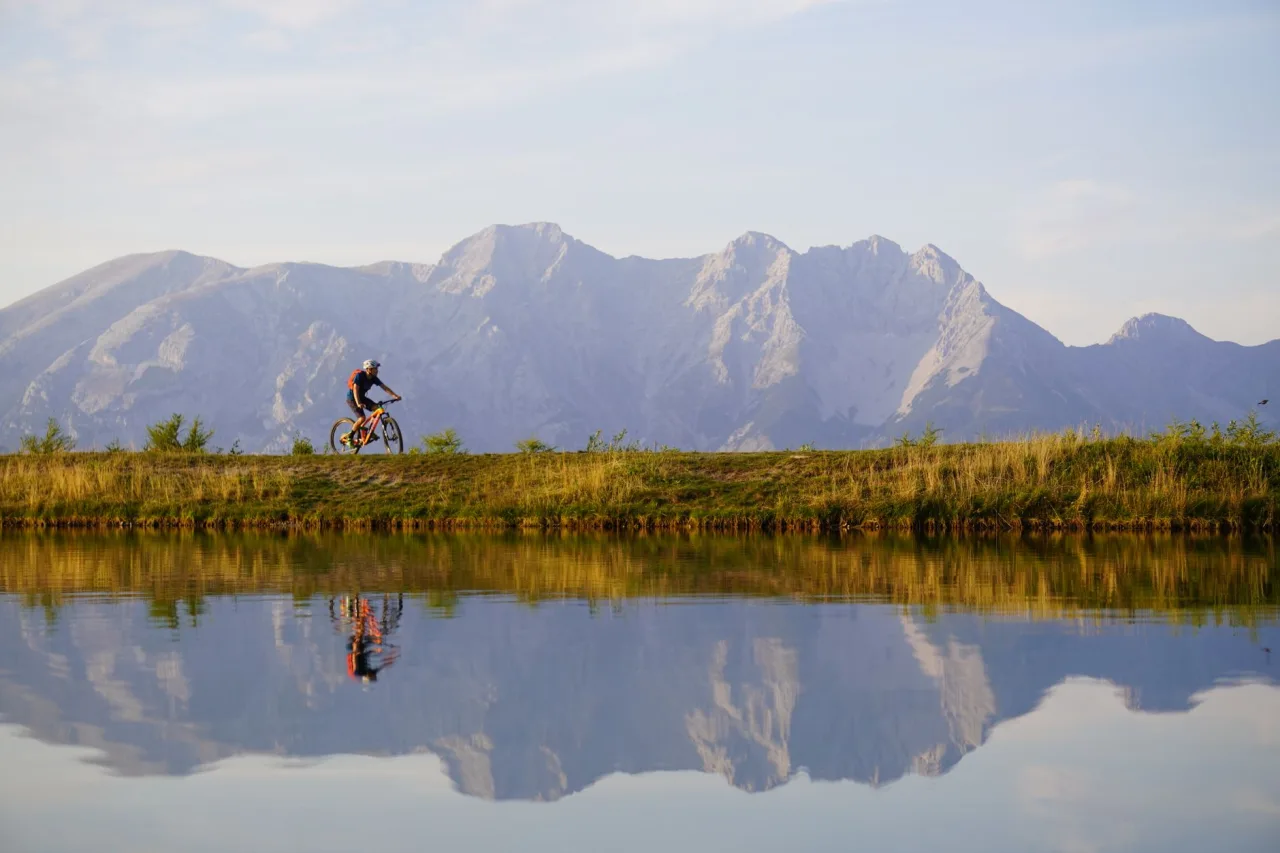
Motor placement is the single biggest design choice on an eMTB, and it separates a purpose-built trail bike from a converted commuter.
- Mid-drive motors sit at the bottom bracket between the pedals and drive the chain. They keep weight low and central, feed power through your gears, and modulate smoothly on steep, loose climbs. Nearly every serious eMTB uses one.
- Hub motors live in a wheel. They are cheaper and fine on pavement, but the weight sits out at the axle, which unbalances the bike on technical ground and cannot use your gears to multiply torque uphill.
For genuine trail riding, a mid-drive is worth the premium. The major motor makers in this space, including Bosch, Shimano, Specialized, and Brose, all build mid-drive units, and each publishes a torque figure measured in newton meters. More torque helps on steep climbs and with heavier riders or loads, but it also draws more from the battery.
Understanding e-bike classes and trail access
Where you are allowed to ride is decided by the assist class, not by how the bike looks. In the common three-tier system, Class 1 provides pedal assist up to about 20 mph, Class 2 adds a throttle, and Class 3 lifts pedal assist to about 28 mph. Land managers overwhelmingly permit Class 1 on non-motorized trails and often restrict the faster classes.
Check before you ride. Trail access rules for eMTBs vary by park, forest, and even individual trail, and they change. A bike that is legal on the road may not be permitted on a specific singletrack. Confirm the local rules for the exact place you plan to ride before you go, and default to Class 1 if you want the widest access.
Hardtail or full suspension?
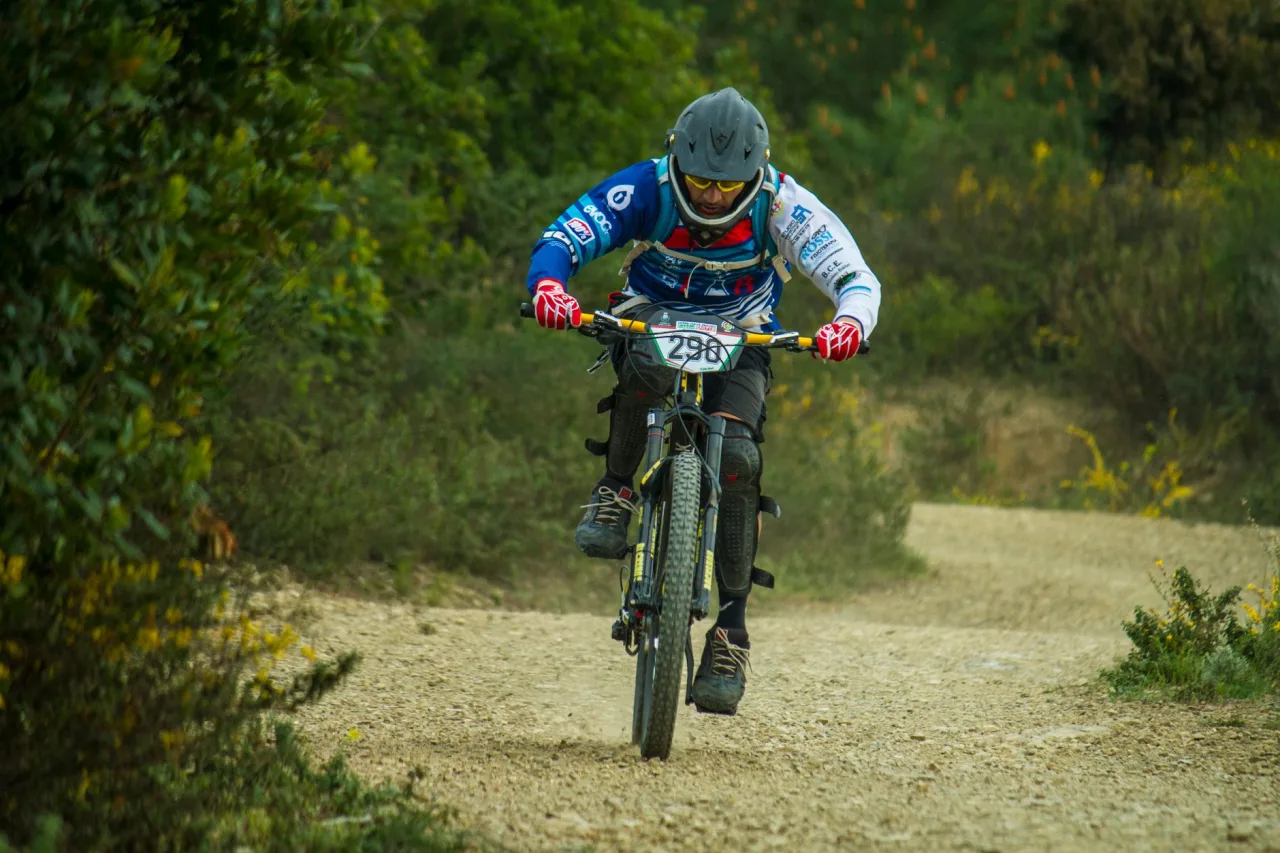
The same suspension logic that governs analog mountain bikes applies here. A quick refresher: as the Wikipedia mountain bike article describes, a hardtail has front suspension only, while a full-suspension bike adds a rear shock for more control on rough ground at the cost of weight, price, and some pedaling efficiency.
- Hardtail eMTB. Lighter, simpler, and less expensive. Excellent for smoother trails, gravel, fitness riding, and riders who want the lowest entry price into the category.
- Full-suspension eMTB. More capable and comfortable on technical, rocky, root-laden descents. The default choice for enduro and aggressive trail riding, and the more expensive path.
If you are still deciding between an electric and a traditional trail bike, our mountain bike guide and the dedicated electric mountain bike guide compare the ride feel, maintenance, and cost side by side.
Battery, range, and real-world riding time
Battery capacity is measured in watt-hours (Wh), and bigger is not automatically better. A larger battery gives more range but adds weight and cost. Your actual range depends on far more than the number on the label.
- Terrain and elevation. A day of steep climbing drains a battery far faster than flat cruising.
- Assist level. Riding in the highest boost mode all day can cut range dramatically compared with an eco mode.
- Rider and cargo weight, tire choice, temperature, and even tire pressure all move the number.
Treat any manufacturer range claim as a best case. If you plan long backcountry days, look at larger batteries or bikes that accept a range extender, and always plan a route you can pedal home on if the battery dies.
What to look for in the best electric MTB for you
The best eMTB is the one matched to your terrain and honestly within your budget, not the one with the highest headline torque. Prioritize in roughly this order:
- Motor and its support. A reputable mid-drive from an established maker means better tuning and easier service down the line.
- Suspension matched to terrain. Enough travel for your trails, and no more, so you are not paying for capability you never use.
- Battery sized to your rides. Bigger only if your typical loop actually needs it.
- Brakes and tires. A heavier, faster bike needs strong, well-sized disc brakes and grippy tires more than an analog bike does.
- Fit and dealer support. A local shop that services your motor brand is worth a lot when something needs a firmware update or a warranty claim.
A note on prices. eMTB pricing shifts constantly with model years, currency, and local taxes, and the motor plus battery genuinely add cost over an analog bike. We deliberately avoid quoting exact figures that would be wrong by the time you read this. Get current numbers from a local shop or the manufacturer, and compare like for like on motor, battery size, and suspension.
Gear, safety, and where to buy
An eMTB carries more speed and more mass than an analog bike, which raises the stakes in a crash. A properly certified helmet is non-negotiable, and many riders add knee pads for technical trails. Our bike helmet guide explains what the safety certifications actually mean.
Because eMTBs are heavy and firmware and motor systems benefit from expert setup, buying through a shop that stocks your chosen motor brand pays off. If you are not sure where to start, our guide on how to find a trusted local bike shop walks through what a good shop should offer, from test rides to service plans. For brand-specific options, several mainstream makers now build eMTBs, and even value-focused brands such as those in our Aventon electric bike guide have entered the trail category.
Frequently asked questions
Is an electric mountain bike cheating?
No. An eMTB still requires you to pedal, balance, brake, and pick a line through technical terrain. The motor assists your effort rather than replacing it, so climbs are less exhausting and you can fit more descents into a ride. Many riders use an eMTB to keep up with fitter friends, return from injury, or simply ride more often. The skill of riding trails does not go away.
What is the difference between a mid-drive and a hub-drive eMTB?
A mid-drive motor sits at the cranks, keeps weight low and centered, and feeds power through the bike's gears, which makes it far better on steep, technical climbs. A hub motor sits in a wheel, is usually cheaper, but adds weight at the axle and cannot use your gears for extra climbing torque. Nearly every purpose-built trail eMTB uses a mid-drive for this reason.
How far can an electric mountain bike go on one charge?
It depends heavily on the battery size, the terrain, your weight, and which assist level you use. A day of steep climbing in high boost drains a battery much faster than flat cruising in eco mode. Treat manufacturer range claims as a best case, and if you ride long backcountry loops, choose a larger battery or a bike that accepts a range extender.
Which e-bike class is allowed on mountain bike trails?
Class 1, which provides pedal assist up to about 20 mph with no throttle, is the most widely accepted on non-motorized trails. Faster Class 3 bikes and throttle-equipped Class 2 bikes are often restricted. Rules vary by land manager and change over time, so always confirm the specific trail's regulations before you ride.
Are electric mountain bikes worth the extra money?
For riders who face big climbs, ride long distances, or want more descents per outing, many find the motor and battery well worth the higher price. For smooth, flat trails or short rides, an analog bike may serve just as well for less. Decide based on your terrain and how the assistance fits your riding, then confirm current pricing with a local shop.
More guides on Electric Bikes
Have a question or a topic to suggest?
We read every message. Tell us what you would like to see next on the blog.
Get in touchYou may also like
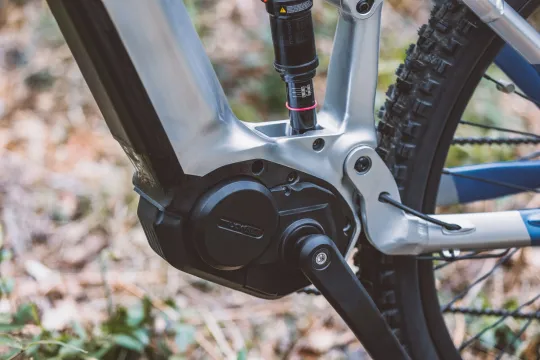
Electric Mountain Bike Guide
How electric mountain bikes work, motor and battery basics, hardtail versus full suspension, real-world range, costs, and how to buy and maintain an eMTB.
Mountain Bike: The Complete Guide
Everything you need to choose a mountain bike: the main types, wheel sizes, key components, how to pick your first bike and the gear and care that keep it running.
Aventon Electric Bike: Full Guide
A plain guide to Aventon electric bikes: the real models, how the pedal-assist and throttle system works, who each bike suits, and how to shop honestly.