eMTB Guide · Electric Bikes
Electric Mountain Bike Guide
How eMTBs work, what to look for, and how to choose one that suits your trails.
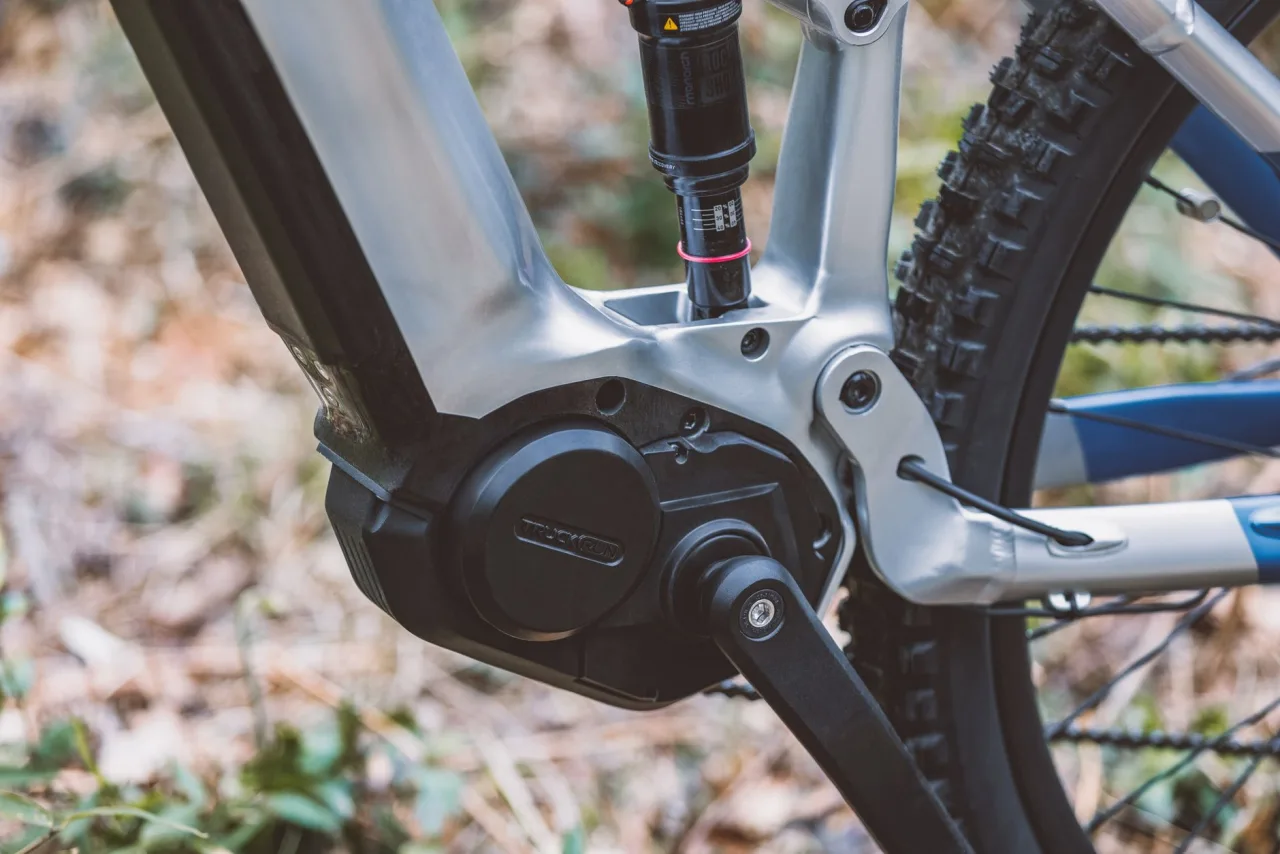
An electric mountain bike, or eMTB, adds a motor and battery to a capable trail bike so you climb faster, ride longer, and fit more descents into every outing. It is not a shortcut that removes the effort, it is an amplifier that changes what a day on the trails can look like. This complete guide explains how eMTBs work, the types and classes, what to look for, and how to choose one that suits your riding.
The short version
- An eMTB uses pedal-assist: the motor multiplies your effort rather than replacing it, and assistance cuts off at a set speed.
- Full-suspension eMTBs handle rough descents, while hardtails are lighter, cheaper, and simpler to maintain.
- Range depends on battery capacity, assist level, terrain, and rider weight, so published figures are best-case. Confirm with a test ride.
- eMTBs cost more than comparable non-electric mountain bikes and need a shop that can service the drive system.
How an electric mountain bike works
An eMTB is a mountain bike with an electric pedal-assist system. Sensors detect that you are pedaling and how hard, and a mid-drive motor adds proportional power. Crucially, the assistance is not a throttle you twist and coast on: on most trail eMTBs the motor only helps while you pedal, and it tapers off once you reach a set speed. In the EU, standard pedelecs are limited to 250 W of continuous motor power, with assistance cutting out once the bike reaches 25 km/h, roughly 15.5 mph. Faster S-pedelecs exist with more powerful motors but face stricter rules and are less common on trails.
The result on the trail is that climbs you used to grind up become approachable, you recover between efforts, and you can lap a descent several times in the time one used to take. It broadens who can ride technical terrain and how much of it they can enjoy in a session. For the wider picture of electric bikes beyond the trail, see our electric bike guide.
Motor and battery basics
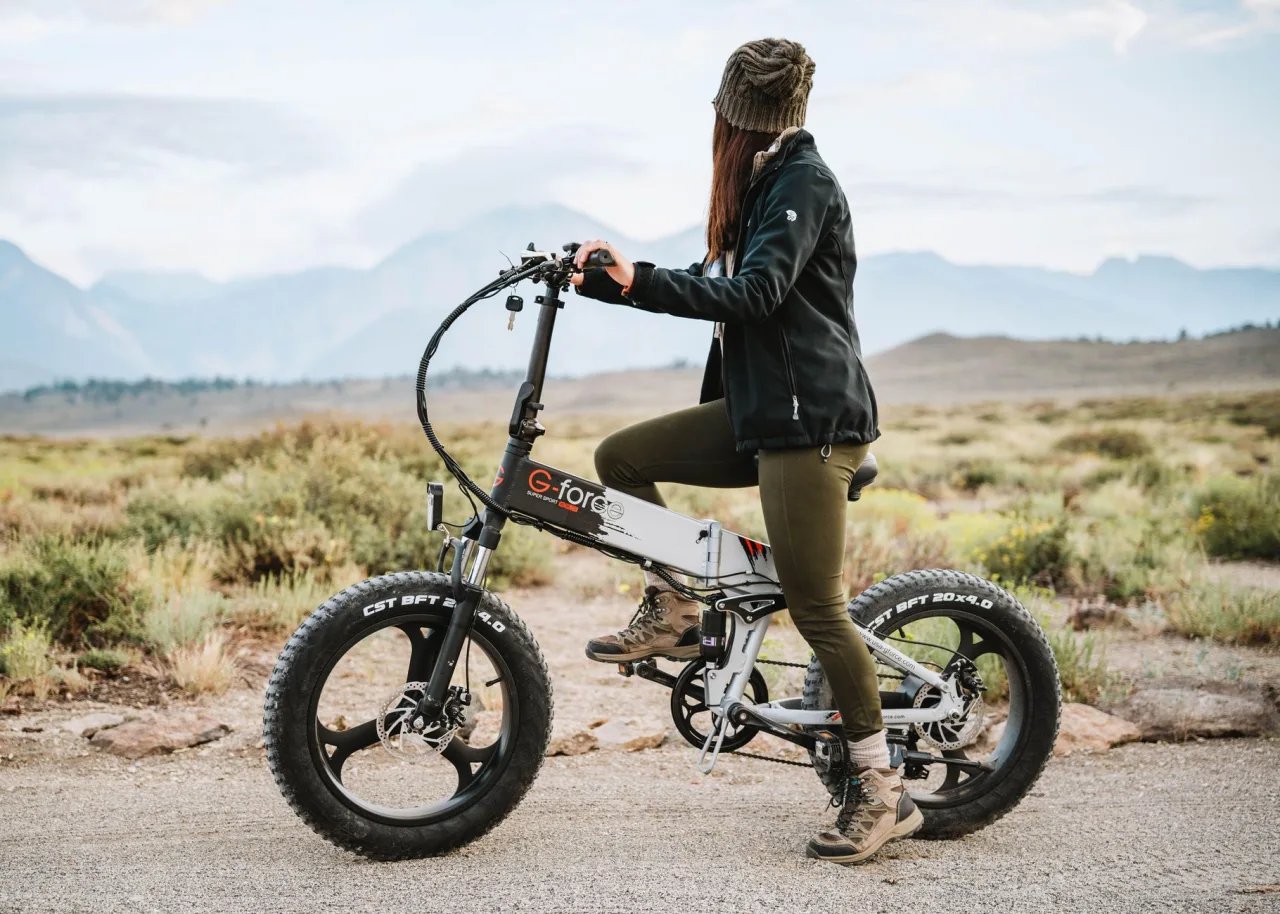
Two components define an eMTB's character:
- Motor: trail eMTBs almost always use a mid-drive motor mounted at the cranks, which centers weight low and lets the motor use the bike's gears efficiently. Motors are rated by power and by torque, and torque, measured in newton meters, is what you feel on steep climbs.
- Battery: capacity is measured in watt-hours. More watt-hours means more range but also more weight and cost. Many bikes offer removable batteries for easier charging and optional range extenders.
Because the motor and battery are the most expensive and complex parts, they are also where servicing gets specialized. That is a strong reason to buy from a shop that is an authorized dealer for the motor brand.
Full suspension versus hardtail
Mountain bikes come with different suspension setups, and the choice matters even more on an eMTB because the extra speed and weight put more demand on the bike:
- Full suspension: both front and rear suspension. Best for technical, rough, and fast descents. More comfortable and capable, but heavier, pricier, and needs more maintenance.
- Hardtail: front suspension only. Lighter, cheaper, simpler to maintain, and efficient on smoother trails and climbs. A great value entry into eMTBs.
If most of your riding is smoother trails and fire roads, a hardtail eMTB is excellent value. If you ride rocky, rooty, technical descents, full suspension earns its cost. Our mountain bike guide covers suspension in more depth, and our electric MTB guide digs into specs and model comparisons.
Wheel sizes and geometry
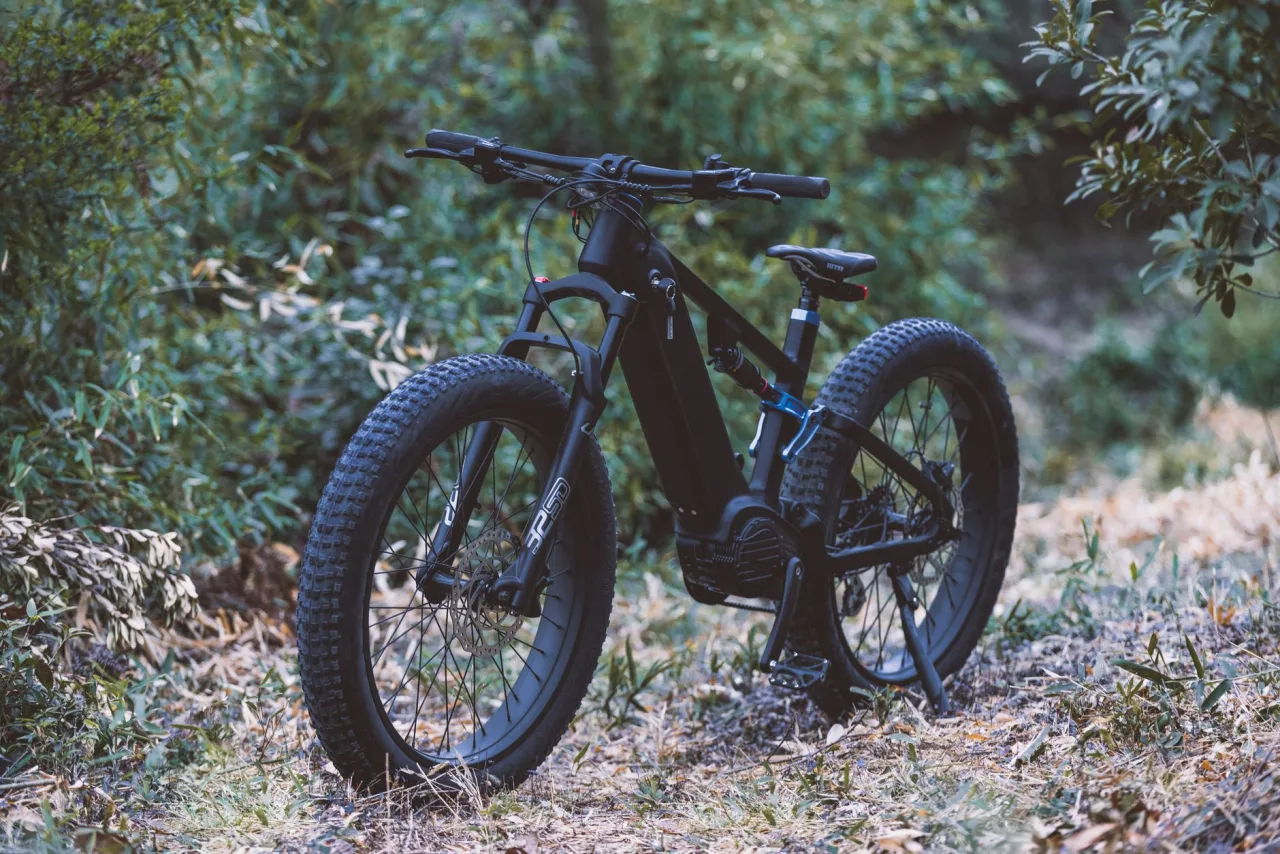
Modern mountain bikes have largely moved on from the original 26-inch wheel. Today most trail bikes use 29-inch wheels, which roll over obstacles well and carry speed, or 27.5-inch wheels, sometimes called 650B, which are more nimble and playful. Some bikes even mix a larger front and smaller rear wheel. On an eMTB the added grip and stability of larger wheels pairs naturally with the extra speed the motor provides.
Tip: torque matters more than top-end power for climbing
- When comparing eMTBs for hilly terrain, look at the motor's torque figure in newton meters rather than just its wattage. Higher torque delivers stronger, smoother assistance on steep, slow climbs, which is where an eMTB really earns its keep.
Understanding range
Range is the question every buyer asks and the hardest to answer honestly, because it depends on many variables:
- Battery capacity in watt-hours, the single biggest factor.
- Assist level: the highest support mode drains the battery far faster than eco mode.
- Terrain and elevation: steep climbs use dramatically more energy than flat trails.
- Rider and cargo weight, temperature, and tire choice all play a part.
Manufacturer range figures are best-case numbers. Treat them as an optimistic ceiling, and if range is critical, ask about range extenders and plan routes conservatively until you know your real-world numbers. A test ride on terrain like yours tells you more than any spec.
What an eMTB costs and how to buy
eMTBs carry a clear premium over comparable non-electric mountain bikes because of the motor, battery, and stronger frames and brakes needed to handle the extra weight and speed. Prices vary widely by brand, spec, and region, so use ranges as a guide and confirm current numbers locally. As a rough map, entry-level eMTBs start in the low thousands, mid-range full-suspension models sit higher, and premium builds run well up from there.
Because of the specialized drive system, where you buy matters. Prioritize a shop that is an authorized dealer for the motor brand, offers test rides, and can service the battery and motor over the bike's life. Our bike shop near me guide explains how to find and vet one, and for a broader cost breakdown across e-bikes, see our electric bike price guide. If you are comparing specific brands, our Cube e-bike guide is a useful reference point.
Before you buy: check local rules
- eMTB access varies by trail and region. Some trails welcome pedal-assist bikes, others restrict them. Check the rules for the trails you ride, and confirm your bike's class meets local requirements, before you commit.
Maintenance and battery care
An eMTB needs the same mechanical care as any mountain bike, plus attention to the electric system. The extra speed and weight mean drivetrains, brakes, and tires wear faster, so more frequent checks pay off. For the battery, a few habits extend its life:
- Store it partially charged rather than full or empty for long periods, and keep it out of extreme heat and cold.
- Use the charger that came with the bike, and let a hot battery cool before charging.
- Keep the contacts clean and dry, and follow the maker's guidance on cleaning around the motor.
- Avoid pressure-washing the motor and battery area directly.
Batteries lose capacity slowly over years and charge cycles, which is normal. When range eventually drops noticeably, a replacement battery restores it, so factor that long-term cost into ownership. Routine drive-system service, including software updates on some systems, is best handled by an authorized dealer. It is also worth checking your warranty terms early, since motor and battery coverage often differs from the frame warranty, and keeping proof of regular servicing can protect a future claim.
Frequently asked questions
Do you still get exercise on an electric mountain bike?
Yes. Most trail eMTBs use pedal-assist, meaning the motor only helps while you pedal and multiplies your effort rather than replacing it. Assistance also cuts off at a set speed. You still work, but you cover more ground, climb more, and can ride longer, which many riders find keeps them active more often.
How far can an electric mountain bike go on one charge?
It depends on battery capacity in watt-hours, the assist level you use, terrain and elevation, and rider weight. Manufacturer range figures are best-case, so treat them as an optimistic ceiling. If range matters, ask about range extenders and confirm real-world range with a test ride on terrain like yours.
Should I get a hardtail or full-suspension eMTB?
Choose a hardtail, with front suspension only, if you ride smoother trails and want lower cost, less weight, and simpler maintenance. Choose full suspension, with front and rear, for rocky, rooty, technical, and fast descents where comfort and control matter more, accepting the higher price and upkeep.
How fast does an electric mountain bike go?
On most trail eMTBs the motor assists up to a set limit, then tapers off. In the EU, standard pedelecs are limited to 250 W with assistance cutting out at 25 km/h, about 15.5 mph. You can pedal faster than that under your own power, but the motor stops helping beyond the limit. Rules vary by region.
Can any bike shop service an eMTB?
Not always. The motor, battery, and controller often need brand-specific tools and training, so drive-system service usually routes through an authorized dealer for that motor brand. Many shops can still handle the mechanical parts like brakes, tires, and drivetrain, but buy from a shop that can support the whole bike.
More guides on Electric Bikes
Have a question or a topic to suggest?
We read every message. Tell us what you would like to see next on the blog.
Get in touchYou may also like
Electric MTB: The Complete Guide
An electric MTB extends your legs, not replaces them. Learn the motor types, e-bike classes, suspension, battery range, and how to pick the right trail eMTB.
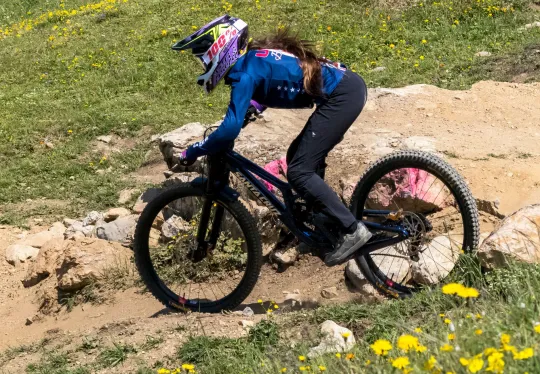
Mountain Bike: The Complete Guide
Everything you need to choose a mountain bike: the main types, wheel sizes, key components, how to pick your first bike and the gear and care that keep it running.
Electric Bike: The Complete Guide
Everything you need before buying an e-bike: how the motor and classes work, hub versus mid-drive, battery range, the main types, and what a good electric bike really costs.