Electric Bikes · Electric Bikes
Electric Bike for Adults: Guide
Types, legal classes, range and fit: how to choose the right everyday e-bike as an adult rider.
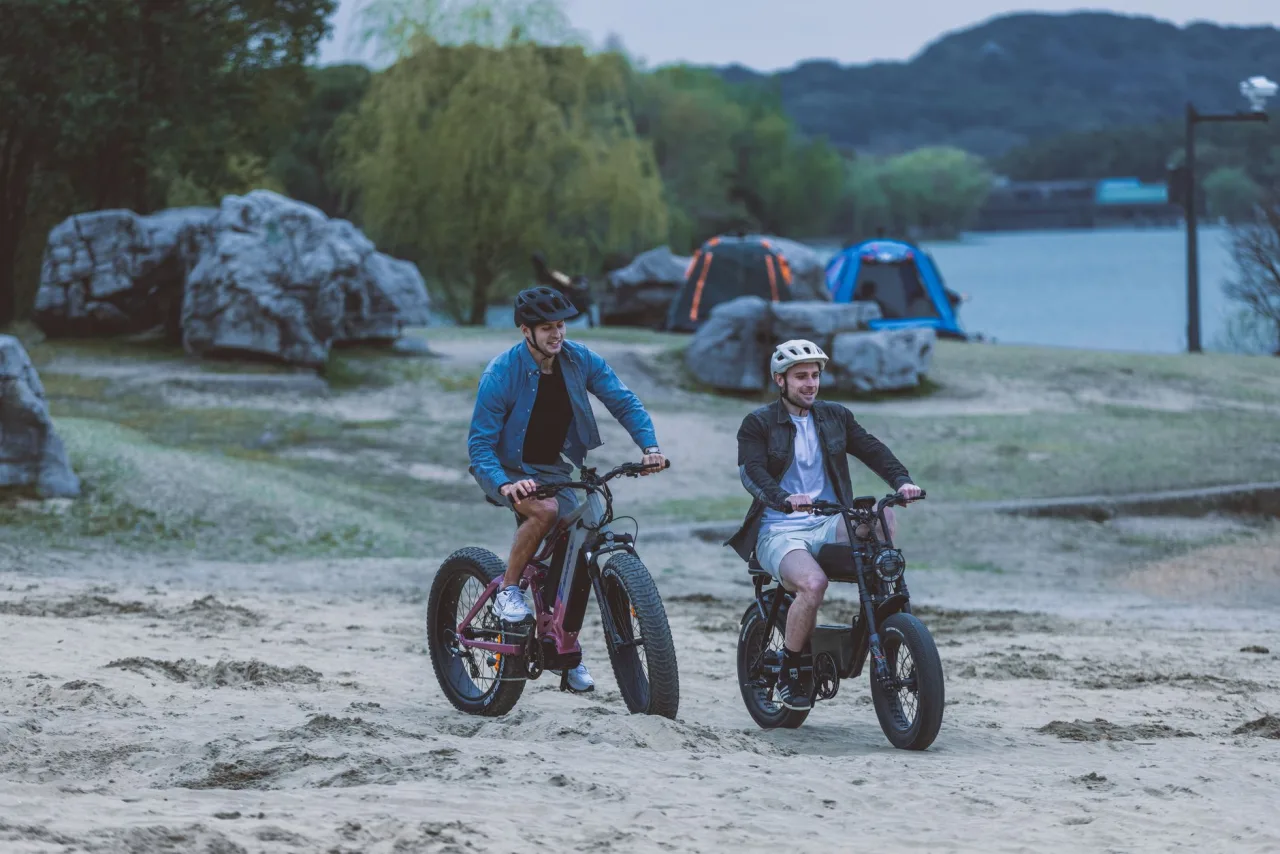
An electric bike for adults is one of the most practical purchases in cycling: it flattens hills, shortens commutes and makes riding accessible again after years away from the saddle. This guide walks through the types, the legal classes, how to choose the right fit, what to budget, and how to buy with confidence.
The short version
- An adult e-bike is a normal bicycle with a motor that assists you as you pedal, up to a legal speed limit.
- Legal classes matter. In the EU a standard pedelec assists to 25km/h with a 250W motor. The US uses a three-class system, with Class 3 limited to about 750W and 28mph.
- Match the type to your riding: commuter, folding, mountain or cargo. Fit and battery range matter more than headline power.
- Budget realistically and buy from a supported seller. Prices vary widely by region, so confirm locally.
What is an electric bike for adults
An electric bike for adults is a bicycle fitted with a battery and motor that add assistance while you pedal. You still ride it like any bike, but the motor makes hills easier, extends your range and takes the sting out of headwinds and heavy loads. The point is not to replace effort entirely, but to make riding achievable and enjoyable for more people, more often.
That accessibility is why e-bikes have grown so fast. They bring cycling within reach of commuters who arrive sweaty, older riders rebuilding fitness, and anyone facing hilly terrain. For the full picture of how the technology works, our complete electric bike guide is the companion to this one, and our real-world look at the electric bike price in 2026 covers what things actually cost.
Understanding the legal classes
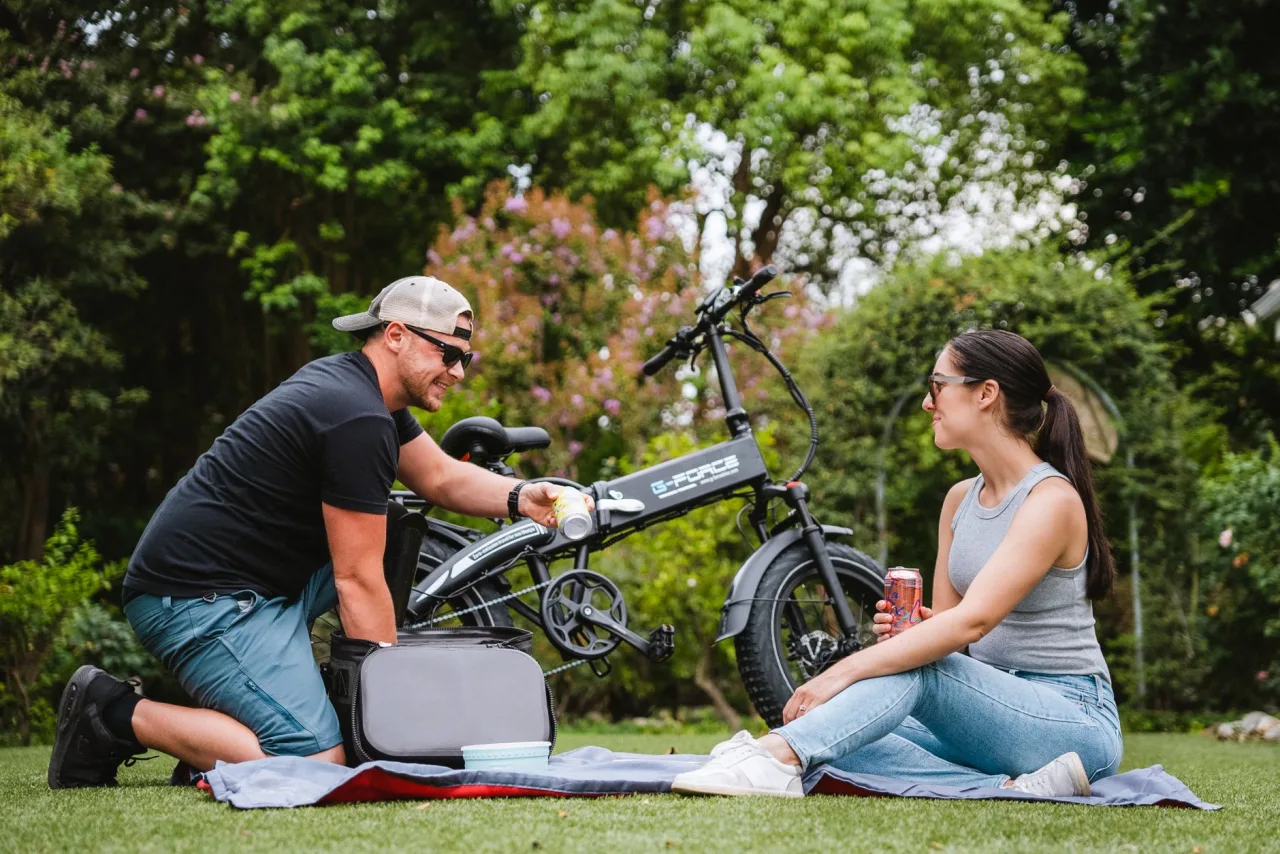
Before you buy, understand how e-bikes are regulated where you live, because it affects where you can legally ride. The rules differ by region, so always confirm your local laws.
- European Union: a standard pedelec has a motor of up to 250W of continuous rated power, provides assistance only while you pedal, and cuts assistance once you reach 25km/h. A gentle walk-assist function is allowed up to 6km/h. More powerful S-pedelecs exceed these limits and are treated more like mopeds.
- United States: many states use a three-class system. Class 1 provides pedal assist up to about 20mph, Class 2 adds a throttle up to about 20mph, and Class 3 provides pedal assist up to about 28mph. Class 3 e-bikes are limited to around 750W. Laws still vary by state, so check yours.
The practical takeaway is simple: a legal, pedal-assist adult e-bike is welcome in far more places than a throttle-heavy or high-power machine. If you want maximum legal access to roads and paths, staying within your local class limits is the way to do it. This is very different from an off-road-only electric dirt bike, which is a motorcycle rather than a bicycle.
Note: Class rules and speed limits vary by country and even by state or region. The figures here are common reference points, not a substitute for checking the specific law where you ride.
Types of adult e-bike
Choosing the right style matters more than chasing specifications. The main types are:
- Commuter and city e-bikes: practical all-rounders with an upright position, mudguards, lights and a rack. The default choice for getting around town.
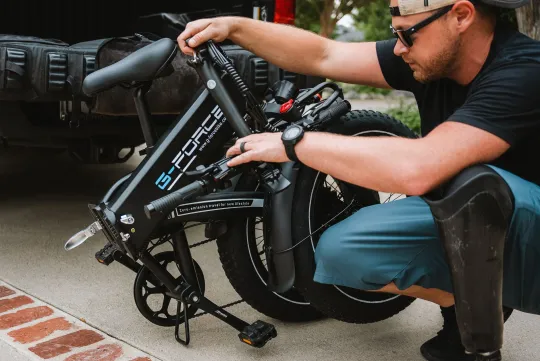
- Folding e-bikes: compact machines that fold for storage or mixed-mode travel. See our folding electric bike guide and the closely related foldable electric bike overview.
- Electric mountain bikes: trail-focused e-bikes with suspension and grippy tyres, covered in our electric mountain bike guide.
- Cargo e-bikes: built to carry loads or passengers, with strong motors and reinforced frames.
Established dealer brands such as Cube sit alongside direct-to-consumer names. If you are cross-shopping, our guides to the Cube ebike, the Aventon electric bike and the Lectric e-bike compare popular options.
Motors, batteries and range
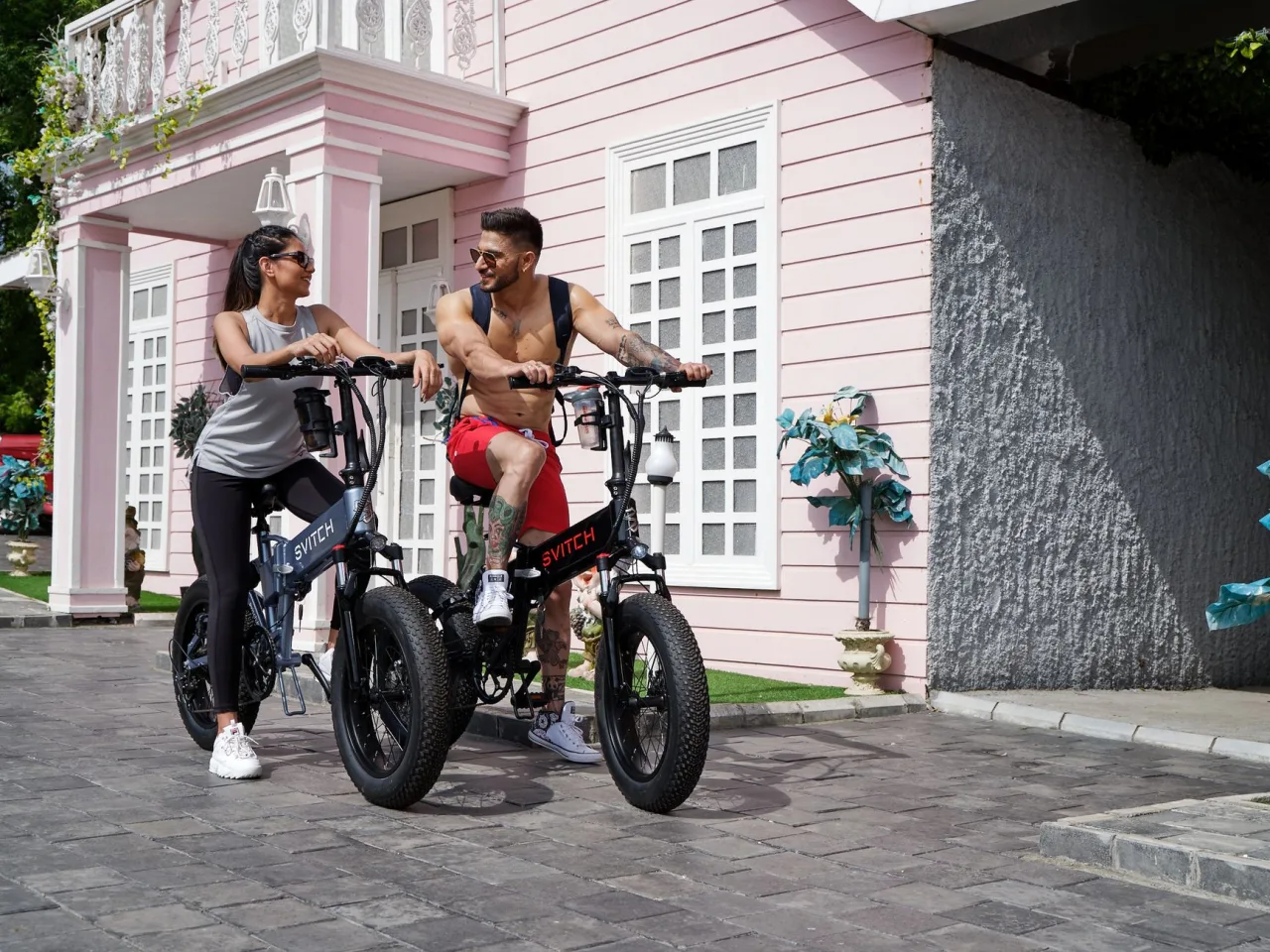
Two systems define how an e-bike rides. The motor is either a hub motor in a wheel or a mid-drive motor at the cranks. Mid-drives sit low and central for balance and climb well, while hub motors are often cheaper and simpler. The battery, measured in watt hours, determines range: more watt hours means more distance.
Be realistic about range claims, because they are best-case figures. Your real distance falls with more assistance, hills, heavier loads, higher speeds, cold weather and lower tyre pressure. A sensible plan is to assume you will get noticeably less than the headline number and choose a battery with a comfortable margin for your longest regular ride. If you can charge at both ends of a commute, you need less capacity than someone doing one long loop.
Look, too, at how the assistance is delivered, because it shapes the ride as much as raw power. A torque sensor measures how hard you press the pedals and responds proportionally, which feels natural and intuitive. A simpler cadence sensor just detects that you are pedalling and switches assistance on, which can feel more abrupt. Most quality adult e-bikes now use torque sensing, and it is a feature worth prioritising on a test ride, since it makes the bike feel like an extension of your own legs rather than a switch you flick on and off.
Fit, comfort and choosing the right bike
The best e-bike for you is one that fits and suits your riding, not the one with the biggest numbers. Prioritise in this order:
- Fit: the right frame size and riding position prevent aches and give control. Test ride if you can.
- Purpose: honestly match the type to how you will actually ride, whether that is commuting, leisure or trails.
- Range: enough battery for your real journeys, with a margin.
- Support: a seller who can size, service and back up the bike.
Weight is worth considering too, since e-bikes are heavier than regular bikes, which matters if you carry it upstairs or onto public transport. For older riders or anyone returning to cycling, a step-through frame and an upright position make mounting and control much easier. If budget is tight, our roundup of the best cheap electric bikes shows what good value looks like, and the general electric cycle guide covers the wider category.
What does an adult e-bike cost and where to buy
Prices vary widely by type, brand, spec and region, so treat these as broad ranges and confirm locally. Budget commuter and folding e-bikes generally start in the mid hundreds to low thousands. Mid-range models with better motors, batteries and components sit higher, and premium e-MTBs and cargo bikes cost considerably more.
Wherever you buy, prioritise support. A local dealer offers fit, servicing and warranty help, while a good direct brand can offer value if you are comfortable with self-assembly and remote support. Whichever route you take, ask specifically about the battery and motor warranty terms, since those are the costliest parts to replace and the coverage often differs from the frame. Either way, buy from a reputable seller so you get firmware updates, spare parts and a valid warranty. Our advice on finding a trusted local bike shop helps you choose. Finally, budget for a good helmet and a strong lock, since e-bikes are theft targets and worth protecting.
Tip: Test ride at least two different styles before deciding. An upright commuter and a sportier model feel completely different, and a short ride reveals which position suits your body and your routes.
Frequently asked questions
How fast does an electric bike for adults go?
It depends on the legal class. In the EU a standard pedelec assists up to 25km/h. In the US, Class 1 and Class 2 assist up to about 20mph and Class 3 up to about 28mph. Beyond those limits you pedal under your own power. Local laws vary, so check yours.
Do you still get exercise on an e-bike?
Yes. Most adult e-bikes assist you as you pedal rather than doing all the work, so you still exercise. Many riders travel further and ride more often than they would on a regular bike, which can mean more total activity, not less.
What type of e-bike is best for commuting?
A commuter or city e-bike is usually best, with an upright position, mudguards, lights and a rack. If storage or mixed-mode travel is a factor, a folding e-bike can be a better fit. Match the type to your route and how you store the bike.
How far can an adult e-bike travel on one charge?
Range depends on battery capacity, assistance level, terrain, load, weather and speed. Real-world distance is usually well below the best-case claim, so choose a battery with a comfortable margin for your longest regular ride and charge when you can.
How much should I spend on an adult e-bike?
Prices vary by type, brand and region, so confirm locally. Budget commuter and folding models start in the mid hundreds to low thousands, while premium e-MTBs and cargo bikes cost much more. Prioritise fit, adequate range and a supported seller over headline power.
Sources and further reading:
- Electric bicycle on Wikipedia for pedelec rules, class limits, motors and range.
- Bicycle on Wikipedia for general background on bikes and fit.
More guides on Electric Bikes
Have a question or a topic to suggest?
We read every message. Tell us what you would like to see next on the blog.
Get in touchYou may also like
Electric Bike: The Complete Guide
Everything you need before buying an e-bike: how the motor and classes work, hub versus mid-drive, battery range, the main types, and what a good electric bike really costs.
Cube E-Bike: The Complete Guide
A plain-English guide to Cube ebikes: the model families, the motor and battery numbers that matter, realistic pricing and how to buy from a supported dealer.
Folding Electric Bike Guide
A folding electric bike adds power to your commute without needing a shed or a bike rack. Here is how they work, the trade-offs that define them, and what to check before buying.