E-Bike Brands · Electric Bikes
Cube E-Bike: The Complete Guide
How the German brand's electric range is organised, what to pay, and how to choose the right Cube ebike for your riding.
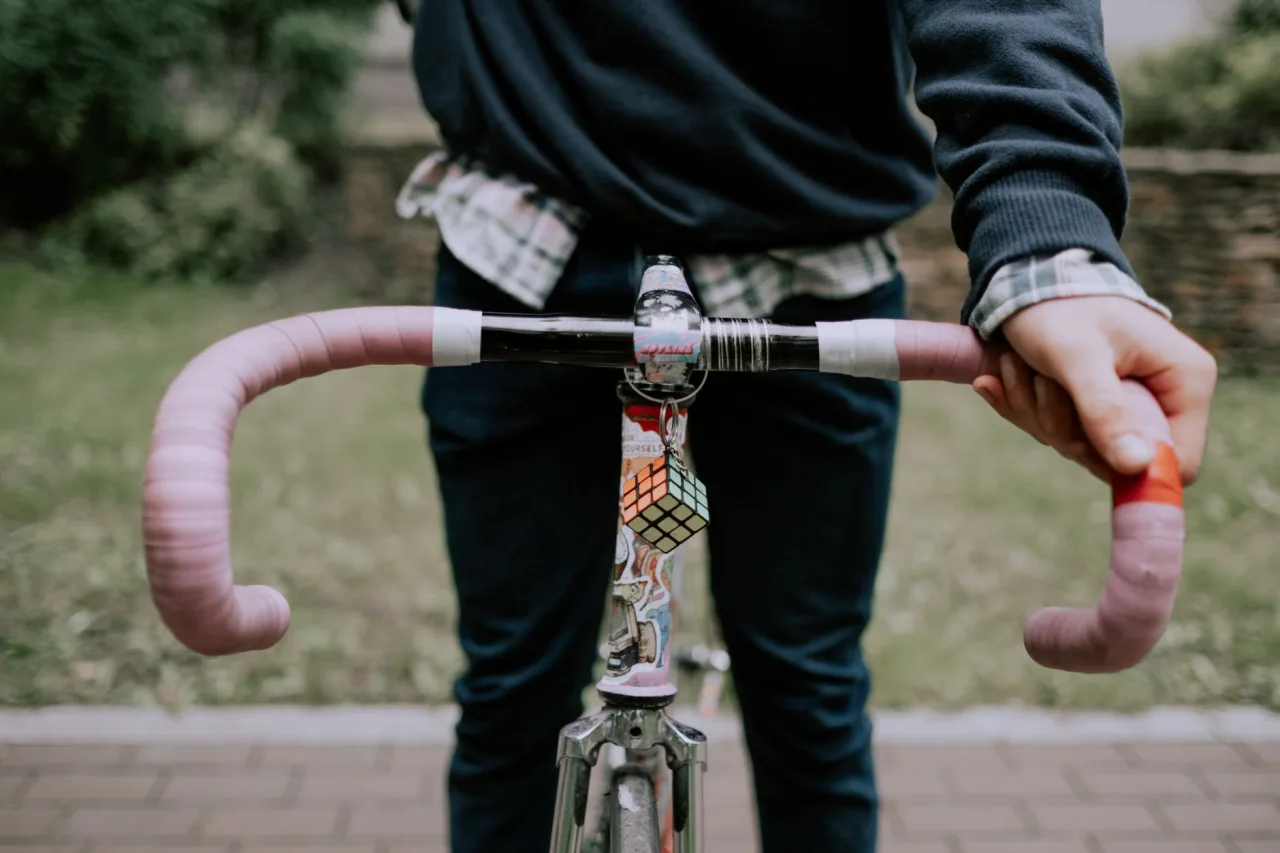
Cube is one of Germany's largest bike brands, and its e-bikes turn up on shortlists for commuting, touring and mountain riding alike. This guide explains what a Cube ebike actually is, how the range is organised, what you can expect to pay, and how to choose the right one without getting lost in spec sheets.
The short version
- Cube is a German manufacturer founded in 1993 in Waldershof, and it builds e-bikes across mountain, trekking, city and cargo styles.
- Most Cube ebikes use a mid-drive motor and an integrated battery, the setup that gives the most natural, balanced ride.
- Prices vary widely by spec and region, but plan roughly on the low thousands for entry models and more for premium builds. Always confirm current pricing locally.
- Buy from an authorised dealer so you get correct sizing, a proper handover and support for firmware, servicing and warranty.
What is a Cube ebike
Cube is a German bicycle manufacturer established in 1993 by Marcus Purner, who started in a small corner of his father's furniture factory in Waldershof, Bavaria. The company has grown into one of the larger European bike brands, selling in more than sixty countries and building a wide catalogue that spans mountain, road, cross, trekking and children's bikes. An "i cube electric bike" or "cube ebike" simply refers to an electric model from this range, where a motor adds assistance while you pedal.
Like most quality e-bikes, Cube's electric models are pedal-assist rather than throttle-only. The motor amplifies your own effort up to a legal speed limit, after which it eases off and you ride under your own power. This is the same principle behind every model in our complete electric bike guide, so if you are new to e-bikes it is worth reading that alongside this one.
How the Cube e-bike range is organised
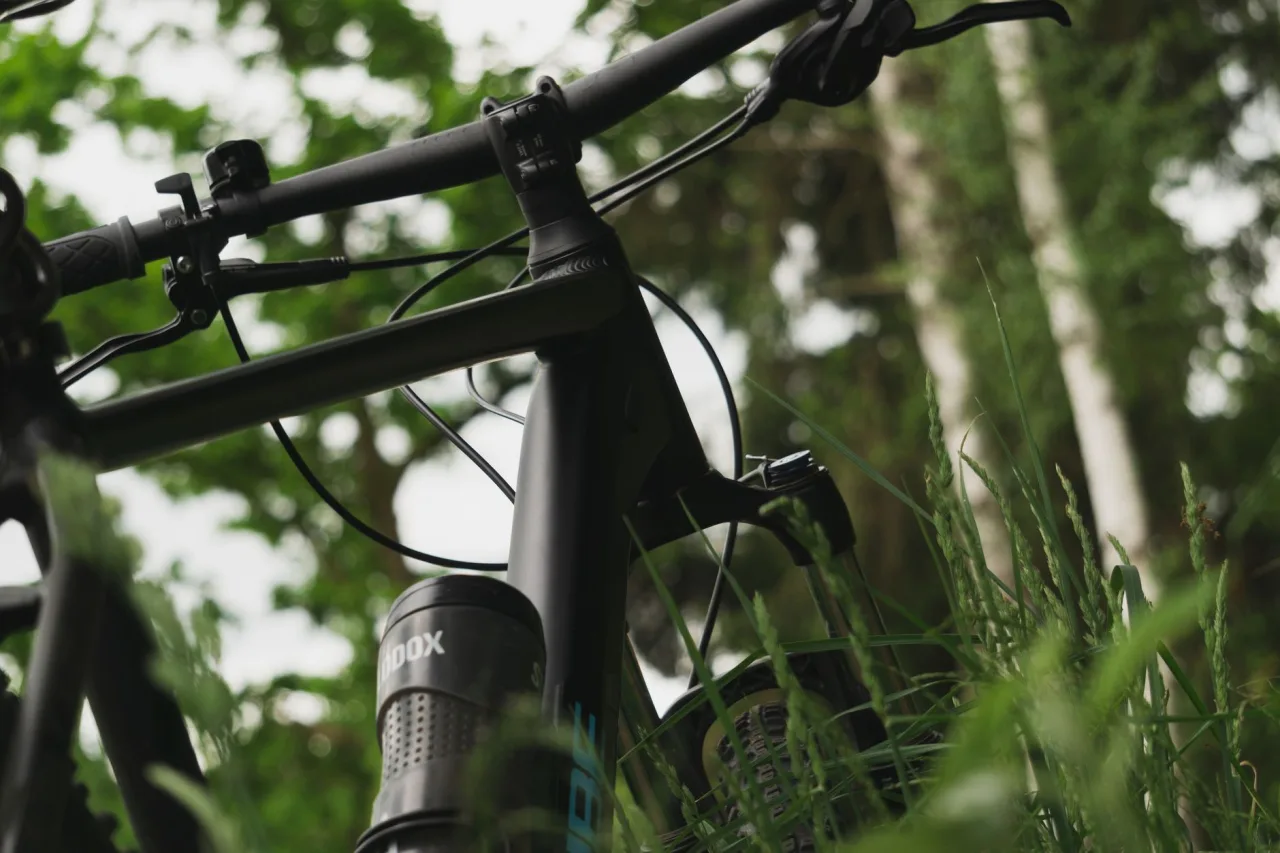
Rather than a single lineup, Cube groups its ebikes by the kind of riding they are built for. Understanding these families is the fastest way to narrow your choice.
- Electric mountain bikes: full-suspension and hardtail e-MTBs designed for trails, with grippy tyres, dropper posts on higher builds and powerful assistance for climbing.
- Trekking and touring e-bikes: the practical all-rounders, usually fitted with mudguards, a rack, lights and a comfortable upright position for commuting and long day rides.
- City and urban e-bikes: lighter, simpler machines for short trips, often with step-through frames for easy mounting.
- Cargo e-bikes: long or compact load carriers for hauling shopping, gear or children, where the motor does the heavy lifting.
Cube frequently uses the word "Hybrid" in its electric model names to signal the motor and battery integration. If you are cross-shopping, our guide to the electric mountain bike and the broader electric MTB category will help you weigh Cube against rivals in the off-road segment.
Tip: Model names and specs change every season. Treat any lineup description as a starting point, then confirm the current year's range and geometry on an authorised dealer's site before you commit.
Motors, batteries and the numbers that matter
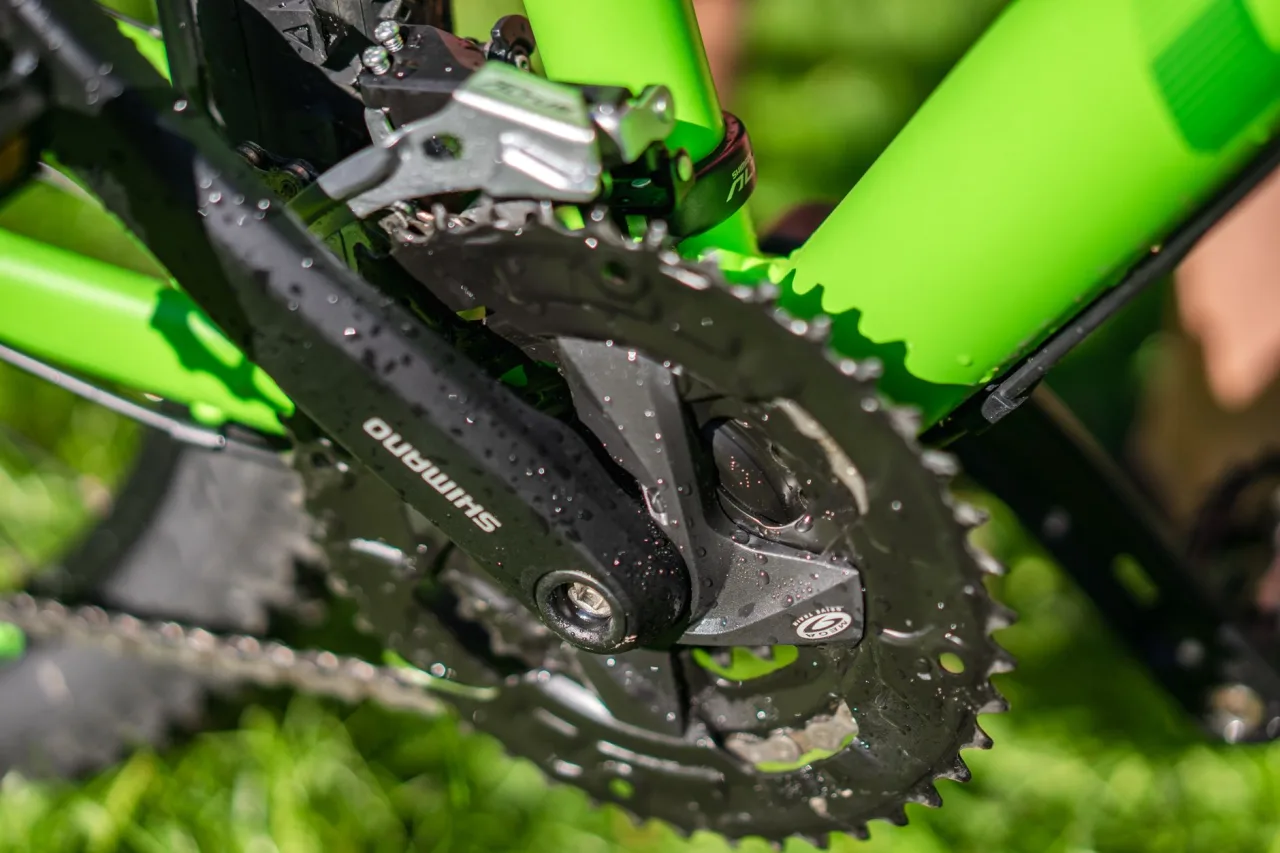
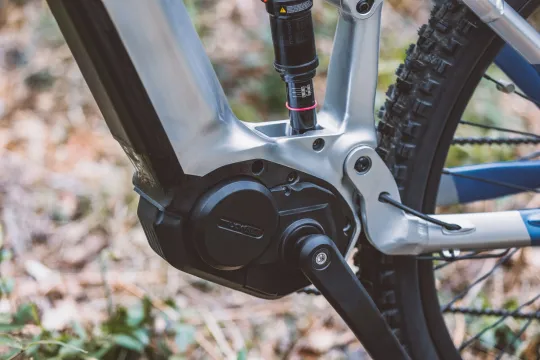
Most Cube ebikes use a mid-drive motor mounted at the cranks. Mid-drives sit low and central, which keeps the bike balanced and lets the motor work efficiently through the gears. This is the layout serious riders generally prefer over a hub motor, especially for hills and loaded touring.
Two numbers drive most buying decisions:
- Torque, measured in newton metres: higher torque means stronger help on steep climbs and from a standstill. City bikes need less, e-MTBs and cargo bikes benefit from more.
- Battery capacity, measured in watt hours: a bigger battery means more range. As a rough rule, more watt hours equals more distance, though the real figure depends heavily on how you ride.
Range claims are always best-case. In the real world your distance falls with more assistance, hilly terrain, heavier loads, cold weather, higher speeds and lower tyre pressure. A sensible approach is to assume you will get meaningfully less than the headline number and size the battery with a margin. For a deeper look at what determines cost across the market, see our breakdown of the electric bike price in 2026.
The display and control system are part of the experience too. Most quality e-bikes pair the motor with a bar-mounted display or a compact remote, letting you switch assistance levels and read speed, range and battery state on the move. Higher builds add app connectivity for firmware updates, ride data and sometimes navigation. None of this changes how the bike rides fundamentally, but a clear, well-placed display makes day-to-day use far more pleasant, so it is worth checking during a test ride rather than treating it as an afterthought.
What does a Cube ebike cost
Pricing shifts with model year, specification, currency and local taxes, so treat everything here as an approximate range rather than a quote. As a general guide, entry-level Cube city and trekking e-bikes tend to start in the low thousands, mid-range trekking and hardtail e-MTBs sit higher, and premium full-suspension or high-capacity builds climb well beyond that. Cargo e-bikes occupy their own bracket because of the reinforced frames and larger batteries involved.
The sensible way to shop is by budget and purpose rather than by chasing the newest model. Decide what you will actually ride, set a ceiling, then find the best-equipped bike within it. If value is your priority, compare against the field in our roundup of the best cheap electric bikes, and always confirm the live price with a dealer before deciding.
Warning: Be cautious of listings far below normal prices, especially from unfamiliar sellers. Grey-import or unofficial stock can leave you without warranty support and firmware updates, which matters a great deal on an electric bike.
Is a Cube ebike right for you
Cube suits riders who want a well-integrated, dealer-supported e-bike and are happy to shop through a proper bike store rather than a direct-to-door brand. The strengths are broad model coverage, established motor systems and a dealer network that can size, service and support the bike over its life.
The trade-offs are worth naming honestly. Dealer-sold European brands are not usually the cheapest option compared with direct-to-consumer names, and availability of a specific model and size can be patchy at busy times of year. If lowest price is your single priority, a direct brand may undercut Cube. If you value fit, service and a bike you can wheel into a shop when something needs attention, that premium often pays for itself.
How to buy and look after one
A good purchase is as much about the shop as the bike. A few practical steps make a big difference:
- Get the size right. Frame fit affects comfort and control more than any spec. A dealer can measure you and let you test ride.
- Ask about the handover. You want the motor set up, the app or display explained and the first service scheduled.
- Confirm warranty terms. Motor, battery and frame often carry different coverage. Get it in writing.
- Plan for servicing. E-bikes have the same wear parts as any bike, plus firmware and battery care, so a local shop relationship is valuable.
Battery care is simple but worth doing: store it in a cool, dry place, avoid leaving it fully flat or fully charged for long periods, and charge with the supplied charger. Add a good lock, since e-bikes are theft targets, and our bike lock guide covers the options. If you would rather buy in person, our advice on how to find a trusted local bike shop walks through choosing a dealer you can rely on.
Frequently asked questions
What is a Cube ebike?
A Cube ebike is an electric bicycle made by Cube, a German bike manufacturer founded in 1993. It adds a motor that assists you while you pedal, and the range covers mountain, trekking, city and cargo styles.
Are Cube ebikes good quality?
Cube is an established European brand that sells through authorised dealers and uses mid-drive motor systems on most of its e-bikes. Quality is generally solid, though the best model for you depends on your budget, your riding and getting the correct size from a good shop.
How much does a Cube ebike cost?
Prices vary widely by model, specification and region, so confirm current pricing locally. As a rough guide, entry city and trekking models start in the low thousands, while premium full-suspension and cargo builds cost considerably more.
How far can a Cube ebike go on one charge?
Range depends on battery capacity, the level of assistance you use, terrain, load, weather and speed. Real-world distance is usually well below the best-case claim, so choose a battery with a comfortable margin for your typical rides.
Where should I buy a Cube ebike?
Buy from an authorised Cube dealer so you get correct sizing, a proper handover, firmware support and valid warranty cover. Be wary of unusually cheap listings from unfamiliar sellers, which may be unofficial stock without support.
Sources and further reading:
- Cube Bikes on Wikipedia for company history and product range.
- Electric bicycle on Wikipedia for how pedal assist, motors and batteries work.
More guides on Electric Bikes
Have a question or a topic to suggest?
We read every message. Tell us what you would like to see next on the blog.
Get in touchYou may also like
Electric Bike: The Complete Guide
Everything you need before buying an e-bike: how the motor and classes work, hub versus mid-drive, battery range, the main types, and what a good electric bike really costs.
Electric Mountain Bike Guide
How electric mountain bikes work, motor and battery basics, hardtail versus full suspension, real-world range, costs, and how to buy and maintain an eMTB.
Electric Bike for Adults: Guide
A practical guide to choosing an electric bike for adults: legal classes, the main types, motors and range, fit and how much to budget.