E-Bike Basics · Electric Bikes
Electric Cycle: The Complete Guide
Types, motors, batteries, prices, and a buyer's checklist for choosing an e-bike that fits your riding.
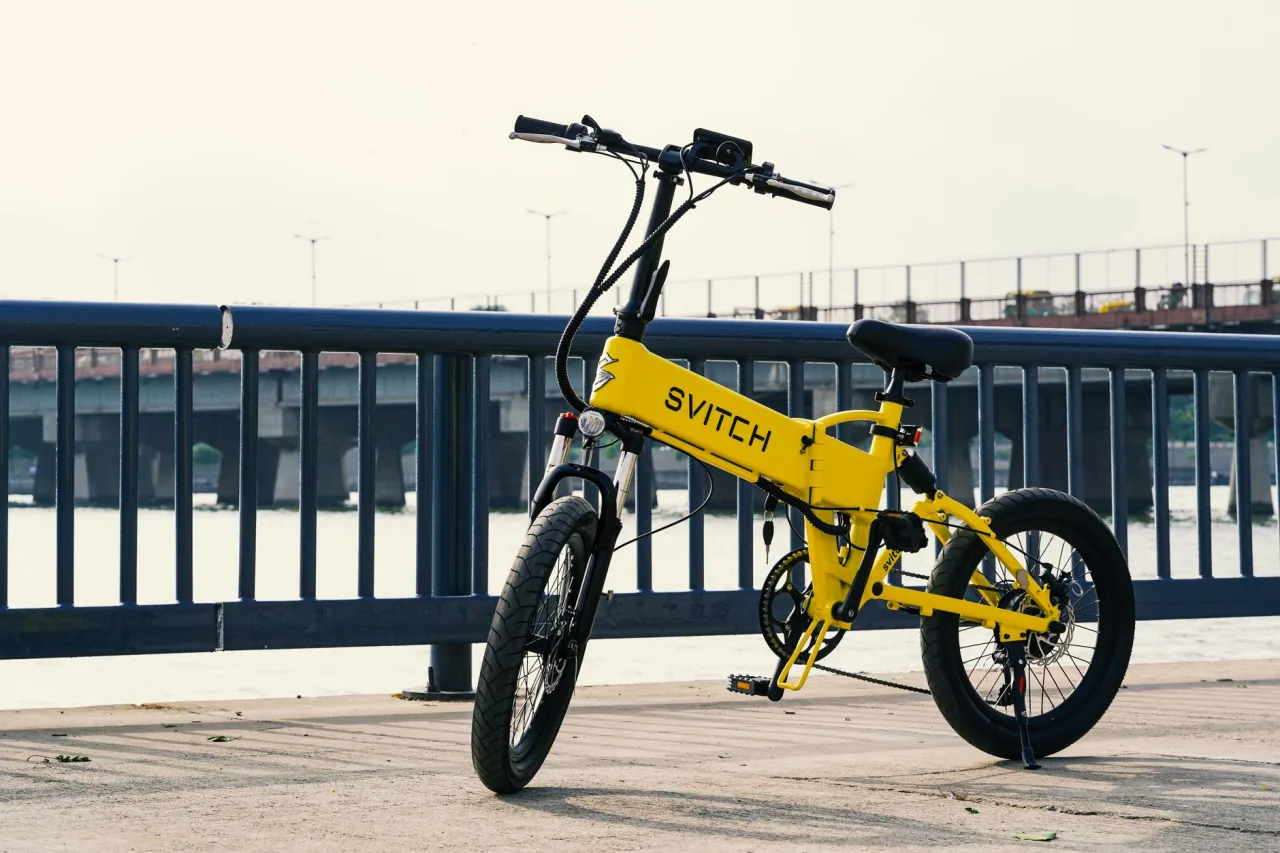
An electric cycle is simply a bicycle with a battery, a motor, and a controller that add power to your pedaling. It looks and rides like a normal bike, but the assist flattens hills, shrinks headwinds, and turns a sweaty commute into an easy one. This guide explains the types, the parts that matter, realistic prices, and how to pick the right one.
The short version
- Electric cycles come in pedal-assist (pedelec) and throttle styles. Pedal-assist feels the most natural and is treated as a bicycle in most places.
- The four things that decide the ride are motor placement, battery capacity, class rating, and frame type.
- Budget commuters start around the low four figures, mid-range models sit higher, and premium builds climb well beyond that. Prices vary by region and spec, so confirm locally.
- Buy from a shop that services what it sells. Battery support and firmware updates matter more than a slightly lower sticker price.
What an electric cycle actually is
An electric cycle, often called an e-bike, is a conventional bicycle fitted with an electric drive system. You still pedal, but a motor adds torque so each stroke goes further. The system has three core parts: a battery that stores energy, a motor that converts it to motion, and a controller with sensors that decides how much help to give. Everything else, the frame, brakes, gears, and wheels, is standard bicycle hardware.
According to Wikipedia's overview of electric bicycles, most pedelecs use a motor limited to around 250 watts in Europe, with assistance tapering off near 25 km/h, while many United States Class 3 models are capped around 750 watts. Those numbers explain a lot about how a given bike will feel and where you are allowed to ride it.
If you are weighing an electric cycle against a regular one, our complete electric bike guide covers the broader category, and this page focuses on choosing well.
Pedal-assist versus throttle
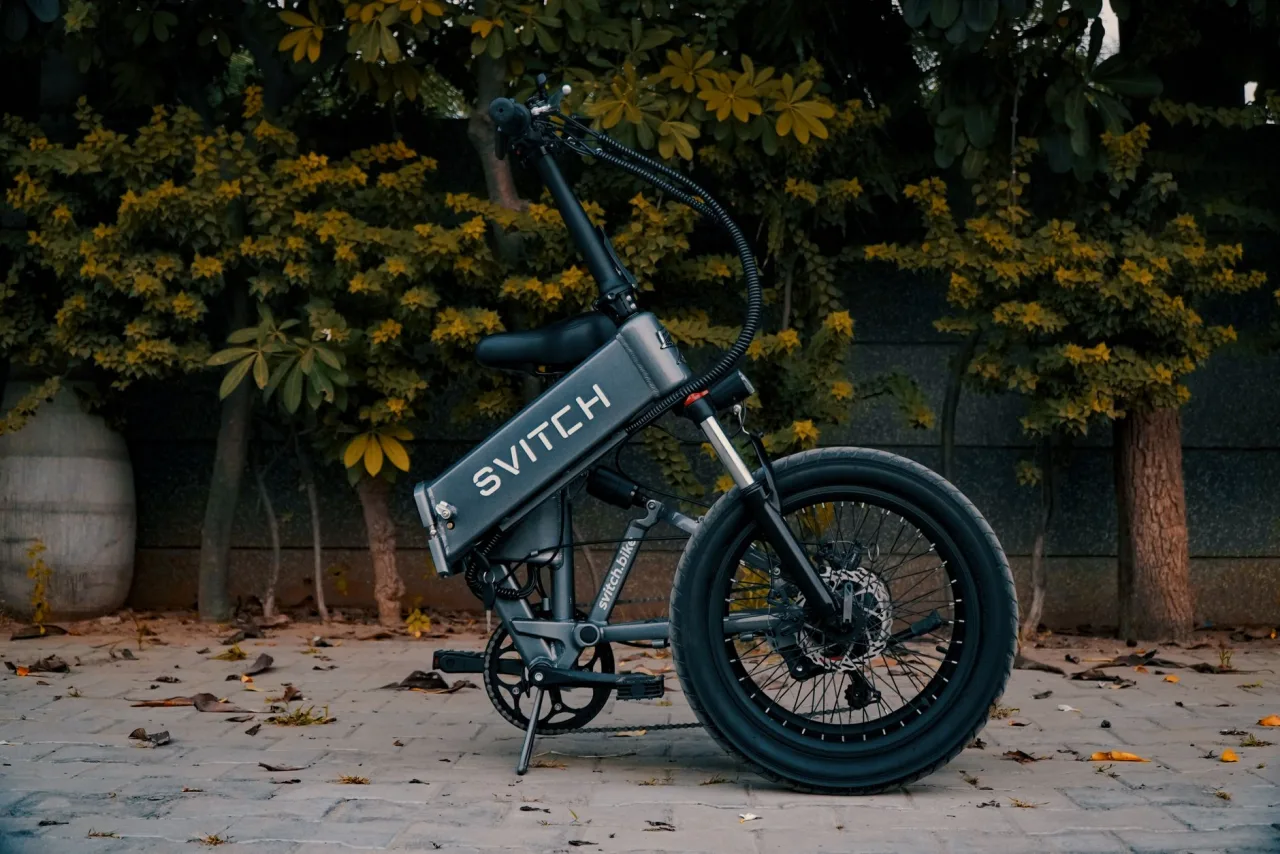
There are two ways the motor delivers power, and the difference shapes the whole ride.
- Pedal-assist (pedelec): the motor engages only when you pedal, matching your effort through a cadence or torque sensor. Torque sensors feel especially natural because power rises and falls with how hard you push. This is the style most jurisdictions legally treat as a bicycle.
- Throttle (power on demand): a twist grip or thumb lever sends power without pedaling, like a scooter. It is handy for pulling away from a stop with a load, but it drains the battery faster and can push a bike into a stricter legal class.
Many bikes offer both. If you mostly want fitness and a natural feel, prioritize a good torque sensor. If you carry cargo or have knee issues, a throttle is a genuine convenience.
The four things that decide the ride
Ignore marketing adjectives and focus on these four specs.
- Motor placement. Hub motors sit in a wheel and are quiet, simple, and cheaper. Mid-drive motors sit at the cranks, drive through the chain, and climb better because they use your gears. Mid-drives usually cost more and are the choice for hilly terrain.
- Battery capacity. Measured in watt-hours (Wh), this is your range tank. A rough rule is that more Wh means more distance, but real range depends on assist level, rider weight, terrain, and wind. Treat the advertised range as a best case.
- Class rating. Class 1 is pedal-assist to about 20 mph, Class 2 adds a throttle at the same cap, and Class 3 assists to about 28 mph. Trails and bike paths often allow Class 1 only, so match the class to where you will ride.
- Frame type. Step-through frames are easy to mount, commuter frames balance comfort and speed, and folding frames suit small apartments and mixed transit. See our folding electric bike guide if storage is tight.
Tip: match range to your real week, not your fantasy weekend. Add up your longest normal round trip, then pick a battery with comfortable headroom above it. Buying far more capacity than you use adds weight and cost you will feel on every ride.
What an electric cycle costs
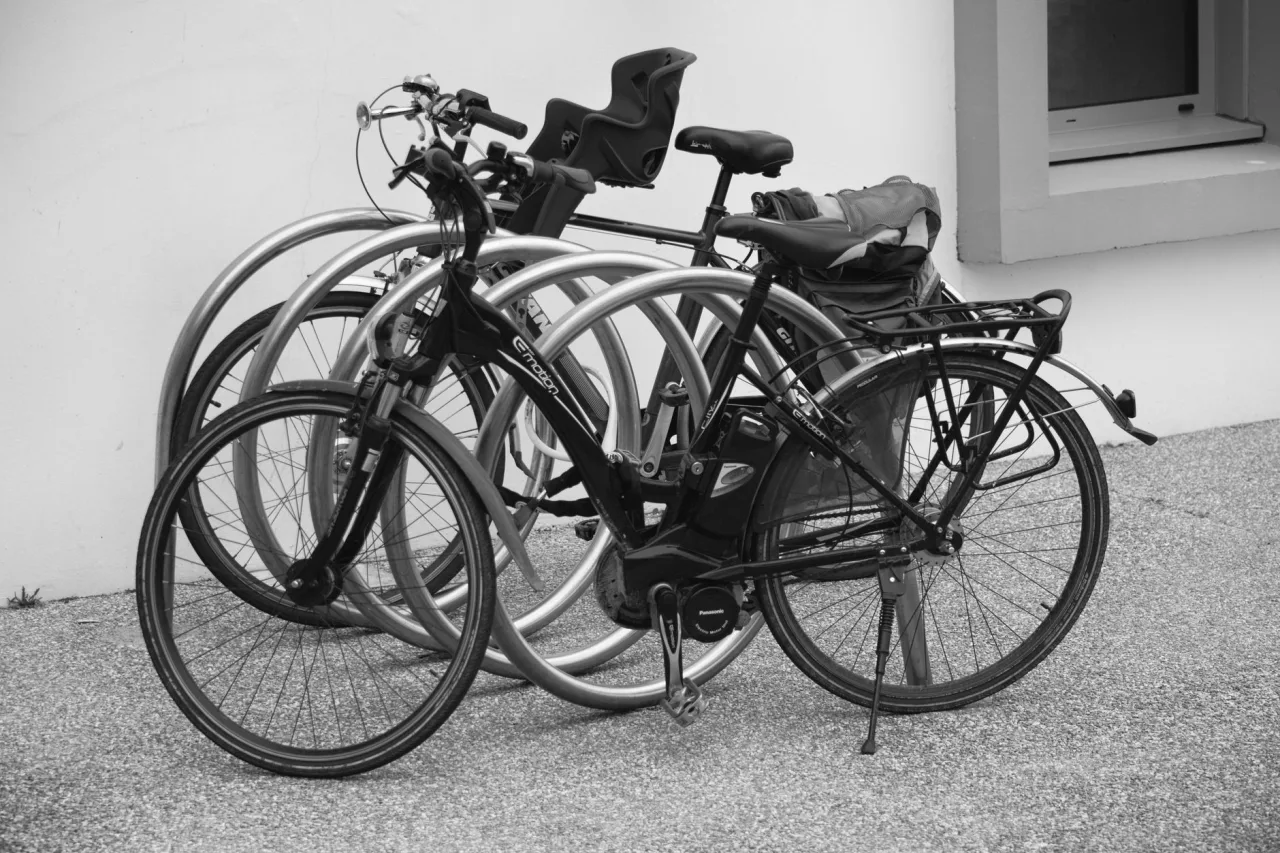
Prices move with components, brand, and region, so treat these as ranges and confirm locally before you buy.
- Entry level: low four figures. Expect a hub motor, a basic display, and honest but unremarkable parts. Fine for flat commutes.
- Mid range: a meaningful step up, usually a torque sensor, better brakes, and a bigger battery. This is the sweet spot for most riders.
- Premium: mid-drive systems from established suppliers, integrated batteries, and hydraulic disc brakes. Worth it for hills, heavy use, or long distances.
For a deeper breakdown of what drives the numbers, see our electric bike price guide. If budget is the main constraint, the best cheap electric bike picks show what to expect at the lower end.
Battery care and range
The battery is the most expensive part and the one most affected by how you treat it. Lithium-ion packs, now standard, prefer moderation.
- Store and charge at room temperature. Extreme heat and deep cold both shorten pack life.
- For daily use, topping up before you hit empty is gentler than always running the pack flat.
- Charge with the supplied charger. Mismatched chargers are a real fire risk.
- If you store the bike for months, leave the pack partly charged rather than full or empty.
Range is a moving target. Higher assist levels, hills, headwinds, low tire pressure, and a heavier load all pull the number down. A modest, consistent assist level stretches distance more than any accessory.
The cluster around this bike
Electric cycle is a broad umbrella. The right subtype depends on your priorities. High-power off-road machines like the Sur-Ron e-bike sit at the extreme end and are closer to light electric motorcycles. If you want raw trail capability, the Xtreme bike guide covers high-performance off-road builds. Whichever direction you go, the right cycling gear makes the bike safer and more comfortable.
How to buy well
Test ride before you commit. Ten minutes tells you more than ten reviews. Pay attention to how the assist ramps in, how the brakes feel at speed, and whether the frame size actually fits. Ask who services the motor and battery, and how warranty claims are handled. A good local shop is worth a premium because e-bikes need occasional firmware updates and eventually battery support. If you are choosing between stores, our guide on how to find a trusted local bike shop lays out the criteria that separate a good shop from a box mover.
Warning: watch the total weight. Many electric cycles weigh far more than a standard bike. If you will carry it up stairs or lift it onto a rack, check the weight in person. A bike you cannot manage off the road is one you will ride less.
Frequently asked questions
Do you still have to pedal an electric cycle?
On a pedal-assist model, yes, the motor only helps while you pedal. Throttle models can move without pedaling, but pedaling almost always extends range and feels more natural. Most riders pedal most of the time and let the motor take the sting out of hills and distance.
How far can an electric cycle go on one charge?
It depends on battery capacity, assist level, terrain, rider weight, and wind. Advertised ranges assume ideal conditions, so plan for less. Match the battery to your longest normal ride with headroom to spare, and treat any single big number with healthy skepticism.
Is an electric cycle legal on bike paths?
Often, but it depends on the class and local rules. Class 1 pedal-assist bikes are the most widely accepted on paths and trails. Higher classes and throttle models may be restricted to roads or bike lanes. Check your local regulations before you ride somewhere new.
How long does the battery last before it needs replacing?
Lithium-ion packs typically stay healthy for several years of regular use, gradually losing range as they age. Good charging habits and moderate temperatures extend that life. When range drops noticeably, a replacement pack restores it, which is why buying from a shop that can source batteries matters.
Are electric cycles worth the extra cost over a normal bike?
For commuting, hilly areas, longer distances, or riders returning from injury, the assist often turns an occasional bike into a daily one, which is the real value. If your rides are short and flat and you ride mainly for fitness, a quality regular bike may serve you just as well for less.
More guides on Electric Bikes
Have a question or a topic to suggest?
We read every message. Tell us what you would like to see next on the blog.
Get in touchYou may also like

Electric Bike: The Complete Guide
Everything you need before buying an e-bike: how the motor and classes work, hub versus mid-drive, battery range, the main types, and what a good electric bike really costs.

Sur-Ron E-Bike: The Complete Guide
The Sur-Ron sits between a bicycle and a motorcycle. Here is what it really is, the main models, what it costs, and the legal and safety realities.

Cycling Gear: The Complete Guide
The right cycling gear keeps you safe, comfortable, and your bike secure. Here are the essentials, from helmet to lock, and what actually matters.