Local Bike Shops
Bike Shop: Find Trusted Local Shops
Independent, chain, or online: how to judge a shop's workshop, warranties, and service, and build a relationship that lasts.
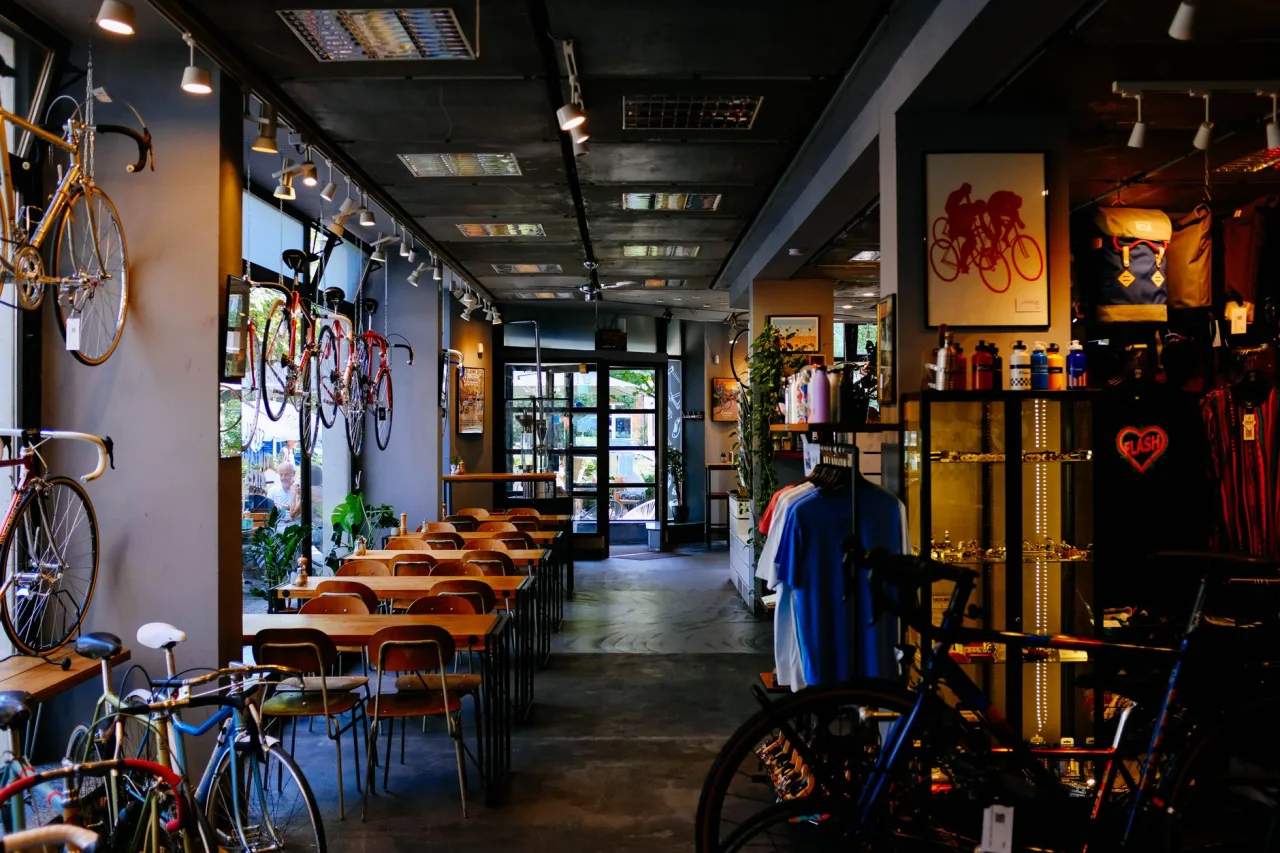
A great bike shop is more than a place to buy a bike. It is a service department, a fit studio, a warranty partner, and a source of advice you cannot get from a spec sheet. This guide explains the different kinds of bike shops, how to tell a trustworthy one from a merely convenient one, and how to get real value from the relationship over years of riding.
The short version
- Bike shops range from small independents to chains and online sellers, and each serves a different mix of price, expertise, and service.
- The service department, not the showroom, is where a shop's real quality lives, so judge the mechanics.
- Authorized dealers can handle warranty work for their partner brands, which saves you money and hassle if something fails.
- Time non-urgent service for the off-season, be a clear communicator, and a good shop becomes a lasting asset.
What a bike shop is and does
A bike shop is a business that specializes in bicycle sales, maintenance, parts, and accessories. Beyond selling bikes, most offer repair by trained mechanics, expert fitting and custom builds, clothing and accessories, spare parts, and sometimes group rides or classes. Some run self-service work areas where you rent a stand and tools. Understanding this full range helps you see a shop as an ongoing partner rather than a one-time checkout.
Many shops specialize by discipline. A racing and triathlon shop, a mountain bike specialist, and a BMX store each stock and understand different gear. Some carry niche formats like tandems, recumbents, and folding bikes. Picking a shop whose focus matches your riding means the staff already knows the questions you have not thought to ask.
The three kinds of bike shop
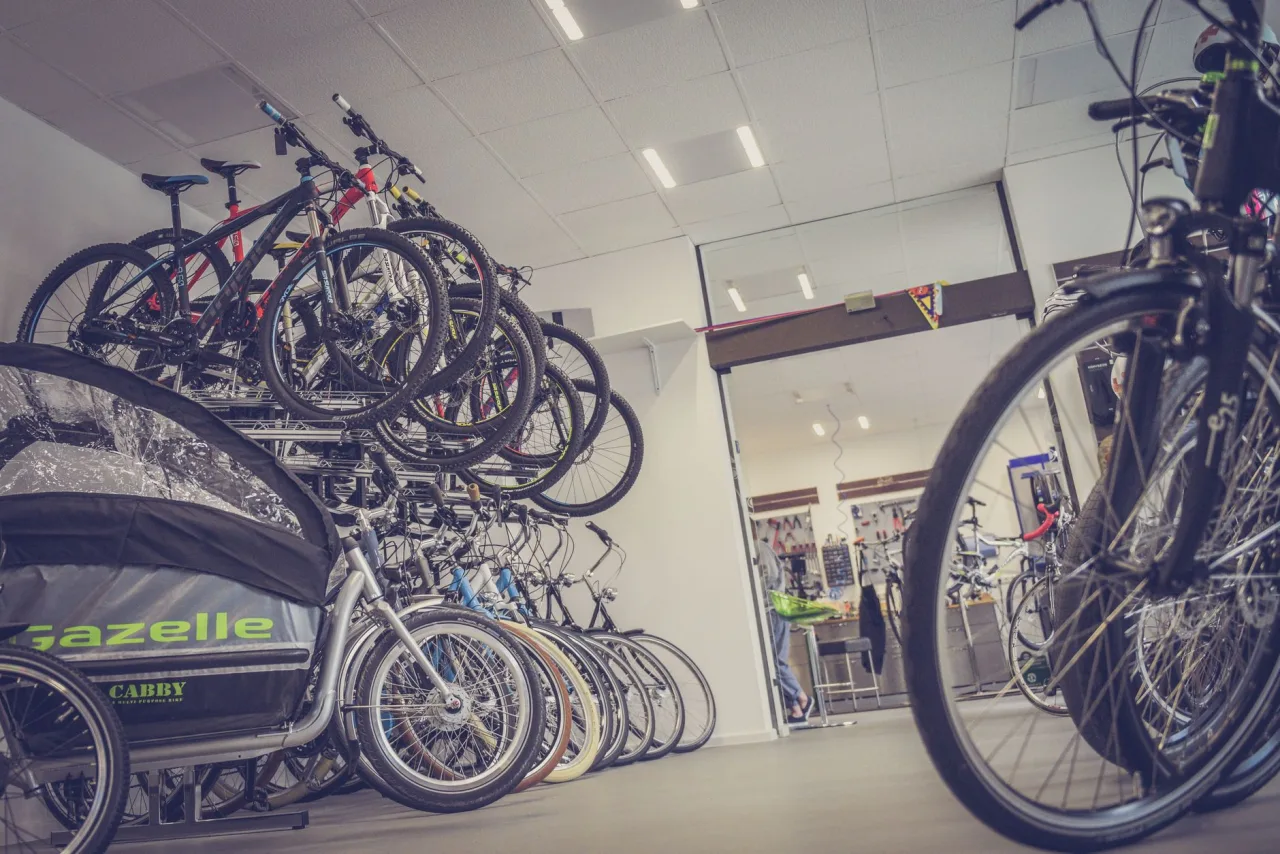
Where you buy shapes what you get. None of these is simply best; the right one depends on what you value most.
- Independent local shops: typically the deepest expertise and most personal service, with staff who ride and remember you. Sticker prices can run slightly higher, but fit help and long-term support often make up the difference.
- Chain stores: consistent hours, competitive pricing, and predictable stock. Mechanic experience can vary a lot between locations, so vet the specific store, not just the brand.
- Online retailers: the widest selection and often the lowest prices, but bikes arrive only partly assembled, and there is no counter to return to. You will still want a local shop for final setup and future service.
For a step-by-step method of narrowing down candidates near you, our guide to finding trusted shops near you walks through reviews, questions, and first-visit tests.
Judge the service department first
A beautiful showroom means little if the repairs are rushed. The workshop is where you find out whether a shop is run by riders. Signs of a strong service department include:
- A clear, posted service menu with prices rather than vague "call us" quotes.
- Mechanics who explain what is wrong and show you worn parts rather than just handing over a bill.
- Honest turnaround estimates, including admitting a two-week wait in busy season.
- Written estimates for anything beyond a quick adjustment.
The best way to test all of this is a small job. Bring in a flat repair or a brake adjustment before you trust a shop with a full drivetrain overhaul or an expensive new build.
Tip: ask to watch a quick adjustment
Many good shops will tweak a derailleur or true a wheel while you wait and are happy to explain what they are doing. A mechanic who welcomes your curiosity, rather than treating questions as a nuisance, is one you can trust with bigger jobs later.
Warranties and why authorized dealers matter
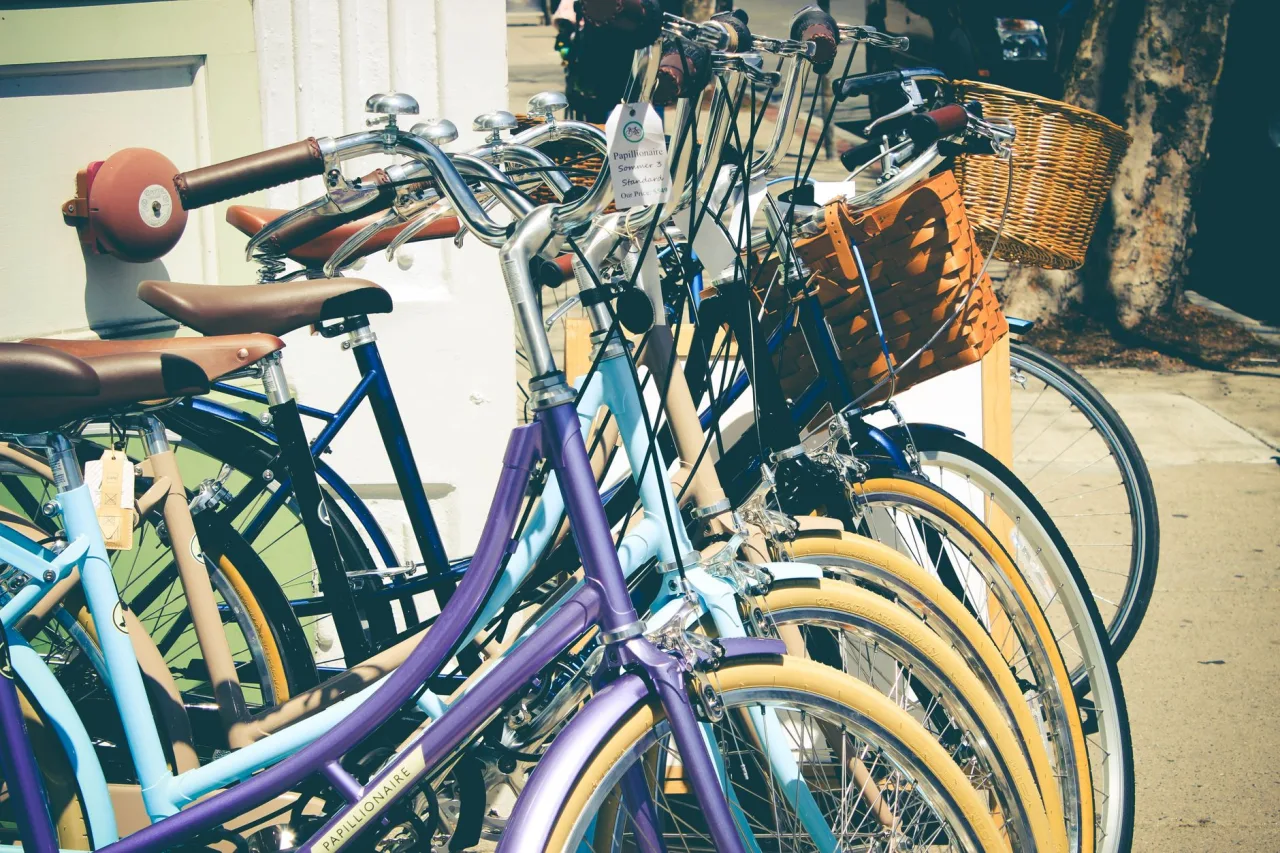
When you buy from an authorized dealer for a brand like Trek, Specialized, Giant, or Cannondale, the shop has completed manufacturer training and can process warranty claims directly. That matters because bicycle frames and components sometimes fail, and a warranty is only as useful as the shop that honors it. Buying a big brand from an unauthorized seller, or gray-market online, can leave you arguing with a manufacturer that will not recognize the sale.
Ask any prospective shop which brands it is authorized to sell and service. If you already own a bike, a shop that is a dealer for your brand can usually handle warranty parts far more smoothly than one that is not.
What to expect on price
Service pricing varies by region, overhead, and the parts involved, so treat any figures as broad ranges and confirm locally. A flat repair often runs 15 to 30 dollars in labor plus the tube, a basic tune-up commonly 60 to 120 dollars, and a full overhaul 120 to 250 dollars or more. Complete bikes span an enormous range depending on type and components; our guide to realistic bicycle prices breaks down what different budgets actually buy.
Do not chase the lowest sticker at the expense of service. A shop that fits your bike properly, stands behind warranties, and keeps you rolling for years usually costs less over the life of the bike than a cheaper one that leaves you stranded.
It is also worth understanding what your money supports at a good independent shop. Skilled mechanics, dealer certifications, a stocked parts wall, and a fit studio all cost money to maintain, and those are exactly the things that make a shop useful over the long run. Many shops will price-match within reason on a complete bike, and most fold a first tune-up and small adjustments into a new purchase, so the effective value is higher than the sticker suggests. If you are on a tight budget, be honest about it. A good shop would rather sell you a well-fitted entry bike you will love than push you into something you cannot comfortably afford.
Shops for specialized needs
Some purchases call for a shop with specific strengths. Electric bikes, for instance, need trained handling of motors, batteries, and controllers, so a strong service department matters even more; our complete electric bike guide explains what to look for. If your main need is repairs rather than a new purchase, a service-focused store may suit you better, and our guide to repair-focused bicycle shops covers that path.
Getting lasting value from your shop
There is one more habit worth mentioning: buy your consumables and accessories from the shop you rely on for service, at least some of the time. Tubes, tires, lube, lights, and locks carry small margins that help keep the doors open, and shops remember the customers who support them rather than only showing up when something breaks. This is not about overpaying out of guilt. It is a practical exchange. A shop that sees you regularly learns your bike, remembers your preferences, and is far more likely to squeeze you in when you have a flat the night before a big ride. That goodwill is worth more than the few dollars you might save buying every small part online.
The relationship rewards good habits. Book routine service in the off-season instead of the first warm weekend, when every shop is buried. Describe problems clearly and bring the bike in rather than diagnosing over the phone. Pay fair labor without haggling. Regulars tend to get honest advice, priority in busy season, and the occasional free quick fix. Over time, a trusted shop becomes one of the most valuable pieces of gear you own, even though it never hangs on a rack.
Frequently asked questions
What is the difference between an independent shop and a chain?
Independent shops usually offer the deepest expertise and most personal service, often from staff who ride and remember you, while chains offer consistent hours and competitive pricing with mechanic experience that varies by location. Neither is simply better; vet the specific store rather than relying on the brand name.
Why does buying from an authorized dealer matter?
Authorized dealers have completed manufacturer training and can process warranty claims directly for their partner brands. Since frames and components occasionally fail, a warranty is only as useful as the shop that honors it, and buying from an unauthorized or gray-market seller can leave a manufacturer unwilling to recognize the sale.
How do I know if a shop's mechanics are any good?
Look for a posted service menu with clear prices, mechanics who explain problems and show you worn parts, honest turnaround estimates, and written quotes for larger jobs. The best test is to bring in a small job like a flat repair before trusting the shop with expensive work.
When is the best time to get my bike serviced?
Book non-urgent service in the off-season rather than the first warm weekend of spring, when shops are overwhelmed. Off-season timing usually means faster turnaround, more attention, and sometimes better pricing, and it keeps your bike ready before riding season arrives.
Can a bike shop service a bike I bought elsewhere?
Yes. Most shops happily service bikes they did not sell, though authorized dealers can handle warranty work more smoothly for their partner brands. Building a relationship with one nearby shop for regular service pays off regardless of where you originally bought the bike.
More guides on Bike Shops & Services (Local)
Have a question or a topic to suggest?
We read every message. Tell us what you would like to see next on the blog.
Get in touchYou may also like
Bike Shop Near Me: Find Trusted Shops
A practical guide to finding and vetting a good local bike shop: how to read reviews, what services should cost, and the questions that reveal a great mechanic.
Repair Bicycle Shop Near Me
Find a trusted local bike repair shop with confidence: how to vet mechanics, what common fixes cost, the questions to ask at drop-off, and when to fix it yourself.

Bicycle Price in 2026: Real Ranges
A bicycle can cost less than a nice dinner or more than a used car, and both extremes are sold in the same shop. The trick to spending well is understanding what actually drives the price