Electric Bikes · Electric Bikes
Foldable Electric Bike Guide
A decision-first guide: the lifestyles a foldable e-bike fits, the trade-offs you accept, the fold types, and how to know if it is right for you.
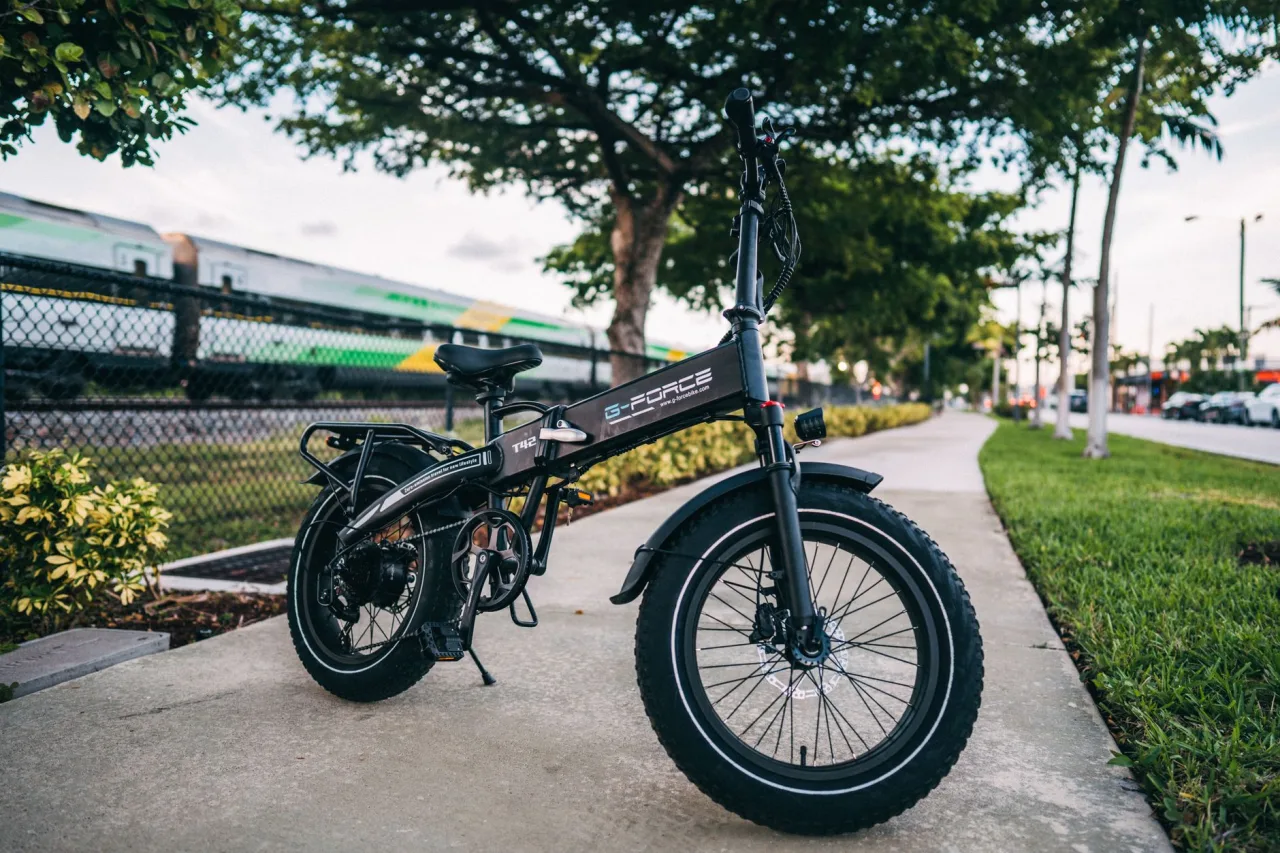
Should your next e-bike fold? That is really the question behind every foldable electric bike search, and the honest answer is that it depends entirely on your life, not on the bike. This guide takes a decision first approach: it walks through the lifestyles a foldable e-bike fits, the compromises you accept in return, and how to know before you buy whether the fold is worth it for you.
The short version
- A foldable electric bike trades a little ride quality for the ability to store and transport it in spaces a normal e-bike will never fit.
- It makes most sense for small homes, mixed transport commutes, and vehicles like campervans and boats where space is scarce.
- Expect to pay from around 900 to 1,500 US dollars upward for a dependable model, with price varying by region and retailer, so confirm locally.
- If you have secure storage and never combine your bike with other transport, a standard e-bike will usually ride better for the money.
What a foldable electric bike really offers
A foldable electric bike is a pedal assist bike whose frame collapses into a compact shape for storage and carrying. The electric part is identical in principle to any other e-bike: a motor adds power as you pedal. What sets it apart is the fold, and that fold buys you one thing above all, which is flexibility about where the bike lives and how it travels.
It helps to see the foldable e-bike as a lifestyle tool rather than a performance one. Where a full size electric bike is chosen for how it rides, a foldable is chosen for how it fits into the gaps in your day, the boot of a car, the corner of a studio flat, the luggage rack of a train. If none of those gaps exist in your life, the fold is solving a problem you do not have.
The lifestyles a foldable e-bike fits
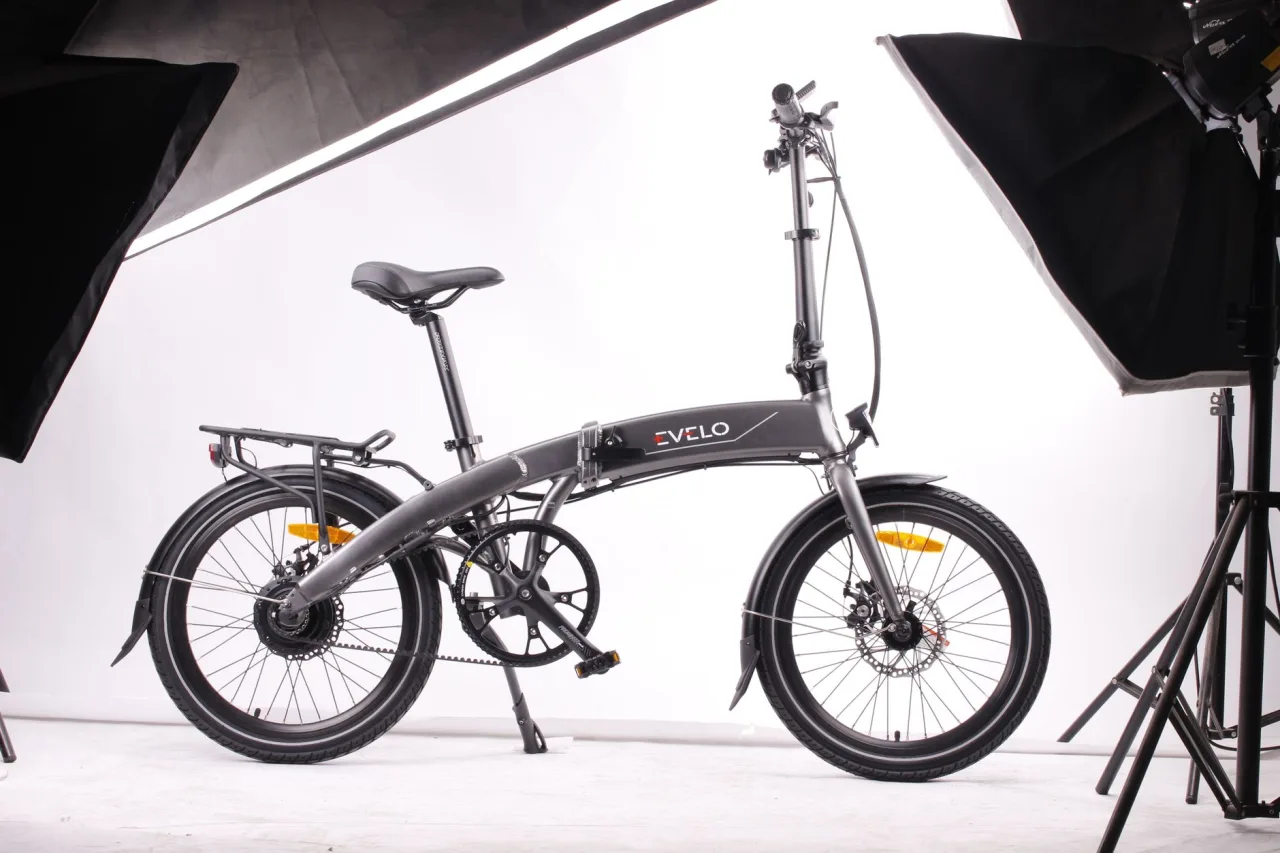
Rather than starting with the bike, start with your situation. A foldable electric bike earns its place in a handful of clear scenarios, and struggles to justify itself outside them.
- Small home, no shed: if the bike must live indoors, a folder tucks into a cupboard or under the stairs where a full size bike would dominate a room.
- Mixed commute: combining cycling with a train, bus, or car ride is where folders shine, because they board and stow without a rack.
- Campervan, boat, or RV: compact transport that fits a small locker turns a parked vehicle into a mobile base.
- Shared or rented spaces: where you cannot install bike storage, a bike that disappears into a bag or cupboard avoids conflict.
Read that list honestly. If two or more items describe you, a foldable e-bike is probably a great fit. If none do, you are likely better served by a conventional model. For a more mechanics focused companion to this guide, our folding electric bike guide explains exactly how the fold works.
Tip: Before buying, walk through a normal week in your head and count how many times you would actually fold the bike. If the honest answer is rarely, put that money toward a better riding full size e-bike instead. The fold only pays for itself if you use it.
The compromises you accept
Nothing is free, and a foldable e-bike asks you to accept a few trade offs in exchange for its compactness. Knowing them up front prevents disappointment later.
- Ride feel: smaller wheels, usually 16 or 20 inches, give a firmer, slightly more nervous ride than full size wheels, though good tyres soften this.
- Weight in the hand: the motor and battery make a foldable e-bike heavier to carry than a manual folder, so the lift is real.
- More moving parts: hinges and clamps add points that need occasional checking and can develop play over time.
- Range and comfort limits: compact frames leave less room for a huge battery, so they suit shorter, urban trips more than long touring.
These are not flaws so much as the cost of the fold. For a city rider who values storage above all, they barely register. For someone dreaming of long weekend rides on smooth tarmac, they add up, and a different bike would serve better.
Understanding the different fold types
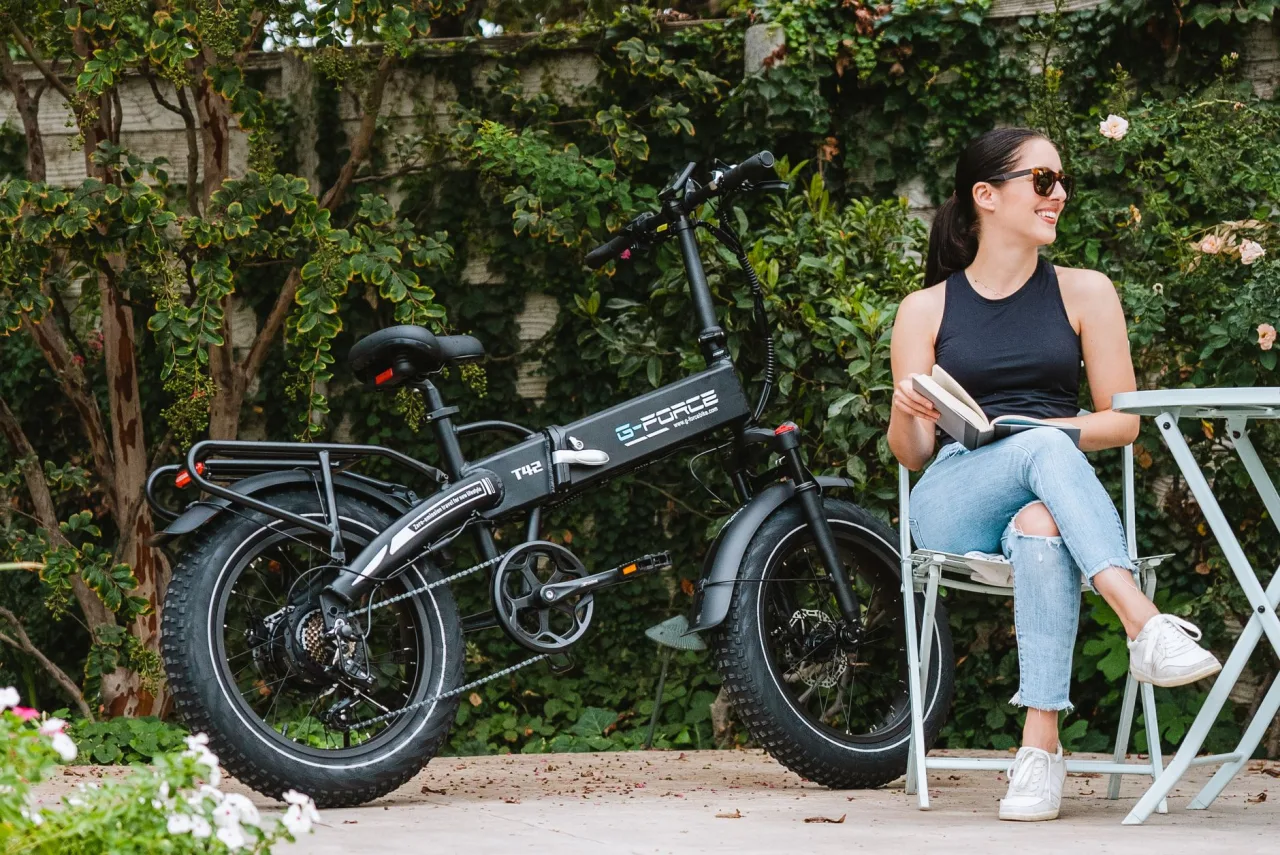
Foldable e-bikes do not all fold the same way, and the style of fold affects how compact and quick the bike is. You do not need to memorise mechanisms, but recognising the broad approaches helps you compare models.
- Half fold: the most common, with a central hinge that folds the bike roughly in half so the wheels sit side by side. A good balance of compactness and simplicity.
- Compact multi fold: more hinges for a smaller final package, useful for the tightest storage but often fiddlier and slower.
- Triangle or rear fold: the rear section swings under or forward, a design more common on non electric folders.
The reference literature on ordinary folders describes these mechanisms in depth. What matters for your decision is how quickly you can perform the fold and how small it ends up, so always try the fold yourself before buying.
How much to spend and where value sits
Foldable e-bikes carry a small premium over equivalent non folding models, because the engineering to make a frame collapse safely costs money. A dependable model generally starts somewhere from 900 to 1,500 US dollars and climbs from there, with the usual caveat that prices vary by region and retailer.
Spending too little is riskier on a folder than on a standard bike, because the hinge and battery, the two parts most likely to be cheapened, are exactly the parts you least want to fail. A weak hinge is a safety concern, and a poor battery loses range quickly. For a fuller sense of what your money buys across the category, see our electric bike price guide, and if budget is tight, the roundup of the best cheap electric bikes covers value picks and their limits.
Making the final decision
By this point the decision usually makes itself. Foldable electric bikes are a specialist tool that is brilliant for the right person and an unnecessary compromise for the wrong one. Run through a short mental checklist before you commit.
- Storage: do you genuinely lack space for a full size bike?
- Transport: will you regularly combine the bike with another vehicle or train?
- Carrying: can you comfortably lift a bike that is heavier than a manual folder?
- Riding: are your trips mostly short and urban rather than long and fast?
More yes answers point clearly toward a foldable e-bike. If you are ready to try one, a hands on test matters even more here than usual, because the fold is something you feel rather than read about. A good local bike shop will let you fold, lift, and ride before you decide, and for a simpler electric option without the fold, a straightforward full size electric cycle is worth comparing.
Watch out: A cheap foldable e-bike that feels flexy at the hinge when you lean on it is telling you something important. Do not ignore hinge play to save money, because the hinge carries your weight and the bike's, and its integrity is not the place to economise.
Frequently asked questions
Who should buy a foldable electric bike?
A foldable electric bike suits people with small homes and no bike storage, commuters who combine cycling with trains, buses, or cars, and owners of campervans, boats, or RVs where space is scarce. If two or more of these describe you, a foldable is likely a great fit. If you have secure storage and never mix your bike with other transport, a standard e-bike will usually ride better for the money.
What are the downsides of a foldable e-bike?
The main trade offs are a firmer ride from smaller wheels, more weight to carry than a manual folder because of the motor and battery, extra moving parts at the hinges that need occasional checking, and range and comfort limits from the compact frame. These are the cost of the fold, and they matter more for long rides than for short urban trips.
Are foldable electric bikes heavy?
Foldable electric bikes are heavier than manual folding bikes because of the motor and battery, so the lift when carrying is real. Lighter models are easier to carry up stairs and onto transport, while larger battery models weigh more. If you will lift the bike often, prioritise a lower weight even if it means accepting a shorter range.
How much does a good foldable electric bike cost?
A dependable foldable electric bike generally starts somewhere from 900 to 1,500 US dollars and climbs from there, carrying a small premium over equivalent non folding models because of the folding engineering. Spending too little is riskier on a folder because the hinge and battery are the parts most likely to be cheapened. Prices vary by region and retailer, so confirm locally.
Is a foldable e-bike worth it if I have storage space?
If you have secure storage and never combine your bike with other transport, a standard electric bike will usually ride better and cost less than a foldable one. The fold only pays for itself when you actually use it for storage or mixed transport. A good test is to count how many times in a normal week you would genuinely fold the bike.
The Wikipedia article on folding bicycles explains the fold mechanisms in depth, and the electric bicycle article covers the motor and battery side.
More guides on Electric Bikes
Have a question or a topic to suggest?
We read every message. Tell us what you would like to see next on the blog.
Get in touchYou may also like
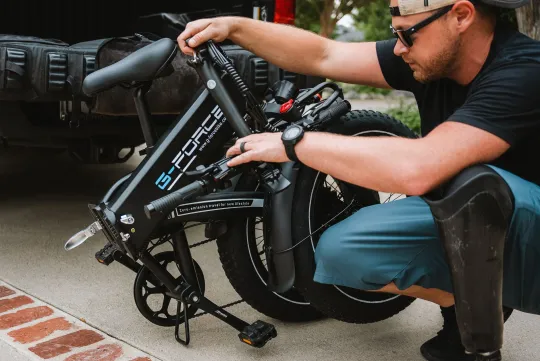
Folding Electric Bike Guide
A folding electric bike adds power to your commute without needing a shed or a bike rack. Here is how they work, the trade-offs that define them, and what to check before buying.

Electric Bike: The Complete Guide
Everything you need before buying an e-bike: how the motor and classes work, hub versus mid-drive, battery range, the main types, and what a good electric bike really costs.
Best Cheap Electric Bike 2026
Cheap and electric no longer contradict each other, but the cheapest bikes cut corners you cannot always see. Here are honest budget tiers and the checklist that matters.