Bike Trails · Cycling (General)
Bike Trail: The Complete Guide
From paved greenways to singletrack: reading trail types, ratings, and finding routes near you.
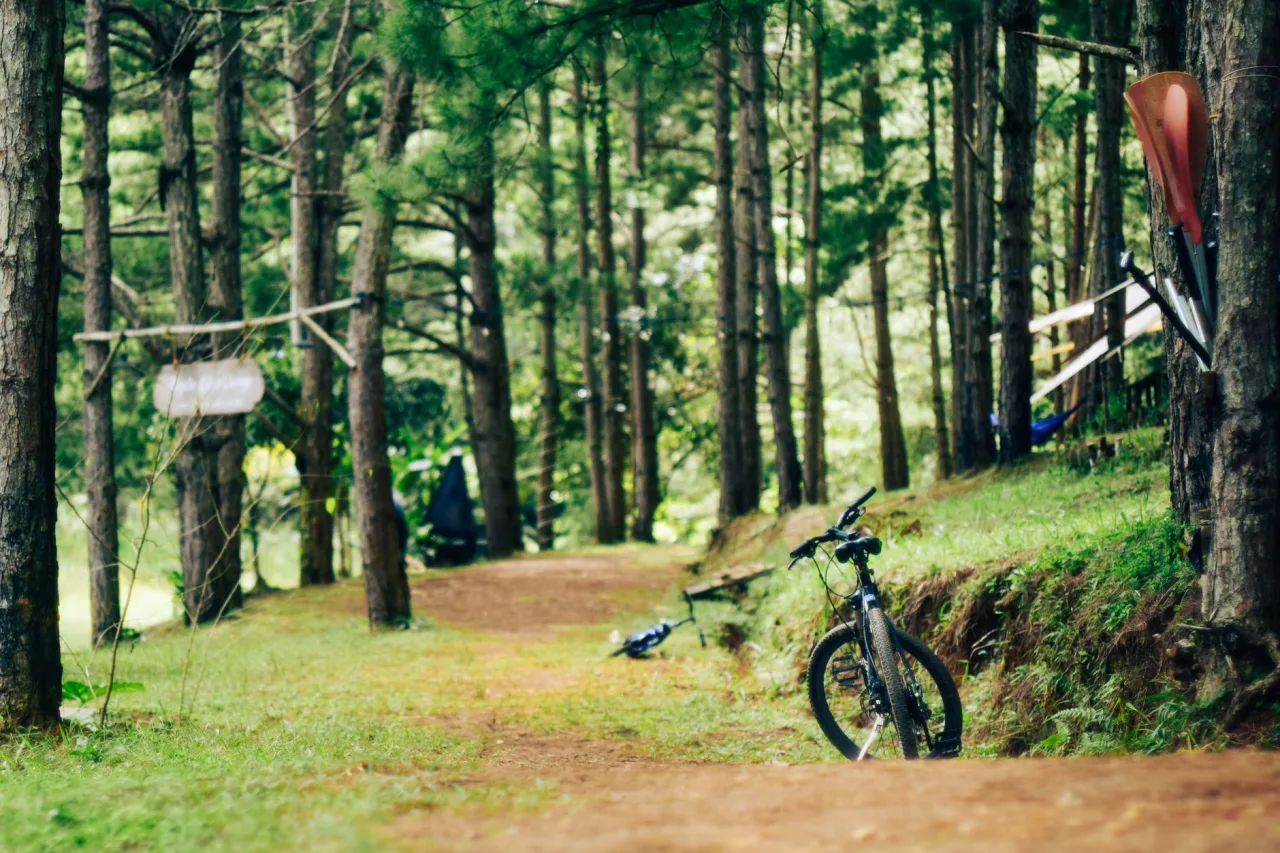
A great ride often has more to do with the route than the bike. Bike trails let you escape traffic, enjoy the scenery, and build fitness at your own pace. This guide explains the main kinds of trail, how to read trail difficulty, and how to find good routes near you.
The short version
- Bike trails range from smooth paved paths to rough mountain singletrack, and the surface decides which bike suits them.
- Rail trails, built on former railway lines, are gentle, mostly flat, and ideal for beginners and families.
- Trail difficulty ratings, often green, blue, and black, tell you how technical a route is before you ride.
- Carry water, basic tools, lights, and a plan, and always tell someone where you are heading on remote trails.
What a bike trail actually is
A bike trail is any route set aside, formally or informally, for riding away from motor traffic. That covers a huge range, from wide paved greenways through city parks to narrow, rocky singletrack in the mountains. The surface and terrain are what matter most, because they determine which bike belongs on the trail and how hard the ride will be.
Some of the most popular routes are shared-use paths open to walkers, runners, and riders together. Sharing space means riding courteously: keep your speed reasonable, call out when passing, and give way to people on foot. Good trail etiquette keeps these routes open and pleasant for everyone.
Types of bike trail
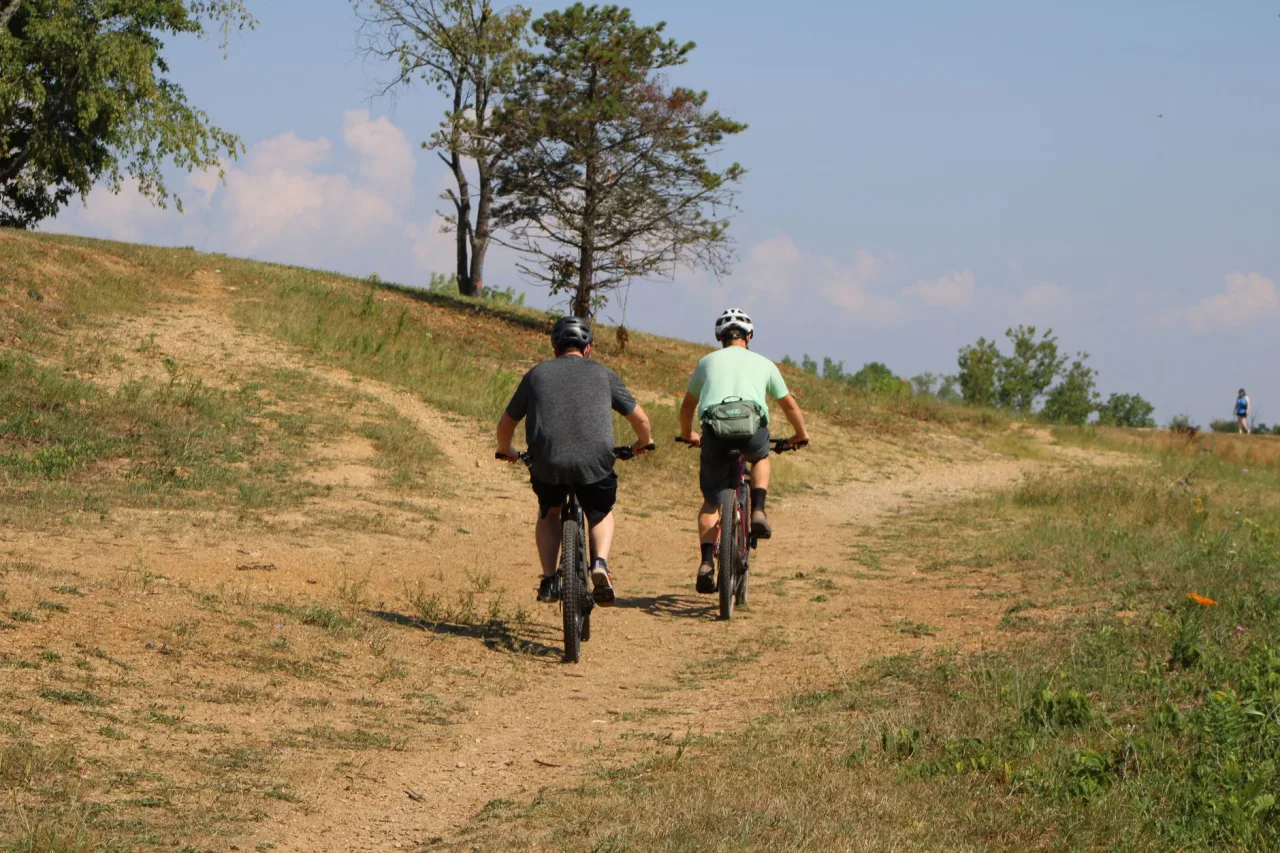
Understanding the categories helps you match a route to your bike and skill level:
- Paved multi-use paths are smooth, flat, and welcoming for any bike, including road and hybrid bikes.
- Rail trails follow former railway corridors and offer gentle grades over long distances.
- Gravel and forest roads suit gravel bikes, hybrids with wider tires, and mountain bikes.
- Cross-country singletrack is narrow dirt trail with roots and rocks, best on a mountain bike.
- Downhill and technical trails demand full-suspension bikes, protective gear, and real skill.
If you are still choosing a bike for the trails you have in mind, our complete guide to cycling and mountain bike guide compare the options.
Rail trails: the beginner's best friend
Rail trails deserve special attention because they are so approachable. As Wikipedia's entry on rail trails explains, they are shared-use paths built on former railway rights of way, usually after the tracks are removed. Because trains cannot climb steep hills, these corridors have gentle slopes and well-engineered bridges and tunnels, which makes for easy, scenic riding.
The same source notes that rail trails exist worldwide, from the 240-mile Katy Trail in Missouri to more than 5,000 kilometers of converted railway corridors in Germany. Their gentle grades and traffic-free surface make them ideal for families, new riders, and anyone building fitness without the stress of hills or cars. In soft or snowy conditions, even a fat bike feels at home on these wide corridors.
Reading trail difficulty ratings

Many trail networks, especially mountain bike parks, use a color-coded system so you can judge a route before riding it. While details vary by region, the common pattern is:
- Green (easy): smooth, wide, and gently graded, suitable for beginners.
- Blue (intermediate): steeper or narrower with small obstacles, for confident riders.
- Black (advanced): steep, technical terrain with larger features, for experienced riders.
- Double black (expert): the most demanding trails, with serious consequences for mistakes.
Start below your assumed level on any new network, since ratings vary between areas. A green trail in one park may feel harder than expected somewhere else. Building up gradually is safer and more enjoyable than jumping straight to the hardest option.
Safety tip
On remote or unfamiliar trails, tell someone your route and expected return time, carry enough water, and pack a basic repair kit and lights. A charged phone and a rough idea of exit points can turn a mechanical problem from a crisis into an inconvenience.
How to find trails near you
Good routes are easier to find than ever if you know where to look:
- Trail apps and maps show nearby routes with distance, surface, and difficulty, plus reviews from other riders.
- Local parks and land agencies publish maps of official trails and any seasonal closures.
- Cycling clubs know the best local loops and often welcome newcomers on group rides.
- Local bike shops are a goldmine of route knowledge tuned to your fitness and bike.
A friendly shop can match routes to your ability and even tell you which trails drain well after rain. Our directory of how to find local trails and shops explains what to look for, and a trusted local shop is often the fastest way to discover the best nearby riding.
Gear for trail riding
Trail riding rewards a little preparation. A well-fitting helmet is essential, and lights matter if there is any chance of finishing in low light or riding through tunnels on a rail trail. Carry water, a spare tube, tire levers, and a mini pump, and dress in layers you can adjust. For longer or rougher routes, gloves and eye protection add comfort and safety.
Trail etiquette that keeps riding welcome
Trails stay open when riders treat them and other users well. Yield to pedestrians and, where relevant, horses. Slow down and announce yourself before passing. Stay on marked trails to protect the surface and surrounding habitat, and avoid riding muddy trails that damage easily. Pack out everything you bring in. These simple habits protect access for everyone who rides after you.
Frequently asked questions
What is a rail trail?
A rail trail is a shared-use path built on a former railway right of way, usually after the tracks have been removed. Because railways were graded gently for trains, these trails have easy slopes and well-built bridges and tunnels, which makes them scenic and beginner-friendly.
What bike is best for bike trails?
It depends on the surface. Paved paths and rail trails suit almost any bike, including road and hybrid bikes. Gravel and forest roads favor gravel bikes or hybrids with wider tires, while rocky singletrack and technical trails call for a mountain bike with suitable tires and, for rougher terrain, suspension.
What do trail difficulty colors mean?
Many networks rate trails green for easy, blue for intermediate, black for advanced, and double black for expert. The colors reflect steepness, technical features, and consequences of mistakes. Ratings vary by region, so start below your assumed level on any new trail network.
How do I find bike trails near me?
Use trail apps and maps, check local park and land agency websites, join a cycling club, or ask a local bike shop. Shops and clubs in particular can match routes to your fitness and bike, and often know which trails are in good condition after recent weather.
Do I need lights on a bike trail?
Lights are wise whenever there is any chance of riding in low light, and they are important on trails that pass through tunnels, even in daytime. A front and rear light improve both your vision and your visibility to other trail users.
More guides on Cycling (General)
Have a question or a topic to suggest?
We read every message. Tell us what you would like to see next on the blog.
Get in touchYou may also like

Cycling: The Complete Guide
Cycling works as transport, exercise, and stress relief at once. Here is how to choose a bike, the gear that matters, where to ride, and the habits that make riding stick.

Mountain Bike: The Complete Guide
Everything you need to choose a mountain bike: the main types, wheel sizes, key components, how to pick your first bike and the gear and care that keep it running.
Bike Trail Near Me
Find quality bike trails near you: how to locate them, read difficulty ratings, match your bike to the surface, and find a trusted shop near the trailhead.