Road Bikes · Cycling (General)
Road Bicycle: The Complete Guide
Frames, geometry, fit, and cost: choosing a fast, comfortable road bike that suits you.
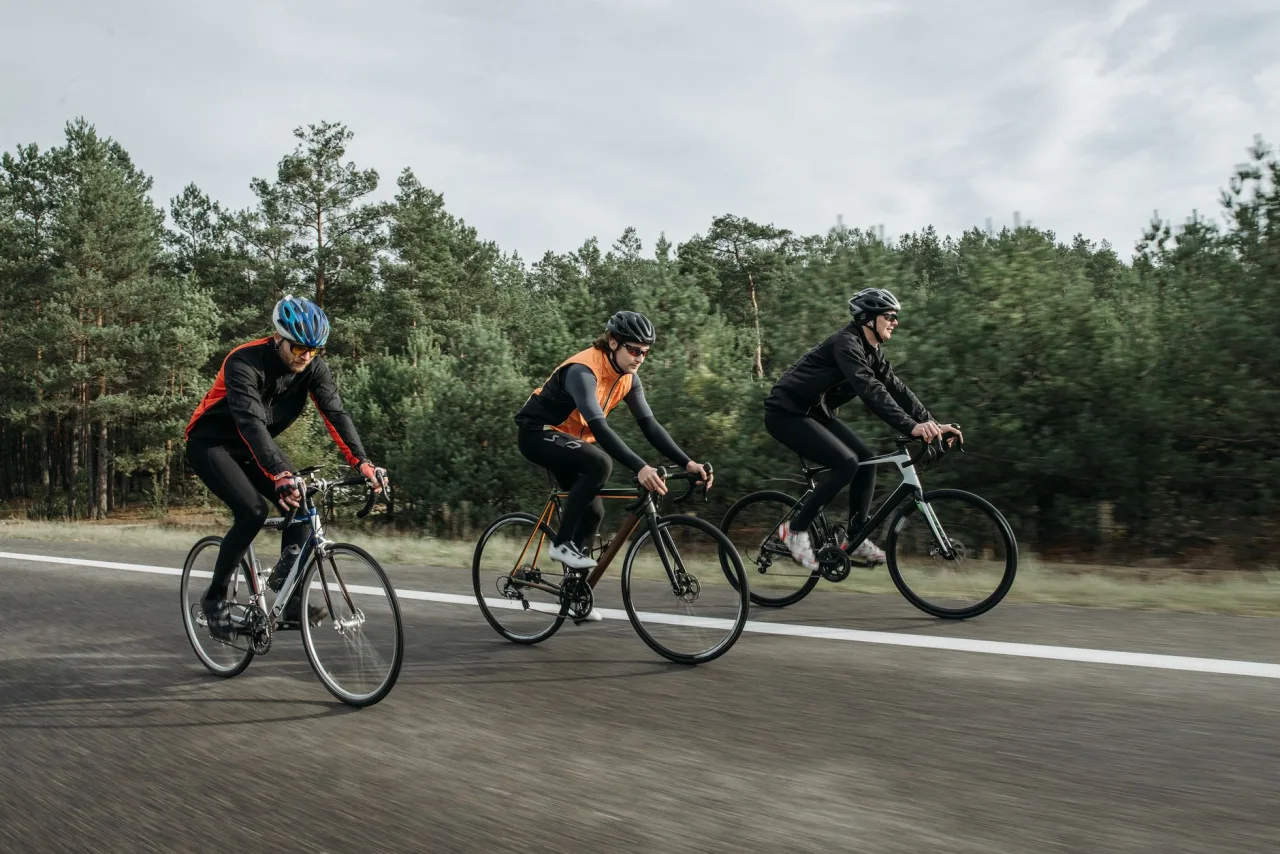
A road bicycle is built for one thing above all: moving efficiently at speed on paved roads. Light frames, skinny tires, and drop handlebars all serve that goal. This guide explains how road bikes are put together, how they differ from their close cousins, and how to choose one that fits both your body and your riding.
The short version
- Road bikes use narrow, high-pressure tires and lightweight frames to minimize rolling resistance and weight.
- Drop handlebars let you lean forward, cutting air resistance so you go faster for the same effort.
- Sub-categories range from aggressive racing bikes to relaxed endurance bikes built for long, comfortable days.
- Fit matters more than price. A properly sized road bike is faster and far more comfortable than an ill-fitting expensive one.
What defines a road bicycle
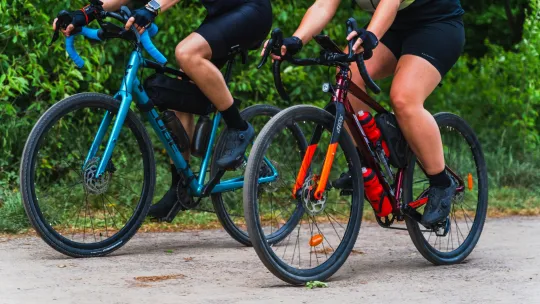
The Wikipedia entry on road bicycles describes them as bikes built for traveling at speed on paved roads. Everything about the design chases efficiency. The tires are narrow, smooth, and run at high pressure to reduce rolling resistance. The frames are light, commonly made from aluminum alloy or carbon fiber. And the bent, or drop, handlebars let the rider lean forward to reduce the body's frontal area, which the same source notes highly reduces air resistance.
Most road bikes use derailleur gears for a wide spread of ratios, disc or rim brakes for stopping, and often clipless pedals that lock cycling shoes to the bike for a more efficient pedal stroke. Together these features make the road bike the fastest common bicycle on smooth pavement.
Racing, endurance, and everything between
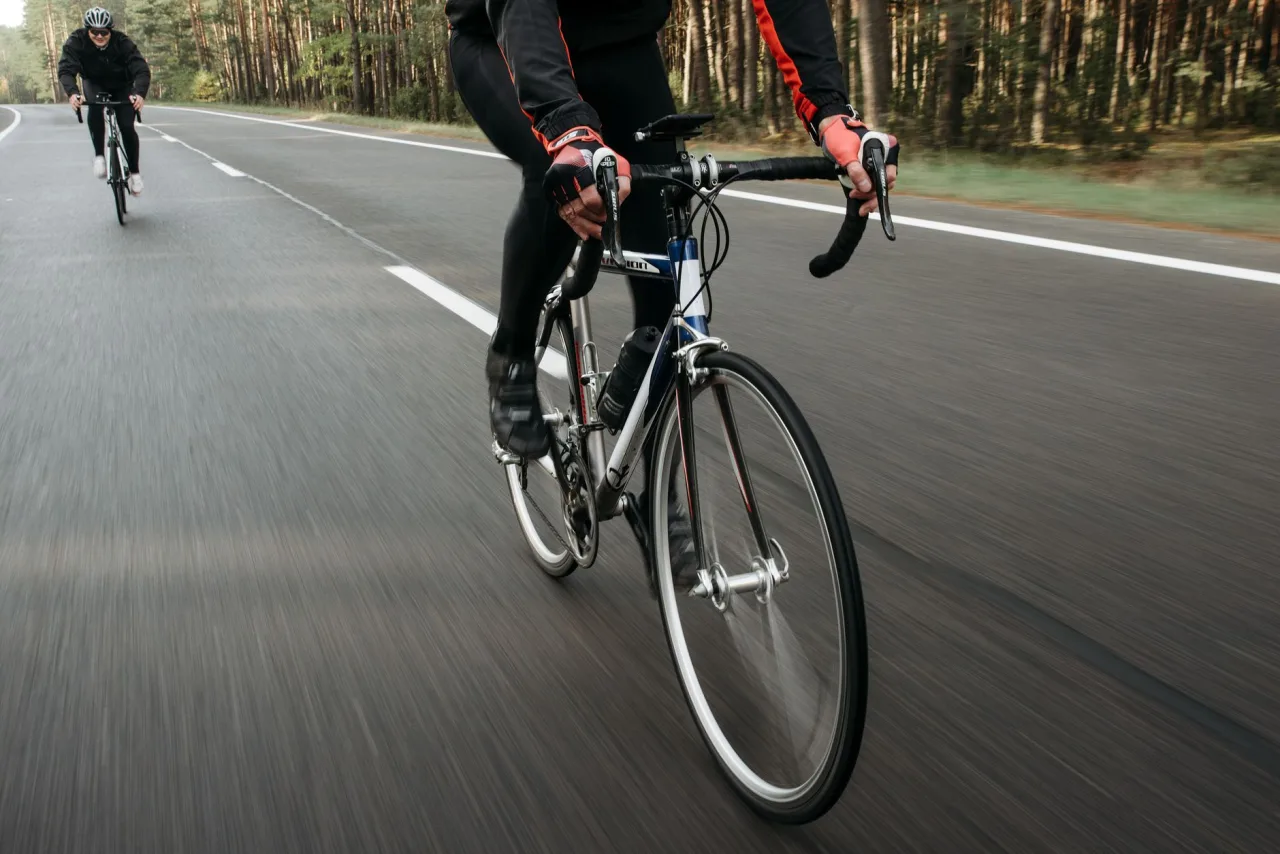
Road bike is a broad label, and the differences within it matter when you buy. The same reference points out that some people use road bicycle and racing bicycle interchangeably, while others distinguish high-speed racing models from more comfort-oriented endurance bikes with relaxed geometry for longer distances.
- Racing bikes have aggressive, stretched-out geometry for maximum speed and are most at home on fast group rides and races.
- Endurance bikes place you slightly more upright, soaking up road buzz for comfort on long rides.
- Aero bikes use shaped tubing to cut wind resistance, favoring flat, fast courses.
- Gravel bikes borrow road bike shapes but clear wider tires for dirt roads and light trails.
If your riding drifts off pavement, our gravel bike guide is worth reading before you commit to a pure road machine. For a wider view of every category, see the complete guide to cycling.
Frame materials explained
Frame material shapes price, weight, and ride feel. Each has clear strengths:
- Aluminum is light, affordable, and stiff, which makes it the standard choice for value-focused road bikes.
- Carbon fiber is lighter still and can be shaped to tune stiffness and comfort, but it costs more.
- Steel is heavier but famously smooth and durable, popular with touring and classic builds.
- Titanium blends a compliant ride with corrosion resistance at a premium price.
For most riders, a well-specced aluminum or entry-level carbon frame from a reputable brand such as Trek, Giant, Specialized, or Cannondale offers the best balance of cost and performance. The components, especially the drivetrain and brakes, often matter more day to day than the frame material alone.
Fit before frame
Two riders of the same height can need different frame sizes and setups. Before spending on a lighter frame, invest in a proper fitting so your saddle height, reach, and bar position match your body. Comfort keeps you riding, and a bike you ride is always faster than one you avoid.
Getting the size and fit right
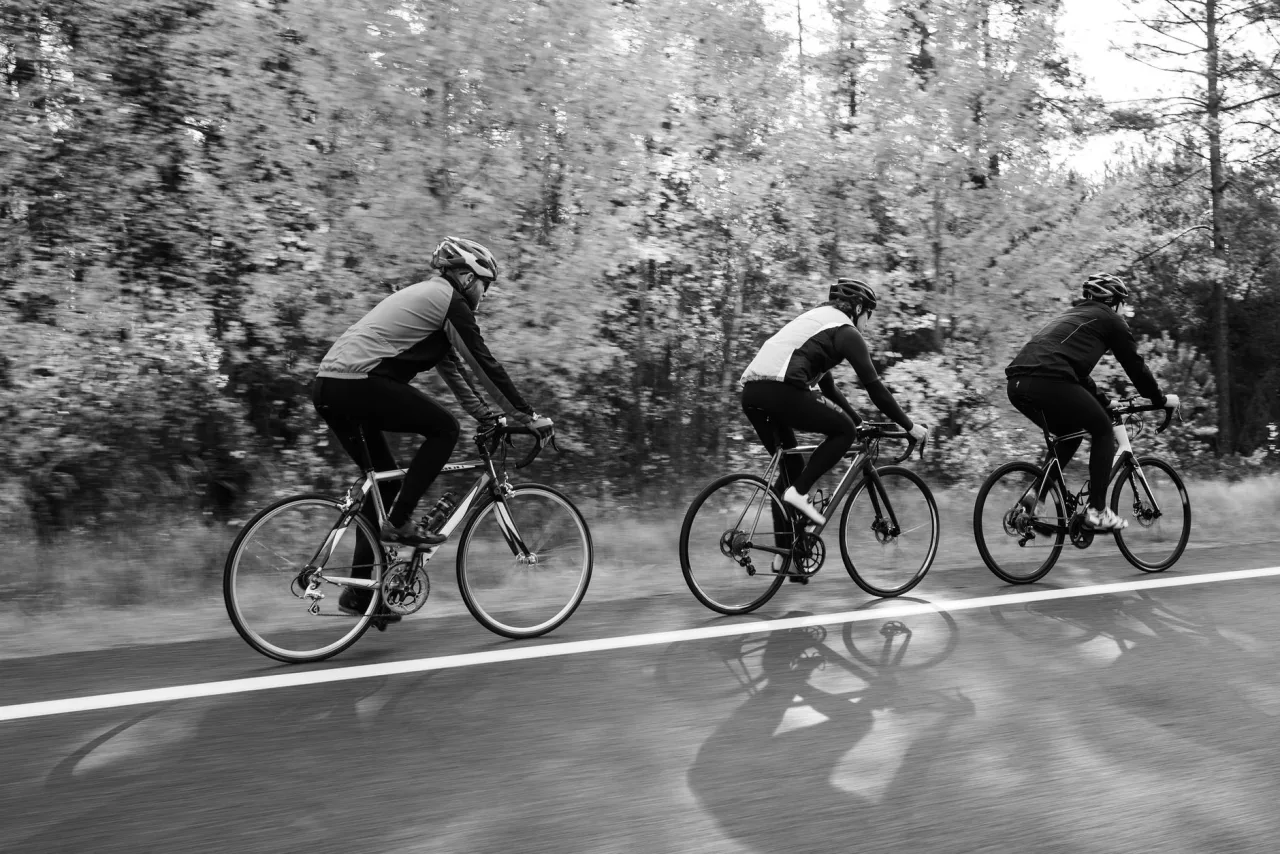
Road bikes are sold in more precise size increments than casual bikes, and the aggressive position amplifies any fit error. A saddle set too high or a reach that is too long shows up quickly as knee, neck, or lower-back pain. Start from the manufacturer's size chart, then have a shop fine-tune saddle height, fore-aft position, and handlebar reach. Our guide to choosing the right bike for the rider walks through fit step by step, and a comfortable saddle makes a bigger difference than most beginners expect.
What road bikes cost in 2026
Prices vary widely by brand, spec, and region, so use ranges as a guide and confirm locally. Entry-level aluminum road bikes from mainstream brands generally start in the several-hundred-dollar range. Mid-level bikes with better components and lighter frames climb into four figures, and carbon race bikes with electronic shifting sit well above that. As with any bike, a good value is often found one step below the top spec, where you get most of the performance for a fraction of the price.
Buying used can stretch a budget further, but inspect the frame carefully for cracks, especially on carbon, and check the drivetrain for wear. When in doubt, pay a shop to look it over before purchase.
Gear that pairs with a road bike
A few accessories make road riding safer and more enjoyable:
- A well-fitting helmet, which is essential at road speeds.
- Padded shorts and gloves for comfort on longer rides, covered in our cycling gear guide.
- A saddlebag with a spare tube, tire levers, and a mini pump so a puncture does not end your ride.
- Bright lights if you ride in low light, since road bikes are often ridden on open roads.
Keeping a road bike fast
Road bikes reward simple, regular maintenance. Keep tires at their recommended high pressure, since a soft road tire is slow and prone to pinch flats. Clean and lubricate the chain often, as a gritty drivetrain wastes energy and wears out quickly. Check brake pads and cables regularly, and book a professional service once or twice a year. Small, consistent care keeps the bike feeling fast and precise for years.
Frequently asked questions
What is the difference between a road bike and a racing bike?
The terms overlap. Some people use them interchangeably, while others reserve racing bike for the most aggressive, high-speed models and use road bike more broadly to include comfort-oriented endurance bikes with relaxed geometry. Both are built for speed on paved roads; the difference is mainly how aggressive the riding position is.
Are carbon road bikes worth the extra money?
Carbon frames are lighter and can be tuned for both stiffness and comfort, which many riders value on long or fast rides. However, a quality aluminum bike delivers most of the performance for less, and components often matter more than frame material for everyday riding. Carbon is worth it if low weight and ride feel are priorities and the budget allows.
Can I use a road bike for commuting?
Yes, road bikes make quick commuters on paved routes, though the narrow tires and forward position suit smooth roads better than rough streets. If your commute includes potholes, curbs, or gravel, a hybrid or gravel bike with wider tires will be more comfortable and durable.
Why do road bikes have drop handlebars?
Drop handlebars let the rider lean forward and lower, which reduces the body's frontal area and cuts air resistance. Since wind is the main force slowing a rider at speed, this position lets you go faster for the same effort. The multiple hand positions also help on long rides.
How much should I spend on my first road bike?
Enough to get a reliable frame and a working drivetrain from a reputable brand, plus a helmet and basic repair kit. Prices vary by region, so set a budget and confirm current figures locally. A solid entry-level aluminum bike is a smart starting point for most new road riders.
More guides on Cycling (General)
Have a question or a topic to suggest?
We read every message. Tell us what you would like to see next on the blog.
Get in touchYou may also like

Cycling: The Complete Guide
Cycling works as transport, exercise, and stress relief at once. Here is how to choose a bike, the gear that matters, where to ride, and the habits that make riding stick.
Road Bike: The Complete Guide
Choose the right road bike with confidence: the main types, frame materials, components that matter, why fit beats everything, and how much to sensibly spend.
Gravel Bike: The Complete Guide
Everything a first-time buyer needs on gravel bikes: geometry, tyre clearance, frame materials, what they are used for and how much to spend.