Brand Guide · Cycling (General)
Tata Cycle: The Complete Guide
The Tata Group's bikes are sold as Stryder: the range, the build, who they suit, and how to buy one well.
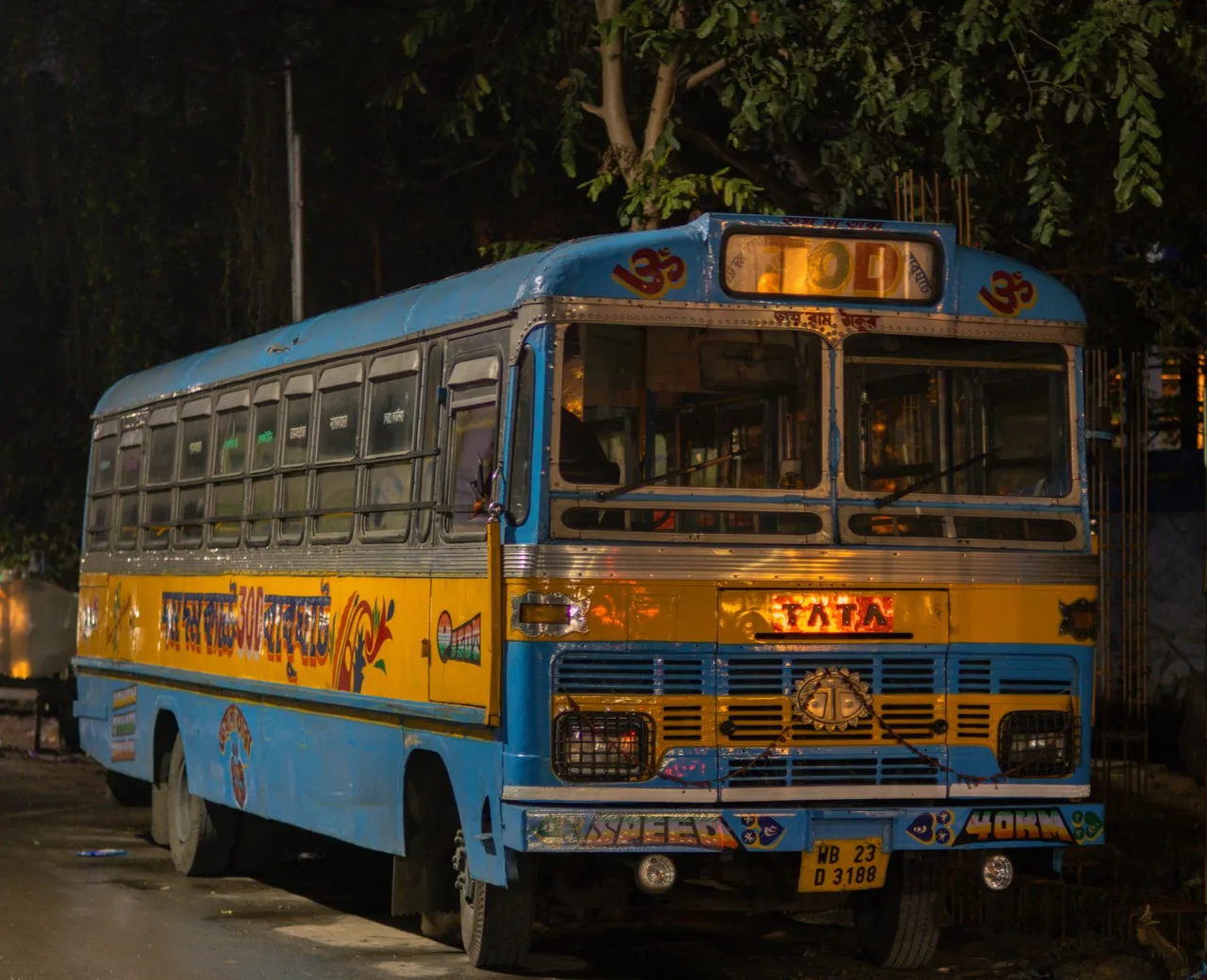
Search for a "Tata cycle" and you will find plenty of results, but the story behind the name surprises many buyers. The Tata Group's bicycles are sold under the Stryder brand, run by Tata International, rather than under a plain Tata badge. This complete guide explains what Tata Stryder actually is, the range it offers, how it is built, and how to buy one sensibly, using only verified brand facts.
The short version
- The Tata Group's bicycle brand is Stryder, also known as Tata Stryder, a wholly owned subsidiary of Tata International.
- Stryder began retailing in India in 2009 and manufactures its bicycles in Ludhiana, Punjab.
- The range spans e-bikes, premium, mountain, kids, ladies, and roadster bikes, and Stryder reports availability at over 4,000 retail outlets across India.
- Prices vary by model, spec, and region, so treat any figure as a broad range and confirm with a local dealer before buying.
What "Tata cycle" really means
There is a common misunderstanding worth clearing up first. The Tata Group does not sell bicycles under a bare "Tata" name. Its cycling arm is Stryder, marketed as Tata Stryder, which operates as a wholly owned subsidiary of Tata International. So when people search for a Tata cycle, what they are almost always looking for is a Stryder bike backed by the Tata Group.
That distinction matters when you shop, because it tells you which brand to look for on the frame and which dealer network to trust. According to Stryder's own About page, the business is a wholly owned subsidiary of Tata International, which anchors the brand within the wider Tata Group.
The origins of Tata Stryder

Stryder's roots are unusual for a bicycle brand. It was originally set up within Tata International with a philanthropic purpose: supplying quality bicycles to World Bicycle Relief in Africa, an organisation that uses bikes to improve access to education, healthcare, and work in rural communities. In 2009, the products began retailing in the Indian domestic market under the Tata Stryder brand, and the brand marked ten years of operations in 2020.
From that base, Stryder grew into a mainstream Indian bicycle brand with an export footprint. Alongside its domestic presence, the company reports export operations across SAARC nations, Africa, and the Middle East, and states more than three million riders across its markets. As with any brand's own figures, treat those numbers as company claims rather than independently audited statistics.
The Tata Stryder range
Stryder covers most of the categories a general buyer needs, from children's first bikes to assisted e-bikes. The exact line-up changes over time, but the brand groups its bicycles into several clear ranges.
- E-bikes: electrically assisted models for easier commuting and hills. Our electric bike guide and electric cycle guide explain how this category works.
- Premium bikes: lightweight aluminium models aimed at performance and endurance riding.
- Mountain bikes (MTB): models with off-road geometry and high-traction tyres, covered in our mountain bike guide.
- Ladies bikes: comfort-focused frames offered in a range of colours.
- Kids bikes: children's models with features like chain guards and removable training wheels, similar to those in our kids bikes guide.
- Roadster and SLR: traditional utility roadsters and sport-leisure-road styles for everyday riding.
Tata International's bicycles product page lists premium, MTB, ladies, and kids ranges, each offered in multiple sizes and colours.
How Tata Stryder bikes are built
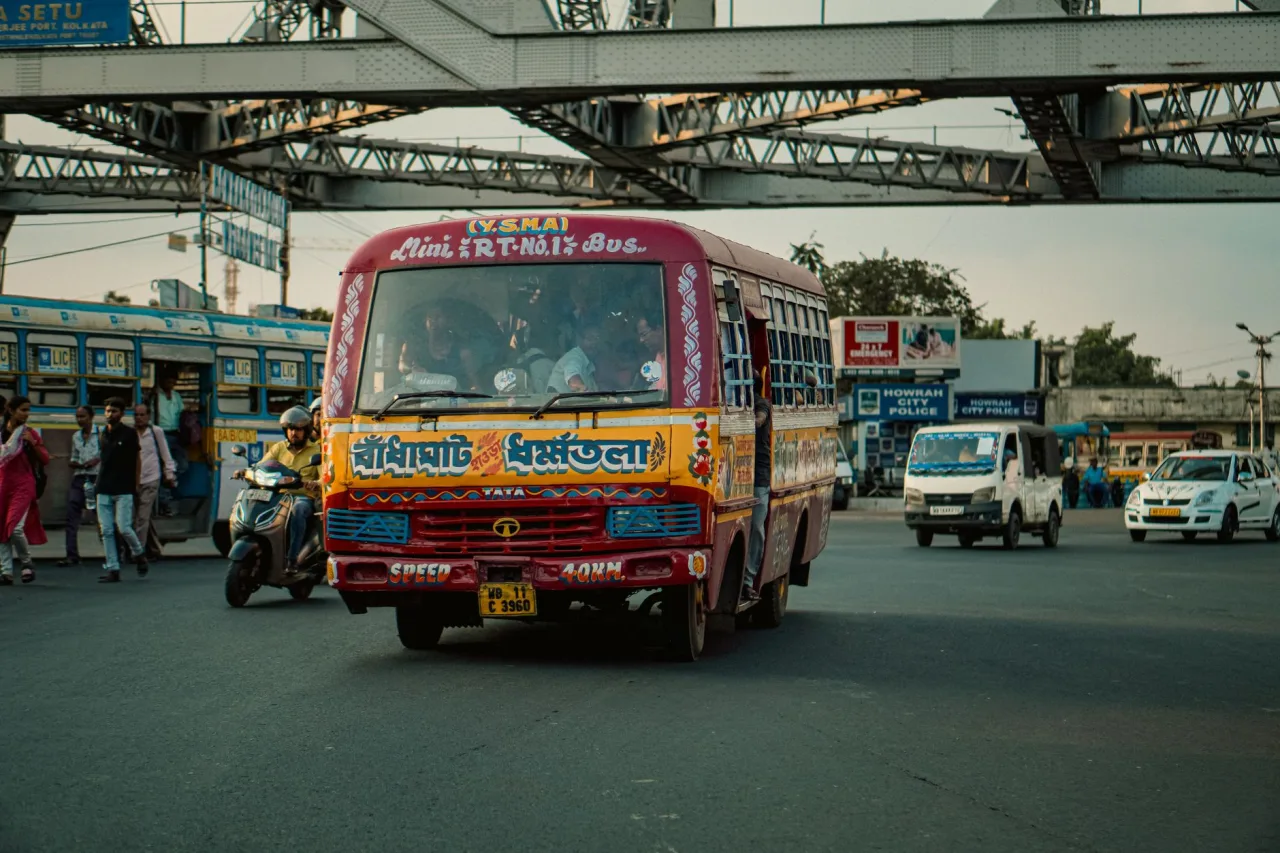
One selling point Stryder emphasises is its use of recognisable components and materials, several drawn from the wider Tata Group. Based on the brand's stated specifications, its bikes commonly feature:
- Tata Steel tubing: frames built using steel tubes from the group's steel business.
- Ralco tyres: a known Indian tyre supplier.
- Shimano gearing: components from the global drivetrain manufacturer on geared models.
Manufacturing and assembly take place at the company's facility in Ludhiana, Punjab, a long-established hub of India's bicycle industry. Sourcing recognised components is a reassuring sign, but as always the real test is how a specific model rides and how well it is assembled at the point of sale.
Tip: check the assembly, not just the brand
A good brand badge does not guarantee a well-set-up bike. Whether you buy a Stryder or any other make, have the gears indexed, brakes adjusted, and wheels trued before you ride off, and book a first service after the initial weeks as cables settle.
Who Tata Stryder bikes suit
Stryder positions itself as an accessible, value-oriented brand rather than a premium enthusiast marque, and that shapes who it suits best. It is a sensible option for everyday riders, commuters, families, and first-time buyers, particularly in India and its export markets where the dealer network is strong.
If you are a dedicated racer or a serious off-road rider chasing high-end performance, you will likely be comparing specialist brands instead. But for practical, day-to-day cycling at an accessible price, a widely available brand with a broad dealer network is a reasonable place to start. To weigh it against other options, our complete guide to bikes and new bike guide lay out the wider market.
The strongest practical argument for a mainstream brand like Stryder is the network behind it. A bike is only as useful as your ability to keep it running, and a wide dealer footprint means spare parts, servicing, and warranty support are usually within reach. That everyday convenience often matters more to a commuter or family than a few hundred grams of frame weight, which is exactly the trade a value brand is designed to offer. If you ride mainly to get to work, run errands, or teach children to cycle, that reliability of support is worth weighing heavily.
It is also worth being clear-eyed about what a value brand is not. You are unlikely to find cutting-edge race technology or the lightest exotic materials here, and that is by design rather than a flaw. The right way to judge any Stryder model is against others in its price bracket and intended use, not against a premium enthusiast bike costing several times more.
How to buy a Tata Stryder well
Because Stryder sells through a large retail network, the buying advice is much the same as for any mainstream brand. Focus on fit, assembly, and after-sales support rather than the badge alone.
- Confirm the model and spec. Match the range (e-bike, MTB, roadster, kids) to how and where you will ride.
- Buy from an authorised dealer. A proper dealer assembles the bike correctly and supports warranty claims.
- Check the fit. Frame size should match your height and inside leg, and you should be able to sit on the bike before buying.
- Ask about service and warranty. Confirm what the warranty covers and where you can get the bike serviced locally.
For realistic budgeting before you shop, see our breakdown of bicycle prices in 2026 and our practical guide to buying a cycle. Stryder prices vary by model, spec, and region, so always confirm current pricing with a local dealer rather than relying on an old figure.
Warning: verify the seller for e-bikes especially
Electric models carry motors and batteries that need trained handling and genuine parts. Buy Stryder e-bikes from authorised dealers, confirm the warranty terms, and make sure local service is available before you commit, so you are not left stranded if something needs attention.
The bigger picture
Tata Stryder is a useful example of how a large industrial group can enter cycling through a dedicated brand rather than its main name. For buyers, the practical takeaway is simple: look for Stryder on the frame, buy through its dealer network, and judge the individual bike on fit, build, and service rather than the group behind it. For the broader engineering and history of bicycles, the Wikipedia overview of the bicycle is a solid neutral reference to read alongside any brand's own materials.
Frequently asked questions
Does Tata make bicycles?
The Tata Group's bicycles are sold under the Stryder brand, also called Tata Stryder, which is a wholly owned subsidiary of Tata International rather than a plain Tata-badged product. So while there is no bare "Tata cycle" as such, Stryder bikes are genuinely backed by the Tata Group.
Where are Tata Stryder cycles made?
Tata Stryder manufactures and assembles its bicycles at a facility in Ludhiana, Punjab, a long-established centre of India's bicycle industry. The brand began retailing in the Indian market in 2009 and reports availability at more than 4,000 retail outlets across the country.
What types of bikes does Tata Stryder offer?
Stryder's range spans e-bikes, premium aluminium bikes, mountain bikes, ladies bikes, kids bikes, and roadster and sport-leisure-road models, each typically offered in several sizes and colours. This broad line-up aims at everyday riders, commuters, and families rather than high-end racing.
Are Tata Stryder bikes good quality?
Stryder positions itself as an accessible, value-oriented brand and states it uses recognised components such as Tata Steel tubing, Ralco tyres, and Shimano gearing on geared models. Recognised parts are reassuring, but the real test is how a specific model is assembled and rides, so check fit and setup before buying and use an authorised dealer.
How much does a Tata Stryder cycle cost?
Prices vary widely by model, specification, and region, from budget everyday bikes up to pricier e-bikes and premium models. Because these figures change over time and by location, always confirm current pricing with a local authorised dealer rather than relying on an old or advertised number.
More guides on Cycling (General)
Have a question or a topic to suggest?
We read every message. Tell us what you would like to see next on the blog.
Get in touchYou may also like
Bike: The Complete Guide
A beginner-friendly complete guide to bikes: history, the main types, anatomy, how to choose and size the right one, plus safety and basic maintenance.
New Bike: The Complete Guide
A practical guide to buying a new bike: match the type to your riding, budget for the whole package, nail the fit, and choose where to buy so it still feels like a good decision a year later.
Electric Cycle: The Complete Guide
An electric cycle adds a battery, motor, and controller to a normal bike. Here are the types, the specs that matter, realistic prices, and how to pick well.