Fat Bikes · Cycling (General)
Fat Bike: The Complete Guide
Oversized tires, low pressure, and real flotation: how fat bikes work and who they are for.
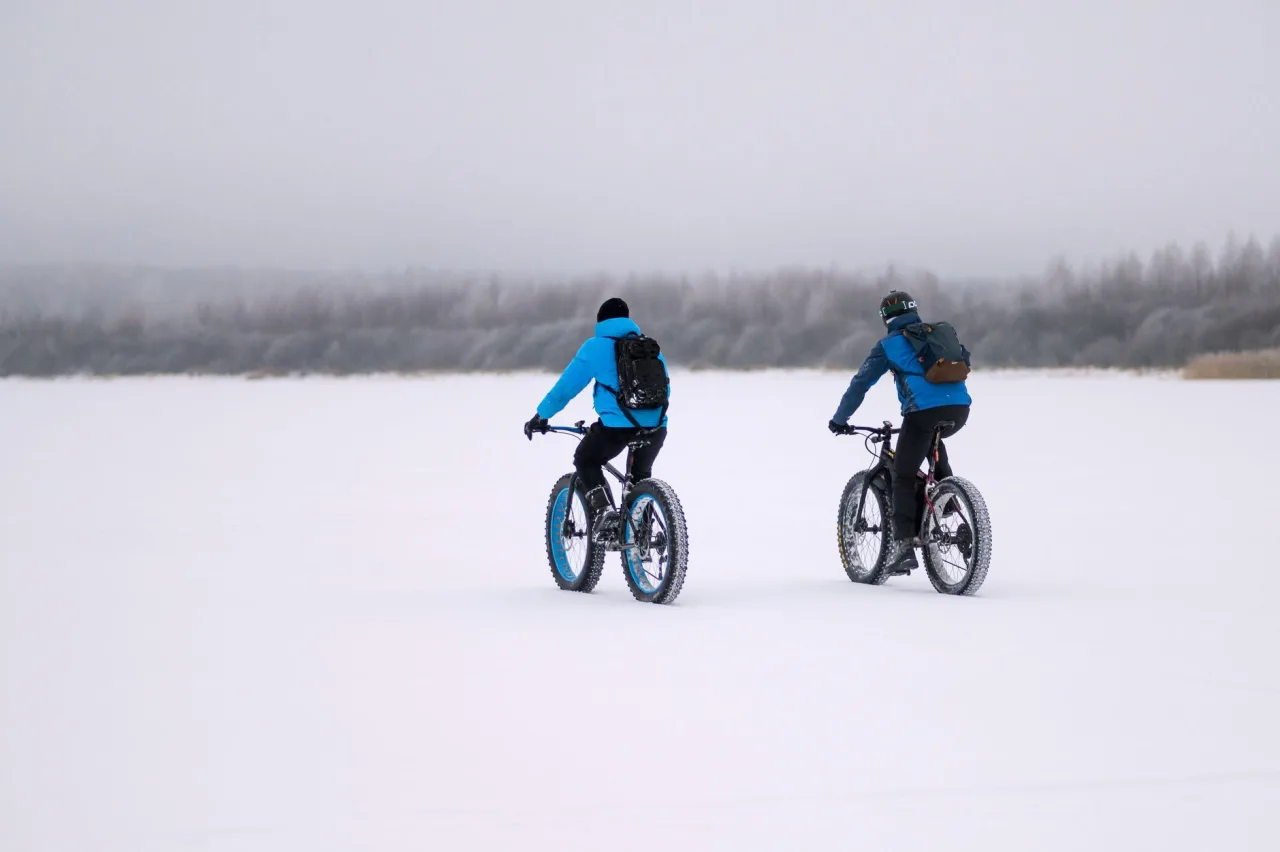
A fat bike looks almost cartoonish next to a normal bicycle, with tires wide enough to float over snow, sand, and mud that would stop any other bike dead. That flotation is the whole point. This guide explains what fat bikes do well, where they struggle, and how to decide whether one belongs in your garage.
The short version
- A fat bike is defined by oversized tires, typically 3.8 inches or wider, on extra-wide rims.
- Those tires run at very low pressure to spread the bike's weight and grip soft, unstable ground.
- They excel on snow, sand, bogs, and mud, and are slower and heavier than a normal bike on pavement.
- Great as a winter or beach bike and a confidence builder for new off-road riders, less ideal as an only bike for fast road miles.
What makes a bike a fat bike
The single feature that defines the category is tire size. According to Wikipedia's entry on fatbikes, the tires are typically 3.8 inches (about 97 mm) or larger and sit on rims 2.16 inches (55 mm) or wider. For comparison, a normal mountain bike tire is often around 2.1 to 2.4 inches. That extra rubber changes how the bike behaves everywhere.
Fat bikes are built for low ground pressure. By spreading the rider's weight across a much larger contact patch and running the tires soft, the bike stays on top of surfaces that would swallow a narrow tire. The same source notes that fatbikes handle snow, sand, desert, bogs, mud, pavement, and traditional mountain trails, which is a wider range of terrain than almost any other single bike.
How fat bikes ride
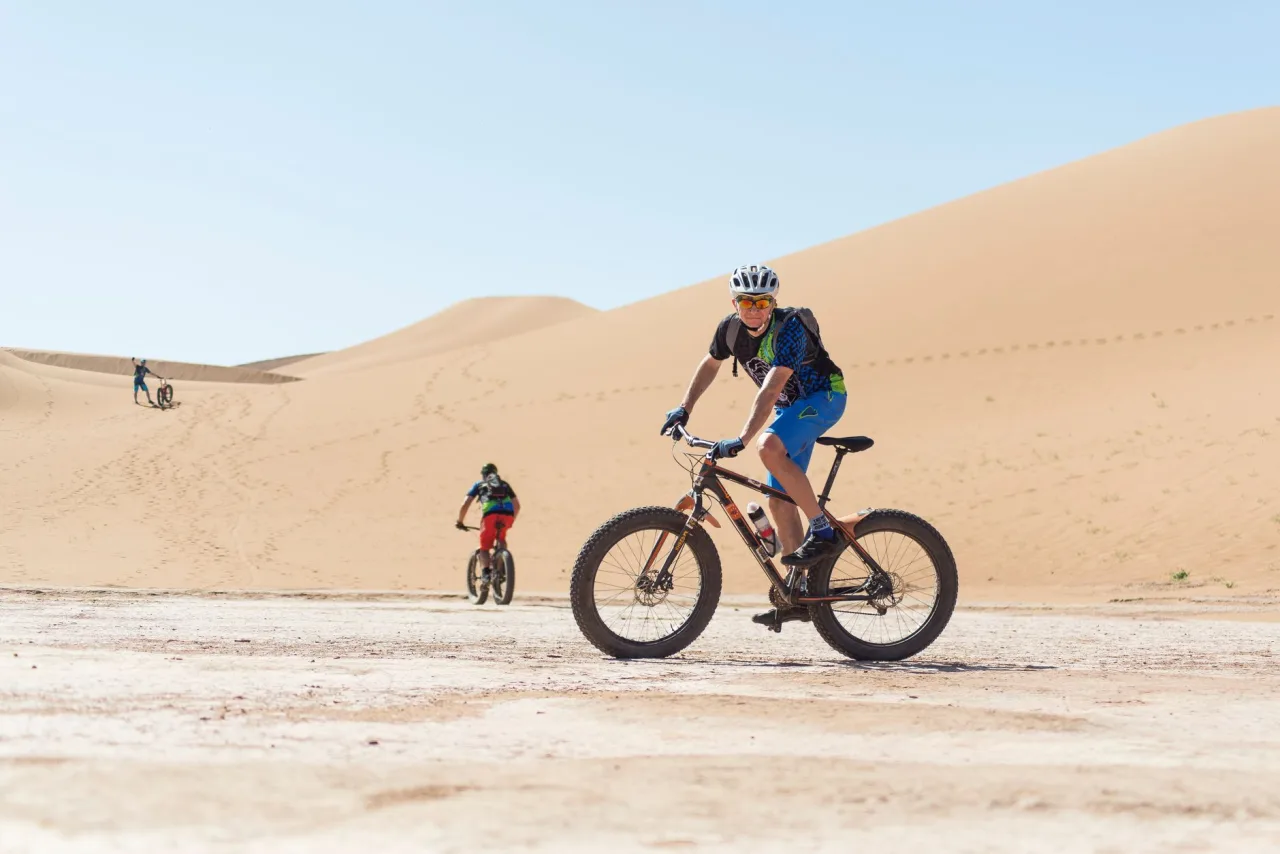
The first thing riders notice is grip. Those huge tires claw for traction on loose and slippery ground, which makes a fat bike remarkably forgiving. Where a regular mountain bike might wash out, a fat bike often just keeps rolling. That confidence is a big reason the bikes appeal to beginners.
The trade-offs are weight and rolling resistance. All that rubber is heavy and slow to accelerate, and on smooth pavement a fat bike feels sluggish compared with a road or hybrid bike. It is a machine you choose for capability, not speed. If your riding is mostly on sealed roads, a lighter bike will serve you better, and our complete guide to cycling can help you compare categories.
Tire pressure is everything
No single skill matters more on a fat bike than reading tire pressure. Because the tires are so large, small pressure changes have a big effect on how the bike floats and grips.
- Firm packed snow or hard sand: slightly higher pressure rolls faster and steers more precisely.
- Soft, deep snow or dry loose sand: drop the pressure so the tire spreads out and stops sinking.
- General trail use: start in the middle of the recommended range and adjust to conditions.
Tip
Fat bikes often run pressures far lower than you would expect, sometimes in the single digits of psi for deep snow. Use a low-pressure gauge, since a standard high-pressure gauge is too coarse to read accurately at these levels. Our bike pump guide covers gauges.
Fat bike vs fat tire bike
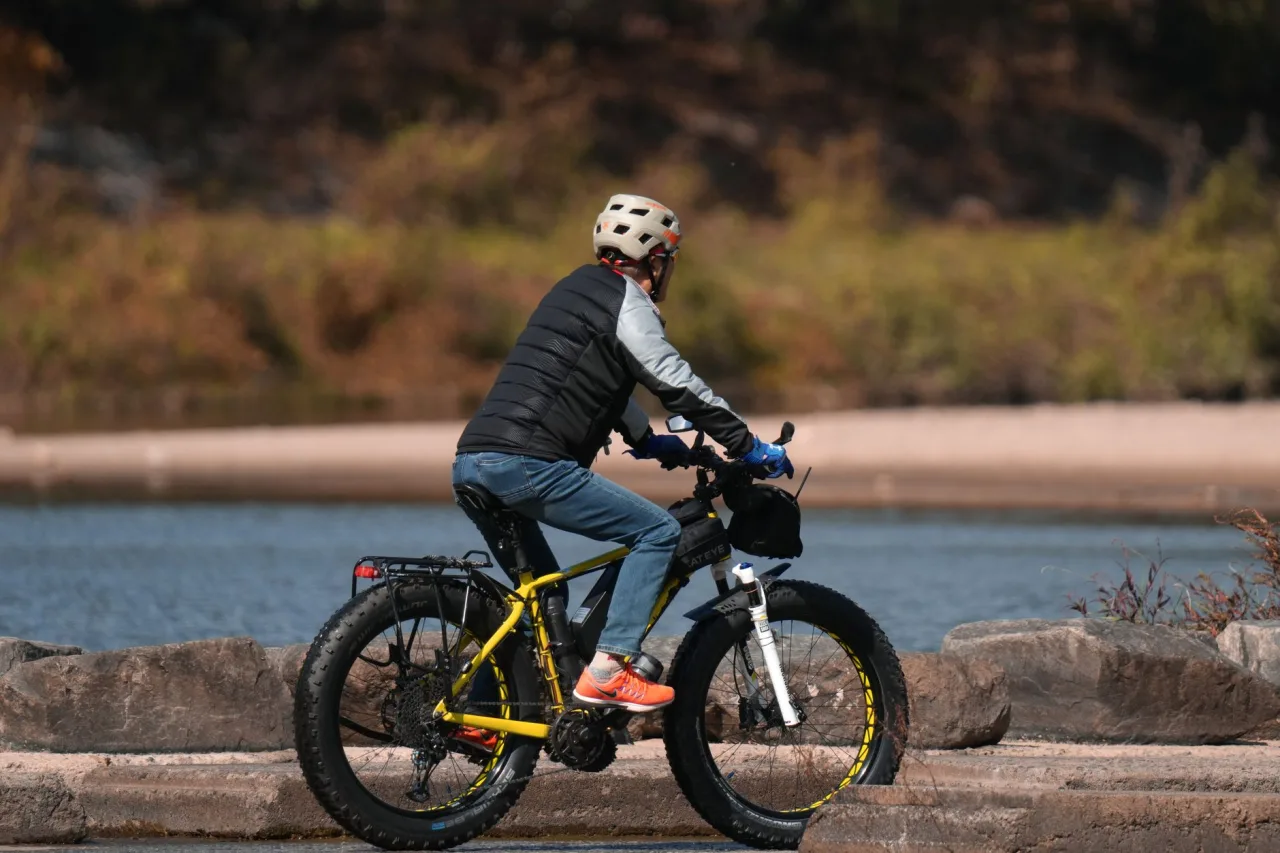
The terms overlap and get used loosely, which causes confusion. A true fat bike is built around genuinely oversized tires and matching wide rims. Many electric bikes marketed as fat tire bikes use somewhat wider tires for comfort and stability but are not always full fat bikes in the classic sense. If flotation on snow and sand is your goal, check the actual tire width rather than trusting the marketing name. Our fat tire bike guide untangles the differences.
Who should buy one
A fat bike makes the most sense if you fall into one of these groups:
- Winter riders who want to keep cycling when trails and paths are covered in snow.
- Beach and desert riders who need to cross soft sand that stops other bikes.
- Nervous off-road beginners who value the extra grip and stability while learning.
- Riders in wet, muddy regions where soft ground is the norm for months at a time.
If none of those describe your typical ride, a standard mountain, gravel, or hybrid bike will likely be faster and more comfortable. A fat bike is a specialist tool that shines in the conditions it was made for.
What a fat bike costs
Prices vary by brand, components, and region, so confirm current numbers with a local shop before buying. As a general pattern, entry-level fat bikes from mainstream brands cost roughly the same as a mid-range hardtail mountain bike, while models with air suspension, hydraulic disc brakes, and lighter frames sit higher. Electric fat bikes add a further premium for the motor and battery.
Because fat bikes are a niche, spare tires and tubes can be pricier and harder to find than standard sizes. Factor that into ownership costs, and ask your shop whether they stock parts for the model you are considering.
Riding and caring for a fat bike
Fat bikes are mechanically similar to mountain bikes, so the same maintenance habits apply. Keep the chain clean and lubricated, check brakes before each ride, and rinse off salt and grit after snowy or beach outings to prevent corrosion. Salt in particular is hard on drivetrains, so a quick rinse and re-lube after winter rides pays off.
For places to ride, groomed winter trails and firm beaches are ideal. Our bike trail guide explains how to find suitable routes, and warm, breathable layers matter more than usual in cold conditions, as covered in our cycling gear guide.
Frequently asked questions
How wide are fat bike tires?
Fat bike tires are typically 3.8 inches (about 97 mm) or wider, mounted on rims of roughly 2.16 inches (55 mm) or more. That is significantly wider than a standard mountain bike tire, which usually measures around 2.1 to 2.4 inches.
Can you ride a fat bike on pavement?
Yes, a fat bike rides fine on pavement, but it feels heavy and slow compared with a road or hybrid bike because of the large, high-resistance tires. It works for short paved sections and casual riding, though it is not the right choice if most of your miles are on the road.
Are fat bikes good for beginners?
They can be excellent for beginners heading off road. The wide tires provide extra grip and stability, which makes loose and slippery ground far less intimidating. The main downsides are the weight and slower speed, which matter less when you are still building confidence.
Do fat bikes work in snow?
Snow is one of the surfaces fat bikes were designed for. Running the oversized tires at low pressure lets the bike float on top of soft snow rather than sinking in. Groomed or packed snow works best, while very deep, unconsolidated snow challenges any bike.
Is a fat bike the same as a fat tire electric bike?
Not necessarily. A classic fat bike is defined by genuinely oversized tires and wide rims, while some electric bikes labeled fat tire use moderately wider tires for comfort without full flotation. If snow and sand performance matters, check the actual tire width rather than relying on the product name.
More guides on Cycling (General)
Have a question or a topic to suggest?
We read every message. Tell us what you would like to see next on the blog.
Get in touchYou may also like

Cycling: The Complete Guide
Cycling works as transport, exercise, and stress relief at once. Here is how to choose a bike, the gear that matters, where to ride, and the habits that make riding stick.
Fat Tire Bike
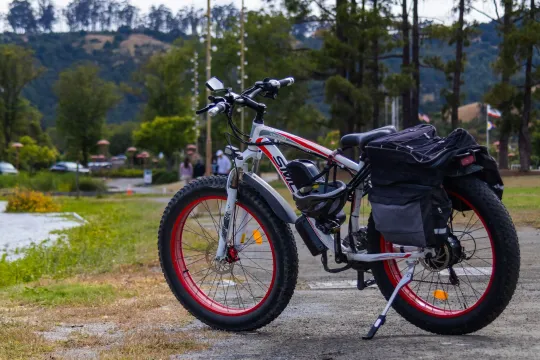
A fat tire bike is instantly recognizable by its enormous, balloon-like tires, and those tires are the whole point. This complete guide explains what fat bikes are built
Mountain Bike: The Complete Guide
Everything you need to choose a mountain bike: the main types, wheel sizes, key components, how to pick your first bike and the gear and care that keep it running.