Buyer's Guide · Cycling (General)
Adult Bike: The Complete Guide
Types, sizing, components and realistic prices to help you choose the right adult bicycle and buy it well.
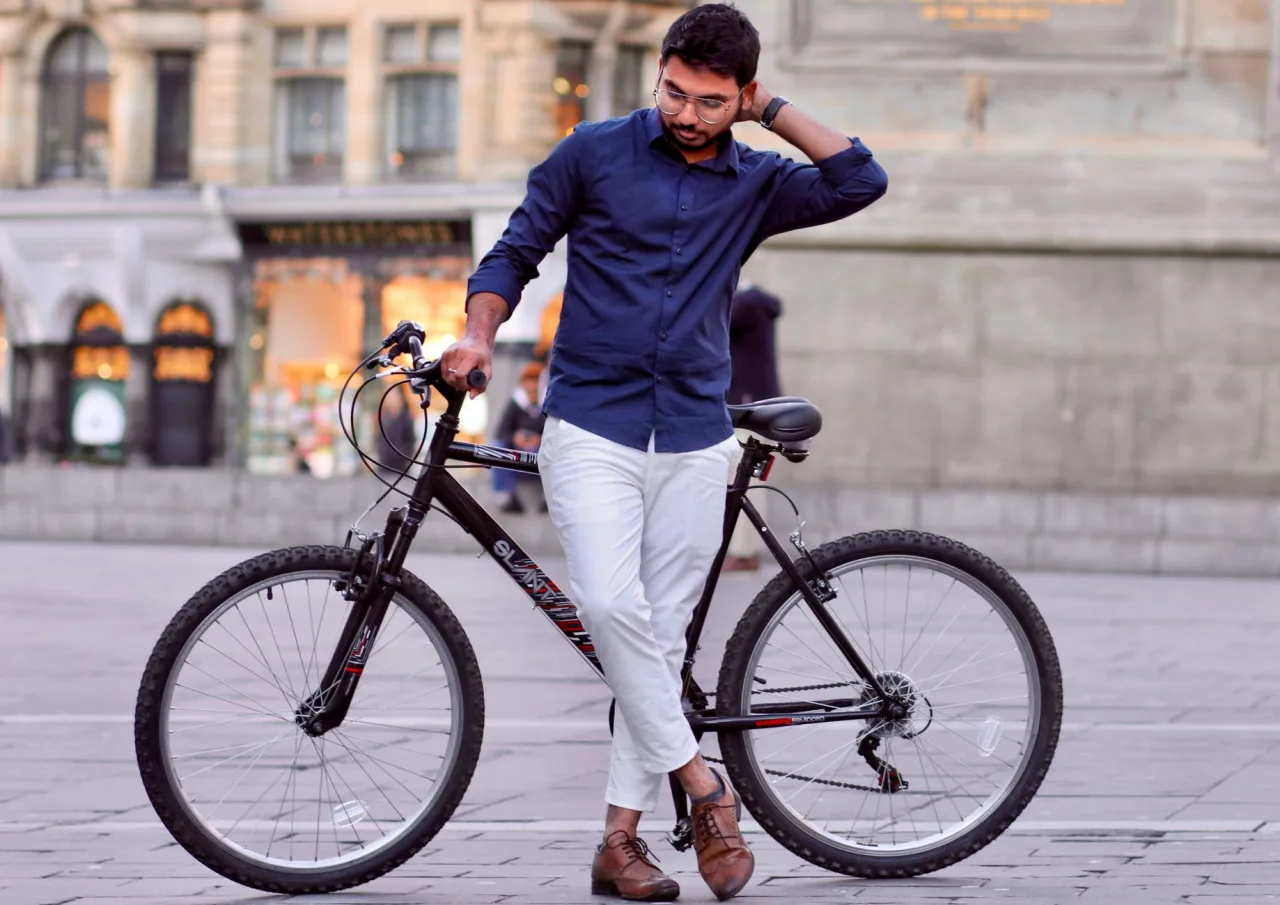
An "adult bike" is not one product but a whole family of designs, each tuned for a different rider, route, and budget. This guide explains the main types, how to size a bike to your body, what to spend in 2026, and how to buy from a shop that will actually stand behind the bike.
The short version
- Start with how and where you will ride, not with a brand. Commuting, fitness, trails, and long road miles each point to a different type of adult bike.
- The five most common adult categories are road, mountain, hybrid, gravel, and electric. Cruisers and folding bikes cover comfort and small-space needs.
- Correct frame size and saddle height matter more than any component. A well-fitted mid-price bike beats a poorly fitted expensive one.
- Budget realistically. A dependable new adult bike from a known brand usually starts in the low-to-mid hundreds of US dollars and rises from there. Prices vary, so confirm locally.
What counts as an adult bike
An adult bike is simply a bicycle sized and geared for a full-grown rider, typically built around 26-inch, 27.5-inch, 700c, or 29-inch wheels depending on the type. According to Wikipedia's overview of the bicycle, more than a billion bicycles exist worldwide, and they remain the most common vehicle on the planet. That scale is why the adult category splits into so many specialised shapes: a bike optimised for a fast road ride is a poor fit for muddy trails, and the reverse is equally true.
Rather than memorise every sub-type, decide what job the bike must do. If you want a broader tour of every shape on the market, our types of bicycles guide lays them out side by side.
The main types of adult bike
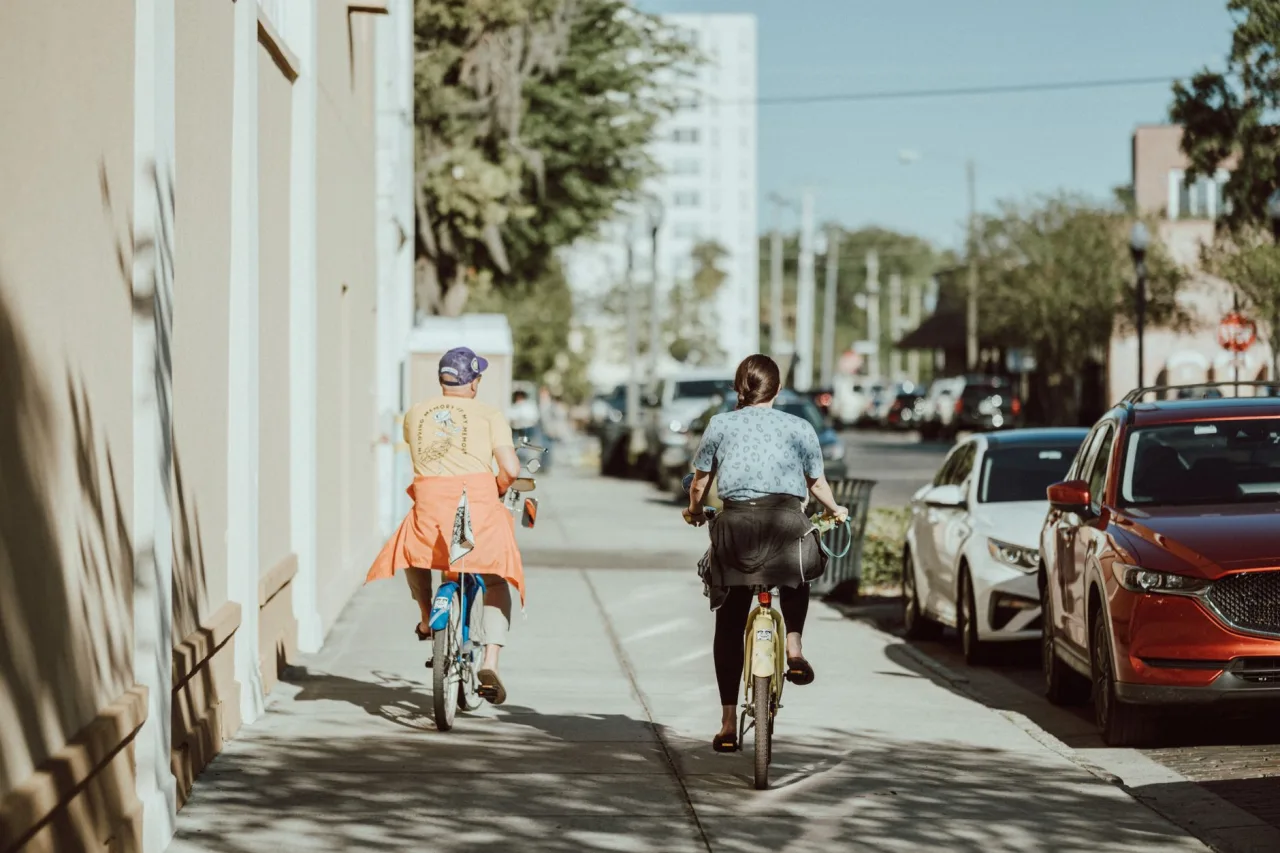
- Road bikes: Lightweight frames, drop handlebars, and thin tires built for speed and distance on paved roads. Efficient and fast, but less forgiving on rough surfaces. See our road bike guide for the details.
- Mountain bikes: Suspension, wide knobby tires, and strong brakes for off-road terrain. Rugged and capable, though heavier and slower on pavement. Our mountain bike guide covers hardtail versus full-suspension.
- Hybrid bikes: A blend of road and mountain traits with an upright, comfortable position. A strong all-rounder for commuting and fitness. Our hybrid bike guide explains the trade-offs.
- Gravel bikes: Road-style bikes with clearance for wider tires, made for mixed surfaces and light adventure riding.
- Electric bikes: Any of the above with a motor and battery that assist your pedaling, flattening hills and extending range. Our electric bike guide explains classes and battery life.
Comfort-focused cruisers and space-saving folding bikes round out the field, but for most adults the choice starts among these five.
How to match a bike to your riding
The fastest way to a bike you will actually ride is to be honest about your routes and goals.
- Commuting on pavement: A hybrid or a lightweight electric bike shines here, especially with mudguards, a rack, and lights.
- Fitness and long road miles: A road or gravel bike rewards you with speed and efficiency.
- Trails and off-road: A mountain bike is the only sensible choice; a hardtail is fine to start.
- Hills, longer distances, or a return to cycling: An electric bike removes the biggest barriers to riding regularly.
- Small storage or mixed car-and-bike trips: A folding bike solves space problems that no other type can.
Buyer tip
- If you are unsure, a good hybrid is the safest first adult bike. It handles pavement, light gravel, and daily errands well, and it lets you discover what kind of riding you enjoy before you commit to a specialist bike.
Getting the size and fit right

Frame size is the single most important decision, because a frame that is too big or too small cannot be fixed with adjustments. Manufacturers publish size charts against your height and inseam, and sizes are given either as small, medium, and large or as a frame measurement in centimeters or inches. Use the chart as a starting point, then confirm the fit in person.
Once the frame is right, fine-tune these:
- Saddle height: With the pedal at its lowest point, your knee should have a slight bend. Too low strains the knees, too high rocks your hips.
- Reach: You should reach the handlebars without stretching or feeling cramped. Stem length and handlebar position can adjust this.
- Standover clearance: You should be able to stand over the top tube with both feet flat and a little room to spare.
A shop fitting is worth it. The right saddle height and reach turn a bike from a chore into a pleasure.
What to look for in the components
Once type and size are settled, judge the build. Frame material sets the character: aluminum is light and affordable, steel is durable and smooth, and carbon fiber is light and stiff but pricey. Brakes matter for safety: disc brakes, especially hydraulic, give stronger and more consistent stopping than rim brakes, particularly in the wet. The drivetrain (the gears) should have a range suited to your terrain, with lower gears for hills.
Do not obsess over having the newest parts. Reliable mid-tier components from established makers such as Shimano and SRAM serve most riders well for years, and a good shop can service them anywhere.
Realistic adult bike prices in 2026
Prices vary widely by type, brand, and specification, so treat these as ranges and confirm current figures locally.
- Entry hybrid or basic road bike: roughly 300 to 700 US dollars for a dependable model from a known brand.
- Mid-range road, gravel, or hardtail mountain bike: roughly 700 to 2,000.
- Quality full-suspension mountain or performance road bike: often 2,000 and well beyond.
- Electric bikes: commonly 1,000 to 4,000 or more, since the motor and battery add real cost.
Be cautious with very cheap department-store bikes: they are often heavy, poorly assembled, and hard to service. For the full picture, our bicycle price breakdown shows where the money goes, and our new bike guide weighs new against used.
Safety note
- Budget for a properly fitted helmet from the start, not as an afterthought. Our bike helmet guide explains fit and safety standards, and lights plus a lock should be on your first-purchase list too.
Where and how to buy
A good local bike shop is worth more than a small discount online. A shop sizes the bike to you, assembles it correctly, often includes a free first tune-up, and supports future service and warranty claims. Judge a shop against a short checklist:
- They ask about your riding and fit the bike to you rather than pushing the most expensive model.
- They let you test ride before you commit.
- They explain warranty coverage and what the first service includes.
- They offer ongoing maintenance and stock common spare parts.
Our guide to finding trusted local bike shops explains how to vet a store before you hand over any money.
Frequently asked questions
What type of adult bike is best for a beginner?
A hybrid bike is usually the best first adult bike. It combines the comfortable upright position of a mountain bike with the efficiency of a road bike, handling pavement, light gravel, and daily errands well. It lets you discover what kind of riding you enjoy before committing to a specialist road or mountain bike.
How do I know what size adult bike I need?
Start with the manufacturer's size chart, which matches your height and inseam to a frame size given as small, medium, and large or in centimeters. Then confirm in person: you should be able to stand over the top tube with clearance, reach the handlebars comfortably, and set the saddle so your knee is slightly bent at the bottom of the pedal stroke.
How much should I spend on an adult bike?
A dependable new adult bike from a known brand usually starts in the low-to-mid hundreds of US dollars, with entry hybrids and road bikes around 300 to 700 and mid-range models around 700 to 2,000. Electric bikes typically cost more. Prices vary by type and brand, so confirm current figures locally, and be wary of very cheap department-store bikes.
Is an electric bike a good choice for an adult?
Yes, for many riders. An electric bike flattens hills, extends your range, and makes it easier to ride regularly, which is especially helpful for commuting, longer distances, or returning to cycling after a break. They cost more than non-assisted bikes and are heavier, so weigh those trade-offs against how much the assistance will help you.
Should I buy from a local bike shop or online?
A local bike shop is usually the better choice, especially for a first bike. A good shop sizes the bike to you, assembles it correctly, often includes a free first tune-up, and supports future service and warranty claims. The value of correct fit and ongoing support typically outweighs a small online discount.
More guides on Cycling (General)
Have a question or a topic to suggest?
We read every message. Tell us what you would like to see next on the blog.
Get in touchYou may also like
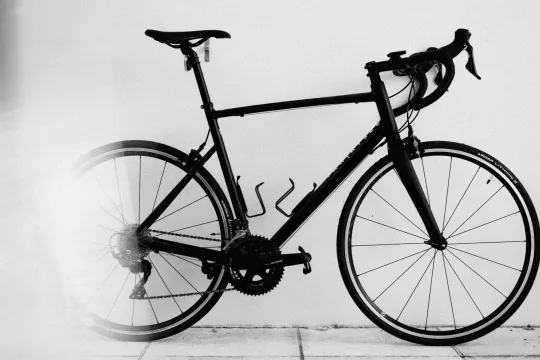
Road Bike: The Complete Guide
Choose the right road bike with confidence: the main types, frame materials, components that matter, why fit beats everything, and how much to sensibly spend.

Mountain Bike: The Complete Guide
Everything you need to choose a mountain bike: the main types, wheel sizes, key components, how to pick your first bike and the gear and care that keep it running.
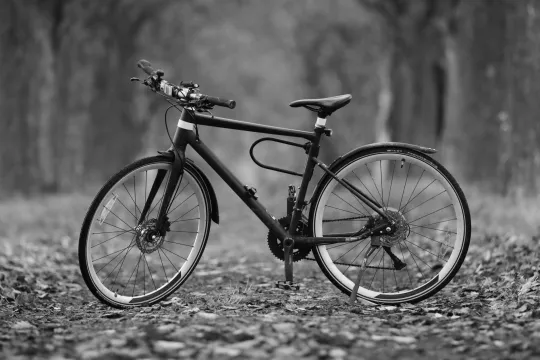
Hybrid Bike: The Complete Guide
The do-everything bike for commuting, fitness, and weekend rides. Understand the subtypes, sizing, and trade-offs, then pick a hybrid that fits how you actually ride.