Buying Guides
Bicycle Price in 2026: Real Ranges
A bicycle can cost less than a nice dinner or more than a used car, and both extremes are sold in the same shop.
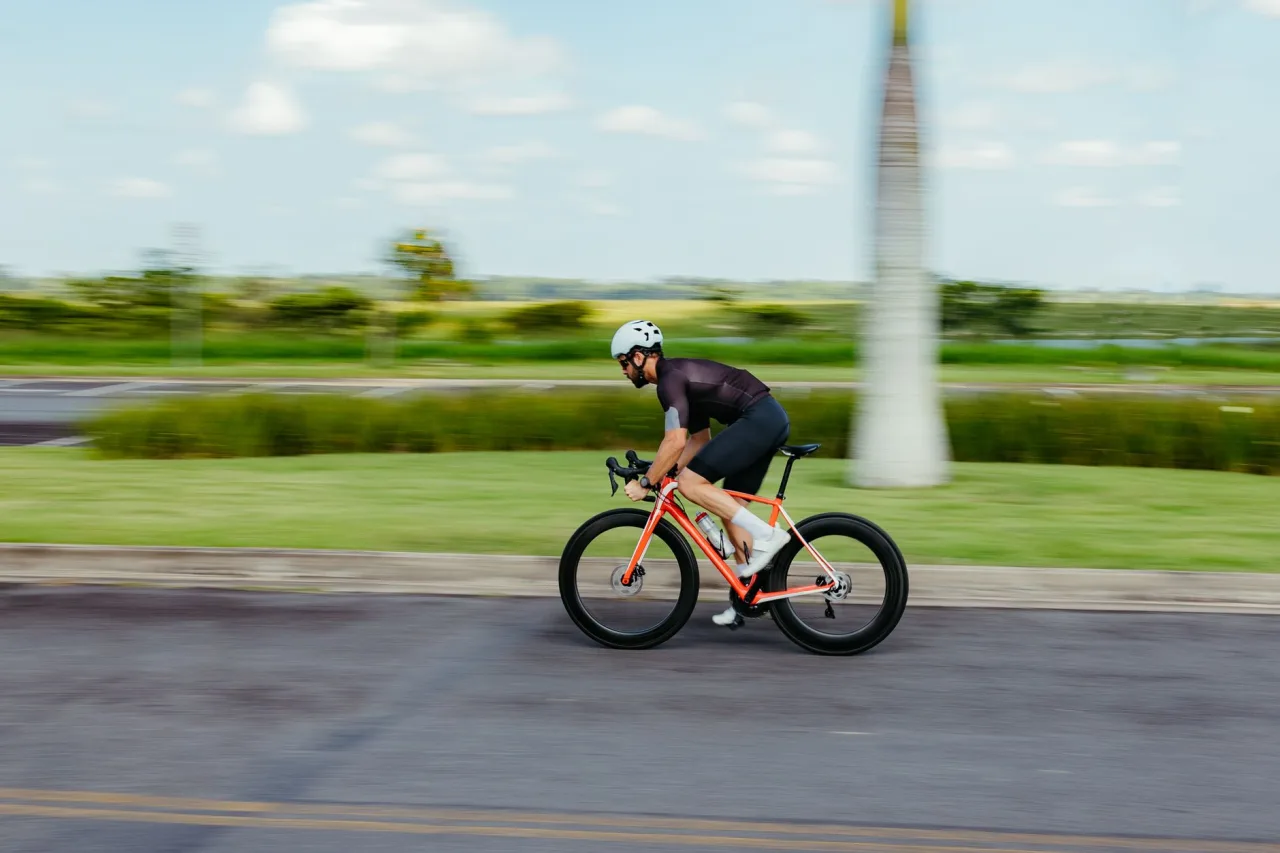
A bicycle can cost less than a nice dinner or more than a used car, and both extremes are sold in the same shop. The trick to spending well is understanding what actually drives the price, so you pay for parts that matter to you and skip the ones that do not. This guide lays out honest 2026 price ranges, explains what pushes a bike up or down the ladder, and shows how to judge value on new and used bikes alike.
The short version
- Realistic 2026 ranges run from roughly 150 to 500 US dollars for a basic adult bike, 500 to 1,500 for a solid quality bike, and 2,000 and well beyond for performance models. Prices vary by region and retailer, so confirm locally.
- Frame material, drivetrain quality, brakes, wheels, and whether the bike is electric are the biggest cost drivers.
- New bikes bought online can look cheaper but often arrive part-assembled, while a local shop bundles fitting, a safety check, and a warranty into the price.
- A good used bike from a private seller typically sells for 40 to 60 percent of its original price, but condition matters far more than the sticker.
What a bicycle actually costs in 2026
There is no single price for a bicycle because the category spans toys, transport, and serious sporting equipment. That said, the market clusters into recognisable bands, and knowing them stops you from either overpaying for a commuter or expecting race performance from a supermarket special.
- Budget (roughly 150 to 400 USD): entry level hybrids, basic mountain bikes, and single speed city bikes. Fine for short, flat, occasional riding.
- Mid range (roughly 500 to 1,500 USD): where most riders are best served. Reliable components, lighter frames, and brakes and gears that keep working for years.
- Performance (roughly 2,000 to 6,000 USD and up): lightweight frames, high end drivetrains, and refined handling aimed at enthusiasts and racers.
- Electric bikes: a category of their own, usually starting around 900 to 1,500 USD for something trustworthy and climbing steeply from there.
Treat every figure here as an approximate range rather than a quote. Prices move with currency, import duties, local taxes, and how competitive your area is. If you want to see where electric models sit specifically, our breakdown of electric bike prices covers that ladder in detail.
What actually drives the price up
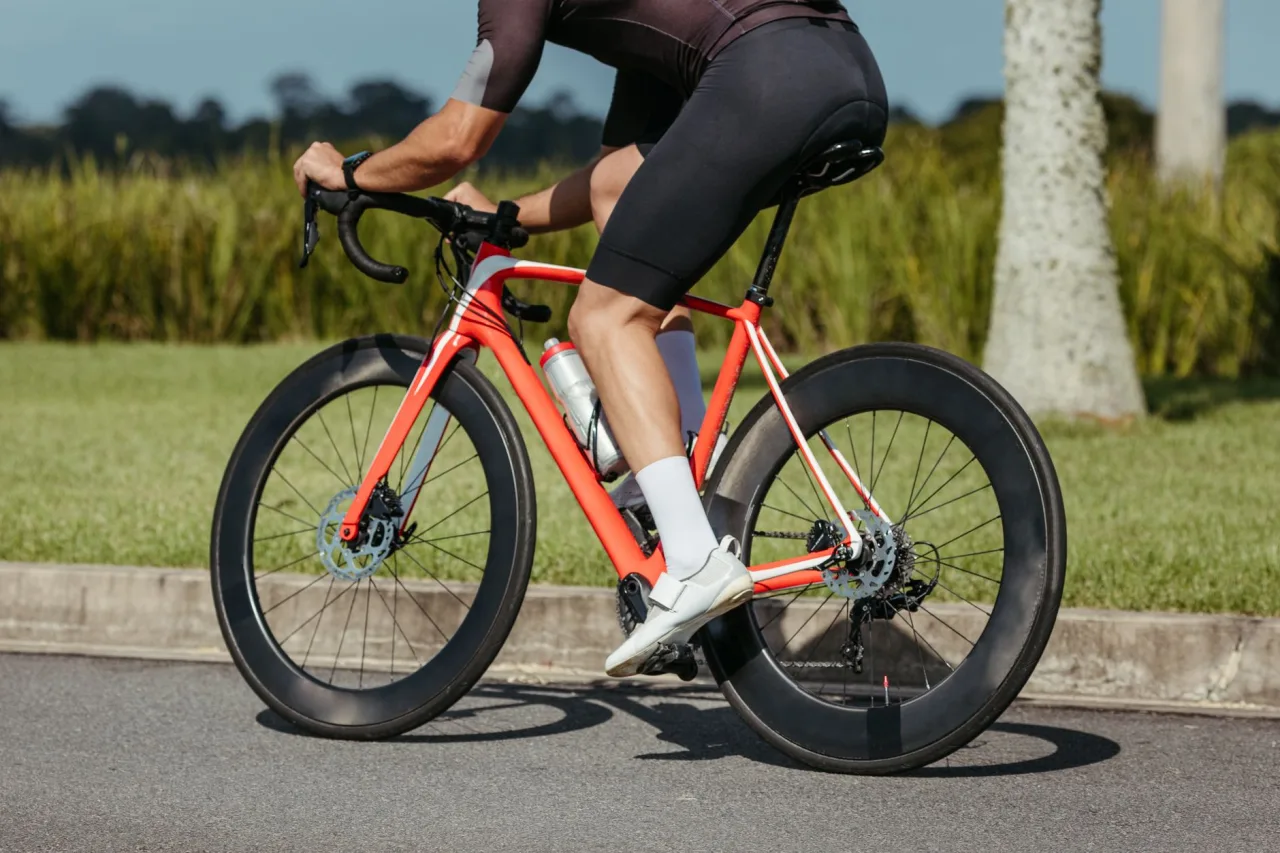
When two bikes on the same rack differ by hundreds of dollars, the gap is almost always explained by a handful of components. Understanding them lets you spot where your money is going.
- Frame material: high tensile steel is cheapest, aluminium is the common mid range choice, and carbon fibre or titanium sit at the top for weight and ride quality.
- Drivetrain: the gears, chain, and shifters. Better groupsets shift more crisply, last longer, and shed weight, which is a large slice of the cost on road and mountain bikes.
- Brakes: basic rim brakes are cheap and serviceable, while hydraulic disc brakes cost more but stop better in the wet.
- Wheels and tyres: often overlooked, yet lighter, better built wheels transform how a bike feels and add real cost.
- Electronics: a motor, battery, and controller can double or triple the price on their own.
The point is not that dearer is always better for you. A commuter who rides three flat miles gains little from a carbon frame, while someone climbing steep hills daily will feel every gram and every gear. Match the spend to your riding, not to the marketing. If you are weighing a specific model, a brand review like our Specialized bike guide shows how trim levels change the number.
Tip: Set your budget first, then ask a shop to show you the best bike at that price rather than the cheapest bike you could get away with. You will nearly always end up with better brakes and gears for a small amount more, and those are the parts you feel every ride.
New versus used: where the value hides
A brand new bike gives you a warranty, the latest standards, and zero unknown history. A used bike gives you far more bike for the money if you buy carefully. Both are valid, and the right choice depends on your budget and how confident you are inspecting a machine.
Bicycles depreciate quickly in their first couple of years, much like cars, so a lightly used two year old bike can offer a large discount over its original price while still riding almost as new. That gap is where patient buyers win. The risk is that you inherit hidden wear or, worse, a stolen frame. Buying from someone who can show a receipt and the original purchase details removes most of that risk.
If you are leaning toward the second hand route, our dedicated guide to second hand bikes walks through inspection step by step. Prefer everything box fresh instead? The new bike guide lays out what your money buys at each tier.
How bicycles depreciate
Depreciation is simply how much value a bike loses over time, and it is the single biggest factor in used pricing. As a rough rule, a typical bike loses a meaningful chunk of its value the moment it leaves the shop, then continues to fall more gently for several years before levelling off.
A few patterns are worth knowing. Well known brands hold value better than unbranded or supermarket bikes because buyers trust them and parts are easy to find. Timeless designs such as steel road bikes and classic mountain bikes depreciate more slowly than fashion driven models. Electric bikes are the exception that falls fastest, because battery health is uncertain and the technology moves quickly, so a five year old e-bike with an ageing battery can be worth surprisingly little.
Condition overrides all of this. A carefully maintained bike with service records commands a premium, while a neglected one with a rusted chain and worn drivetrain is worth less than its year would suggest, because those parts cost real money to replace.
The hidden costs beyond the sticker
The price tag is only part of what a bike costs to own. Budgeting for the extras up front stops the total creeping past what you expected.
- Safety and security kit: a helmet and a decent lock are non negotiable, and it is worth researching how much lock protection your bike and area really need.
- Accessories: lights, mudguards, a pump, and a rack or bag add up quickly but make the bike genuinely usable.
- Maintenance: tyres, brake pads, chains, and cables wear out. Budget a modest yearly sum for servicing, more if you ride hard.
- Assembly and fitting: a proper fit prevents pain and injury, and many shops include a first free service.
None of these are large individually, but together they can add a couple of hundred dollars in the first year. Factoring them in is the difference between a bike you love and one that sits unused because it never quite felt finished.
How to negotiate and buy smart
Prices are more flexible than they look, especially at the end of a model year or on the used market. A little preparation earns real savings without any awkwardness.
- Shop the model year change: retailers discount outgoing stock heavily when new ranges land, often in autumn.
- Bundle, do not just haggle: a shop that will not drop the bike price will often throw in accessories, a lock, or a free service.
- On the used market, inspect then offer: point out genuine wear politely and let the condition justify a fair lower price.
- Do not chase the lowest number blindly: a slightly dearer bike from a shop that fits and services it can cost less over its life than a cheap online bargain that never rides right.
The best single move is to buy from somewhere you can return to. A local relationship is worth real money in free adjustments, honest advice, and warranty help. To find one, see how to choose a good local bike shop.
Watch out: An unusually cheap bike from an unknown online brand can hide its savings in the parts you cannot see, such as heavy wheels, weak brakes, and a drivetrain that wears out fast. The upfront saving often disappears into early repairs and replacements.
Frequently asked questions
How much should a beginner spend on a bicycle?
Most beginners are well served spending somewhere between 500 and 1,000 US dollars on a new bike, which buys reliable brakes, gears, and a frame that will last for years. Spending much less often means heavier, lower quality parts that wear out quickly, while spending much more only pays off once you know your riding style. Prices vary by region and retailer, so confirm current figures locally.
Why are some bicycles so expensive?
The price climbs mainly through frame material, drivetrain quality, brakes, and wheels. Lightweight carbon frames, high end gear systems, and hydraulic disc brakes all cost significantly more to make and perform better. Electric bikes add a motor, battery, and controller, which can double or triple the price on their own.
Do bicycles hold their value?
Bicycles depreciate fairly quickly in the first couple of years, then more slowly. Well known brands and timeless designs such as steel road bikes hold value better than unbranded or fashion driven models. Electric bikes tend to lose value fastest because battery health is uncertain and the technology moves quickly.
Is it cheaper to buy a bike online or from a shop?
Online bikes often show a lower headline price, but they usually arrive part assembled and without a fitting or in person safety check. A local shop bundles assembly, a proper fit, a first service, and easy warranty support into the price, which can make the true cost lower over the life of the bike.
How much does a good used bicycle cost?
A well maintained used bike from a private seller typically sells for around 40 to 60 percent of its original price, depending on age and condition. Condition matters more than the year, so a carefully looked after older bike can be a better buy than a neglected newer one. Always inspect the drivetrain and brakes before agreeing a price.
For a broad reference on how bicycles are built and classified, the Wikipedia overview of the bicycle is a solid starting point, and the electric bicycle article explains the motor and battery systems that add so much to the price.
More guides on Buying Guides & Prices
Have a question or a topic to suggest?
We read every message. Tell us what you would like to see next on the blog.
Get in touchYou may also like
Electric Bike Price: Real Numbers 2026
A clear-eyed breakdown of electric bike prices in 2026: realistic price tiers, what the battery and motor really cost, new versus used, depreciation and how to avoid overpaying.
Second Hand Bikes: Complete Guide
Buy a used bike with confidence: where to look, how to inspect frame, drivetrain and brakes, what to check on a used e-bike, and how to avoid stolen bikes and overpaying.
New Bike: The Complete Guide
A practical guide to buying a new bike: match the type to your riding, budget for the whole package, nail the fit, and choose where to buy so it still feels like a good decision a year later.