Cycling (General) · Cycling (General)
Velo City
Search "velo city" and you land on two related ideas: Velo-city, the world's leading conference on cycling and city planning
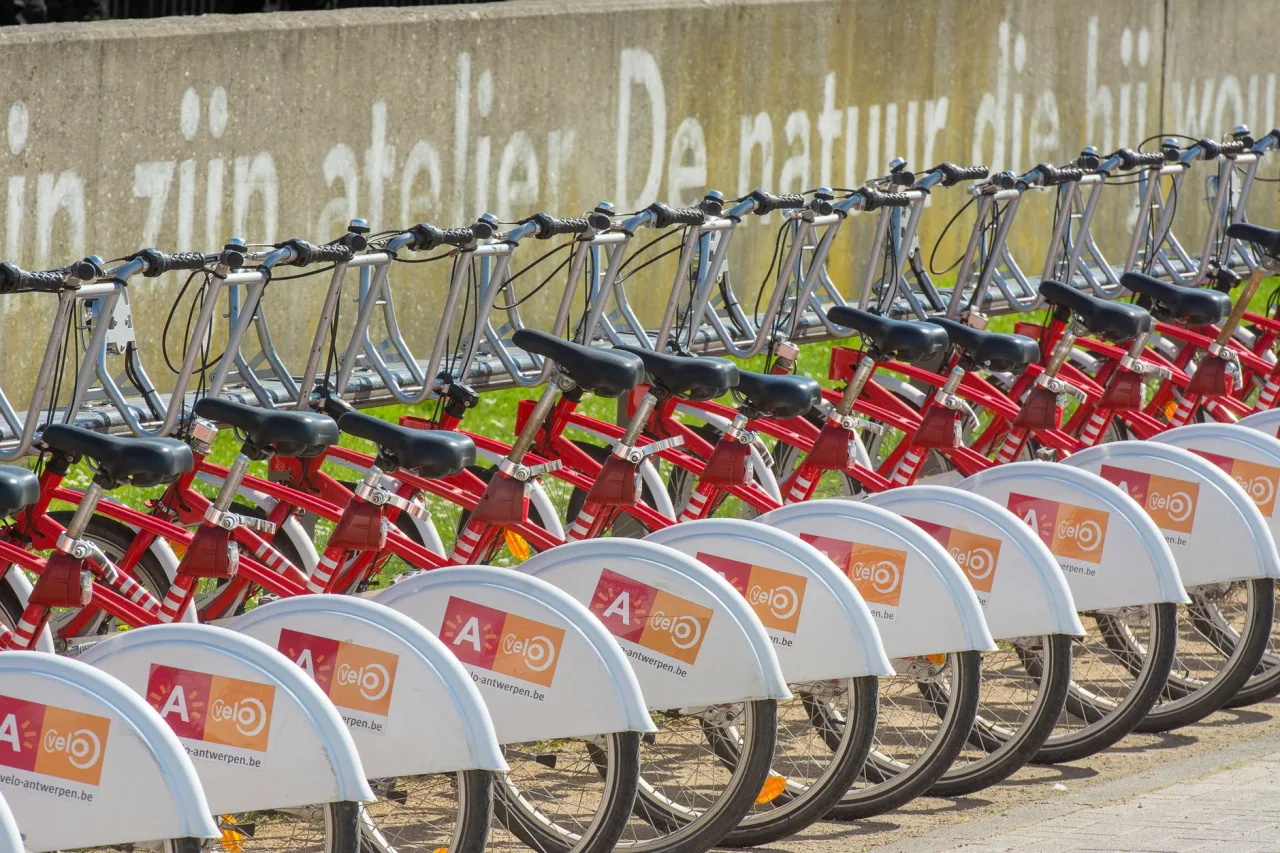
Search "velo city" and you land on two related ideas: Velo-city, the world's leading conference on cycling and city planning, and the broader concept of building cities where getting around by bike is fast, safe, and normal. This guide covers both honestly, so you understand what the event is and what a genuinely bike friendly city looks like. The two are tightly connected: the conference exists to spread exactly this kind of city building.
The short version
- Velo-city is an annual international cycling conference run by the European Cyclists' Federation, first held in 1980.
- It gathers advocates, city officials, researchers, and industry to advance cycling as everyday transport.
- The wider "velo city" idea is about urban design that makes cycling a practical daily choice, not just recreation.
- Safe infrastructure, connected networks, and supportive policy are what turn a city into a cycling city.
What Velo-city is
Velo-city is an annual cycle planning conference organized by the European Cyclists' Federation. It brings together advocates, cities, decision makers, academics, researchers, and industry leaders to advance cycling as a form of sustainable transport. The first Velo-city was held in 1980 in Bremen, and it has run in different host cities ever since.
The event has grown into a genuinely global gathering, attracting more than 1,600 attendees from over 60 countries. Recent editions include Gdansk, Poland in 2025, with Rimini, Italy set for 2026, and past editions have reached beyond Europe to host cities in Taiwan, Brazil, and beyond. You can read the sourced overview on the Velo-city Wikipedia page.
Who runs it and why it matters
Velo-city is organized by the European Cyclists' Federation, a non profit umbrella organization founded in 1983 and based in Brussels that represents cycling advocacy groups across Europe under the motto "more and better cycling for all." Background on the organization is available on the European Cyclists' Federation Wikipedia page.
The conference matters because it is where the people who actually shape streets, planners, mayors, engineers, and campaigners, share what works. Ideas that reduce traffic deaths, cut emissions, and get more people riding spread from city to city through exactly this kind of exchange. In that sense Velo-city is less a bike show and more a policy engine for everyday cycling.
What a cycling city actually looks like
The broader "velo city" concept is about designing places where riding a bike is a sensible default, not a brave act. A few features show up again and again in cities that get this right.
- Protected bike lanes: physical separation from motor traffic on busy roads, not just a painted line.
- Connected networks: routes that link homes, schools, shops, and stations without dangerous gaps.
- Calmed traffic: lower speed limits on residential streets so bikes and cars mix safely.
- Secure parking: plentiful, theft resistant places to leave a bike at the destination.
These are the everyday ingredients that turn cycling from a hobby into transport. If you want to understand the activity these cities are built around, our complete guide to cycling is a good companion read.
Tip: infrastructure changes who rides
Where safe, connected routes exist, cycling stops being the preserve of the fit and fearless. Families, older riders, and nervous beginners all ride more when they feel protected from traffic. If you want more people on bikes, the road design usually matters more than the bikes themselves.
Choosing a bike for city riding
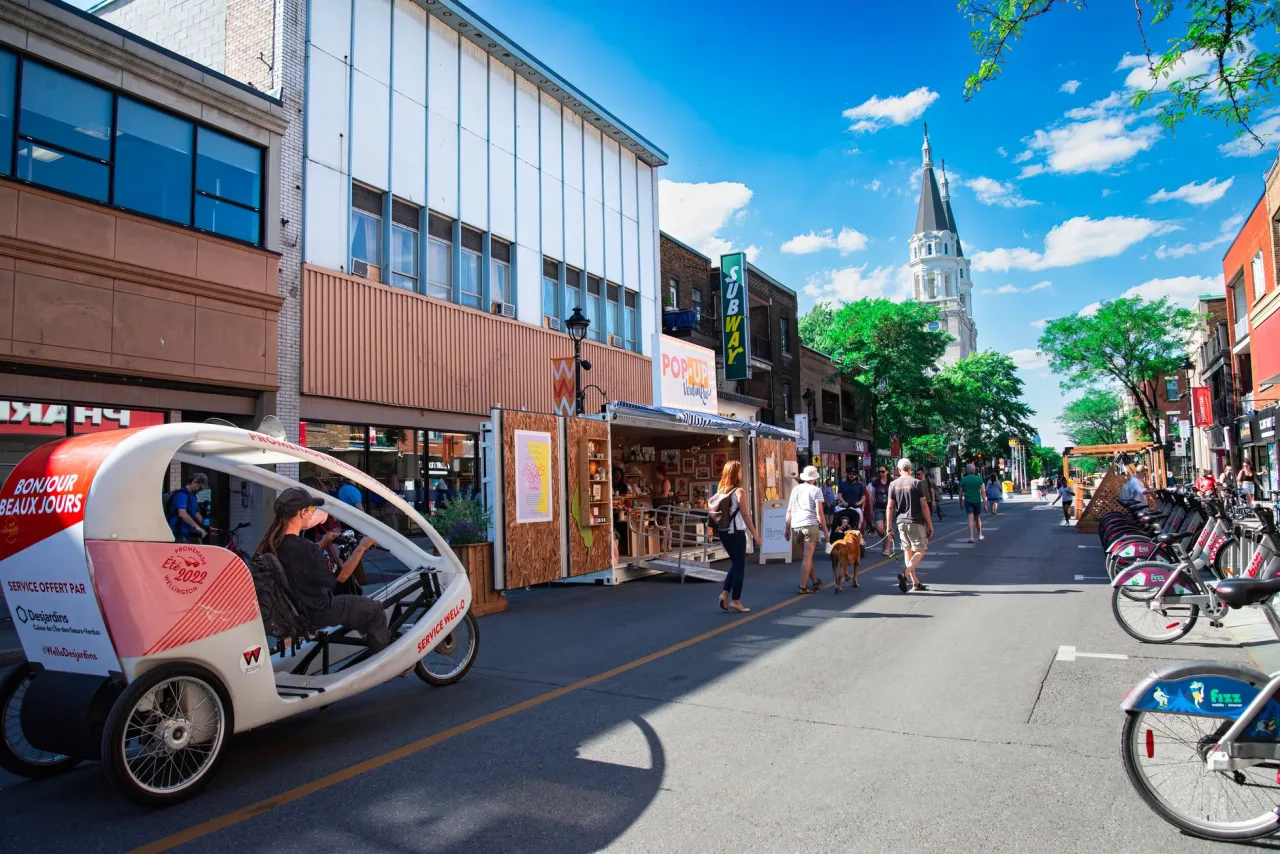
Urban cycling rewards practicality over speed. You want a bike that starts and stops easily in traffic, carries a bit of cargo, and does not demand constant maintenance. A few types stand out for city use.
- Hybrid bikes: an upright position and versatile tyres make these a default city choice. See our hybrid bike guide.
- Electric bikes: motor assistance flattens hills and stretches commutes, covered in our electric bike guide.
- Folding bikes: ideal where you combine cycling with trains or tight storage.
- Simple single or few speed bikes: low maintenance and easy to live with on flat terrain.
Whatever you choose, add lights and a solid lock, since city riding means low light conditions and leaving your bike unattended more often.
Staying safe in urban traffic
Even in a well designed city, riding among cars calls for good habits. Ride predictably, hold a straight line, and make your intentions obvious with clear hand signals. Position yourself where drivers can see you rather than hugging the gutter, and stay out of the door zone next to parked cars.
Lights front and rear are essential in low light and legally required in many places, and a helmet is a sensible safeguard. Our cycling gear guide covers the practical kit, and our helmet guide explains fit and standards.
Warning: be seen, especially at junctions
Most urban collisions happen at intersections and driveways where paths cross. Assume you are not seen, make eye contact with drivers where you can, and never rely on having right of way alone to keep you safe.
Exploring routes and trails
Not every ride is a commute. Many cities connect to greenways, riverside paths, and traffic free trails that make riding a pleasure rather than a chore. These routes are also the easiest place for new riders to build confidence before mixing with traffic.
To find rides near you, our bike trail guide explains how to locate and choose good routes, and a friendly local shop is often the best source of insider knowledge about the network. Our directory on how to find a trusted local bike shop shows what to look for.
Frequently asked questions
What is Velo-city?
Velo-city is an annual international conference on cycling and city planning, organized by the European Cyclists' Federation. It gathers advocates, city officials, researchers, and industry leaders to advance cycling as sustainable transport, and has been held in different host cities since the first edition in 1980.
Where was the first Velo-city held?
The first Velo-city conference took place in 1980 in Bremen, then in West Germany. Since then it has moved to a different host city each edition, including recent events in Gdansk, Poland in 2025 and Rimini, Italy scheduled for 2026.
Is "velo city" the same as a bike friendly city?
The term points to two related things. Velo-city with a hyphen is the specific conference, while "velo city" as a general idea refers to a city designed so that cycling is a safe, practical everyday choice. The conference exists precisely to help build more of those cities.
What makes a city good for cycling?
The main ingredients are protected bike lanes on busy roads, a connected network with no dangerous gaps, calmed traffic on residential streets, and secure bike parking at destinations. Supportive policy and lower speed limits tie these together so that people of all ages feel safe riding.
What is the best bike for commuting in a city?
A hybrid bike suits most city commuters thanks to its upright position and versatile tyres, while an electric bike helps with hills and longer distances and a folding bike works well when combined with public transport. Add lights and a strong lock whatever you choose.
More guides on Cycling (General)
Have a question or a topic to suggest?
We read every message. Tell us what you would like to see next on the blog.
Get in touchYou may also like

Bicy
If you have searched for "bicy," you are almost certainly looking for information about bicycles, and this guide covers the whole picture in plain language.
Mywhoosh
MyWhoosh is a free indoor cycling and virtual training app that lets you ride, train, and race in 3D worlds from a stationary setup at home.

Honda Cbr Series
Let us clear one thing up first: the Honda CBR series is a family of sport motorcycles, not pedal bicycles. If you searched "Honda CBR series," this guide explains honestly what the range