Cycling (General) · Cycling (General)
Bicy
If you have searched for "bicy," you are almost certainly looking for information about bicycles
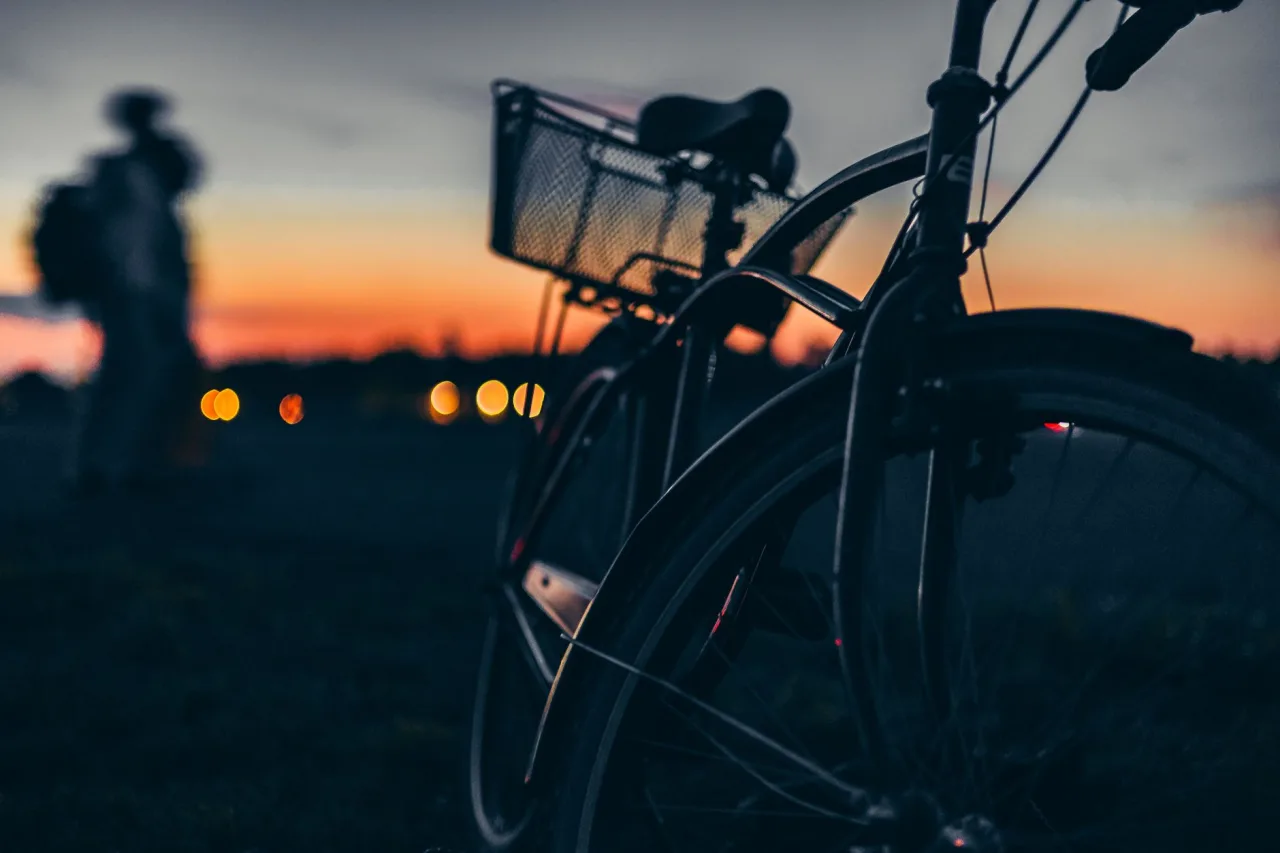
If you have searched for "bicy," you are almost certainly looking for information about bicycles, and this guide covers the whole picture in plain language. We will walk through the main types, what actually matters when you buy, realistic prices, and how to keep a bike running for years. Think of this page as the hub: it links out to deeper guides for each topic.
The short version
- "Bicy" is shorthand people type for bicycle, a human powered, pedal driven, two wheeled vehicle.
- The four families most riders choose between are road, mountain, hybrid, and electric bikes.
- Fit and intended use matter more than brand or price, so match the bike to where you will actually ride.
- Budget for the bike plus a helmet, lock, lights, and a basic service, not the bike alone.
What "bicy" actually means
"Bicy" is not a brand or a model. It is simply a clipped way of typing "bicycle," the same way people type "info" for information. A bicycle is a human powered or motor assisted, pedal driven, single track vehicle with two wheels attached to a frame, one behind the other. It is one of the most widespread machines on earth: by the early 21st century there were more than a billion bicycles in the world, far outnumbering cars.
The design has been refined for more than two centuries. The first verifiable two wheeled, steerable, human powered machine was the Laufmaschine built by German Baron Karl von Drais in 1817, a pedal free "running machine" that riders pushed along with their feet. Pedals, chains, gears, and pneumatic tyres came later, but the core idea has barely changed, which is a big part of why bikes remain so reliable and easy to repair.
If you want the full technical and historical background, the Wikipedia entry on the bicycle and its companion article on the history of the bicycle are thorough, well sourced starting points.
The main types of bicycle
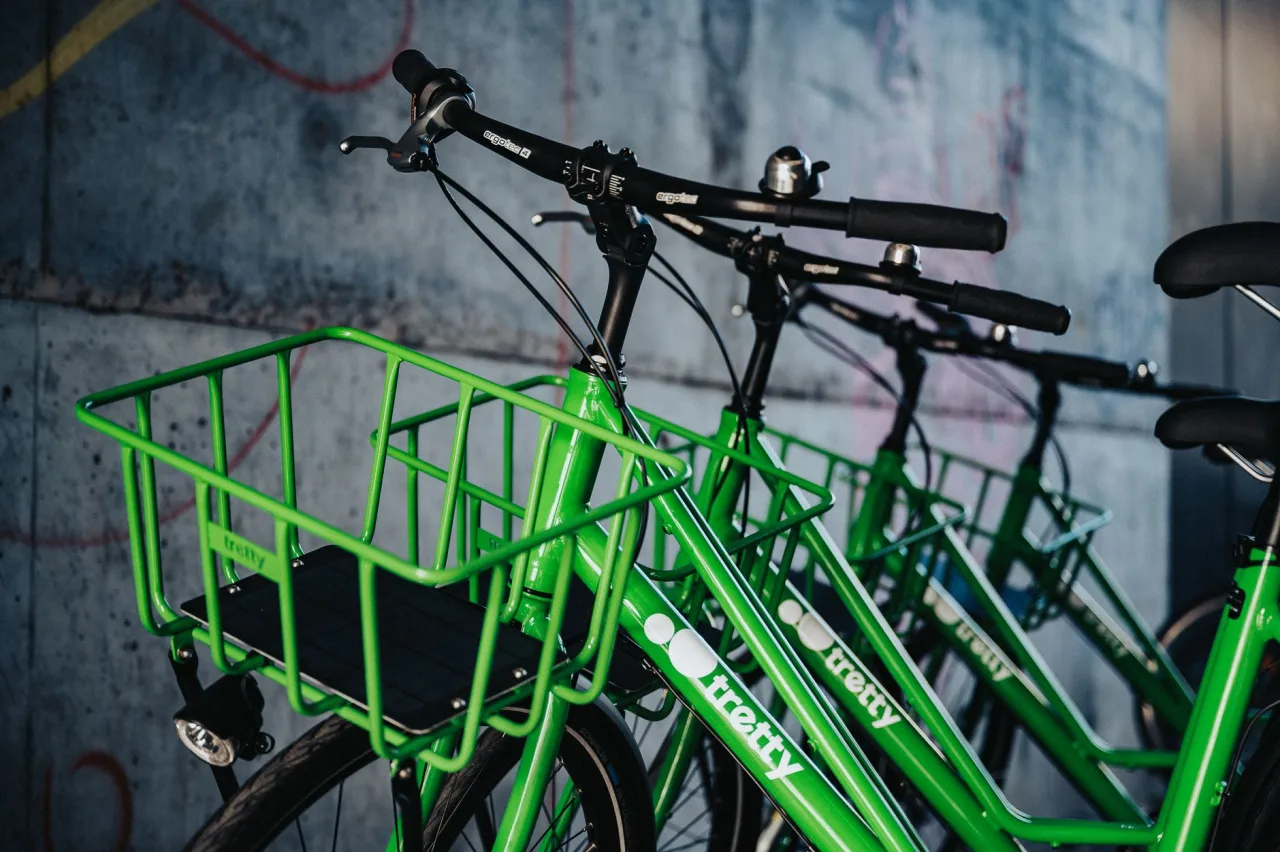
Almost every bike sold today fits into one of a handful of families. Picking the right family is the single most important decision, because it determines the frame shape, tyre width, gearing, and riding position.
- Road bikes: light frames, drop handlebars, and skinny tyres built for speed and distance on pavement.
- Mountain bikes: stronger frames, flat bars, wide knobby tyres, and often suspension for trails and rough ground.
- Hybrid bikes: a blend of road and mountain traits, with an upright position that suits commuting and casual riding.
- Electric bikes: any of the above with a motor and battery that assist your pedaling, useful for hills, longer commutes, and cargo.
There are many sub types beyond these, including gravel, folding, BMX, and kids bikes. For a wider survey with pictures and use cases, see our guide to the types of bicycles and the broad overview in our complete bike guide.
How to choose the right bike
Start with a simple question: where will you ride most of the time? A bike that is perfect on smooth roads will feel slow and twitchy on singletrack, and a burly trail bike will feel heavy and sluggish on a daily commute. Be honest about the ride you will actually do, not the one you imagine.
- Match the type to your terrain. Pavement leans road or hybrid, trails lean mountain, mixed surfaces lean gravel or hybrid.
- Get the frame size right. A frame that is too big or small cannot be fixed with adjustments. Use the maker's size chart by height and inseam, and test ride when you can.
- Set a realistic budget. Very cheap department store bikes often cost more in repairs and frustration than a solid entry model from a bike shop.
- Think about maintenance. Simpler drivetrains and rim or basic disc brakes are cheaper to service than high end parts.
Tip: fit beats specs
A mid range bike that fits your body will always feel better than an expensive bike that does not. If a shop lets you test ride, take it. Pay attention to reach, saddle comfort, and how easily you can control the brakes.
What a bicycle really costs
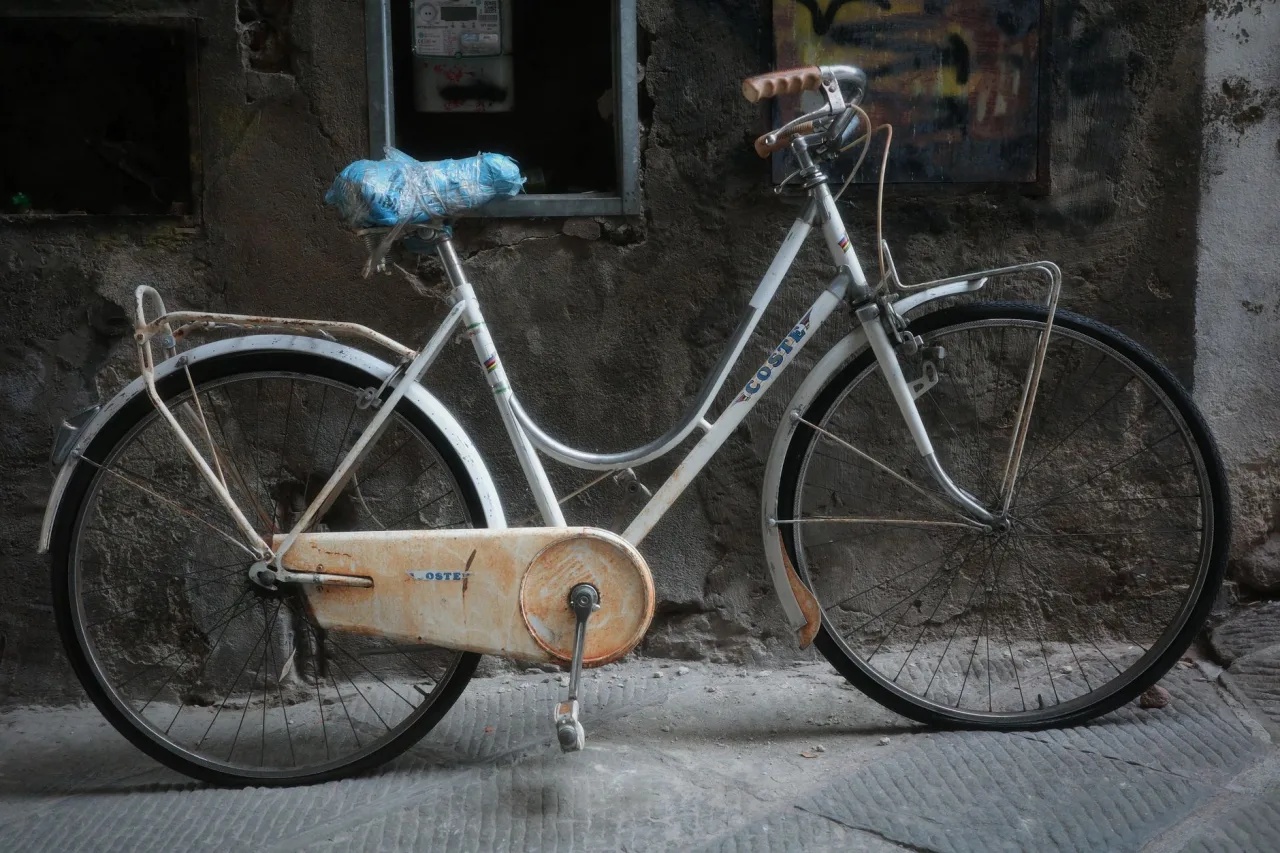
Prices vary widely by country, brand, and spec, so treat these as broad ranges to confirm locally rather than fixed figures. As a rough guide, a dependable entry level adult bike from a real bike shop tends to start in the low to mid hundreds of dollars, quality mountain and road bikes commonly run from several hundred into the low thousands, and electric bikes usually start higher because of the motor and battery.
The sticker price is only part of the story. Plan for a helmet, a good lock, lights, and a first tune up. For current, itemized figures across categories, see our breakdown of real bicycle prices in 2026 and, if you want curated recommendations, our roundup of the best bikes in 2026 by budget.
Essential gear and accessories
A bike is safer and more useful with a few key extras. None of these need to be expensive, but skipping them is a false economy.
- Helmet: the single most important purchase for your safety.
- Lock: a solid U lock or chain deters casual theft far better than a thin cable.
- Lights: front and rear lights are essential for riding at dawn, dusk, or night, and required by law in many places.
- Pump and spare tube: a flat tyre is the most common roadside problem and easy to fix yourself.
Our complete cycling gear guide covers each of these in more depth, including how to choose sizes and what to skip.
Keeping your bike running
Bicycles are forgiving machines, but a little regular care prevents most problems. Keep the tyres inflated to the pressure printed on the sidewall, keep the chain clean and lightly oiled, and check that the brakes stop you firmly before every ride. Wipe the frame down after wet or muddy rides so grit does not grind into moving parts.
Once or twice a year, a professional tune up at a local shop will catch worn brake pads, a stretched chain, or loose bearings before they turn into bigger repairs. If you are not sure where to go, our directory on how to find a trusted local bike shop explains what to look for in a good mechanic.
Warning: do not ignore brakes and tyres
Worn brake pads and bald or under inflated tyres are the two failures most likely to cause a crash. If braking feels weak or your tyres look cracked, replace them before your next ride rather than after.
Getting into cycling as a habit
The best bike is the one you actually ride. Cycling is a rare activity that is transport, exercise, and recreation at once, and it scales from a short trip to the shops to a multi day tour. Start with short, familiar routes, build up your comfort in traffic gradually, and let the distances grow naturally.
If you want the bigger picture on riding for fitness, commuting, and community, our complete guide to cycling ties it all together and points you toward local routes and events.
There are also real practical rewards beyond enjoyment. Cycling regularly is a low impact way to build fitness that fits into an ordinary day, since a commute or an errand doubles as exercise. It costs a fraction of running a car, produces no emissions, and rarely gets stuck in traffic on short urban trips. For many people the hardest part is simply the first few rides, after which the habit tends to look after itself. If motivation is the sticking point, joining a local club ride or a casual group can turn a solo chore into something you look forward to, and a good bike shop is often the place to find out when and where those rides happen.
Frequently asked questions
Is "bicy" a bicycle brand?
No. "Bicy" is simply a shortened way people type the word bicycle in searches and messages. It is not a manufacturer, model, or product line, so any bike you buy will carry a real brand name such as Trek, Giant, Specialized, or Cannondale rather than "Bicy."
Which type of bicycle is best for a beginner?
For most beginners a hybrid bike is the easiest starting point because its upright position, moderate tyres, and simple gearing handle roads, paths, and light trails comfortably. If you know you will ride mainly on pavement for speed, a road bike suits better, and for trails a mountain bike is the right call.
How much should I spend on my first bike?
Prices vary by country and brand, so confirm locally, but a dependable entry level bike from a proper bike shop generally starts in the low to mid hundreds of dollars. Spending a little more at a bike shop usually buys better parts and a proper fit than a similarly priced department store bike.
Do I really need a helmet and lights?
Yes. A helmet is the most important safety item you can buy, and front and rear lights are essential whenever visibility is low and are legally required in many places. Together they cost a small fraction of the bike and dramatically reduce your risk.
How often should a bicycle be serviced?
Do quick checks of tyres, brakes, and chain before each ride, and book a full professional tune up once or twice a year depending on how much you ride. Frequent riders and anyone riding in wet or muddy conditions should service more often.
More guides on Cycling (General)
Have a question or a topic to suggest?
We read every message. Tell us what you would like to see next on the blog.
Get in touchYou may also like
Mywhoosh
MyWhoosh is a free indoor cycling and virtual training app that lets you ride, train, and race in 3D worlds from a stationary setup at home.
Velo City
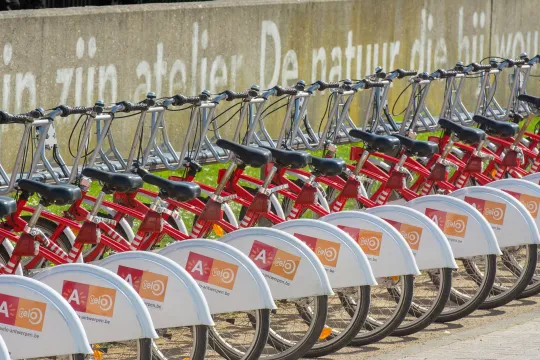
Search "velo city" and you land on two related ideas: Velo-city, the world's leading conference on cycling and city planning, and the broader concept of building cities where getting around by bike is fast, safe
Honda Cbr Series
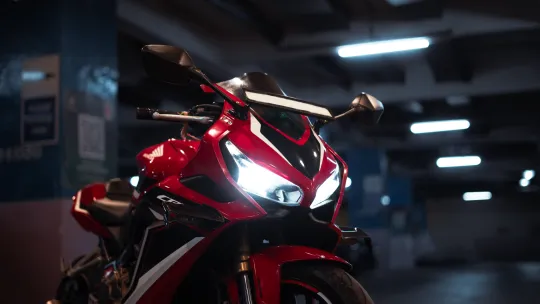
Let us clear one thing up first: the Honda CBR series is a family of sport motorcycles, not pedal bicycles. If you searched "Honda CBR series," this guide explains honestly what the range