Comfort & Fit · Cycling (General)
Bike Seat: The Complete Guide
Saddle types, why fit beats padding, and how to fix numbness and pain so you actually enjoy time in the saddle.

The bike seat, properly called a saddle, is the single component most likely to make or break your ride. The wrong one turns a pleasant hour into a numb, sore ordeal, while the right one disappears beneath you. This guide explains the types of bike seats, the science of comfort, how to choose by riding style and body, and how to set it up so you actually enjoy being in the saddle.
The short version
- Comfort comes from correct width and shape for your sit bones, not from more padding.
- Cutouts and pressure relief channels reduce numbness by taking load off soft tissue.
- Race saddles are narrow and firm, comfort saddles are wider and softer. Match the seat to your riding position.
- Setup matters as much as the saddle: get height, tilt and fore aft right before blaming the seat.
What a bike seat actually does
A saddle is meant to support your weight through your sit bones, the two bony points at the base of your pelvis, not through soft tissue. When a saddle is too narrow, too wide, badly shaped or poorly positioned, pressure lands where it should not, and that causes the numbness and pain riders complain about. Wikipedia's article on the bicycle saddle describes cutaway saddles with a midline hollow, noseless designs and women specific saddles that are wider with center relief, all aimed at reducing pressure on soft tissue.
The evidence is striking. That same reference notes a study where switching police officers to noseless saddles cut the share reporting genital numbness from 73 percent to 12 percent. Small changes in saddle design and fit make a big difference.
Types of bike seats
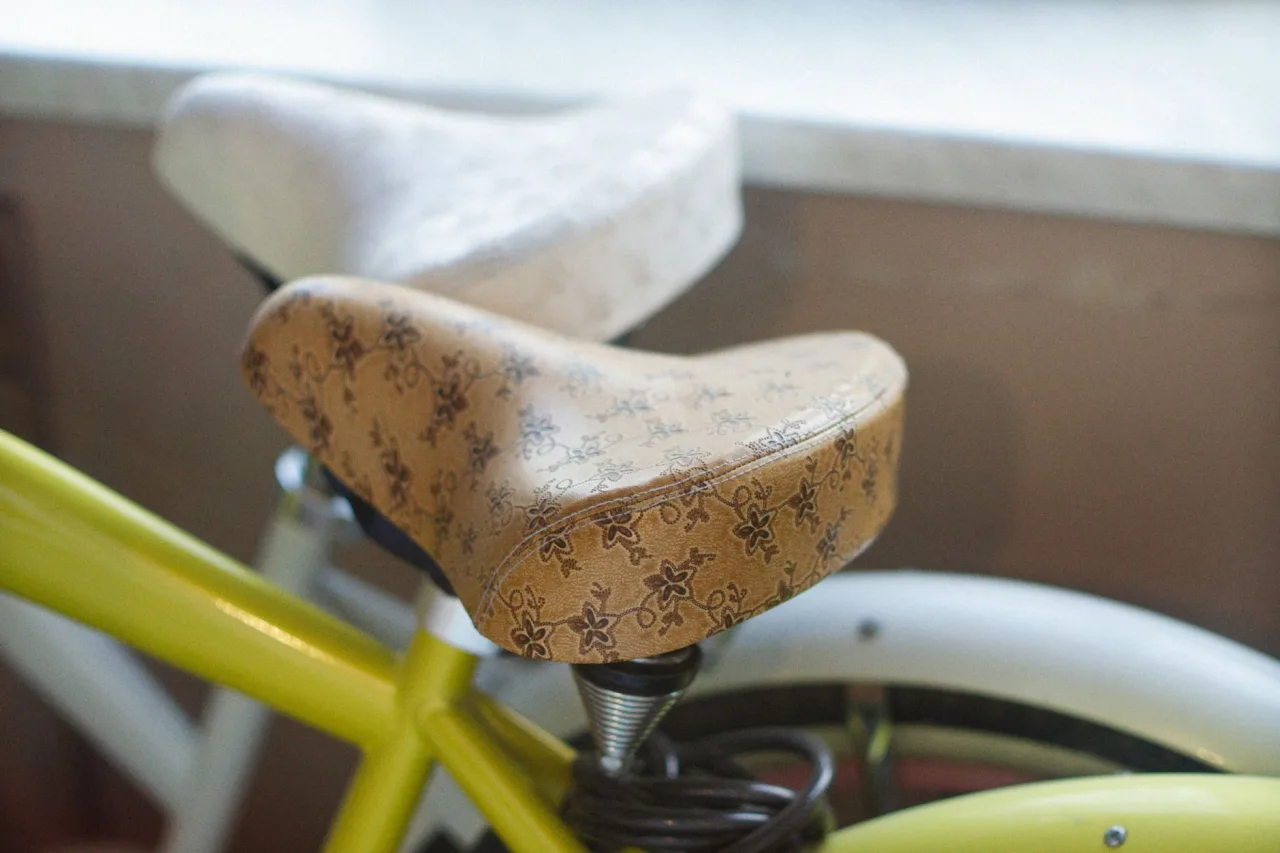
Saddles fall into a few broad families, each suited to different riding.
- Race and performance saddles: narrow, firm and light, built for an aggressive forward lean where you rotate onto the front of your sit bones.
- Comfort and cruiser saddles: wide and heavily padded for upright riding at gentle speeds, common on hybrids and city bikes.
- Cutout and channel saddles: a central groove or hole relieves pressure on soft tissue and reduces numbness.
- Noseless saddles: remove the front entirely, favoured by some riders for medical reasons.
- Women specific saddles: often wider with a shorter nose and center relief to suit different pelvic anatomy.
Wikipedia notes that performance saddles for racing tend to be narrow, while comfort saddles found on hybrid bicycles tend to be wide. Your riding position, more than anything, decides which shape works.
The comfort myth: padding versus fit
New riders assume a bigger, softer seat means more comfort. Often the opposite is true. Excess padding compresses under your sit bones and pushes up into soft tissue, and on longer rides that causes more pain, not less. Comfort comes from the saddle being the right width so your sit bones land on the supportive part of the shell, and the right shape so pressure stays off soft tissue.
Materials play a supporting role. Wikipedia notes saddle shells are typically moulded plastic such as nylon, sometimes carbon fibre, while traditional leather saddles are stretched like a taut hammock between the rails and break in to the rider over time. A quality shell in the correct width beats a thick gel pad almost every time.
Fit tip: measure your sit bones
- Many shops can measure your sit bone width, which points you to the right saddle width for your body.
- Buy the shape and width first. Padding and cover material are secondary tweaks.
How to choose a saddle for your riding

Start with your riding style, because it sets your posture and therefore your saddle needs.
- Road and performance riding: a forward lean rotates your pelvis, so a narrower saddle, often with a cutout, usually works best. See the road bike guide.
- Mountain biking: you move around a lot, so a durable saddle that lets you shift weight freely suits the mountain bike style.
- Commuting and casual: a more upright position puts weight straight down, favouring a slightly wider, comfort oriented saddle.
Because saddle needs follow your bike type, it helps to be clear on which bike suits you first. Our types of bicycles guide and mens bike guide can help you settle that before you obsess over the seat.
Setting up your bike seat correctly
Even a perfect saddle feels awful if it is positioned wrong. Three adjustments matter most.
- Height: with the pedal at the bottom, your knee should have a slight bend. Too low strains the knees, too high rocks your hips.
- Tilt: start level. A tiny nose down tilt can relieve pressure for some riders, but too much slides you forward onto your hands.
- Fore and aft: position the saddle so your knee sits over the pedal axle at the three o'clock position, which balances your weight.
Make one change at a time and ride between adjustments. Give a new saddle a few rides before judging it, since your body adapts. Padded cycling shorts and a bit of chamois care also make more difference than most riders expect. For the wider kit picture, see our cycling gear guide.
Common bike seat problems and fixes
Most saddle complaints trace back to a handful of causes, and each has a practical fix.
- Numbness: usually pressure on soft tissue. Try a saddle with a cutout or channel, level or slightly nose down the tilt, and confirm your saddle is not too high.
- Sit bone pain: often the saddle is too narrow or too soft, letting your bones sink past the supportive shell. A firmer saddle in the correct width helps.
- Chafing and saddle sores: friction, moisture and a saddle that is too wide or too high. Padded shorts, chamois cream and correct height reduce it.
- Sliding forward: too much nose down tilt. Level the saddle and check your reach is not too long.
Work through these one variable at a time. Change the saddle position first since it is free, and only buy a new seat once you are confident the setup is right. A well fitted budget saddle beats an expensive one in the wrong place.
Honest price ranges and when to replace
Prices vary by brand and material, so confirm locally, but budget saddles are inexpensive, mid range models with cutouts and quality shells cost more, and premium carbon railed saddles run well into three figures. A more expensive saddle is not automatically more comfortable, since fit is personal. Replace a saddle when the shell cracks, the rails bend, the cover tears or the padding has packed down and stopped supporting you. If persistent numbness or pain continues despite a good fit, see a professional, as saddle related pressure can be a health issue worth taking seriously.
Where to get fitted
A good local bike shop can measure your sit bones, let you test demo saddles, and dial in your setup, which is worth far more than guessing online. If you are looking for a shop with a proper fit service, our guide on how to find trusted local bike shops explains what to look for.
Some shops run a saddle demo programme, letting you ride a candidate for a week before buying, which removes almost all the guesswork. It is worth asking, because a saddle that feels fine in the showroom can behave very differently over a two hour ride. Pairing the right saddle with a proper bike fit is the single most reliable way to make long rides comfortable, and it is money far better spent than on a heavily padded seat that never quite works.
Frequently asked questions
Why is my bike seat so uncomfortable?
Usually the saddle is the wrong width or shape for your sit bones, or it is positioned incorrectly. Too much padding can also push into soft tissue and cause pain. Get the width and shape right for your body and riding position, then fine tune height, tilt and fore aft placement.
Does a wider bike seat mean more comfort?
Not necessarily. A saddle should match your sit bone width and riding posture. Upright riding suits wider saddles, while a forward, aggressive position usually suits a narrower saddle, often with a cutout. Comfort comes from correct fit, not simply from more width or padding.
What is the cutout in a bike saddle for?
The central cutout or channel relieves pressure on soft tissue and reduces numbness. Studies referenced by Wikipedia show that pressure relief designs, including noseless saddles, sharply reduce reported numbness among cyclists.
How high should my bike seat be?
Set the saddle so your knee has a slight bend when the pedal is at the bottom of the stroke. Too low strains your knees, and too high makes your hips rock and can cause saddle sores. Adjust in small steps and ride between changes.
How often should I replace my bike seat?
Replace it when the shell cracks, the rails bend, the cover tears or the padding has packed down and no longer supports you. There is no fixed schedule. If a well fitted saddle still causes persistent numbness or pain, consult a professional.
More guides on Cycling (General)
Have a question or a topic to suggest?
We read every message. Tell us what you would like to see next on the blog.
Get in touchYou may also like

Mens Bike: The Complete Guide
Buying a mens bike is about matching the right type, size and fit to how you ride. This guide covers the types, sizing, key components and honest price ranges so you buy once and buy well.
Road Bike: The Complete Guide
Choose the right road bike with confidence: the main types, frame materials, components that matter, why fit beats everything, and how much to sensibly spend.

Mountain Bike: The Complete Guide
Everything you need to choose a mountain bike: the main types, wheel sizes, key components, how to pick your first bike and the gear and care that keep it running.