Electric Bikes · Electric Bikes
Full Suspension E-Bike
A full suspension e-bike combines two ideas that suit each other perfectly: a motor that flattens climbs and extends your range
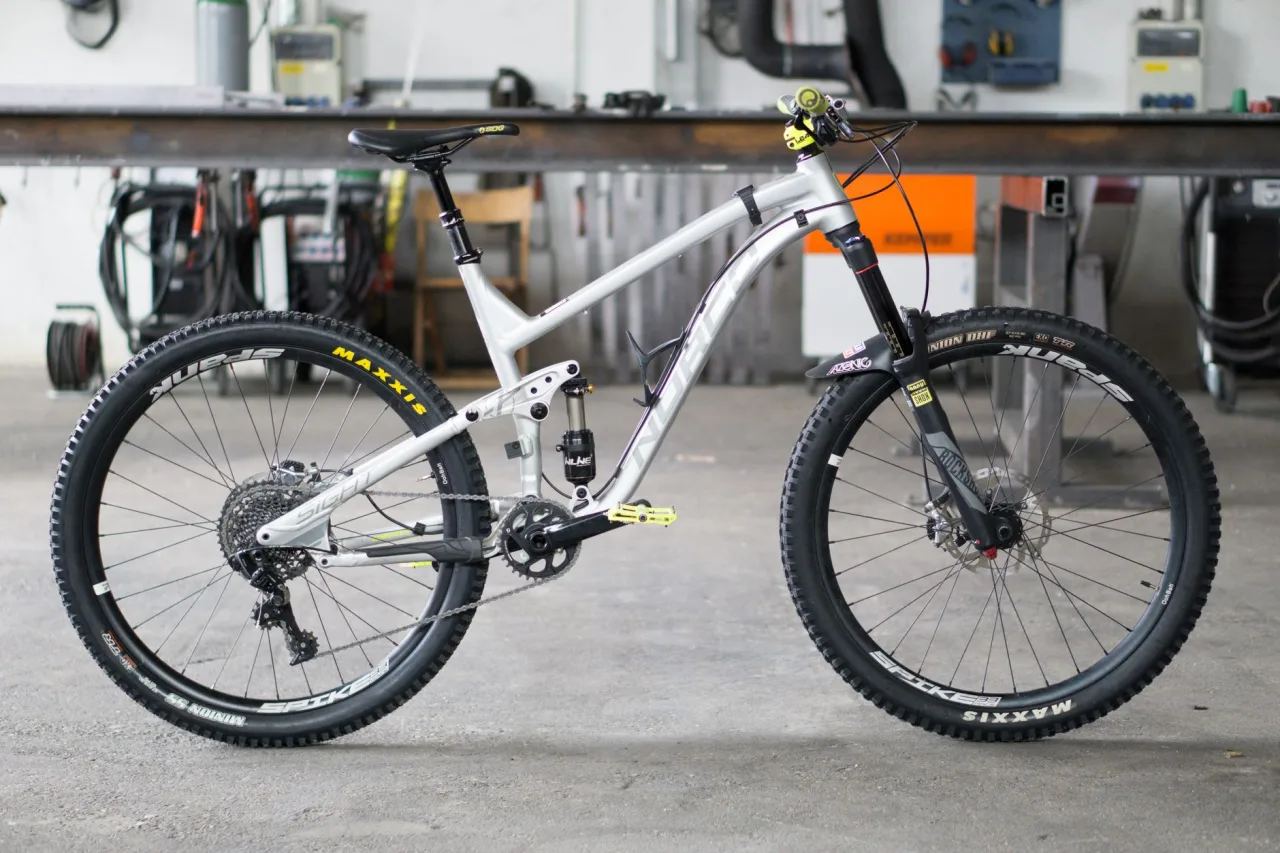
A full suspension e-bike combines two ideas that suit each other perfectly: a motor that flattens climbs and extends your range, and front-and-rear suspension that soaks up rough ground so you can carry speed in comfort. The result is a bike that opens up longer, rougher, and more technical rides than either feature alone. This complete guide explains what a full suspension e-bike is, how the parts work together, what to look for, and how to buy one without overpaying.
The short version
- Full suspension means front and rear travel, usually 120 to 160 mm on trail bikes, which smooths descents and keeps tires gripping over roots and rocks.
- The e-bike part is pedal-assist: the motor multiplies your pedaling and cuts off at a set speed, it does not replace your effort.
- Range depends on battery capacity in watt-hours, assist level, terrain, and rider weight, so treat published figures as best-case and confirm on a test ride.
- These bikes cost more and carry more complexity, so buy from a shop that is an authorized dealer for the motor brand and can service the drive system.
What a full suspension e-bike actually is
A full suspension e-bike is an electric mountain bike with suspension at both ends of the frame. The front suspension is a telescopic fork, and the rear is a shock linked to the frame so the back wheel can move independently of the seat. Wikipedia notes that bikes with suspension front and rear are called dual or full suspension bikes, with trail models typically offering roughly 100 to 150 mm of travel. Add a mid-drive motor and a battery, and you have a machine built to climb efficiently and descend in control.
The word to hold onto is amplifier. On most trail e-bikes the motor only helps while you pedal, so you still put in the work, you just cover more ground and climb more in a session. Pair that with suspension that keeps the wheels planted, and you get a bike that is genuinely more capable, not just faster. For the broader category, see our electric mountain bike guide, and for the non-electric side of suspension, our full suspension bike guide.
Why suspension and a motor pair so well
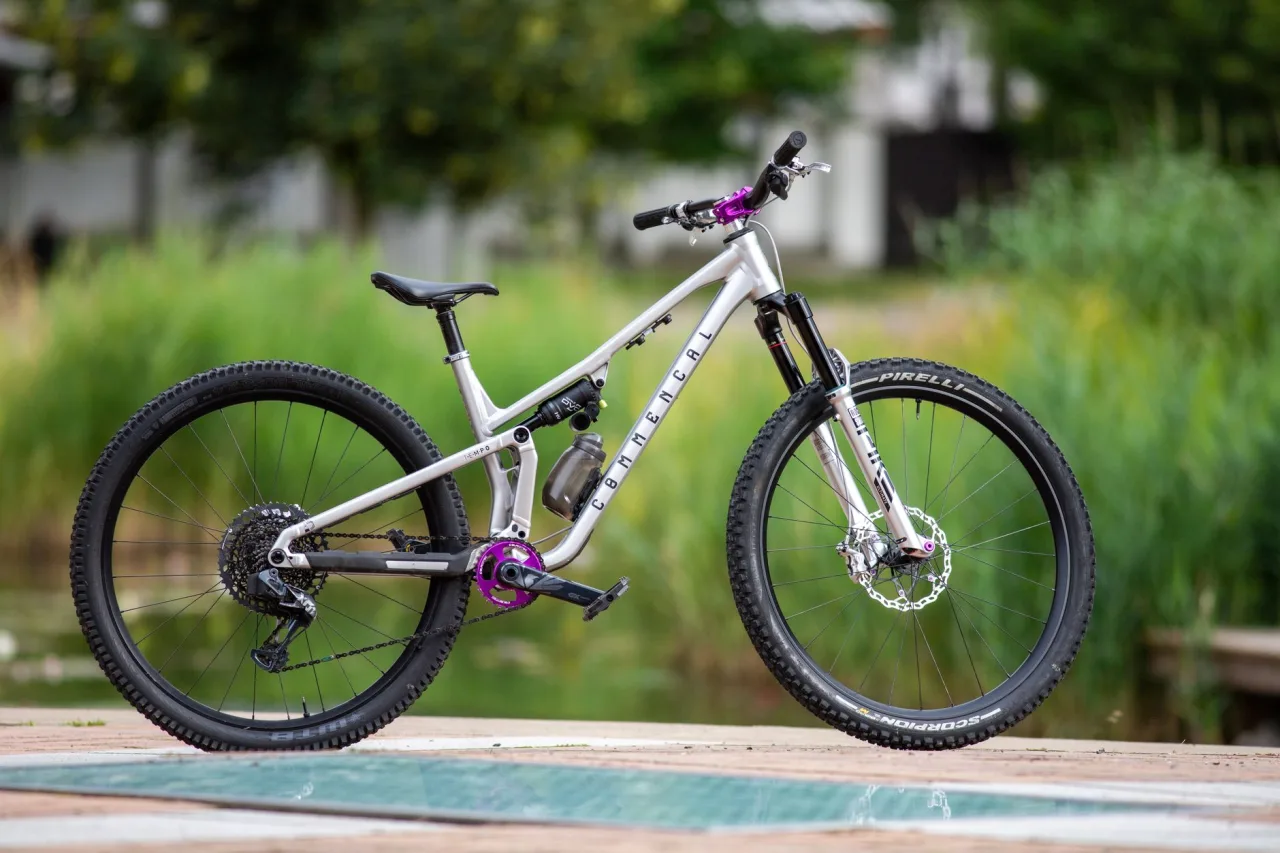
Suspension and pedal assist solve different problems, and together they cover each other's weak spots:
- Suspension keeps tires in contact with the ground. On rough terrain that means more grip for braking, cornering, and putting power down, plus far less fatigue in your hands, arms, and back.
- The motor offsets the weight of suspension. Full suspension bikes are heavier than hardtails, and an e-bike is heavier still. The assist means that extra mass barely registers on the climbs, so you get the descending benefit without paying for it uphill.
The practical upshot is that you can ride bigger loops, session a technical descent several times, and finish less beaten up. That combination is why full suspension is the most common layout among serious trail e-bikes.
Motor, battery, and how far you really go
Two components define the character of any e-bike, and they matter even more on a heavier full suspension frame:
- Motor: trail e-bikes almost always use a mid-drive motor at the cranks, which centers weight low and uses the bike's gears efficiently. Compare torque, measured in newton meters, because that is what you feel on steep, slow climbs.
- Battery: capacity is measured in watt-hours. More watt-hours means more range but also more weight and cost. Many bikes take a range extender for long days.
Range is the question every buyer asks and the hardest to answer honestly. It depends on battery capacity, the assist level you choose, terrain and elevation, rider and cargo weight, temperature, and tires. Manufacturer range figures are best-case numbers, so treat them as an optimistic ceiling and plan conservatively until you learn your real-world numbers.
Tip: torque beats top-end wattage for climbing
- When comparing full suspension e-bikes for hilly terrain, look at the motor's torque figure in newton meters rather than just its wattage. Higher torque delivers stronger, smoother assistance on steep, slow climbs, which is exactly where a heavy e-bike needs the most help.
How much travel do you need?
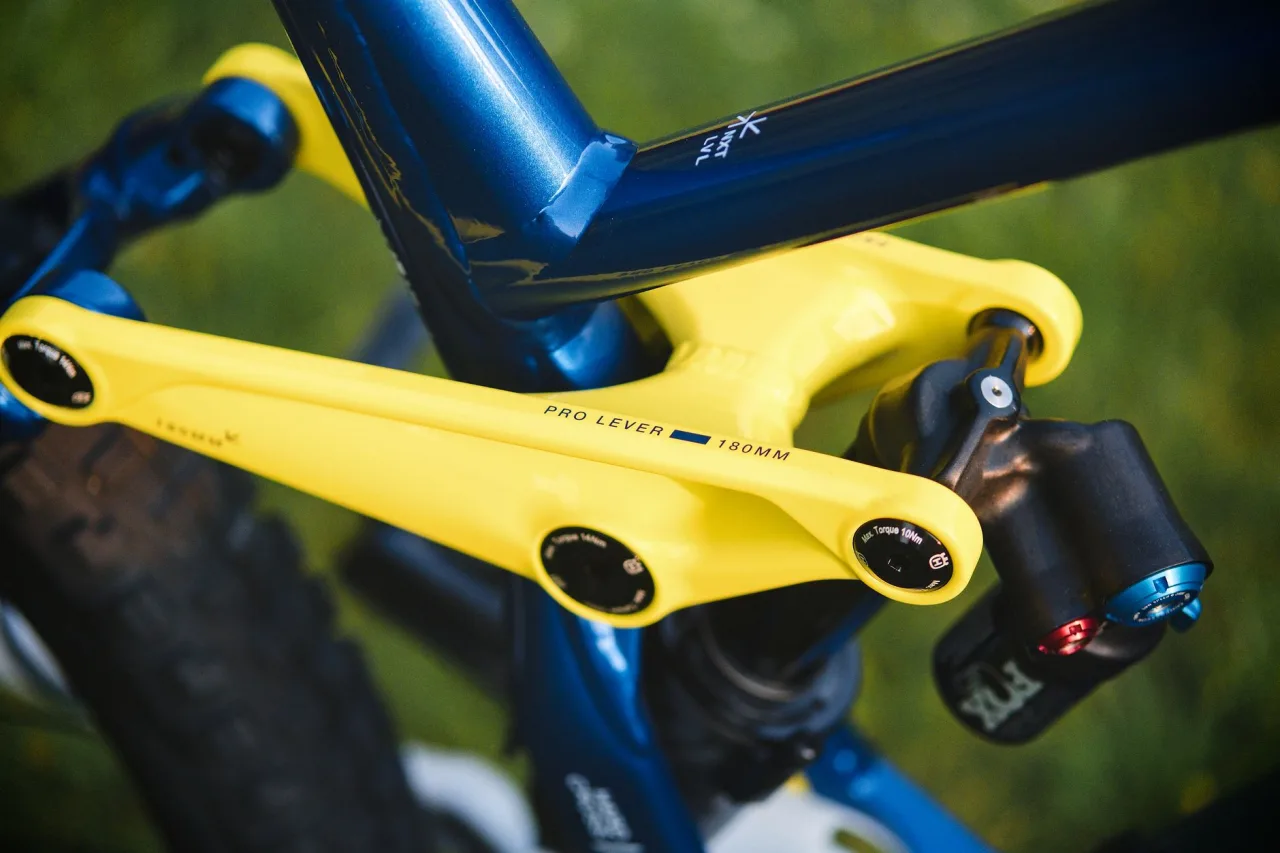
Travel is the amount the suspension can compress, and more is not automatically better. It should match your terrain:
- 120 to 140 mm (trail): the versatile middle ground. Efficient on climbs and rolling terrain, capable on most descents. The best all-rounder for the majority of riders.
- 150 to 160 mm (all-mountain and enduro): more forgiving on steep, rough, fast descents, at some cost in climbing snappiness. Choose this if your local trails are genuinely demanding.
Most riders are best served by a trail-travel bike. Buying more travel than your terrain needs adds weight and dulls the ride on the ground you actually cover. Our mountain bike guide explains geometry and wheel sizes in more depth if you want to go further.
What a full suspension e-bike costs
These bikes carry a clear premium. You are paying for a motor, a battery, a linkage-driven frame, and the stronger brakes and wheels needed to handle the extra weight and speed. Prices vary widely by brand, spec, and region, so use ranges as a guide and confirm current numbers locally.
As a rough map, entry-level full suspension e-bikes tend to start in the low thousands, mid-range builds sit meaningfully higher, and premium models run well up from there. What moves the price is the motor and battery system, the suspension quality, the drivetrain, and the frame material. For a wider cost breakdown, see our electric bike price guide, and if a specific brand is on your list, our Santa Cruz e-bike guide is a useful reference point within this same e-bike cluster.
Before you buy: check local access rules
- E-bike trail access varies by region and even by individual trail. Some networks welcome pedal-assist bikes, others restrict them to specific classes or ban them outright. Confirm the rules where you ride, and that your bike's class qualifies, before you commit.
Buying and living with one
Because the drive system is specialized, where you buy matters as much as what you buy. Prioritize a shop that is an authorized dealer for the motor brand, offers test rides, and can service the battery and motor over the bike's life. Our guide to finding a trusted local shop explains how to vet one.
Ownership adds a few habits beyond normal bike care. Store the battery partially charged rather than full or empty for long spells, keep it out of extreme heat and cold, use the charger that came with the bike, and avoid pressure-washing the motor and battery area. Suspension needs periodic servicing too, both fork and shock, so budget for that. Batteries lose capacity slowly over years of charge cycles, which is normal, and a replacement eventually restores range, so factor that long-term cost into ownership. If you are also weighing a simpler, lighter option, our fat tire electric bike guide covers a different comfort-focused approach.
Frequently asked questions
Is a full suspension e-bike worth the extra cost over a hardtail e-bike?
It depends on your terrain. If you ride rocky, rooty, technical, or fast descents, full suspension adds real grip, comfort, and control that justify the price. If your riding is mostly smooth trails and fire roads, a hardtail e-bike is lighter, cheaper, and simpler to maintain, and it may serve you just as well.
How far can a full suspension e-bike go on one charge?
It depends on battery capacity in watt-hours, the assist level you use, terrain and elevation, and rider weight. Manufacturer range figures are best-case, so treat them as an optimistic ceiling. If range matters, ask about range extenders and confirm real-world range on a test ride over terrain like yours.
How much travel should I look for?
For most riders a trail bike with roughly 120 to 140 mm front and rear is the versatile sweet spot, efficient on climbs and capable on descents. Step up to 150 to 160 mm only if your local trails are genuinely steep, rough, and fast, since more travel adds weight and dulls the ride on easier ground.
Do you still get exercise on a full suspension e-bike?
Yes. Most trail e-bikes use pedal-assist, meaning the motor only helps while you pedal and multiplies your effort rather than replacing it. Assistance also cuts off at a set speed. You still work, but you cover more ground, climb more, and can ride longer, which many riders find keeps them active more often.
Can any bike shop service a full suspension e-bike?
Not always. The motor, battery, and controller often need brand-specific tools and training, so drive-system service usually routes through an authorized dealer for that motor brand. Suspension service also takes specific tools. Many shops handle the mechanical parts, but buy from a shop that can support the whole bike.
More guides on Electric Bikes
Have a question or a topic to suggest?
We read every message. Tell us what you would like to see next on the blog.
Get in touchYou may also like
2nd Hand Bikes for Sale
Buying a second hand bike is the fastest way to get more bike for your money, but it rewards patience and punishes haste. A used bike can be a bargain or a money pit

Santa Cruz E-Bike
Santa Cruz built its reputation on capable, well-engineered mountain bikes, and its electric range carries that same trail-focused approach into pedal-assist.
Penny Farthing
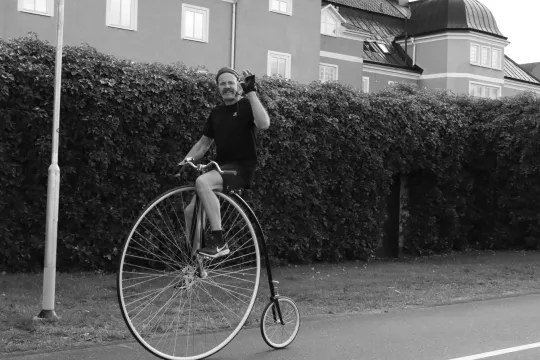
The penny farthing, with its towering front wheel and tiny rear one, is the image most people picture when they think of a Victorian bicycle.