Buying Guides & Prices · Buying Guides & Prices
2nd Hand Bikes for Sale
Buying a second hand bike is the fastest way to get more bike for your money, but it rewards patience and punishes haste.
Buying a second hand bike is the fastest way to get more bike for your money, but it rewards patience and punishes haste. A used bike can be a bargain or a money pit, and the difference usually comes down to a careful inspection and a few honest questions. This complete guide walks through where to look, how to check a bike before you pay, what a fair price looks like, and how to avoid buying something stolen or broken.
The short version
- Used bikes commonly sell for a large discount off new, but condition varies wildly, so inspect before you pay.
- Always check the frame for cracks, spin the wheels, squeeze the brakes, and shift through every gear.
- Verify the serial number against a stolen-bike registry, and be wary of prices that seem too good to be true.
- Prices are ranges, not fixed numbers: value depends on age, spec, wear, and local demand, so compare a few listings before deciding.
Why buy a second hand bike
The main reason is value. Bikes lose a big chunk of their price the moment they leave the shop, so a lightly used model a year or two old can cost far less than new while riding almost identically. That discount lets you step up a tier: the budget you would spend on an entry-level new bike might buy a well-cared-for mid-range used one. There is an environmental case too, since keeping a good frame in service is far greener than building a new one. For context on what new bikes cost, our bicycle price guide sets the baseline you are discounting from.
The trade-off is uncertainty. You inherit whatever wear and neglect the previous owner left behind, and there is usually no warranty. That is manageable if you inspect carefully, and the rest of this guide shows you how.
Where to find used bikes
Each source has a different balance of price, trust, and selection:
- Local classifieds and marketplace apps: the widest selection and often the lowest prices, but the least protection. You must do all the vetting yourself and meet safely.
- Bike shops that sell certified pre-owned or trade-ins: higher prices, but the bike has usually been inspected and may carry a short guarantee. A strong option for nervous first-time buyers.
- Cycling clubs, forums, and community boards: sellers are often enthusiasts who maintained their bikes well, and reputation keeps them honest.
Whichever route you choose, the inspection matters more than the source. Our guide to used bike shops explains how to find and vet a dealer, and our second hand bikes near me guide covers searching locally without getting scammed.
The inspection checklist
Bring a bright light and a friend if you can, and work through the bike methodically:
- Frame: look closely for cracks, deep dents, or bubbling paint, especially around the welds, head tube, and bottom bracket. A cracked frame is a dealbreaker. Carbon frames should be checked even more carefully for impact damage.
- Wheels: lift each wheel and spin it. It should run true, not wobble side to side. Squeeze pairs of spokes to feel for loose ones, and check the rims for dents or heavy braking wear.
- Drivetrain: shift through every gear. The chain should move cleanly without skipping. Very worn, hooked, or shark-fin-shaped teeth mean the drivetrain needs replacing soon, which is a bargaining point.
- Brakes: squeeze the levers. They should be firm, not spongy, and stop the wheel. Check pad thickness and, on disc brakes, look for a bent rotor.
- Bearings: rock the wheels and cranks side to side to feel for play, and turn the bars to check the headset moves smoothly.
Small consumables like tires, cables, and brake pads are cheap and normal to replace. Big-ticket problems, a cracked frame, a worn-out drivetrain, or seized bearings, are what you are really screening for.
Warning: check the bike is not stolen
- Ask for the frame serial number, usually stamped under the bottom bracket, and check it against a registry such as Bike Index before you buy. A seller who will not share the serial, refuses to meet somewhere public, or prices a clearly premium bike far below market is a warning sign. Buying stolen goods can cost you the bike and the money.
Getting the size right
A cheap bike that does not fit is not a bargain, because a poor fit causes discomfort and can put you off riding entirely. Frame sizing varies by type and brand, so do not assume a size label alone. Check the manufacturer's size chart for your height, and ideally throw a leg over the bike and sit on it. You want a slight bend in the knee at the bottom of the pedal stroke and a reach to the bars that is comfortable, not stretched or cramped. Minor fit issues can be dialed in with saddle height and stem changes, but the frame itself has to be close. Our complete bike guide covers types and fit basics if you are still deciding what to look for.
What is a fair price?
There is no single number, because used value depends on the original price, age, spec level, condition, and local demand. Rather than chase an exact figure, compare several listings of the same or similar model to build a sense of the going rate, then adjust for condition. A useful mental model:
- Start from what the bike sold for new, then discount heavily for age and any needed repairs.
- Subtract the cost of consumables you will replace soon, such as tires, chain, or brake pads.
- Treat listings priced far below everything else with suspicion, not excitement.
Always confirm current numbers locally, since prices vary by region and season, spring being peak demand. If you are open to electric, note that used e-bikes add battery health as a major variable, covered in our used electric bikes for sale guide.
Tip: budget for a first service
- Even a good used bike benefits from a tune-up soon after purchase. Set aside a little for a shop to check bearings, adjust the brakes and gears, and replace any worn consumables. It turns an unknown bike into a reliable one and often reveals anything the seller missed.
Buying safely and paying
Meet in a public, well-lit place during the day, and bring someone with you if you can. Test ride the bike before any money changes hands, ideally somewhere you can pedal, brake hard, and shift under load. For payment, prefer methods that leave a record, and get a simple receipt with the seller's name, the bike's make, model, and serial number, and the date. If anything about the deal feels rushed or evasive, walk away, there are always more bikes. When you do buy, register the serial number in your own name so the bike is protected going forward. For more on browsing what is out there, see our second hand bikes and bikes for sale guides.
Frequently asked questions
How much can I save buying a second hand bike?
Savings vary, but used bikes commonly sell for well below their original price because bikes depreciate quickly after purchase. A lightly used model a year or two old can cost far less than new while riding almost the same. The exact discount depends on age, spec, condition, and local demand, so compare a few listings before deciding.
What should I check before buying a used bike?
Inspect the frame for cracks or dents, spin the wheels to check they run true, shift through every gear, and squeeze the brakes to confirm they are firm. Rock the wheels and cranks to feel for bearing play. Consumables like tires and pads are cheap to replace, but a cracked frame or worn-out drivetrain are the costly problems to screen for.
How do I make sure a used bike is not stolen?
Ask for the frame serial number, usually stamped under the bottom bracket, and check it against a stolen-bike registry such as Bike Index before you buy. Be cautious if the seller will not share the serial, refuses to meet in public, or prices a premium bike far below market value. Buying stolen goods can cost you both the bike and your money.
Is it better to buy used from a shop or a private seller?
A shop selling certified pre-owned or trade-in bikes usually inspects them and may offer a short guarantee, which costs more but reduces risk. A private seller is often cheaper but offers no protection, so you must do all the vetting yourself. Nervous first-time buyers often prefer a shop, while confident buyers can save more privately.
How do I know a used bike is the right size?
Check the manufacturer's size chart for your height rather than trusting the size label alone, since sizing varies by brand and bike type. Ideally sit on the bike: you want a slight knee bend at the bottom of the pedal stroke and a comfortable reach to the bars. Saddle and stem tweaks fine-tune the fit, but the frame has to be close.
More guides on Buying Guides & Prices
Have a question or a topic to suggest?
We read every message. Tell us what you would like to see next on the blog.
Get in touchYou may also like
Full Suspension E-Bike
A full suspension e-bike combines two ideas that suit each other perfectly: a motor that flattens climbs and extends your range, and front-and-rear suspension that soaks up rough ground so you can carry speed

Santa Cruz E-Bike
Santa Cruz built its reputation on capable, well-engineered mountain bikes, and its electric range carries that same trail-focused approach into pedal-assist.
Penny Farthing
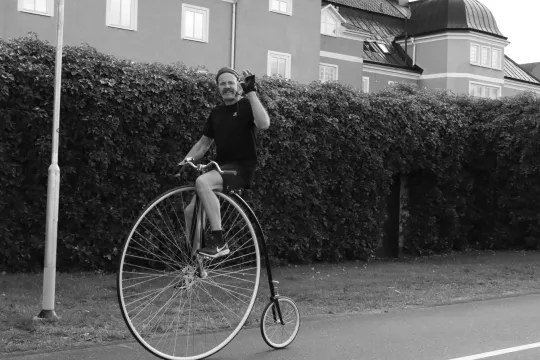
The penny farthing, with its towering front wheel and tiny rear one, is the image most people picture when they think of a Victorian bicycle.