Mountain Bikes & MTB · Mountain Bikes & MTB
Full Suspension Bike
A full suspension bike smooths out rough trails by springing both the front wheel and the rear, giving you more comfort
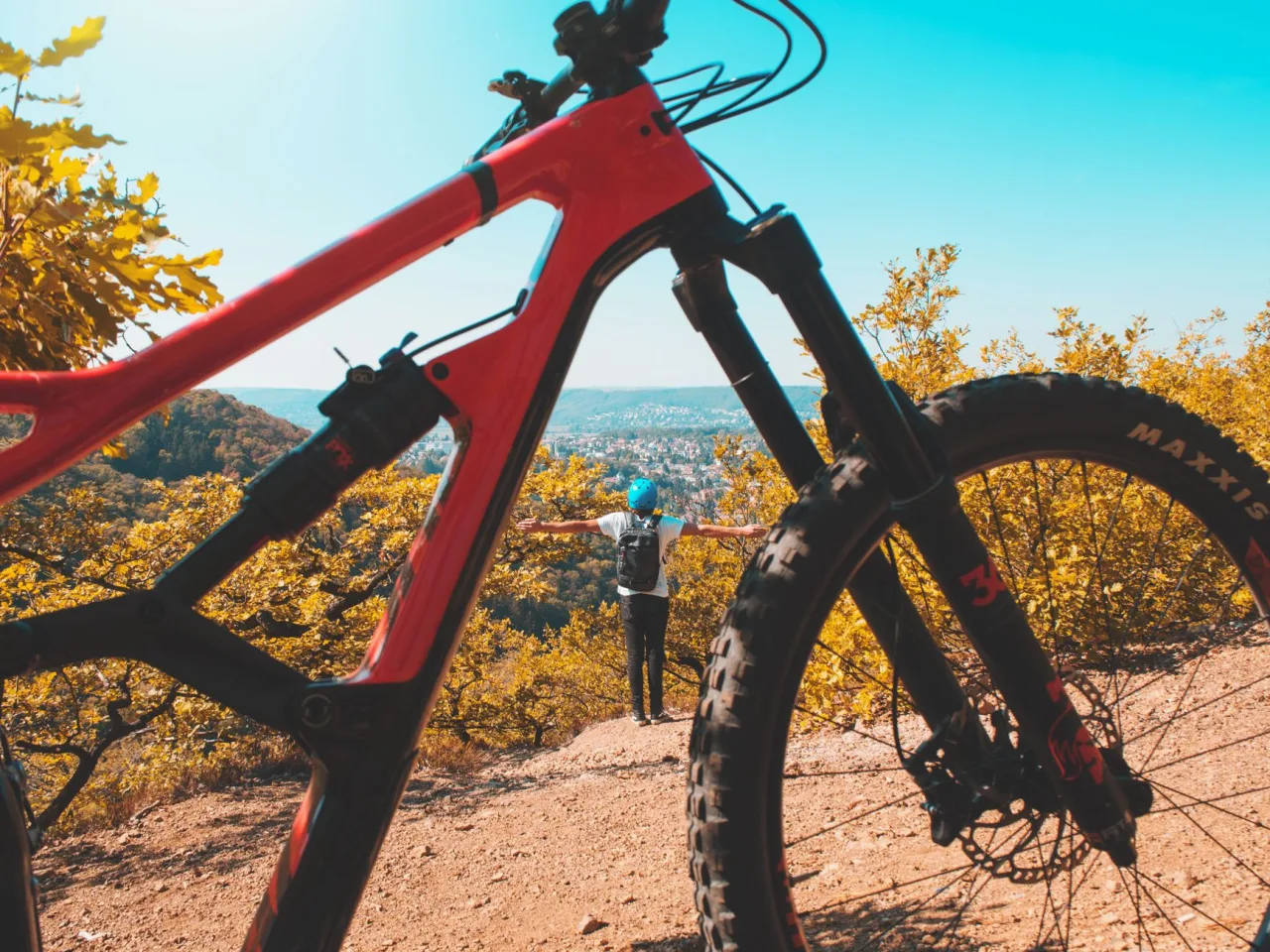
A full suspension bike smooths out rough trails by springing both the front wheel and the rear, giving you more comfort, grip and control when the ground gets nasty. It is not automatically the right choice for everyone, though. This guide explains how full suspension works, when it is worth the extra money, and how to avoid the classic mistake of buying a cheap full-suspension bike over a better hardtail.
The short version
- Full suspension means the bike is sprung at both ends, unlike a hardtail (front only) or a rigid bike (neither).
- It shines on rough, rocky, technical terrain where the extra comfort and traction pay off in control and confidence.
- The trade-offs are more weight, higher cost and more servicing. Suspension quality matters more than the amount of travel.
- On a tight budget, a good hardtail usually beats a cheap full-suspension bike. Do not buy the linkage at the expense of the parts.
What full suspension means
Full suspension, sometimes called dual suspension, describes a bike with a suspension fork at the front and a shock absorber at the rear, mounted in a frame with a pivoting rear section. As the Wikipedia article on bicycle suspension notes, these bikes are designed to insulate the rider from the roughness of the terrain, contrasting with hardtails that have front suspension only and rigid bikes with none. The rear linkage lets the back wheel move up and over obstacles instead of kicking the whole bike, so you keep traction and comfort on rough ground.
Full suspension is most associated with mountain biking, and it sits alongside hardtails and rigid bikes in that family. For the wider picture of off-road categories, our mountain bike guide and our MTB buyer's guide explain how full suspension fits among the disciplines.
How full suspension works
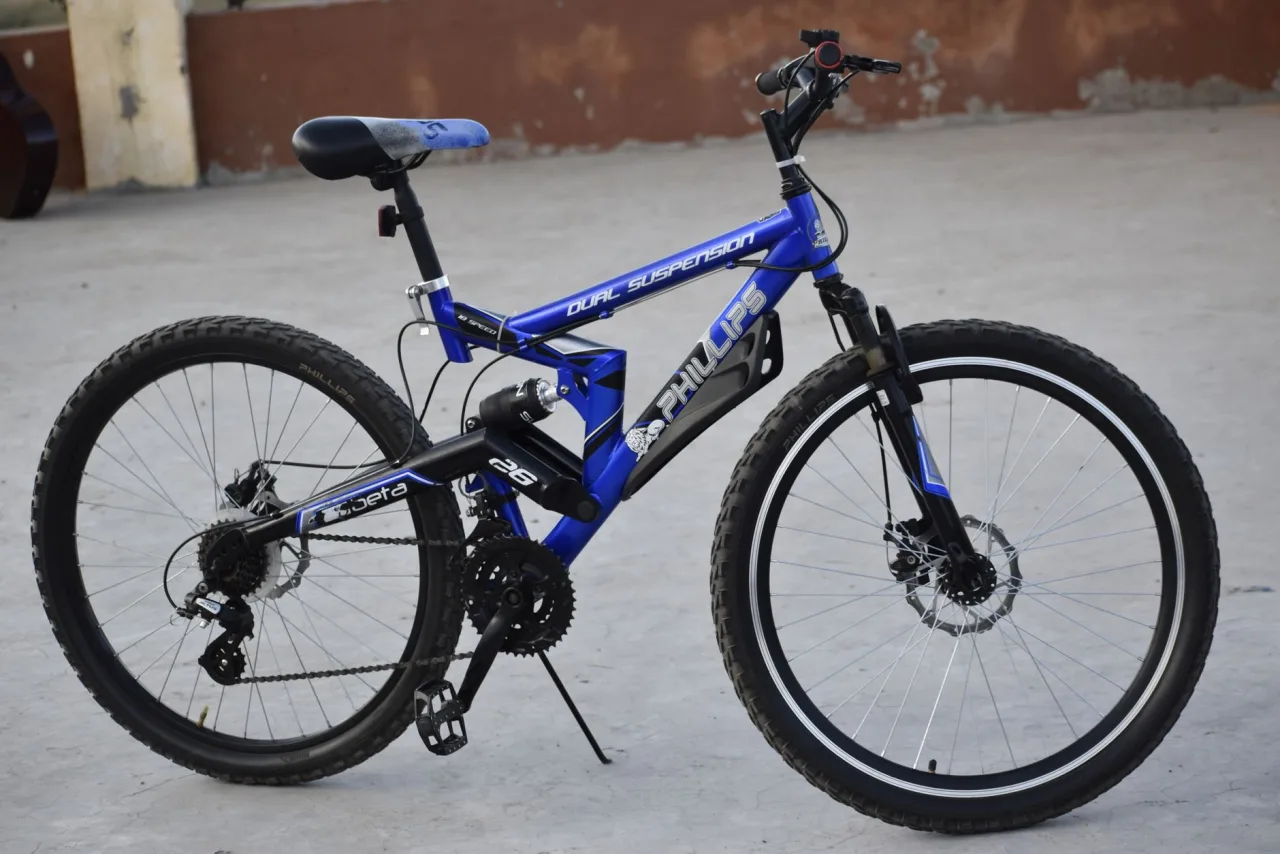
Both ends of the bike use a spring and a damper. The spring, usually compressed air or a coil, absorbs the impact, while the damper controls how quickly the suspension compresses and rebounds so it does not bounce uncontrollably.
- Travel: the distance the suspension can move, measured in millimetres. More travel absorbs bigger hits but adds weight and can feel less efficient on smooth ground.
- Air versus coil: air springs are light and easy to tune to rider weight, while coil springs are supple and durable but heavier and less adjustable.
- Damping adjustments: better suspension lets you tune rebound and sometimes compression, so the bike suits your weight and terrain.
- Lockout: many systems can firm up or lock the suspension for smoother climbs, improving pedalling efficiency when you do not need the travel.
Full suspension versus hardtail
The choice between full suspension and a hardtail is the central decision in off-road cycling, and both have a genuine case depending on your terrain and budget.
- Full suspension pros: more comfort on long rough rides, better traction on loose and technical ground, and more control on fast, chattery descents.
- Full suspension cons: heavier, more expensive, and more to maintain, with pivots and a rear shock that need periodic servicing.
- Hardtail pros: lighter, cheaper, simpler, efficient to pedal, and an excellent choice for smoother trails and cross-country riding.
A key rule of thumb: at the same price, the parts on a hardtail are usually a class better than those on a full-suspension bike, because the frame and linkage cost less. If your budget is tight, a well-specced hardtail often rides better than a cheap full-suspension bike whose fork, shock and brakes have all been downgraded to hit the price.
Warning: beware the bargain full-suspension bike
Very cheap full-suspension bikes exist, but the suspension is often heavy, crude and hard to service, and the money saved on parts shows up as poor brakes and a flexy frame. If your budget only stretches to an entry price, put it toward a quality hardtail instead and upgrade later.
Who should buy full suspension
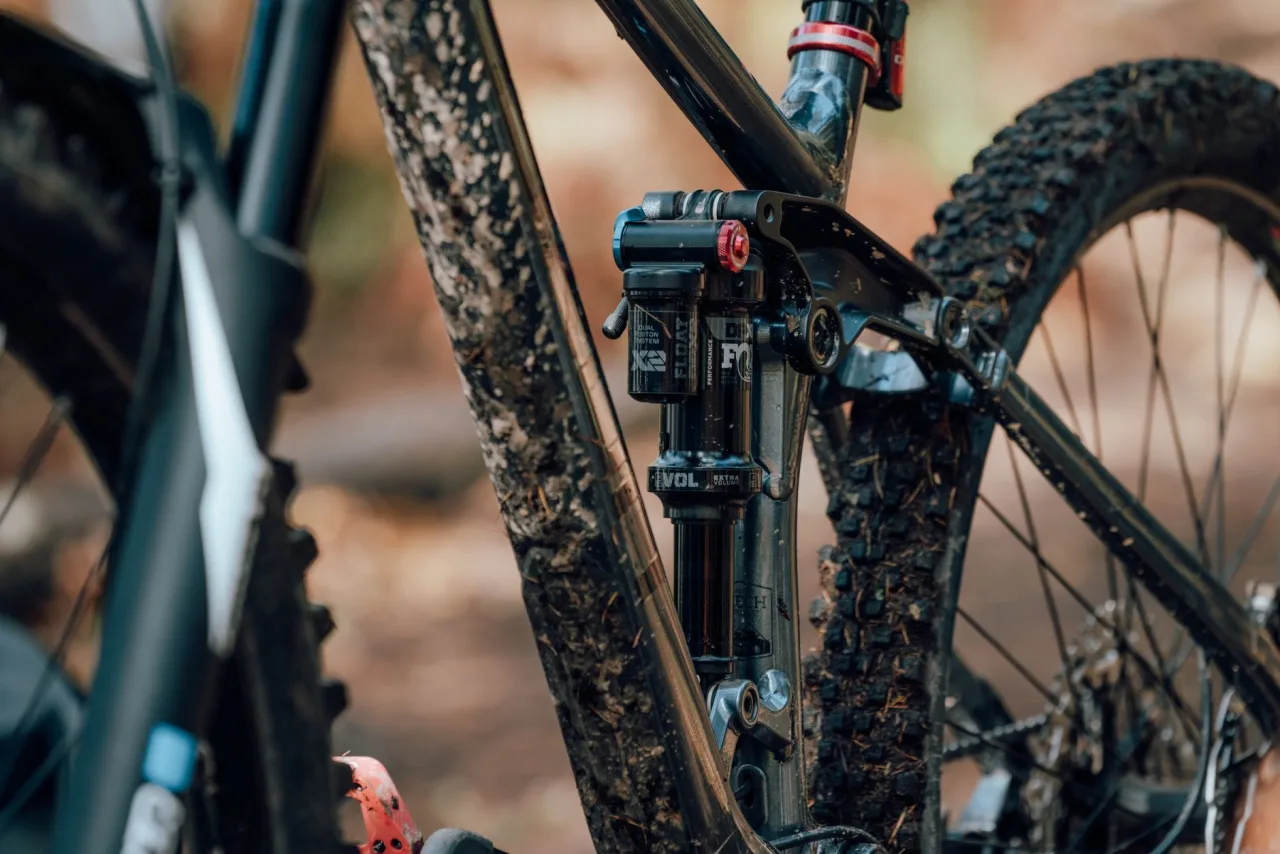
Full suspension earns its keep when your terrain is genuinely rough and your budget can support a quality build. It is worth it if the following describe your riding.
- You ride rocky, rooty or technical trails where a hardtail gets bounced around and loses grip.
- You descend fast and often, where the extra control and comfort translate into confidence and safety.
- You ride long days off-road and value the reduced fatigue that comes from less impact reaching your body.
- Your budget supports a quality build, so the suspension is a genuine performance part rather than dead weight.
If you mostly ride smooth trails, gravel paths or fire roads, a hardtail or even a gravel bike may serve you better for less money. And if you want assistance on the climbs while keeping full-suspension capability, a full suspension e-bike combines the two.
What to look for when buying
When you compare full-suspension bikes, quality matters far more than the travel figure on the spec sheet. Focus on the parts that shape how the bike rides.
- Suspension brand and model: a reputable air fork and shock with adjustment beats a cheap unit with more travel. This is where the ride quality lives.
- Frame material and pivots: a stiff, well-designed frame with quality bearings tracks better and lasts longer.
- Brakes: hydraulic disc brakes are essential for the speeds full suspension enables. Prioritise them.
- Travel matched to use: shorter travel for cross-country and trail, longer travel for enduro and downhill. More is not always better.
- Dropper post: a lever-operated seatpost transforms descending confidence and is well worth having.
For real model examples across the travel range, our Santa Cruz overview covers a respected trail and enduro brand, and established makers such as Trek publish full geometry and suspension specs that help you compare like for like. Prices vary widely by region and spec, so treat any figure as a range and confirm current pricing with a local shop before buying.
Living with full suspension
The extra performance of full suspension comes with extra care. Nothing onerous, but a few habits keep it working as designed and protect a significant investment.
- Set your sag. Adjust the air pressure so the suspension compresses the right amount under your weight. This single setup step makes the biggest difference.
- Keep pivots clean. Mud and grit shorten bearing life, so clean and dry the bike after wet rides.
- Service the suspension. Forks and shocks need periodic professional servicing to keep seals and damping healthy.
- Check bolts and bearings. Pivot bolts can loosen over time, so a periodic check keeps the rear end tight and quiet.
Because suspension servicing is specialist work, a good local shop is invaluable. Our guide to finding trusted MTB shops explains how to choose a dealer that can look after it properly.
Frequently asked questions
What is a full suspension bike?
A full suspension bike, also called a dual suspension bike, has a suspension fork at the front and a rear shock in a frame with a pivoting rear section. This lets both wheels move over obstacles, insulating the rider from rough terrain and improving comfort, grip and control compared with a hardtail or rigid bike.
Is full suspension worth it for a beginner?
It depends on your terrain and budget. Full suspension is worth it on genuinely rough, rocky trails and when your budget supports a quality build. If you mostly ride smoother trails or your budget is tight, a good hardtail usually rides better than a cheap full-suspension bike and is easier to maintain.
Full suspension or hardtail, which should I choose?
Choose full suspension for rough, technical and fast descending terrain where comfort and traction matter, provided your budget supports quality parts. Choose a hardtail for smoother trails, cross-country riding, lower weight, less maintenance and better value. At the same price, a hardtail usually has better components.
How much does full suspension maintenance cost?
Costs vary by region and how much you ride, so treat figures as ranges and confirm locally. Beyond normal drivetrain care, budget for periodic suspension servicing of the fork and rear shock, plus occasional pivot bearing replacement. This ongoing upkeep is part of the trade-off for the added comfort and control.
Does more suspension travel mean a better bike?
No. Travel should match your riding, with shorter travel for cross-country and trail and longer travel for enduro and downhill. Suspension quality, meaning a good fork and shock with proper adjustment, matters far more than the raw travel figure. A well-made shorter-travel bike often outperforms a cheap long-travel one.
More guides on Mountain Bikes & MTB
Have a question or a topic to suggest?
We read every message. Tell us what you would like to see next on the blog.
Get in touchYou may also like
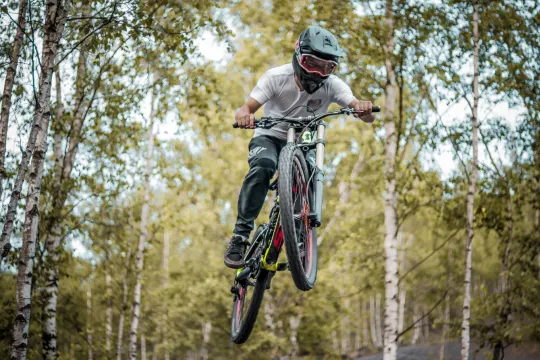
MTB Bike
MTB is simply shorthand for mountain bike, but the moment you start shopping you discover it is not one thing at all. The term covers everything from light, fast cross-country machines to burly downhill rigs
Bike Gear
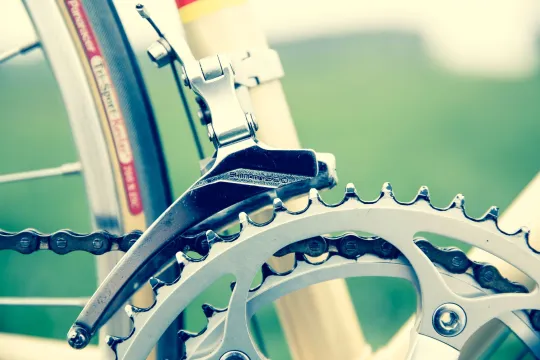
Ask two cyclists about "bike gear" and you will get two different answers. One means the gears on the drivetrain, the cassette and chainrings that let you pedal comfortably up a hill or fast on the flat.
Second Hand Bikes Near Me: Find Trusted
Searching "second hand bikes near me" is the easy part. Turning those results into a good bike at a fair price, without inheriting someone else's problems, is where it gets tricky.