Used Buying · Electric Bikes
Used Electric Bikes for Sale: Buyer Guide
The battery and the seller decide whether a secondhand e-bike is a bargain or a costly mistake.
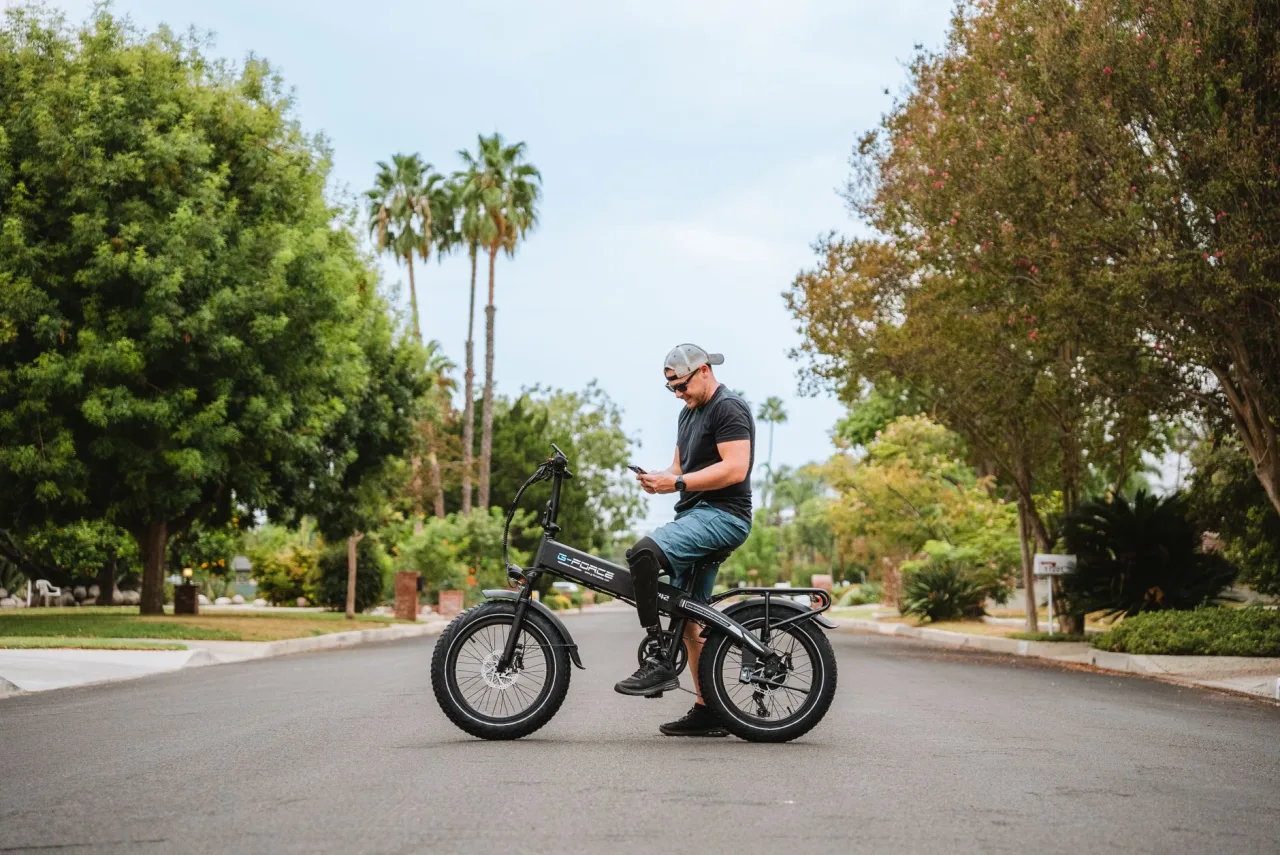
A used electric bike can be a genuine bargain or an expensive mistake, and the difference almost always comes down to the battery and the seller. This guide shows you how to inspect a secondhand e-bike, spot the red flags, and buy with confidence instead of hope.
The short version
- The battery is the most expensive and most perishable part, so battery health decides whether a used e-bike is a deal or a dud.
- Always test ride, check every assist level, and ask for the original receipt and charger before you pay.
- Buy from a source you can hold accountable: a shop, a verifiable private owner, or a certified refurbisher.
- Prices vary widely by age, condition, and brand, so treat any figure as a range and confirm what a comparable new model costs first.
Why used e-bikes are different from used bikes
Buying a used regular bike is mostly about mechanical wear you can see and fix: tyres, chain, brake pads, cables. A used electric bike adds a battery, a motor, and electronics that age in ways you cannot see at a glance. A frame can look pristine while a tired battery quietly delivers half its original range. That is why the process for buying a used e-bike is more like buying a used car than a used bicycle. You are inspecting a system, not just a frame.
If you are weighing a used purchase against a new one, our electric bike guide and electric bike price guide help you set a fair baseline before you start hunting for deals.
The battery: the make-or-break inspection
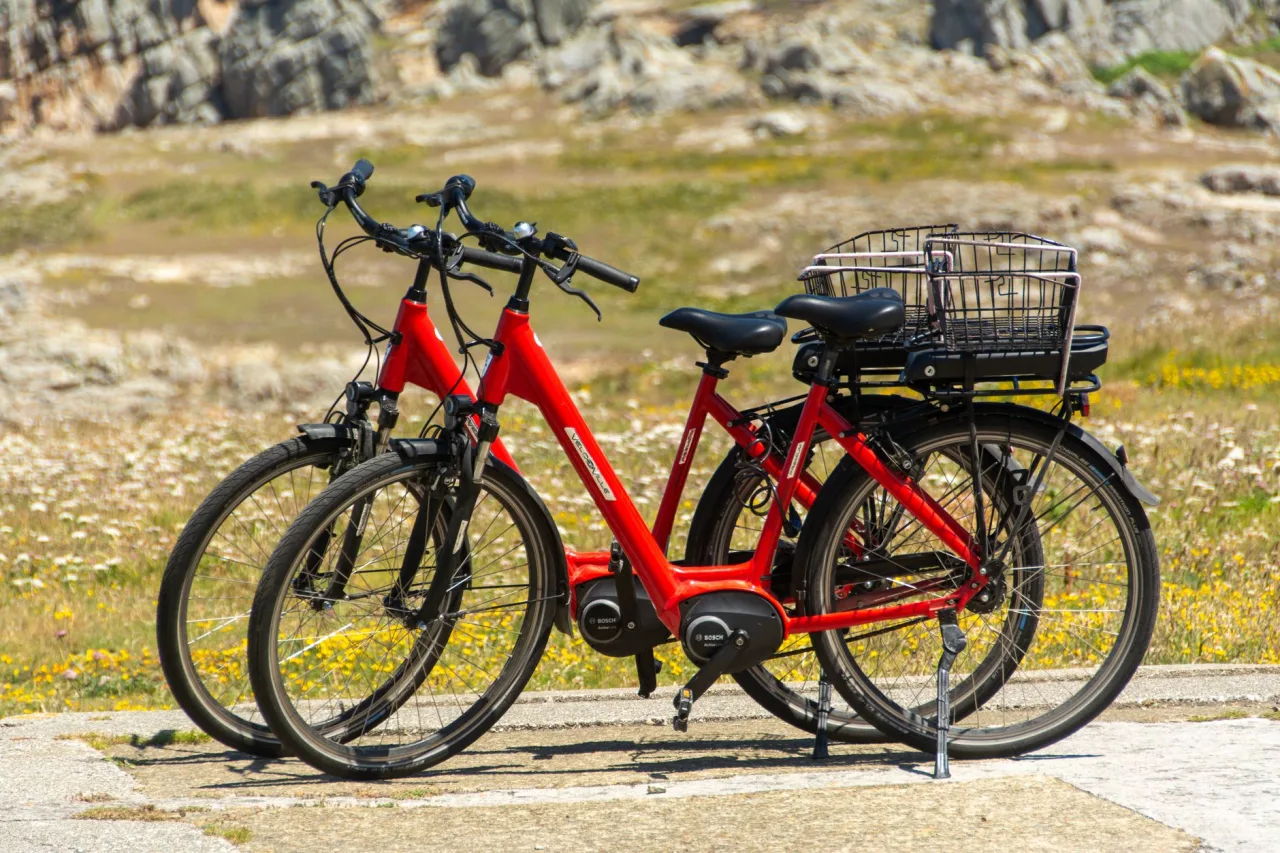
Every lithium battery loses capacity with age and use, and replacing one can cost a large share of a bike's value. Before you buy, work through the battery like a detective.
- Age and cycles: ask when the bike was bought and roughly how many charge cycles it has seen. A battery several years old with heavy use is nearing the end of its useful life.
- Range test: if possible, ride far enough on a known assist level to see whether the range roughly matches the model's expectations.
- Charge behaviour: check that the battery accepts a charge and that the display shows a sensible level rather than jumping around.
- Physical condition: look for swelling, corrosion on the contacts, or any signs of impact or water damage, and walk away from any of these.
As Wikipedia's electric bicycle article notes, the electrical system relies on a controller and sensors that the maker tunes, so also confirm the display powers up cleanly and the assist responds smoothly to pedalling.
Warning: never buy an e-bike without the original charger
- A missing charger can mean the battery was mishandled, and the correct replacement charger is model-specific and not cheap.
- Using the wrong charger risks damaging the battery or creating a fire hazard.
- No charger and no receipt together is a strong signal to walk away.
Mechanical checks that still matter
The battery gets the headlines, but the rest of the bike still needs a normal secondhand inspection. E-bikes are heavier and often faster than regular bikes, so their drivetrains and brakes wear faster. Check the chain and cassette for wear, spin the wheels to check they run true, squeeze the brakes to confirm they are firm, and look for cracks or dents around the frame and welds, especially near the motor mount. Budget for consumables like tyres, pads, and a chain, and factor that into your offer.
Where to buy a used e-bike safely
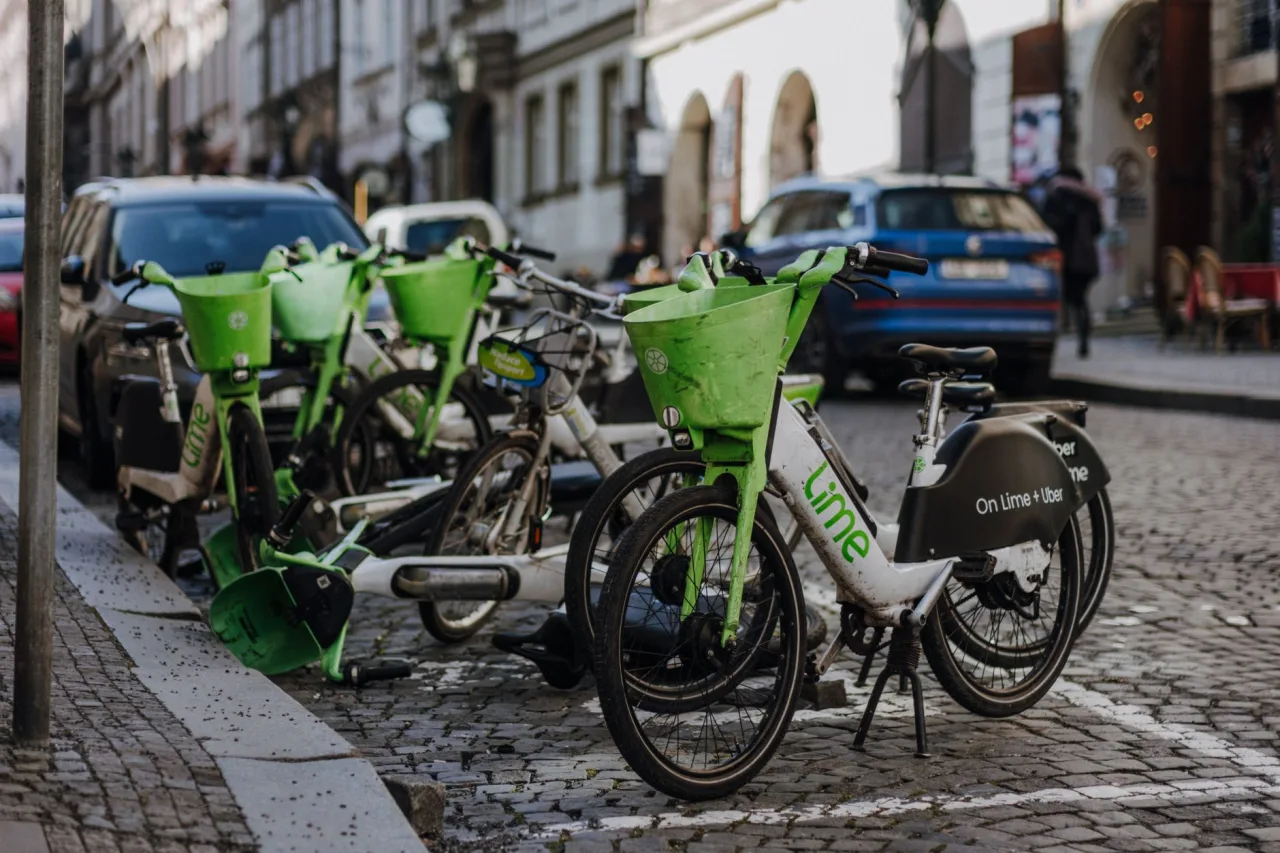
Where you buy shapes how protected you are if something goes wrong. Ranked roughly from safest to riskiest:
- A bike shop or certified refurbisher: the priciest route but often the safest, sometimes with a limited warranty and a professional check already done.
- A verifiable private seller: a real owner who can show the receipt, the charger, and the bike at their home is a reasonable middle ground.
- Anonymous online listings: the cheapest and the riskiest, with the highest chance of stolen bikes, hidden faults, or scams.
For the local, in-person route, our guides to a trusted used bike shop and an e-bike shop explain how to judge a shop's honesty. If you are comparing with other secondhand routes, the used electric bikes guide and the second hand electric bikes guide cover related ground.
Avoiding stolen bikes and scams
Electric bikes are valuable and portable, which makes them a target for theft. Protect yourself with a few simple habits. Ask for the original purchase receipt and match the serial number on it to the number on the frame. Meet in person, ideally at the seller's home, and be wary of any deal that pushes you to pay before you have seen and ridden the bike. A price far below every comparable listing is a warning sign, not a lucky break. If a seller cannot or will not prove ownership, treat that as a reason to walk away.
Pre-purchase checklist
- Confirm the battery charges, holds a sensible level, and shows no swelling or corrosion.
- Test every assist level and make sure the motor engages smoothly and cuts out at the brakes.
- Match the frame serial number to the original receipt and confirm the charger is included.
- Budget for likely consumables and compare the total against a new model's price.
What a fair used price looks like
There is no universal figure for a used e-bike because it depends on the original price, the age, the battery health, the brand, and local demand. A useful method is to find the current cost of the same or a similar new model, then discount for age and condition and add the likely cost of a future battery replacement. A bike that is only slightly cheaper than new, with an ageing battery, is rarely a good deal. Treat every listed price as a range and let the battery's condition drive your final offer. For broader context on what drives cost, and how used fits into it, see our electric bike company guide and the more general electric road bike guide if that is the style you are after.
Frequently asked questions
How do I check the battery health on a used electric bike?
Ask how old the battery is and roughly how many charge cycles it has, then test it in person. Confirm it accepts a charge, shows a stable level on the display, and delivers a range close to the model's expectations on a known assist level. Inspect it physically for swelling, corrosion, or damage, and walk away if you see any of these.
Is it safe to buy a second hand electric bike?
It can be, if you inspect the battery, test ride the bike, and buy from a source you can hold accountable. A bike shop or certified refurbisher is the safest, a verifiable private owner is a reasonable middle ground, and anonymous online listings carry the most risk of hidden faults, stolen bikes, or scams.
What should a used electric bike come with?
At minimum the correct original charger and, ideally, the original purchase receipt. The charger is model-specific and expensive to replace, and using the wrong one can damage the battery. The receipt lets you match the serial number and confirm the seller is the genuine owner.
How much should a used electric bike cost?
There is no fixed figure because it depends on the original price, age, battery health, brand, and local demand. A fair method is to check the current price of a similar new model, discount for age and condition, and add the likely cost of a future battery replacement. Treat any listed price as a range and confirm it locally.
How do I avoid buying a stolen electric bike?
Ask for the original receipt and match its serial number to the number on the frame. Meet the seller in person, ideally at their home, and be suspicious of any price far below comparable listings or any pressure to pay before you have seen the bike. If the seller cannot prove ownership, do not buy it.
More guides on Electric Bikes
Have a question or a topic to suggest?
We read every message. Tell us what you would like to see next on the blog.
Get in touchYou may also like

Used Electric Bikes: The Complete Guide
A used e-bike is a bargain only if the battery is healthy. Get a clear inspection method, realistic prices, and the red flags that signal a costly mistake.

Second Hand Electric Bikes: Complete Guide
How to find used e-bikes for sale, inspect them properly, judge a fair price and avoid the one mistake, a worn battery, that turns a bargain into a costly regret.

Electric Bike: The Complete Guide
Everything you need before buying an e-bike: how the motor and classes work, hub versus mid-drive, battery range, the main types, and what a good electric bike really costs.