Used Bike Guide
Used Bike Shop: Find a Trusted One
A good used bike shop inspects and warranties what it sells. Here is how to find one and buy secondhand with confidence.
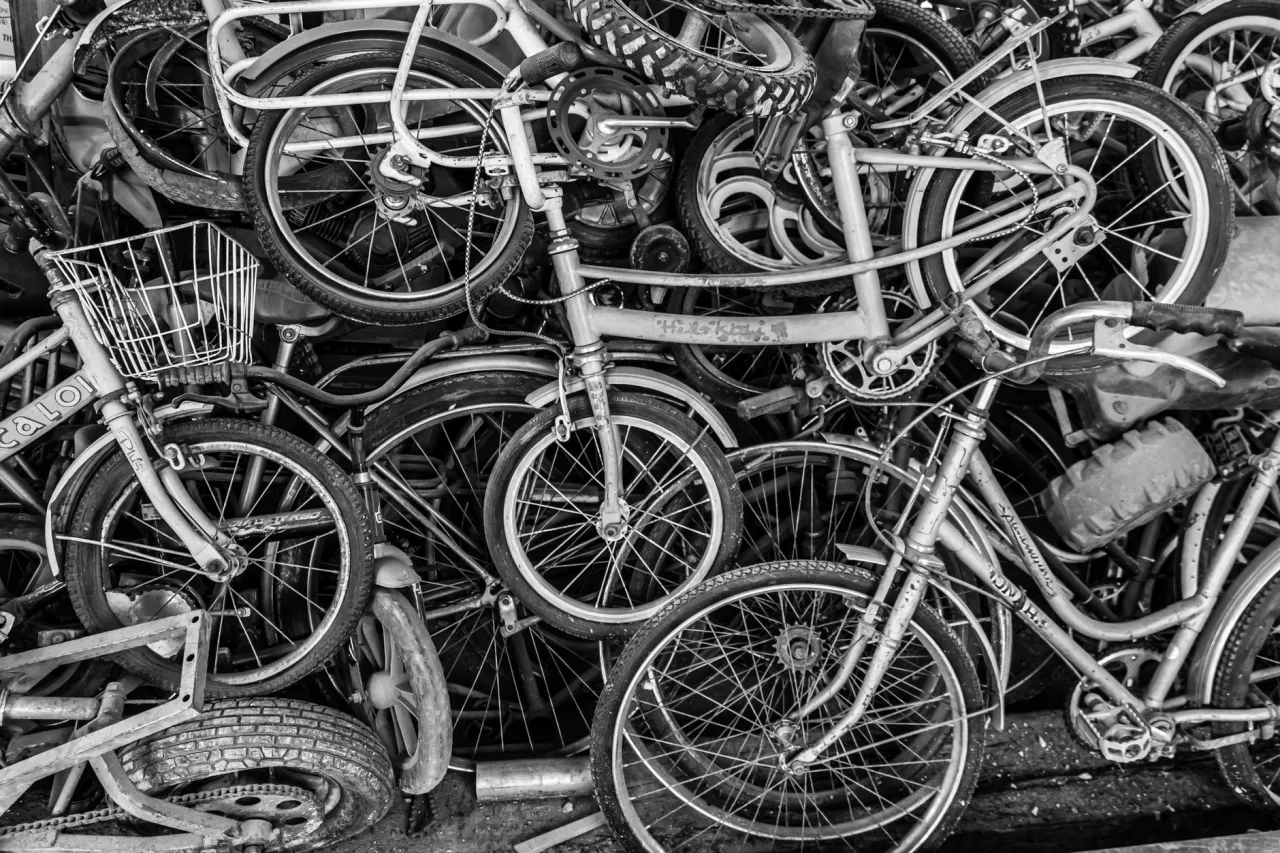
A good used bike shop is one of the best-kept secrets in cycling: it can put you on a quality bike for a fraction of the new price, professionally checked and ready to ride. The trick is telling a real used specialist, which inspects and reconditions the bikes it sells, from a place that simply flips whatever rolls in the door. This guide shows you how to find trustworthy used bike shops and buy secondhand with confidence.
The short version
- A proper used bike shop inspects, services, and often warranties the bikes it sells, unlike a private seller.
- You pay a little more than a private sale, but you buy a checked bike with someone to return to.
- Always test ride and inspect the frame, drivetrain, and brakes before buying, even from a shop.
- Used prices vary by brand, age, and condition, so treat every figure here as a range to confirm locally.
Why buy from a used bike shop
Buying a used bike privately can save money, but it carries risk: you rarely know the bike's history, and there is no recourse if it turns out to have a cracked frame or a worn-out drivetrain. A dedicated used bike shop reduces that risk. The good ones inspect each bike, replace worn parts, tune it, and often stand behind the sale with a short warranty or a return window. You pay a bit more than a bare private sale, but you get a bike that has been checked by someone who knows what to look for and a counter to return to if something is wrong.
Used shops also serve the environment and the wallet at once, keeping good bikes in service instead of landfills. If you want to understand the wider secondhand market before you shop, our second hand bikes guide covers how to evaluate any used bike, and this guide focuses on finding the shops that sell them well.
How to find used bike shops near you
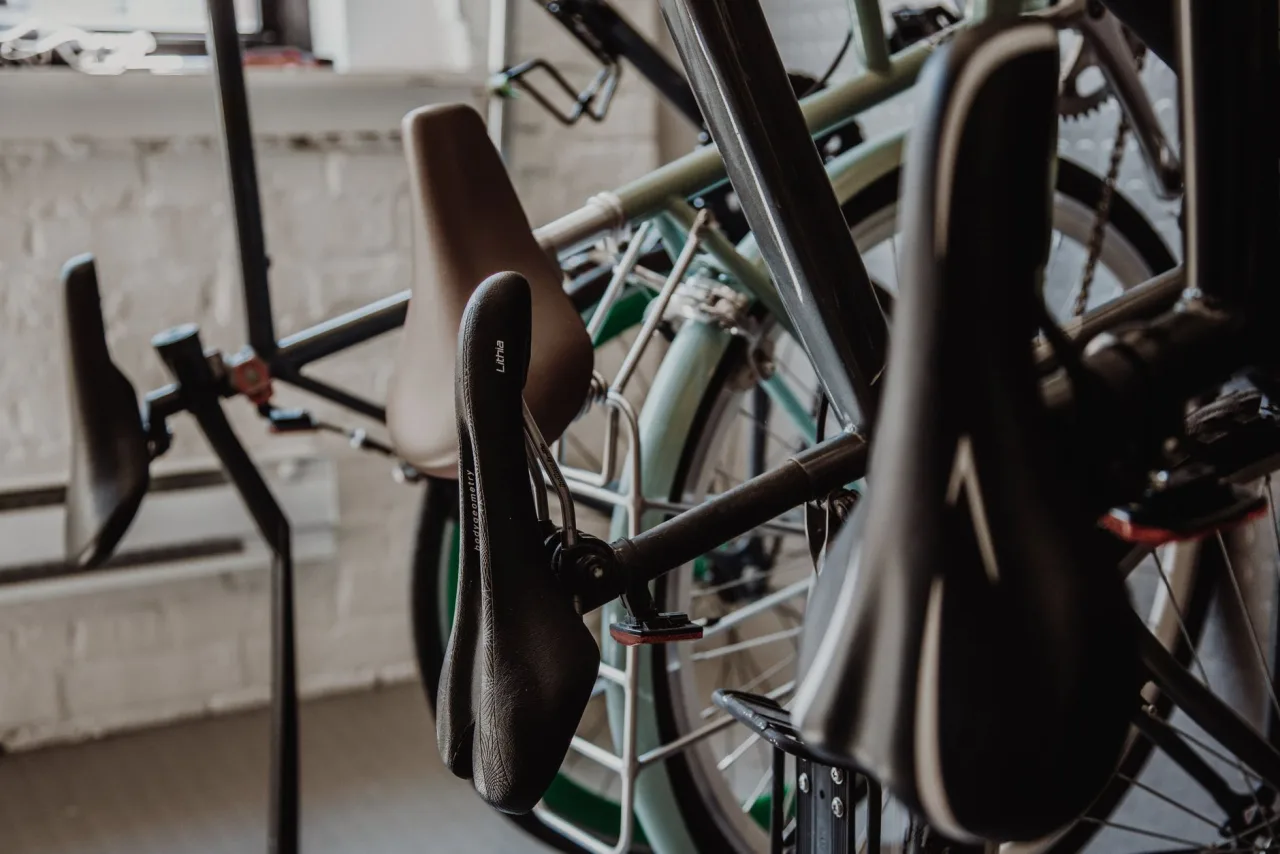
Your aim is a short list of shops with a real reputation for quality, not just the nearest listing. A reliable method:
- Search maps and directories for used or pre-owned bike shops, then read the review text for mentions of honest condition grading and after-sale support.
- Check whether full-service bike shops in your area also sell reconditioned trade-ins, since many do.
- Look for nonprofit bike cooperatives and community workshops, which often refurbish and sell donated bikes cheaply.
- Ask local cycling groups which shop they trust for a good used bike.
Reviews are your best filter. Look past the star rating for words like "honest," "reconditioned," and "stood behind it," and for repeated complaints about bikes sold with hidden problems. For a broader vetting method that applies to any bike store, our guide to finding trusted local shops covers the questions and first-visit tests worth using.
Tip: ask what was serviced
A quality used shop can tell you exactly what it checked and replaced on a given bike: new tires, a fresh chain, bled brakes, trued wheels. If the staff cannot say what work was done, treat the bike as an unknown private sale rather than a reconditioned one, and inspect it that much harder.
How to inspect a used bike before buying
Even at a reputable shop, you should check the bike yourself. A used bike's value lives in its condition, and a ten-minute inspection prevents an expensive mistake. Work through this checklist:
- Frame: look closely for cracks, dents, or rust, especially around the welds, the bottom bracket, and the head tube. A cracked frame is a deal-breaker.
- Drivetrain: check the chain, cassette, and chainrings for wear. Shark-tooth-shaped teeth or a chain that skips means costly replacement soon.
- Brakes: squeeze the levers and confirm firm, even stopping, and check pad wear on rim brakes or rotors on disc brakes.
- Wheels: spin each wheel and watch for wobble, and check that spokes are tight and the rims are not cracked.
- Bearings: rock the wheels side to side and turn the bars to feel for play in the hubs and headset.
Always take a test ride. Shift through the gears, brake hard, and listen for creaks or grinding. A good shop expects this and encourages it. If you are new to inspecting bikes, bringing a knowledgeable friend or paying a shop to look it over first is money well spent.
What used bikes cost in 2026
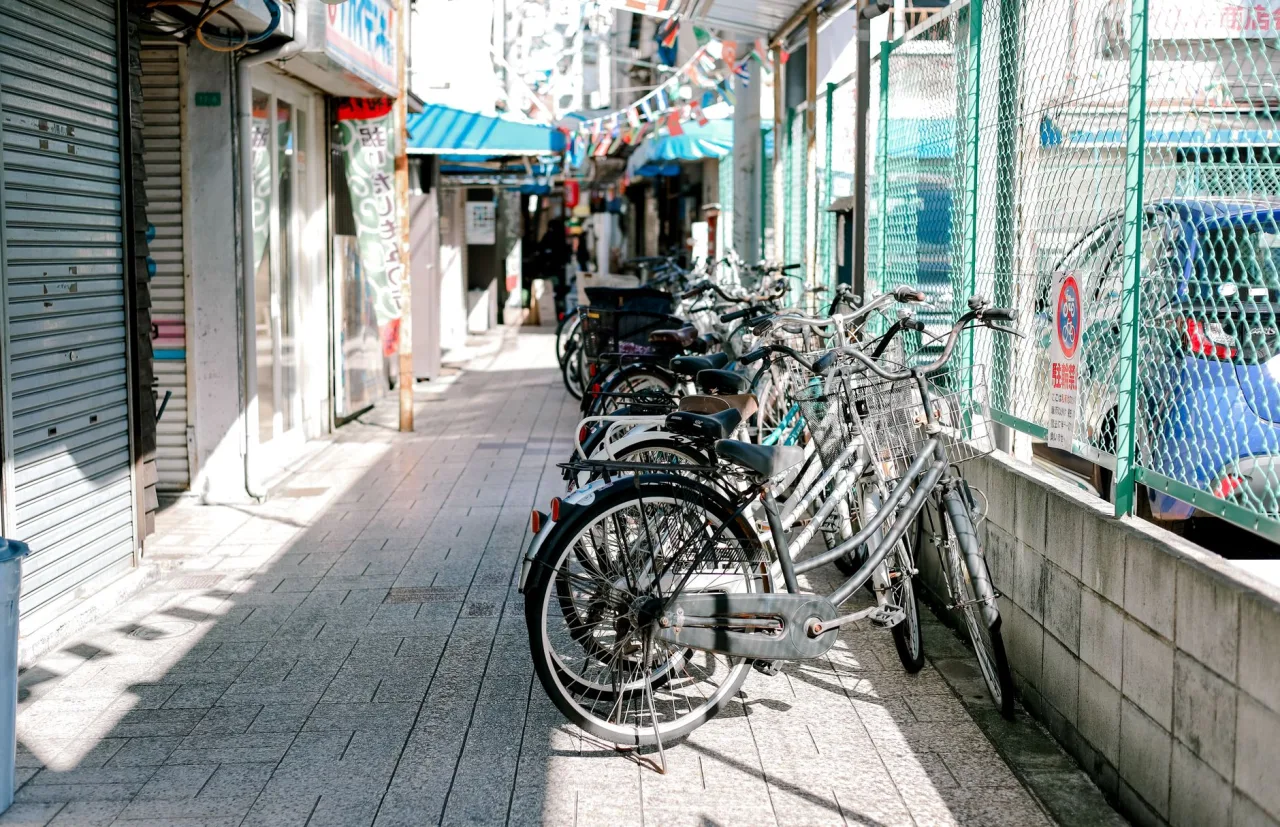
Used pricing depends on the original quality, the age, and the condition, so treat these as ranges to confirm locally. A basic used commuter or entry bike in good order often runs a modest fraction of its new price, a quality used mountain or road bike from a name brand typically holds more value but still sells well below new, and a nearly new high-end bike can command a strong price if it was expensive to begin with. The best value is usually a mid-range bike from a reputable brand that someone bought, rode lightly, and sold, since it offers real quality at a fraction of the new cost.
To judge whether a used price is fair, it helps to know what the bike costs new. Our bicycle price breakdown shows what different budgets buy new, which gives you a baseline for negotiating used.
Warning: watch for stolen bikes
A price that seems too good to be true, a filed-off or missing serial number, or a seller who cannot explain the bike's history are all red flags for a stolen bike. Reputable used shops keep records and check serial numbers, which is another reason to buy from an established shop rather than an anonymous listing.
Used versus new: which is right for you
A used bike is the smart choice if you want more bike for your money, you are new to a discipline and unsure how much you will ride, or you simply prefer value over the latest model. A new bike makes more sense if you want a warranty, the current technology, a precise fit, and the peace of mind of a bike with no history. Neither is simply better; it depends on your budget and priorities. Our new bike guide lays out the trade-offs in full so you can decide with clear eyes.
Getting the most from a used shop relationship
The same habits that make a new bike shop valuable apply to a used one. Buy your first tune-up, accessories, and later service from the shop that sold you the bike, and it will remember you when you need a favor or a trade-up. Many used shops also buy back or take trade-ins, so the bike you buy today can become the deposit on your next one. A trustworthy used shop is not a one-time transaction; it is a resource you return to as your riding grows. For a comparison of the different kinds of shops and what each does best, see our overview of how to choose a bike shop.
Frequently asked questions
Is it safe to buy a used bike from a shop?
Buying from a reputable used bike shop is far safer than a private sale, because the shop inspects and services the bikes it sells and often offers a short warranty or return window. You should still test ride and inspect the frame, drivetrain, and brakes yourself, but a good shop has already done the hard checking and gives you someone to return to.
How do I find a good used bike shop near me?
Search maps and directories for used or pre-owned bike shops, then read the review text for mentions of honest condition grading and after-sale support. Check whether full-service shops in your area sell reconditioned trade-ins, look for nonprofit bike cooperatives, and ask local cycling groups which shop they trust for a good used bike.
What should I check before buying a used bike?
Inspect the frame for cracks and rust, check the chain, cassette, and chainrings for wear, test the brakes for firm even stopping, spin the wheels to check for wobble, and feel the hubs and headset for play. Always take a test ride, shifting through the gears and braking hard, and buy from a shop that can tell you what it serviced.
How much should a used bike cost?
Used prices vary by brand, age, and condition and should be confirmed locally, but a basic used bike in good order typically sells for a modest fraction of its new price, while quality name-brand bikes hold more value yet still sell well below new. The best value is usually a lightly ridden mid-range bike from a reputable brand.
How can I avoid buying a stolen bike?
Be wary of a price that seems too good to be true, a filed-off or missing serial number, or a seller who cannot explain the bike's history. Reputable used bike shops keep records and check serial numbers, which is a strong reason to buy from an established shop rather than an anonymous private listing.
More guides on Bike Shops & Services (Local)
Have a question or a topic to suggest?
We read every message. Tell us what you would like to see next on the blog.
Get in touchYou may also like
Second Hand Bikes: Complete Guide
Buy a used bike with confidence: where to look, how to inspect frame, drivetrain and brakes, what to check on a used e-bike, and how to avoid stolen bikes and overpaying.
Bike Shop: Find Trusted Local Shops
A buyer's guide to bike shops: the three kinds of store, how to judge the service department, why authorized dealers matter, and getting lasting value.
New Bike: The Complete Guide
A practical guide to buying a new bike: match the type to your riding, budget for the whole package, nail the fit, and choose where to buy so it still feels like a good decision a year later.