Shop Guide
E-Bike Shop: How to Choose a Good One
Why electric bikes need a specialist shop, and how to find one that supports the bike long after the sale.
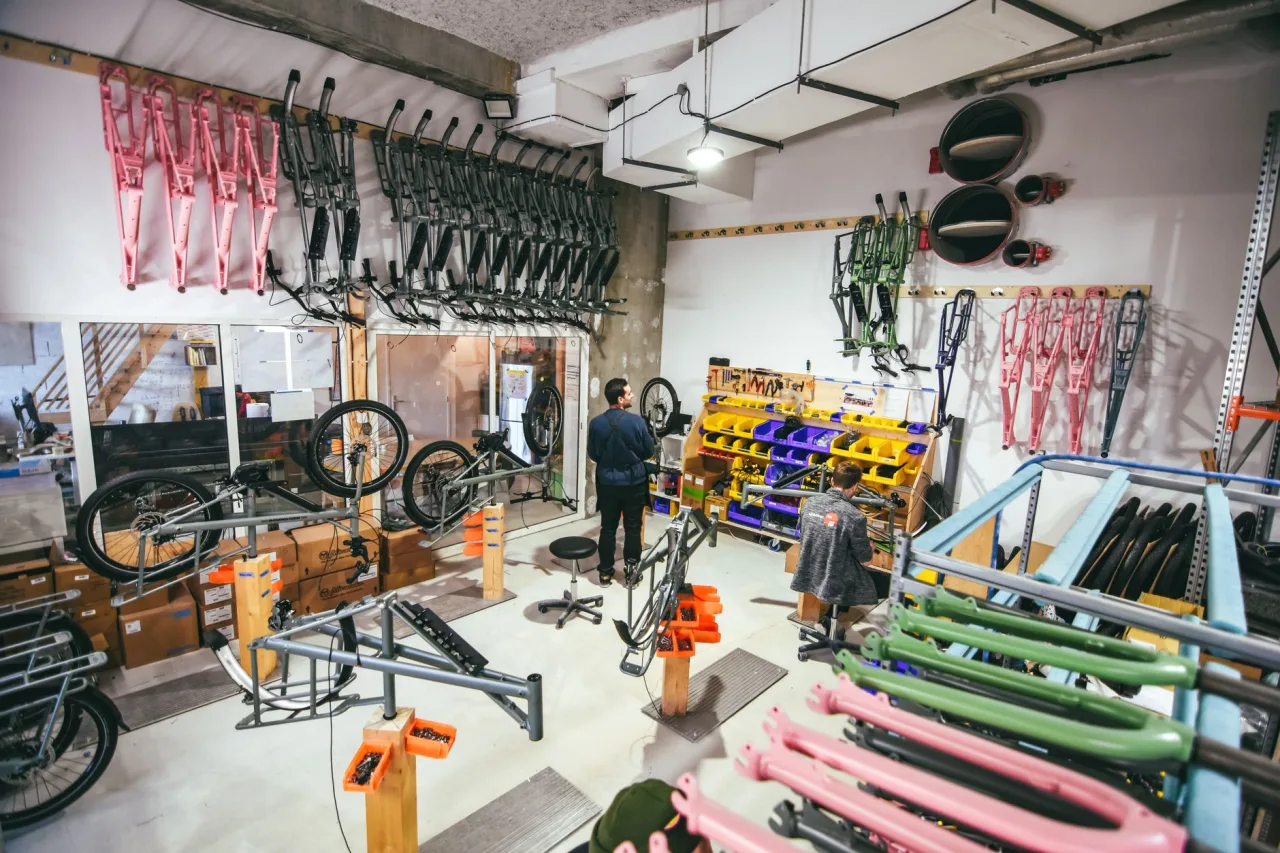
An e-bike shop is not just a bike shop with batteries on the wall. Selling and servicing electric bikes calls for training in motors, battery packs, and firmware that a general store may not have. This guide explains what a good e-bike shop actually does, what its services cost, and how to choose one you can rely on long after the sale.
The short version
- The best e-bike shops employ mechanics trained on specific motor and battery systems, not just general bike repair.
- Buy from an authorized dealer for your bike's brand so warranty, firmware, and battery support are handled properly.
- Service and diagnostics on electric systems cost more than on a standard bike, so treat any figures as ranges and confirm locally.
- A short test ride and a few direct questions about servicing tell you more than any advertisement.
Why an e-bike shop is a different kind of shop
An electric bike combines standard bicycle hardware with an electric drive system: a battery that stores energy, a motor that adds power, and a controller with sensors that decides how much help to give. As the Wikipedia overview of electric bicycles explains, these systems differ in motor placement, power, and how assistance is delivered. Diagnosing a fault, updating firmware, or safely handling a lithium-ion pack all require knowledge a purely mechanical shop may lack. That is why the shop you choose matters even more for an e-bike than for a regular one.
The bikes themselves are also grouped into legal classes, and a good shop should know them. As PeopleForBikes explains, Class 1 is pedal-assist up to about 20 mph, Class 2 adds a throttle at the same cap, and Class 3 is pedal-assist up to about 28 mph, with local rules governing where each may be ridden. A shop that can tell you which class a bike is and where it is legal in your area is showing exactly the kind of specialist knowledge you want.
If you are still deciding which electric bike suits you, our complete electric bike guide and our electric cycle guide cover the categories, motor types, and specs worth understanding before you walk in.
What a good e-bike shop offers
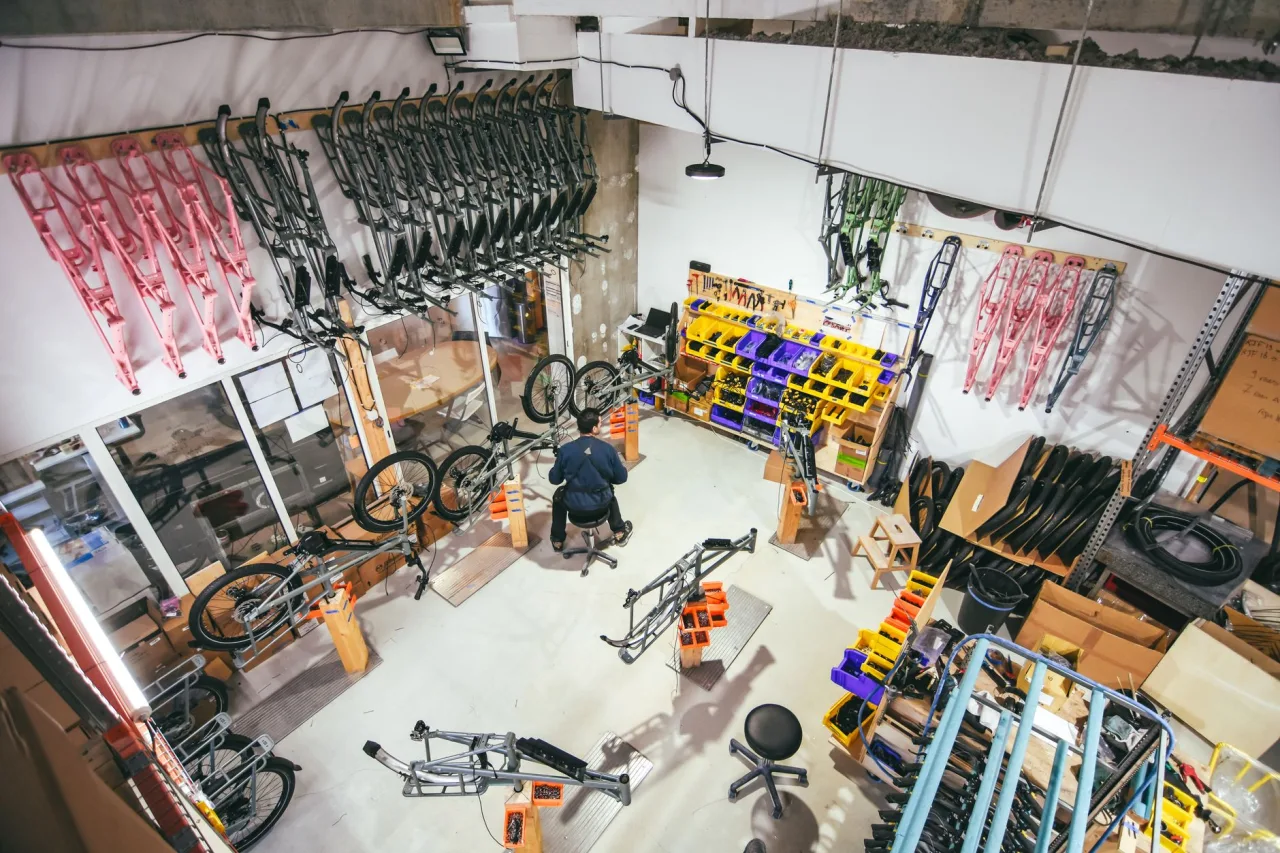
A shop worth your loyalty does more than ring up a sale. Look for this range of services:
- Brand-specific training. Mechanics certified on the motor and battery systems the shop sells, so they can diagnose electronic faults, not just mechanical ones.
- Battery support. The ability to source replacement packs and advise on charging, storage, and safe disposal.
- Firmware and diagnostics. Tools to read fault codes and apply manufacturer software updates.
- Test rides. A range of models to try, since assist feel varies a lot between systems.
- Standard bike service. Everything a normal shop does, because an e-bike still needs brakes, tires, and drivetrain care, often more often given the extra weight and speed.
Authorized dealers and why they matter
When you buy from an authorized dealer for a brand like Specialized, Trek, Giant, or Cannondale, the shop has completed manufacturer training and can process warranty claims directly. Electric bikes carry expensive components, and a motor or battery fault is exactly the kind of problem you want handled through an official channel rather than argued over with a distant seller. Buying gray-market or from an unauthorized reseller can leave a manufacturer unwilling to honor the warranty, which is a costly gamble on a big purchase.
Ask any prospective shop which brands it is authorized to sell and service, and whether its mechanics are trained on those specific motor systems. If you already own an e-bike, a shop that is a dealer for your brand can usually source parts and handle warranty work far more smoothly.
Tip: ask who fixes the electronics
Some shops sell e-bikes but send electrical faults away to a third party, which means long waits. Ask directly: if the motor throws an error or the battery stops charging, who diagnoses it, and how long does it usually take? A shop that handles this in house is worth a premium.
What e-bike shop services cost

Pricing varies by region, overhead, and the specific system, so treat these as broad ranges and confirm locally. Because electric systems add diagnostic time and specialized knowledge, e-bike service generally costs more than the equivalent work on a standard bike. A basic tune-up commonly runs somewhat higher than a regular bike tune-up, an electrical diagnostic adds a bench fee, and a replacement battery pack is the single biggest expense, often a significant fraction of a budget bike's price. Routine mechanical work like brake and tire service is priced much like any other bike.
For a sense of what the bikes themselves cost across budgets, our electric bike price guide breaks down the numbers, and the best cheap electric bike picks show what to expect at the lower end. Do not chase the lowest sticker at the expense of local service, because battery and firmware support quietly determine how long your bike stays useful.
Questions to ask before you buy
A few direct questions separate a genuine e-bike specialist from a shop that simply stocks a few models. Ask:
- Which motor and battery brands are your mechanics trained on?
- Do you handle warranty claims directly for the brands you sell?
- Can you source replacement batteries for this model in a few years?
- What is the typical turnaround for an electrical diagnostic?
- Is a first tune-up or fitting included with the purchase?
If you are comparing several stores, the sibling search for an electric bike shop near you covers how to shortlist local options by distance, reviews, and convenience. For repairs specifically, our guide to repair-focused bicycle shops is a useful companion.
Warning: never mix chargers or ignore battery damage
Use only the charger supplied for your battery, and stop using a pack that is swollen, damaged, or behaving strangely. A good e-bike shop will inspect a suspect battery and advise on safe replacement. Mismatched chargers and damaged lithium-ion packs are a real fire risk, not a minor inconvenience.
Independent specialist, chain, or online seller
E-bikes are sold through several kinds of seller, and the right one depends on what you value. None is simply best, so weigh them honestly against your own needs.
- Independent e-bike specialists tend to offer the deepest knowledge of specific motor and battery systems and the most personal after-sales support. Prices can run a little higher, but the service usually justifies it, especially for a first electric bike.
- Chain stores can offer competitive pricing and predictable stock, though the depth of electrical expertise varies a lot between locations. Vet the specific store and its mechanics, not just the brand over the door.
- Online sellers often show the lowest sticker prices and the widest choice, but the bike arrives partly assembled with no local counter for setup, firmware, or warranty support. You will likely still need a local shop, which erodes the saving.
For most buyers, the safest route is an independent specialist or a well-vetted chain that can service what it sells. If you are shopping a specific brand, a nearby authorized dealer for that brand combines competitive access with proper warranty and battery support.
Making the relationship work
The value of a good e-bike shop grows over time. Book routine service in the off-season, describe faults clearly, and buy some of your consumables and accessories from the shop that services your bike. A store that sees you regularly learns your bike, keeps its firmware current, and is far more likely to prioritize you when something goes wrong before a big ride. That ongoing support is the real reason to choose carefully rather than simply buying from whoever is cheapest online.
Frequently asked questions
What makes an e-bike shop different from a regular bike shop?
An e-bike shop employs mechanics trained on specific motor and battery systems, can read fault codes and apply firmware updates, and can source replacement batteries. A general bike shop may handle the mechanical parts well but lack the tools and training to diagnose electrical faults, which matters a great deal on an electric bike.
Should I buy my e-bike from an authorized dealer?
Yes, whenever possible. Authorized dealers have completed manufacturer training and can process warranty claims directly. Since e-bikes carry expensive motors and batteries, buying from an authorized shop protects you if a major component fails, whereas gray-market purchases can leave a manufacturer unwilling to honor the warranty.
How much does e-bike servicing cost?
It varies by region and system, so confirm locally. Electrical diagnostics and tune-ups generally cost more than on a standard bike because of the added time and specialized knowledge. A replacement battery pack is the largest expense. Routine mechanical work like brakes and tires is priced much like any other bike.
Can any shop replace my e-bike battery?
Not always. Batteries are often specific to a brand and model, so a shop needs to be able to source the correct pack. Authorized dealers for your brand are the most reliable source. Ask a prospective shop directly whether it can supply a replacement battery for your model before you rely on it.
How do I test whether a shop really knows e-bikes?
Ask which motor and battery brands its mechanics are trained on, whether electrical faults are handled in house, and how long a diagnostic usually takes. Take a test ride to feel how the assist ramps in. A specialist will answer these confidently, while a shop that only dabbles in e-bikes tends to be vague.
More guides on Bike Shops & Services (Local)
Have a question or a topic to suggest?
We read every message. Tell us what you would like to see next on the blog.
Get in touchYou may also like

Electric Bike Shop Near Me: How to Search
Turn a map of pins into one shop you trust. How to shortlist local e-bike stores, read reviews, weigh distance against expertise, and run a smart first visit.

Electric Bike: The Complete Guide
Everything you need before buying an e-bike: how the motor and classes work, hub versus mid-drive, battery range, the main types, and what a good electric bike really costs.
Electric Cycle: The Complete Guide
An electric cycle adds a battery, motor, and controller to a normal bike. Here are the types, the specs that matter, realistic prices, and how to pick well.